Future rate cuts by the United States Federal Reserve may slow down as a growing number of officials turn to oppose easing policies out of concern that the country's inflation rate may not return to its 2-percent target, said a market analyst from China International Capital Corporation (CICC).
The U.S. Fed on Wednesday decided, as widely anticipated, to lower the target range for the federal funds interest rate by 25 basis points to 3.5-3.75 percent, following its two-day monetary policy meeting.
The move marks the Fed's third consecutive rate cut since September this year, and the sixth since September 2024.
In an interview with China Media Group (CMG), Liu Zhengning, chief macroeconomist for the United States at CICC, said that as more Fed officials oppose further rate cuts, the bar for future rate cuts is rising.
"As anticipated by the market, the Fed once again lowered interest rates by 25 basis points. However, that decision was not made unanimously, with two officials opposing the rate cut, more than in the previous meeting. That signals that the bar for future rate cuts is rising. Looking ahead, the market's real concern is whether the Fed will continue cutting rates in 2026. According to the latest dot plot, most officials still lean towards further cutting rates next year, but seven officials favor no additional rate cuts, with three of them even believing that the Fed should turn to raise interest rates next year," said Liu.
The cut comes amid a deteriorating labor market and weakening demand, which prompted the Fed to act. Recent data show employment cooling and business sentiment softening, undermining hopes of a near-term recovery.
"Despite deteriorating employment data, the officials do not appear to be in a hurry to implement more easing policies. That can be attributed to the fact that under the impact of tariffs, the U.S. inflation rate is not returning to its 2-percent target, hindering interest rate cuts. Looking forward, we expect the Fed to slow down rate cuts, with a potential hold in January and a further cut in March," said Liu.
Investors reacted differently to the rate cut announcement.
The U.S. dollar fell against major currencies after the rate cut, while U.S. stocks ended higher.
The Dow Jones Industrial Average rose 497.46 points, or 1.05 percent, on Wednesday, and the S and P 500 and Nasdaq Composite Index increased 0.67 percent and 0.33 percent, respectively.
Spot gold initially jumped after the cut, as lower rates reduce the cost of holding assets that do not pay interest. But the gains quickly faded, showing that investors are still unsure how much more easing the Fed will deliver.
"Regarding the market, U.S. stocks generally rose following the rate cut announcement. One reason is that the market had already fully priced in this rate cut before the meeting and was concerned it might be a hawkish cut. However, today's remarks from [Fed Chair Jerome] Powell were not perceived as hawkish, helping ease market concerns. Additionally, the Fed announced it will start buying short-dated government bonds, with purchases increasing by 40 billion dollars this month and set to continue for at least several months. This operation helps mitigate liquidity risks and has been regarded as a positive signal by the market," said Liu.
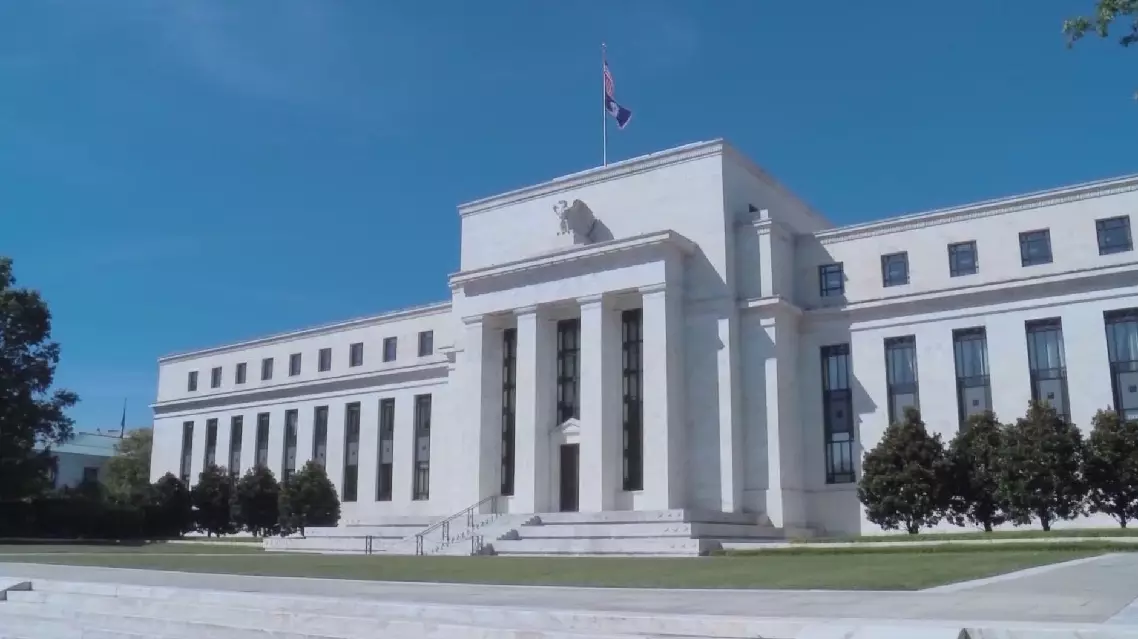
US rate cuts may slow down amid heightened disagreement within Fed: analyst