The U.S. Federal Reserve still faces uncertainty regarding future interest rate cuts as it grapples with the dual challenges of a deteriorating labor market and persistent inflationary pressures, economic analysts have warned. In a widely anticipated move following its two-day monetary policy meeting, the U.S. Fed on Wednesday decided to lower the target range for the federal funds interest rate by 25 basis points to 3.5-3.75 percent.
It marked the U.S. central bank's third consecutive rate cut in the space of three months and the sixth since last September, with the latest coming amid a sluggish labor market and weakening demand.
Recent data shows employment cooling and business sentiment softening, undermining hopes of a near-term recovery. In addition, internal dissent within the Fed and external political pressure have added to the uncertainty.
At a press conference on Wednesday, Fed Chair Jerome Powell said that the federal funds rate was "within a broad range" of estimates of its neutral value. He also mentioned the Fed has more patience to observe economic developments, implying that the central bank would pause rate cuts for some time. Additionally, Fed officials signaled they expect to lower rates just once next year, which is consistent with predictions made back in September.
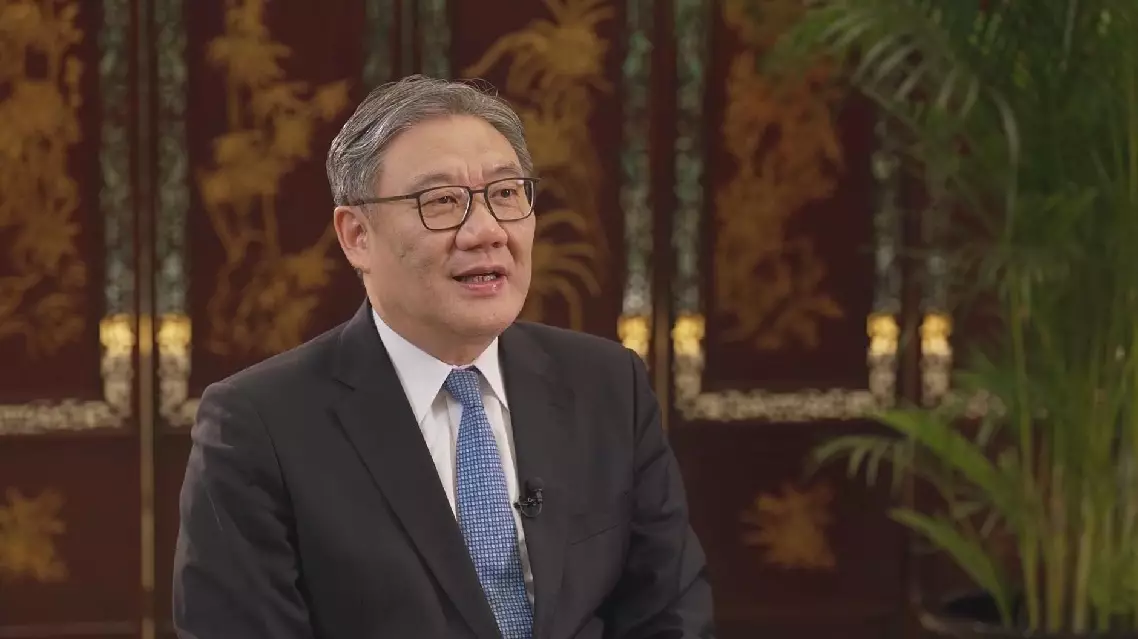
Market analysts believe that the weakness in the U.S. labor market, coupled with ongoing inflationary risks, has created a challenging situation that may make it difficult for the Fed to sustain rate cuts next year. "The potential for the U.S. dollar to depreciate could affect the prices of commodities and may trigger a new round of inflation. While some Fed officials believe there is still room for at least two to three rate cuts next year, I think many remain skeptical or hold reservations about this outlook," said Bai Ren, executive director of the Bank of China International Holdings.
The Fed also faces further internal challenges ahead as Powell's term is set to end in May 2026, with the hunt for his successor now heating up. National Economic Council Director Kevin Hassett and former Fed Governor Kevin Warsh are believed to be top contenders. Comments from Hassett supporting a rate cut have already led to a decline in short-term U.S. Treasury yields.
Concerns about the Fed’s next steps are heightened by the risk that political pressure could threaten the central bank’s policy independence. Analysts warn that if the Fed's autonomy over monetary policy is undermined, the market will likely respond by selling U.S. Treasury bonds to constrain monetary policymakers. "If we were to see Kevin Hassett and the Fed start to ease policy more significantly at a time when inflation is high or inflation expectations are rising, we think the market could quickly force significant discipline via the bond market and could see rising yields if investors were to be worried about a loss of kind of independence," said Cedric Chehab, chief economist at BMI, a Fitch Solutions Company.
A leading analyst at U.S. asset management firm Invesco noted that the Fed has cut interest rates by a cumulative total of 175 basis points over the last 15 months, and said further rate cuts next year could weaken the U.S. dollar and decrease treasury yields and see international capital instead pouring into emerging markets in pursuit of higher returns.
"We know that a weaker U.S. dollar tends to mean good news for emerging markets as investors chase higher yields and higher returns. And so I expect emerging markets to outperform the U.S. in the coming year," said Zhao Yaoting, global market strategist at Invesco Asia-Pacific.
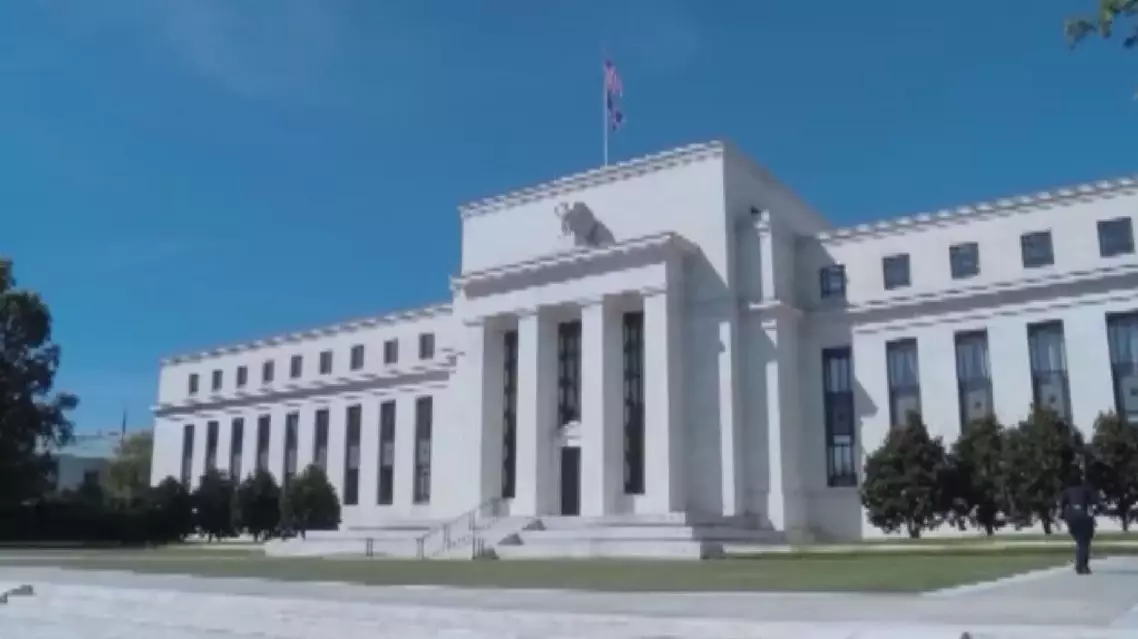
US Fed faces uncertainty over future rate cuts amid deteriorating labor market: economists