ALEXANDRIA, Va. (AP) — A grand jury declined for a second time to re-indict New York Attorney General Letitia James on Thursday, refusing to resurrect a mortgage fraud prosecution encouraged by President Donald Trump, according to a person familiar with the matter.
It’s another major blow to the Justice Department after the dismissal of earlier charges against James and another longtime Trump foe, former FBI Director James Comey, in a stunning rebuke of the Trump administration’s efforts to prosecute the president’s political opponents.
A judge threw out the original indictments against James and Comey in November, ruling that the prosecutor who presented to the grand jury, Lindsey Halligan, was illegally appointed U.S. attorney for the Eastern District of Virginia.
The Justice Department asked a grand jury in Alexandria, Virginia, to return an indictment Thursday after a different grand jury in Norfolk last week refused to do so. The person who confirmed the failure to secure an indictment was not authorized to publicly discuss the matter and spoke on the condition of anonymity.
The allegations related to James’ purchase of modest house in Norfolk, where she has family.
James says the case is politically motivated and has denied any wrongdoing.
James, a Democrat who infuriated Trump after his first term with a lawsuit alleging that he built his business empire on lies about his wealth, was initially charged with bank fraud and making false statements to a financial institution in connection with a home purchase in 2020.
During the sale, she signed a standard document called a “second home rider” in which she agreed to keep the property primarily for her “personal use and enjoyment for at least one year,” unless the lender agreed otherwise. Rather than using the home as a second residence, prosecutors say James rented it out to a family of three, allowing her to obtain favorable loan terms not available for investment properties.
The cases against James and a separate prosecution of Comey have heightened concerns that the Trump administration is using its law enforcement powers to pursue the president's enemies.
Both cases were brought shortly after the administration installed Halligan, a former Trump lawyer with no prior prosecutorial experience, as U.S. attorney amid public calls from the president to take action against his political opponents.
But U.S. District Judge Cameron McGowan Currie threw out the cases last month over the unconventional mechanism that the Trump administration employed to appoint Halligan. The judge dismissed them without prejudice, allowing the Justice Department to try to file the charges again.
Halligan had been named as a replacement for Erik Siebert, a veteran prosecutor in the office and interim U.S. attorney who resigned in September amid Trump administration pressure to file charges against both Comey and James. He stepped aside after Trump told reporters he wanted Siebert “out.”
James’ lawyers separately argued the case was a vindictive prosecution brought to punish the Trump critic who spent years investigating and suing the Republican president and won a staggering judgment in a lawsuit alleging he defrauded banks by overstating the value of his real estate holdings on financial statements. The fine was later tossed out by a higher court, but both sides are appealing.
After the Norfolk grand jury rejected a new indictment last week, James’ lawyer said, “This should be the end of the case.”
“If they continue, undeterred by a court ruling and a grand jury’s rejection of the charges, it will be a shocking assault on the rule of law and a devastating blow to the integrity of our justice system,” defense attorney Abbe Lowell said at the time.
Comey was separately charged with lying to Congress in 2020. Another federal judge has complicated the Justice Department’s efforts to seek a new indictment against Comey, temporarily barring prosecutors from accessing computer files belonging to Daniel Richman, a close Comey friend and Columbia University law professor whom prosecutors see as a central player in any potential case against the former FBI director.
Prosecutors moved Tuesday to quash that order, calling Richman’s request for the return of his files a “strategic tool to obstruct the investigation and potential prosecution.” They said the judge had overstepped her bounds by ordering Richman’s property returned to him and said the ruling had impeded their ability to proceed with a case against Comey.
Richer reported from Washington.
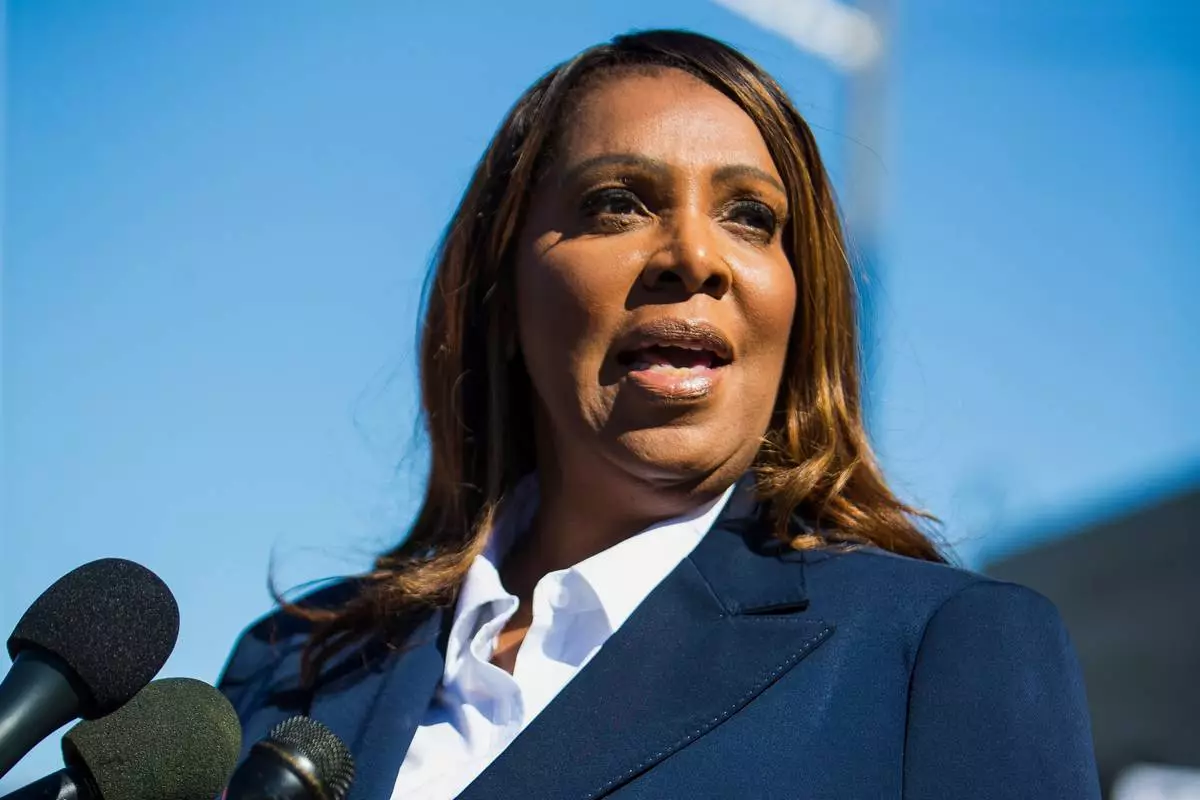
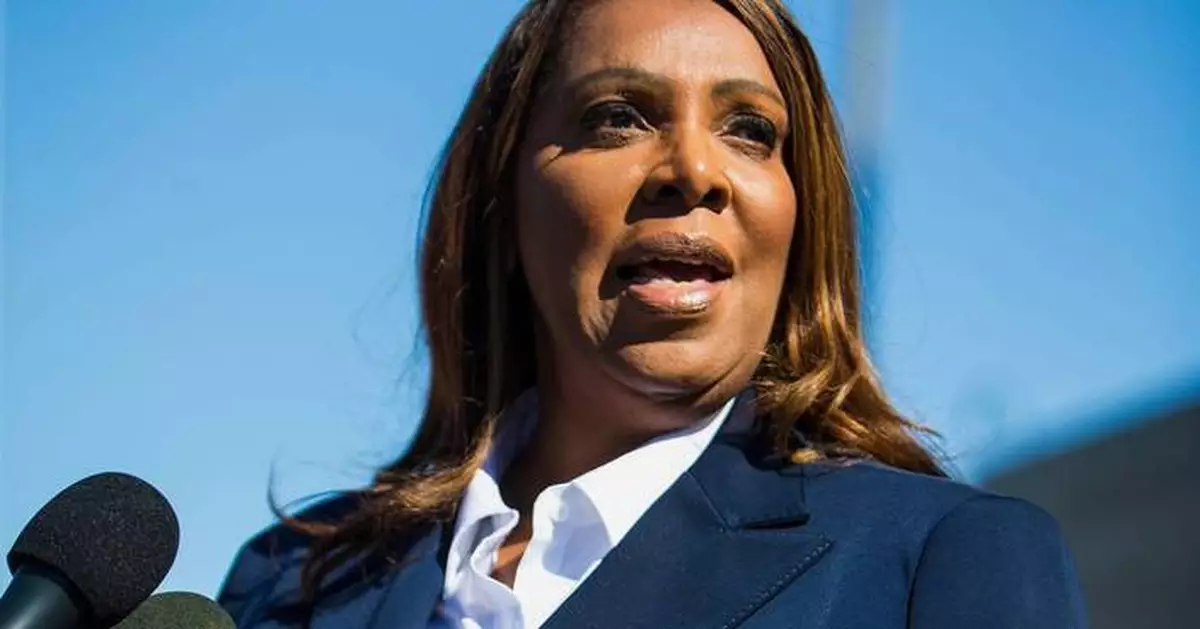
FILE - New York Attorney General, Letitia James, speaks after pleading not guilty outside the United States District Court Oct. 24, 2025, in Norfolk, Va. (AP Photo/John Clark, File)
PROVO, Utah (AP) — The 22-year-old Utah man charged with killing Charlie Kirk made his first in-person court appearance Thursday as his attorneys push to further limit media access in the high-profile criminal case.
A Utah judge is weighing the public's right to know details in the prosecution of Tyler Robinson against his attorneys' concerns that the swarm of media attention could interfere with his right to a fair trial.
Robinson’s legal team and the Utah County Sheriff’s Office have asked Judge Tony Graf to ban cameras in the courtroom.
Prosecutors have charged Robinson with aggravated murder in the Sept. 10 shooting of the conservative activist on the Utah Valley University campus in Orem, just a few miles north of the Provo courthouse. They plan to seek the death penalty.
Robinson arrived in court with restraints on his wrists and ankles and wearing a dress shirt, tie and slacks. He smiled at family members sitting in the front row of the courtroom, where his mother teared up and wiped her eyes with a tissue. Robinson's father and brother sat next to her.
The defendant had previously appeared in court via video or audio feed from jail.
A coalition of national and local news organizations, including The Associated Press, is fighting to preserve media access in the case.
Graf has already made allowances to protect Robinson’s presumption of innocence before a trial, agreeing that the case has drawn “extraordinary” public attention.
Graf held a closed hearing on Oct. 24 in which attorneys discussed Robinson's courtroom attire and security protocols. Under a subsequent ruling by the judge, Robinson is allowed to wear street clothes in court during his pretrial hearings but must be physically restrained due to security concerns. Graf also prohibited media from filming or photographing Robinson's restraints after his attorneys argued widespread images of him shackled and in jail clothing could prejudice future jurors.
Several university students who witnessed Kirk’s assassination attended Thursday's hearing.
Zack Reese, a Utah Valley University student and “big Charlie Kirk fan,” said he had skepticism about Robinson’s arrest and came to the hearing seeking answers. Reese has family in southwestern Utah, where the Robinsons are from, and said he believes they're a good family.
Brigham Young University student William Brown, who said he was about 10 feet from Kirk when he was shot, said he felt overwhelmed seeing Robinson walk into the courtroom Thursday.
“I witnessed a huge event, and my brain is still trying to make sense of it,” Brown said. “I feel like being here helps it feel more real than surreal.”
Michael Judd, an attorney for the media coalition, has urged Graf to let the news organizations weigh in on any future requests for closed hearings or other limitations.
The media presence at Utah hearings is already limited, with judges often designating one photographer and one videographer to document a hearing and share their images with other news organizations. Additional journalists can typically attend to listen and take notes, as can members of the public.
Judd wrote in recent filings that an open court “safeguards the integrity of the fact-finding process” while fostering public confidence in judicial proceedings. Criminal cases in the U.S. have long been open to the public, which he argued is proof that trials can be conducted fairly without restricting reporters as they work to keep the public informed.
Kirk’s widow, Erika Kirk, has called for full transparency, saying, “We deserve to have cameras in there.” Her husband was an ally of President Donald Trump who worked to steer young voters toward conservatism.
Robinson's legal team says his pretrial publicity reaches as far as the White House, with Trump announcing soon after Robinson’s arrest, “With a high degree of certainty, we have him,” and “I hope he gets the death penalty.”
Attorney Kathy Nester has raised concern that digitally altered versions of Robinson's initial court photo have spread widely, creating misinformation about the case. Some altered images show Robinson crying or having an outburst in court, which did not happen.
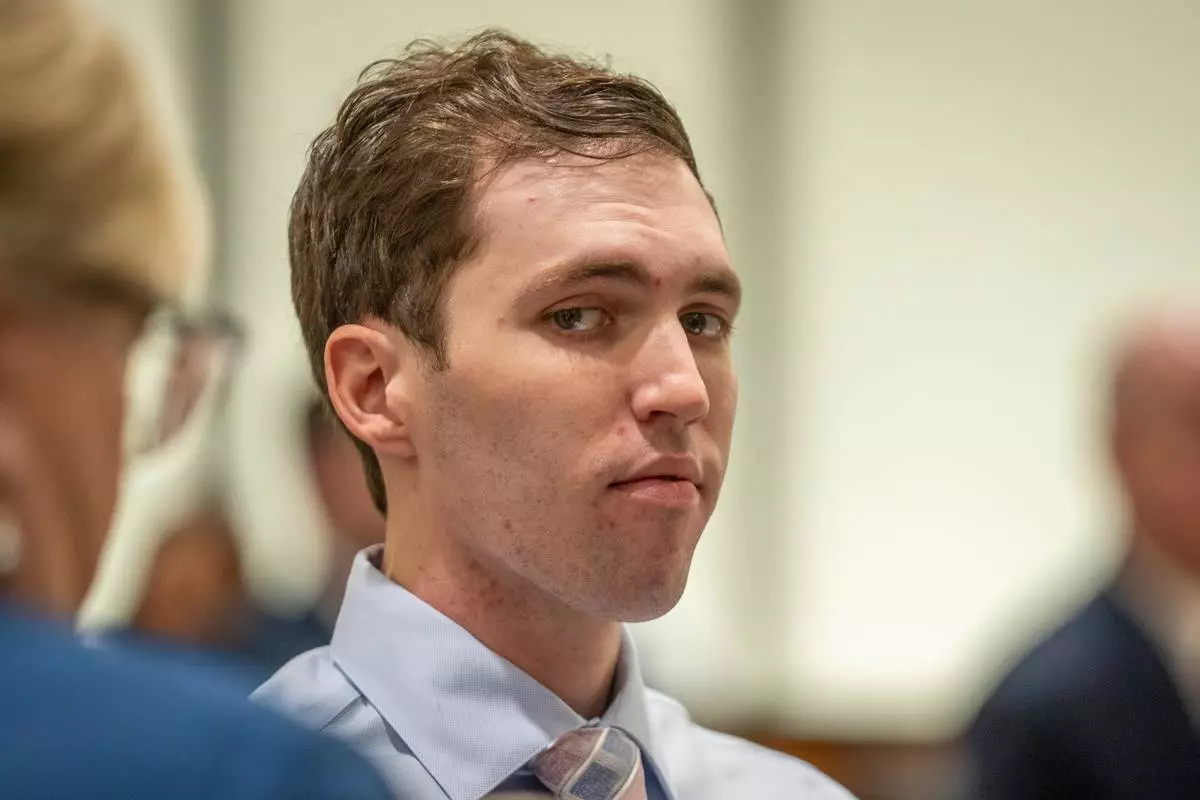
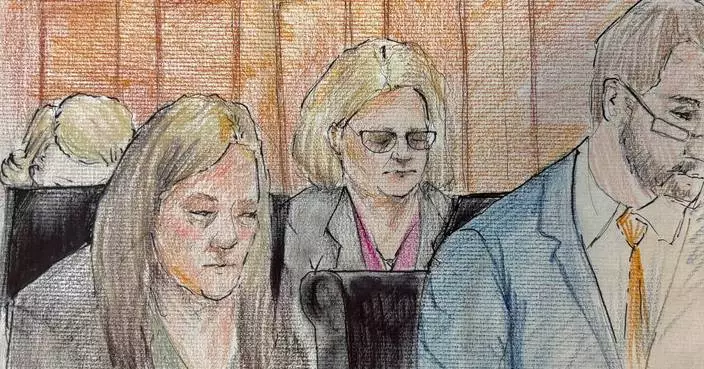
Tyler Robinson, accused of the murder of Charlie Kirk, appears during a hearing in Fourth District Court in Provo, Thursday, Dec. 11, 2025. (Rick Egan/The Salt Lake Tribune via AP, Pool)
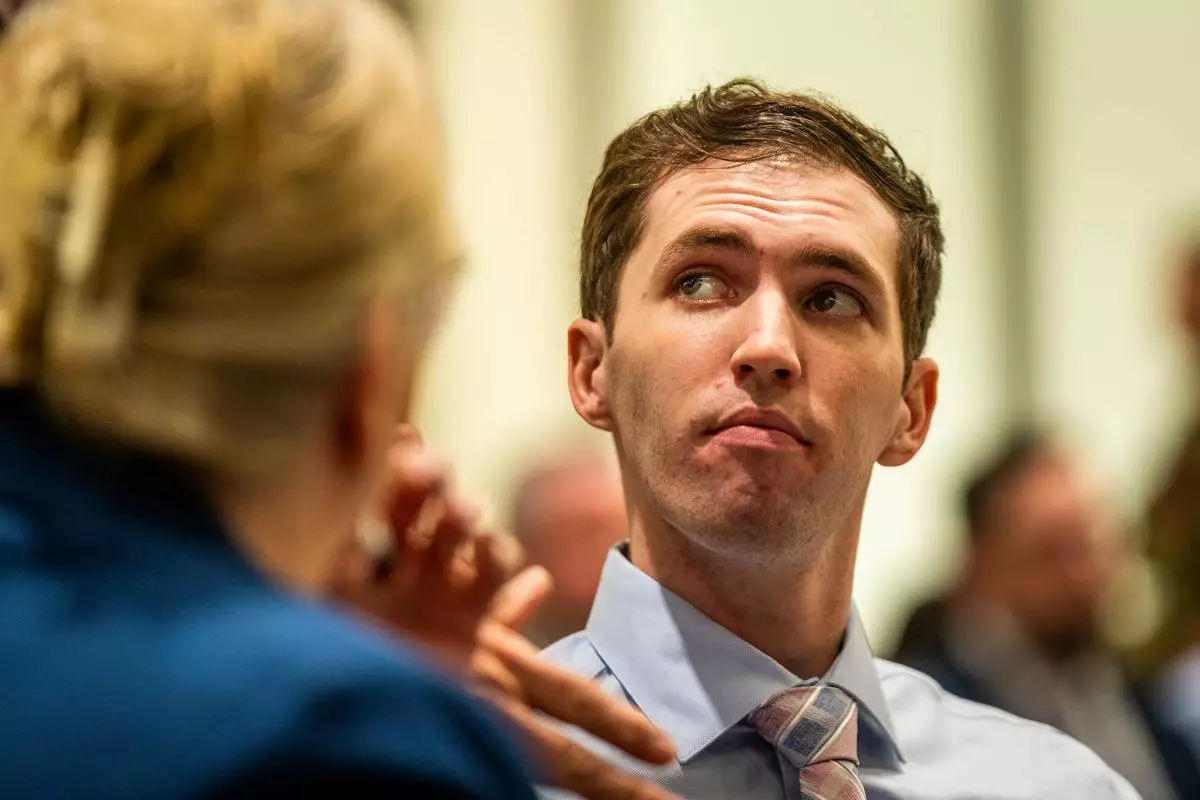
Tyler Robinson, accused of the murder of Charlie Kirk, appears during a hearing in Fourth District Court in Provo, Thursday, Dec. 11, 2025. (Rick Egan/The Salt Lake Tribune via AP, Pool)
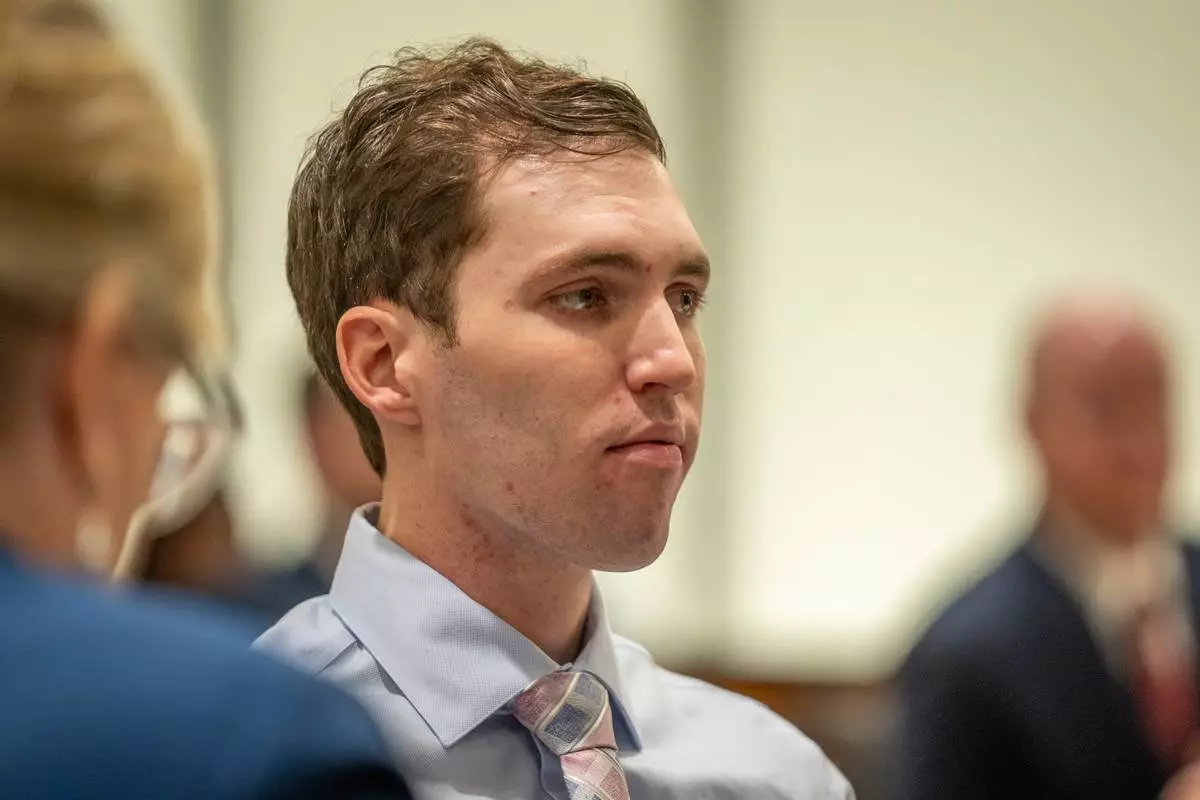
Tyler Robinson, accused of the murder of Charlie Kirk, appears during a hearing in Fourth District Court in Provo, Thursday, Dec. 11, 2025. (Rick Egan/The Salt Lake Tribune via AP, Pool)
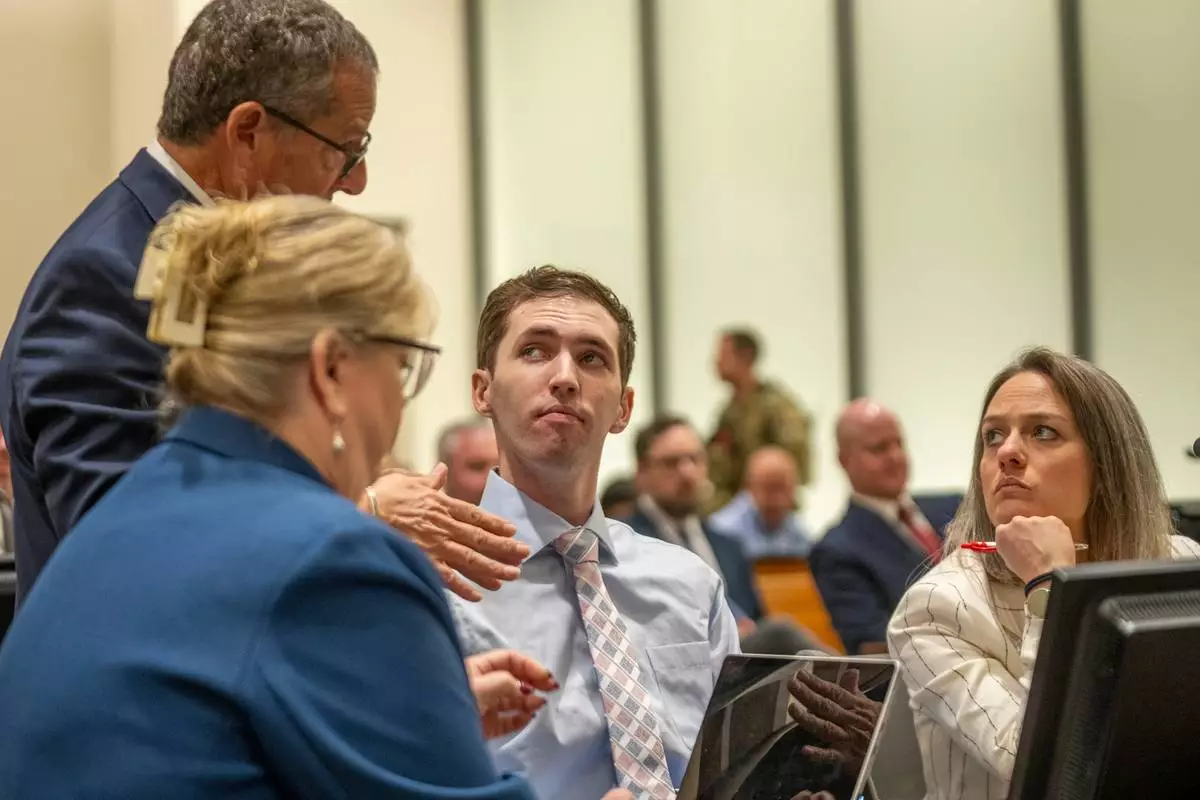
Tyler Robinson, accused of the murder of Charlie Kirk, appears during a hearing in Fourth District Court in Provo, Thursday, Dec. 11, 2025. (Rick Egan/The Salt Lake Tribune via AP, Pool)
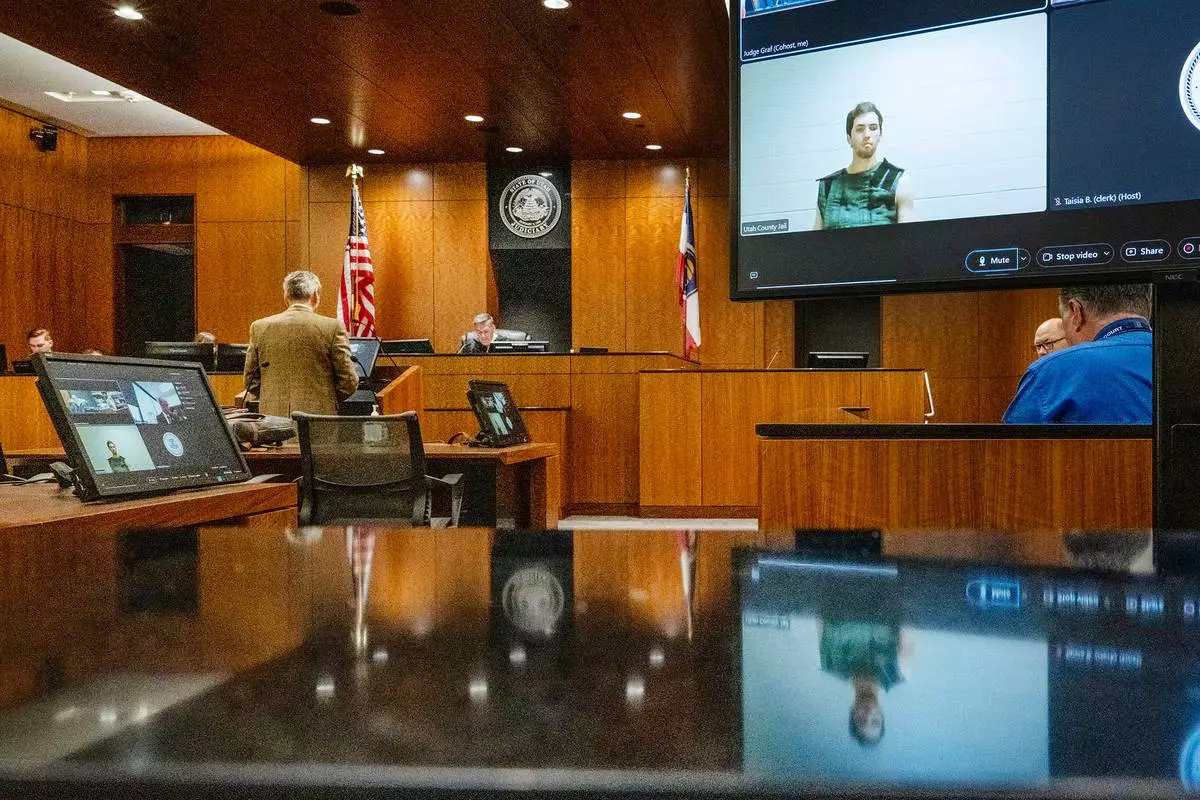
FILE - Defense attorney Greg Skordas, left, speaks before Judge Tony Graf, background, in Provo, Utah, as Tyler Robinson, in monitor at right, accused of fatally shooting Charlie Kirk, attends the court hearing virtually from prison on Tuesday, Sept. 16, 2025. (Scott G Winterton/The Deseret News via AP, Pool, File)
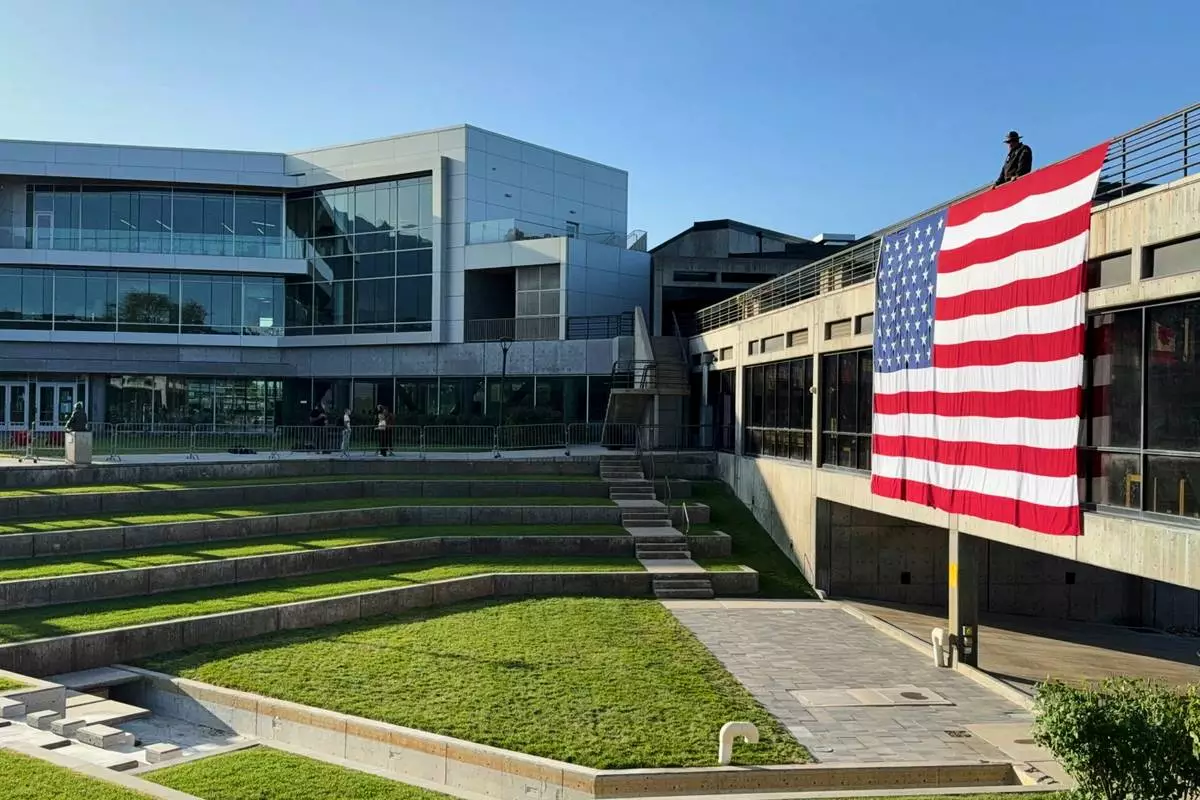
FILE - A national flag hangs over the site where conservative activist Charlie Kirk was shot and killed, at Utah Valley University, Sept. 17, 2025, in Orem, Utah. (AP Photo/Jesse Bedayn, File)