The U.S. dollar fell in late trading on Thursday.
The dollar index, which measures the greenback against six major peers, decreased 0.45 percent to 98.346 at 15:00 (2000 GMT).
In late New York trading, the euro was up to 1.1740 dollars from 1.1678 dollars in the previous session, and the British pound rose to 1.3389 dollars from 1.3365 dollars in the previous session.
The U.S. dollar bought 155.61 Japanese yen, lower than 156.26 Japanese yen in the previous session. The U.S. dollar slipped to 0.7951 Swiss francs from 0.8011 Swiss francs, and it was down to 1.3779 Canadian dollars from 1.3810 Canadian dollars. The U.S. dollar fell to 9.2542 Swedish kronor from 9.2864 Swedish kronor.
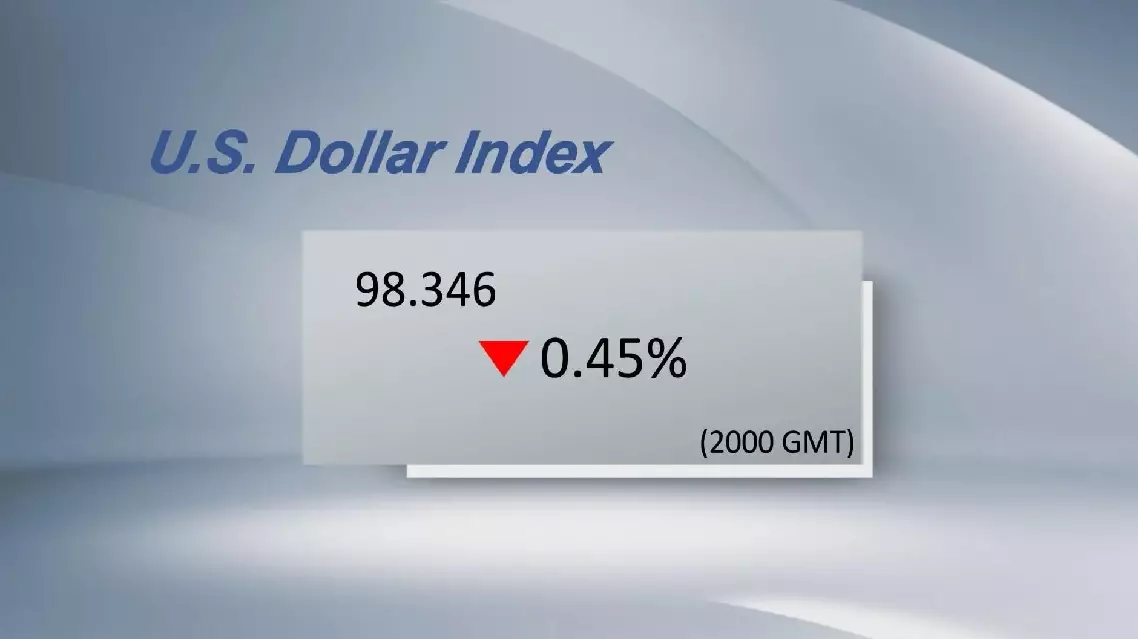
U.S. dollar ticks down
U.S. stock indices ended mixed on Thursday, after Oracle reported lower-than-expected quarterly revenue and raised its capital spending outlook.
The Dow Jones Industrial Average surged 646.26 points, or 1.34 percent, to an all-time high of 48,704.01. The Standard and Poor's 500 rose 14.32 points, or 0.21 percent, to 6,901, securing its first record close in over a month. The Nasdaq Composite Index fell 60.3 points, or 0.25 percent, to 23,593.86.
Eight of the 11 primary Standard and Poor's 500 sectors advanced, led by materials and financials with gains of 2.23 percent and 1.84 percent, respectively, while communication services and technology declined 1.01 percent and 0.55 percent.
Oracle tumbled nearly 11 percent after reporting fiscal second-quarter revenue below expectations and lifting its annual data-center spending forecast by another 15 billion U.S. dollars.
The development intensified investor concerns over the pace of returns on massive AI investments. Nvidia and Broadcom each dropped more than 1 percent.
The broader market continued to digest Wednesday's Federal Reserve decision to cut the federal funds rate by 25 basis points to 3.5-3.75 percent, while signaling a more cautious easing path ahead and ruling out near-term rate hikes.
After its strong outperformance throughout 2025, the tech-heavy Nasdaq is getting dragged lower as peak-AI fears and elevated valuations lead to a huge shift toward traditional and defensive sectors, noted Elior Manier, market analyst with MarketPulse.
Separately, filings for unemployment benefits in the United States jumped to 236,000, well above forecasts, though analysts attributed the spike largely to seasonal distortions.
Corporate earnings season continues, with Broadcom, Costco and Lululemon scheduled to report results after Thursday's close. Investors anticipate these updates will provide further insights into consumer spending patterns and AI-related capital outlays.
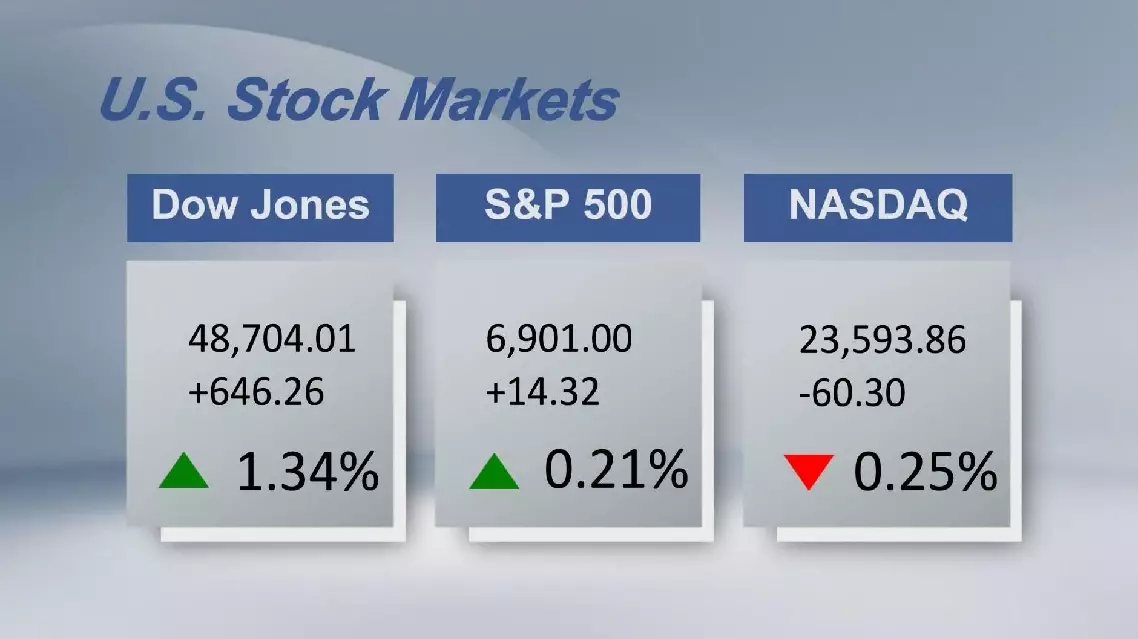
U.S. stocks close mixed as Oracle results weigh on tech sector