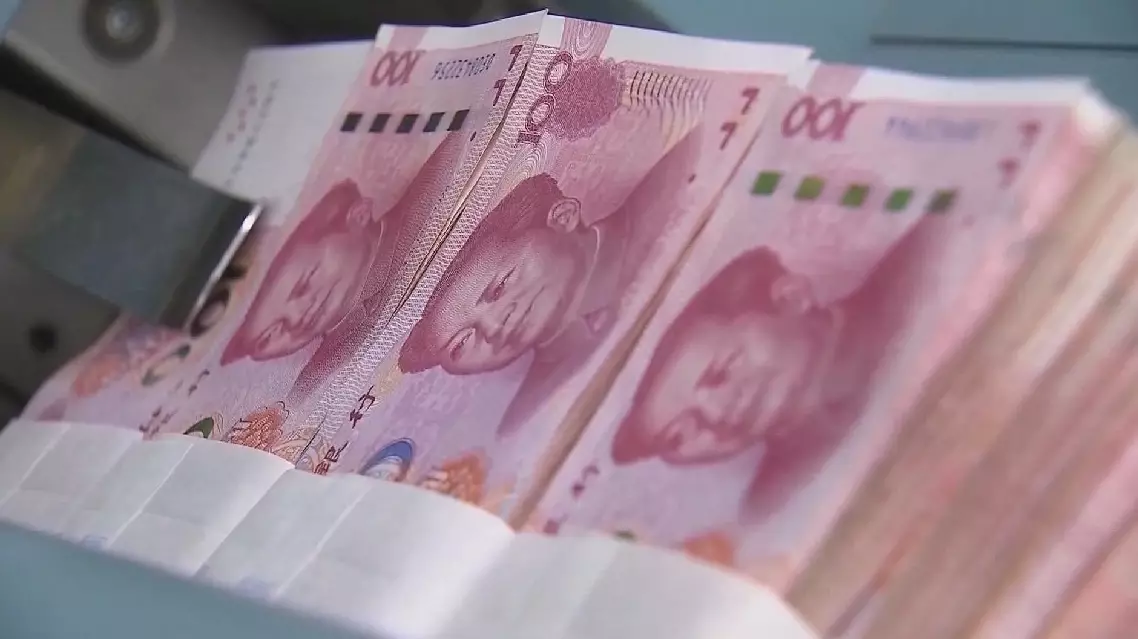
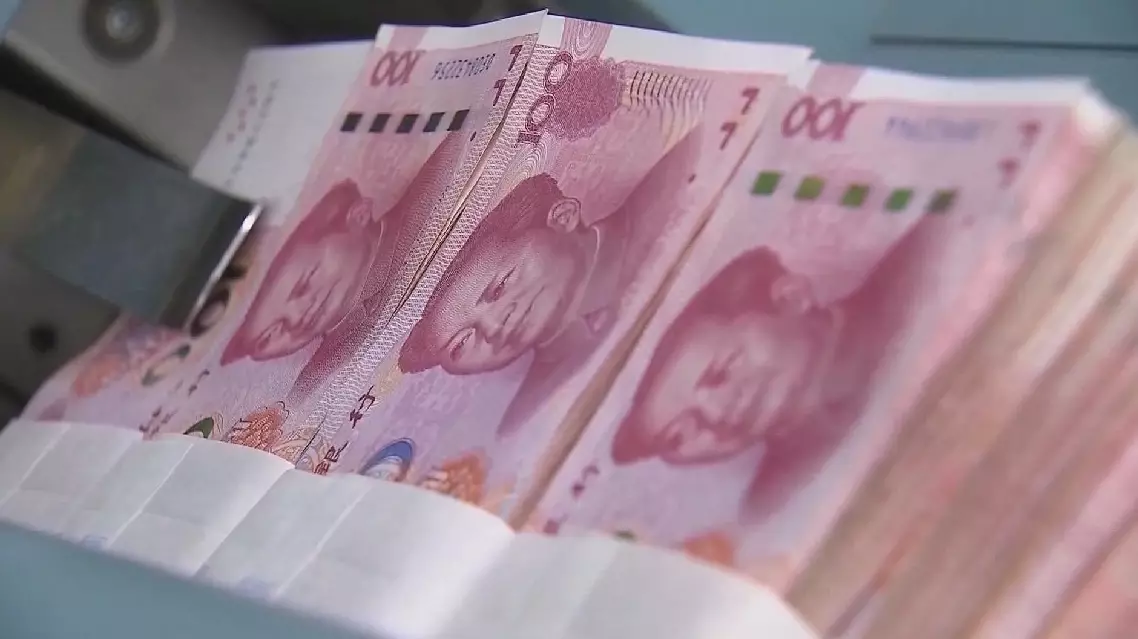
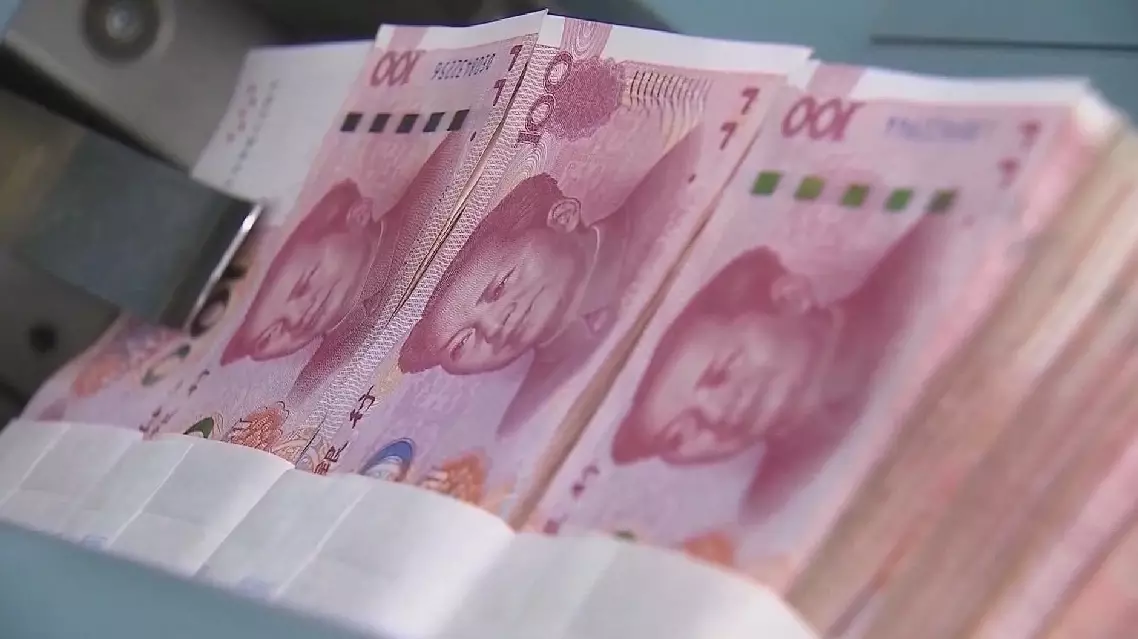
China is to use structural monetary policy tools such as the rate cuts to help financial resources flow to key areas, experts said on Thursday following the conclusion of the annual Central Economic Work Conference where Chinese leaders decided priorities for the economic work in 2026.
At this year's Central Economic Work Conference, it was mentioned for the first time that flexible and efficient use of various policy tools, such as reserve requirement ratios (RRR) cuts and interest rate reductions should be employed to maintain ample liquidity.
Dong Ximiao, chief researcher of Merchants Union Consumer Finance Company, said the role of structural monetary policy tools will be leveraged for the development of sci-tech and green industries.
"It is expected that in 2026, deposit rates and policy rates will further decline, and the loan prime rate (LPR) is anticipated to remain stable with a slight downward trend. More emphasis will be placed on leveraging the role of structural monetary policy tools to guide financial resources toward scientific and technological innovation, green development, and boosting consumption," he said.
"Moreover, monetary policy will focus on balancing and managing the relationships between short-term and long-term goals, ensuring growth and preventing risks, and internal and external factors," said Dong.
Zhang Wenlang, a chief macro analyst at China International Capital Corporation Limited, said the employment of various structural monetary policy tools will help guarantee financial support for the country's high quality development.
"What monetary policy emphasizes is the 'flexible and efficient use of various policy tools, such as RRR cuts and interest rate reductions'. That means, in addition to traditional RRR and interest rate cuts, monetary policy will employ various structural tools. Moreover, to meet the needs of economic development, the existing structural toolkit can be further improved and enriched to provide more precise and effective support for high-quality development," said Zhang.
China to use structural monetary policy tools to help resources flow to key areas: experts
China to use structural monetary policy tools to help resources flow to key areas: experts
China to use structural monetary policy tools to help resources flow to key areas: experts
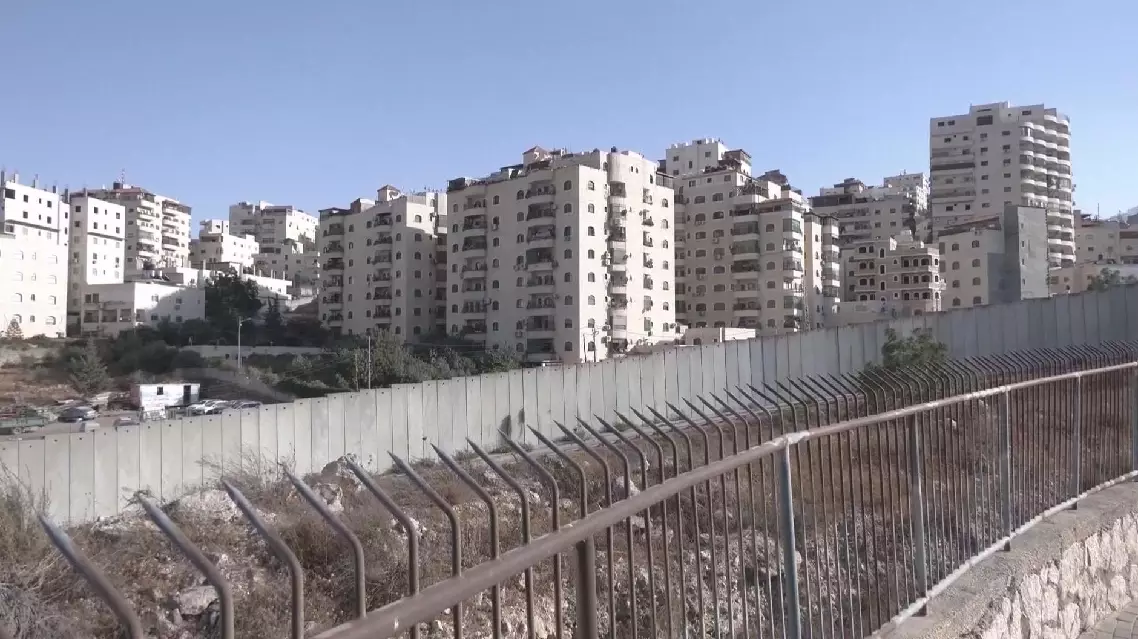
The Palestinian Presidency on Sunday said Israel's decision to reopen land registration in the West Bank constitutes a de facto annexation aimed at entrenching the occupation through illegal settlement expansion.
In a statement, the presidency said the move violates international law, poses a threat to security and stability, and marks a dangerous escalation. The decision contradicts UN Security Council resolutions, including Resolution 2334, which deems all settlements in the occupied Palestinian territories, including East Jerusalem, illegal.
"Measures will not grant the Israeli occupation legitimacy over the land of the State of Palestine or alter the legal and historical status of the West Bank, East Jerusalem, and Gaza," the statement said.
Palestinian leaders called on the international community to intervene to halt the move and enforce international law.
Meanwhile, Hamas described the decision as "null and void" and an attempt to impose a "Judaizing settlement reality by force." The group vowed to resist all efforts to impose annexation, displacement, or settlement projects and urged international parties to protect Palestinians' rights to land, self-determination, and statehood with Jerusalem as the capital.
Israel on Sunday approved a plan to register West Bank land as "state property," a move that could strengthen Israeli claims and facilitate settlement expansion. The plan, submitted by Finance Minister Bezalel Smotrich, Justice Minister Yariv Levin, and Defense Minister Israel Katz, was approved by the cabinet, according to a joint statement.
For the first time since the 1967 Middle East war, which brought the West Bank, East Jerusalem, and Gaza under Israeli control, the cabinet authorized a land registration process in the West Bank. The Land Registry and Settlement of Rights, a government authority under the Justice Ministry, will carry out the process with dedicated staff and budget.
The ministers said the move would allow a "transparent and thorough clarification" of property rights. Much of the West Bank has never undergone systematic registration, with ownership claims relying on Ottoman, British Mandate, or Jordanian records.
The decision is the latest in a series of measures by Prime Minister Benjamin Netanyahu's far-right government aimed at expanding settlements. Palestinian officials have warned that formalizing Israeli state claims over land in Area C could further undermine prospects for a negotiated two-state solution.
The West Bank is seen by most of the international community as occupied territory. Palestinians seek it as the core of a future independent state.
Israel retains control of over 60 percent of the West Bank, defined as Area C outside the Palestinian enclaves known as Areas A and B, according to the UN Office for the Coordination of Humanitarian Affairs in the Occupied Palestinian Territory.
Palestine denounces Israel's West Bank land registration decision