Iranian Foreign Minister Seyed Abbas Araghchi headed to Geneva on Sunday for a second round of Iran-U.S. indirect talks, even as relevant parties laid out starkly different visions of what a deal should entail, exposing the fragile foundations of the renewed diplomatic push.
Araghchi is leading a "diplomatic and specialized" delegation to the talks on Tuesday. He is expected to meet Swiss Foreign Minister Ignazio Cassis, Omani Foreign Minister Sayyid Badr bin Hamad Al Busaidi, and Rafael Grossi, director general of the International Atomic Energy Agency, among other officials, according to a ministry statement.
U.S. President Donald Trump's special envoy Steve Witkoff will lead the American team, according to media reports.
The meeting follows the first round in Oman's Muscat on Feb. 6 that both sides described as a "good start" but yielded no visible breakthrough.
In public statements ahead of the Geneva meeting, Iranian officials struck a tone of conditional openness mixed with defiance. Speaking to BBC on Sunday, Iran's Deputy Foreign Minister Majid Takht-Ravanchi signaled Iran's willingness to compromise on its nuclear program in exchange for sanctions relief, but drew firm red lines.
He confirmed that Iran could discuss diluting its 60 percent-enriched uranium as the country's proof of flexibility, but flatly ruled out zero enrichment on Iranian soil.
According to Iranian media reports on Saturday, Iran's Foreign Ministry Spokesman Esmaeil Baghaei reaffirmed that the country's right to the peaceful use of nuclear energy is inherent and inalienable, and no form of pressure or political stance can undermine this right.
He said that Iran has the right to use nuclear energy for peaceful purposes as a signatory to the Non-Proliferation Treaty.
Meanwhile, signals are similarly mixed from the U.S. U.S. Secretary of State Marco Rubio said Trump prefers diplomacy and a negotiated settlement. "No one's ever been able to do a successful deal with Iran, but we're going to try," Rubio said at a news conference in Bratislava, the capital of Slovakia.
U.S. media reported on Sunday that Trump told Netanyahu as early as December that he would support Israeli strikes on Iran's ballistic missile program if a deal cannot be reached.
U.S. military and intelligence officials have also discussed how U.S. could assist Israel in potential operations against Iran's missile infrastructure, including providing aerial refueling for Israeli aircraft and helping secure overflight permissions from related regional countries, said the report.
Netanyahu, for his part, has set a maximalist bar. Speaking at a public conference on Sunday, he insisted that any potential agreement with Iran must include the removal of nuclear material, a halt to uranium enrichment and restrictions on ballistic missiles.
Netanyahu also reiterated his skepticism "about any deal with Iran."
With U.S. warships massing in the region and both sides preparing for the possibility of failure, it is widely believed that the upcoming talks on Tuesday may test whether diplomacy can still offer a path forward, or merely serve as a prelude to deeper confrontation.
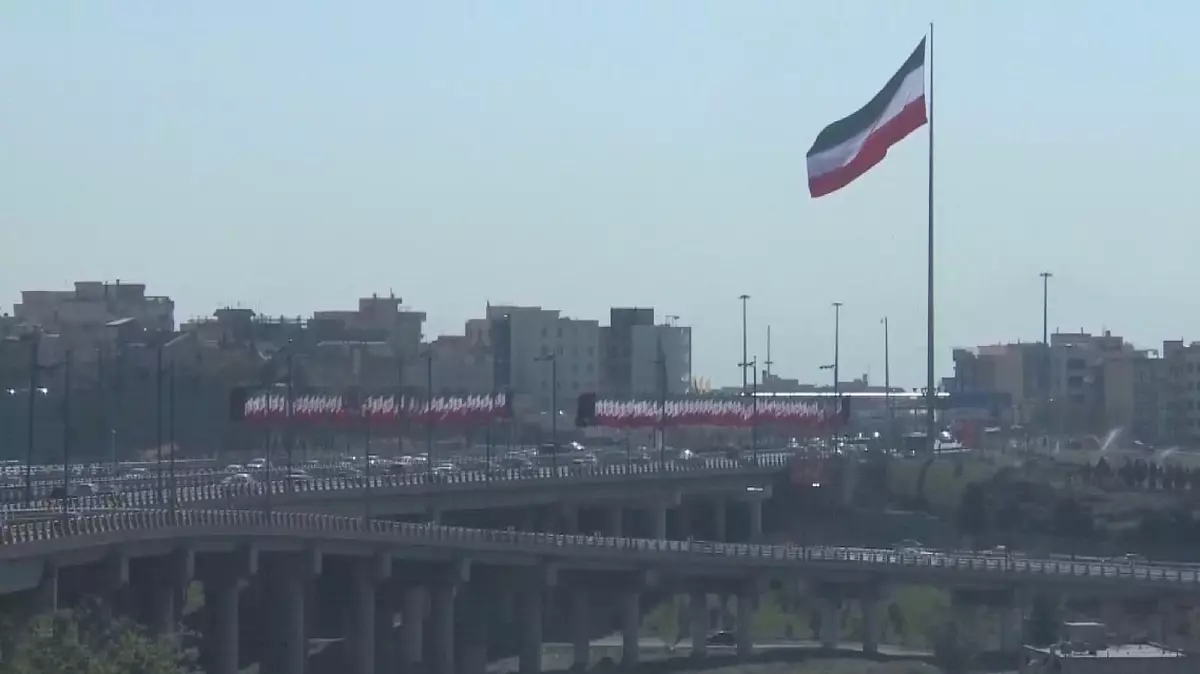
Iran's FM heads to Geneva for 2nd round of talks with U.S.
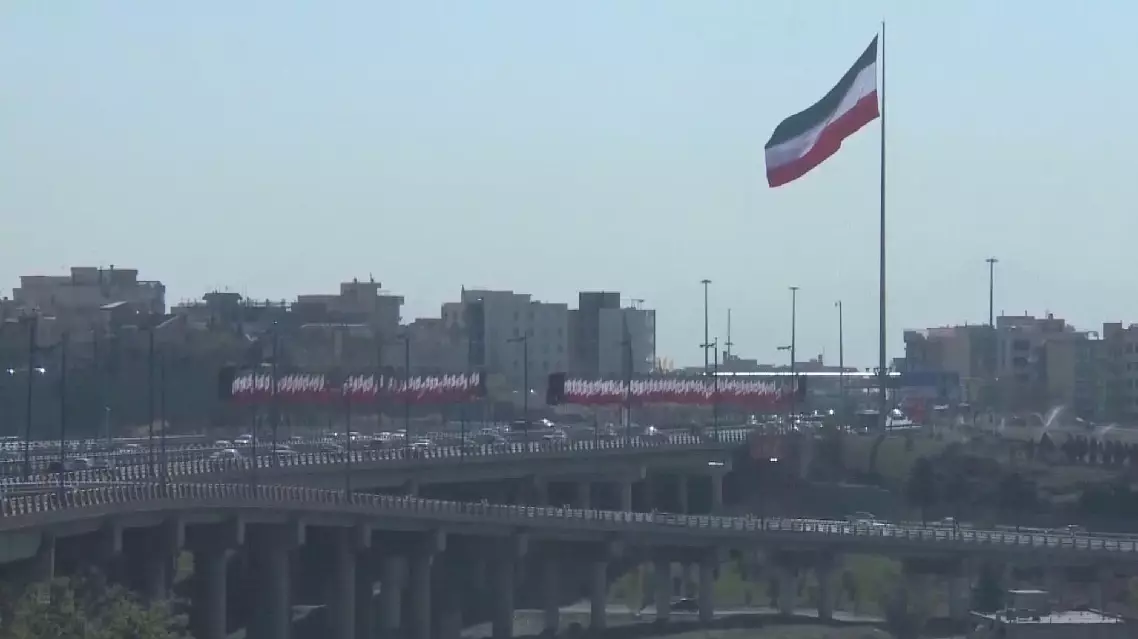
Iran's FM heads to Geneva for 2nd round of talks with U.S.