Skip to Content Facebook Feature Image

China's rural tourism success offers blueprint for developing nations: UN official

China

China

China

China's rural tourism success offers blueprint for developing nations: UN official

2026-04-16 17:38 Last Updated At:19:07

China's success in promoting rural tourism to serve as a key economic driver can serve as a model for other developing nations to learn from, according to an official from the United Nations' tourism agency.

Jaime Mayaki, director of the Department of International Development and Cooperation of the United Nations World Tourism Organization, was speaking ahead of the third High-Level Conference of the Forum on Global Action for Shared Development, which is set to take place in Beijing on April 21-22 and is expected to focus on scaling up global cooperation in emerging sectors.

The forum also comes five years on from the launch of the China-proposed Global Development Initiative (GDI), which now involves more than 130 countries and organizations, with projects spanning poverty reduction, digital development, and climate action.

Mayaki hailed the significance of the GDI as a key framework for people-centered development, which he said aligns with how tourism can play a central role in fostering both economic growth and human well-being.

"What the Global Development Initiative is doing is clearly in line with what tourism brings to the development of a country's economy, but also to the well-being of people. It puts development as a priority, also puts an emphasis on a people-centered approach, and also a results-oriented approach — and I think tourism fits quite well," said the UN official.

Noted there was over 1.52 billion global travelers being recorded in 2025, Mayaki highlighted the global power and influence of the tourism sector for how it intersects with other crucial sectors such as infrastructure, transport, and environmental protection.

He also hailed the remarkable success China has had in utilizing tourism as part of its wider rural revitalization program, saying this development experience could provide valuable knowledge for other developing nations.

"Last year in 2025, we recorded 1.52 billion tourists traveling around the world. Tourism is a key sector that touches a multitude of sectors around the world. It links with infrastructure, with transport, with biodiversity conservation, and environmental protection. China is a leading example in terms of how tourism has been used to develop rural areas and rural communities and I think all this knowledge will be important for developing countries in the development of their tourism sectors," he said.
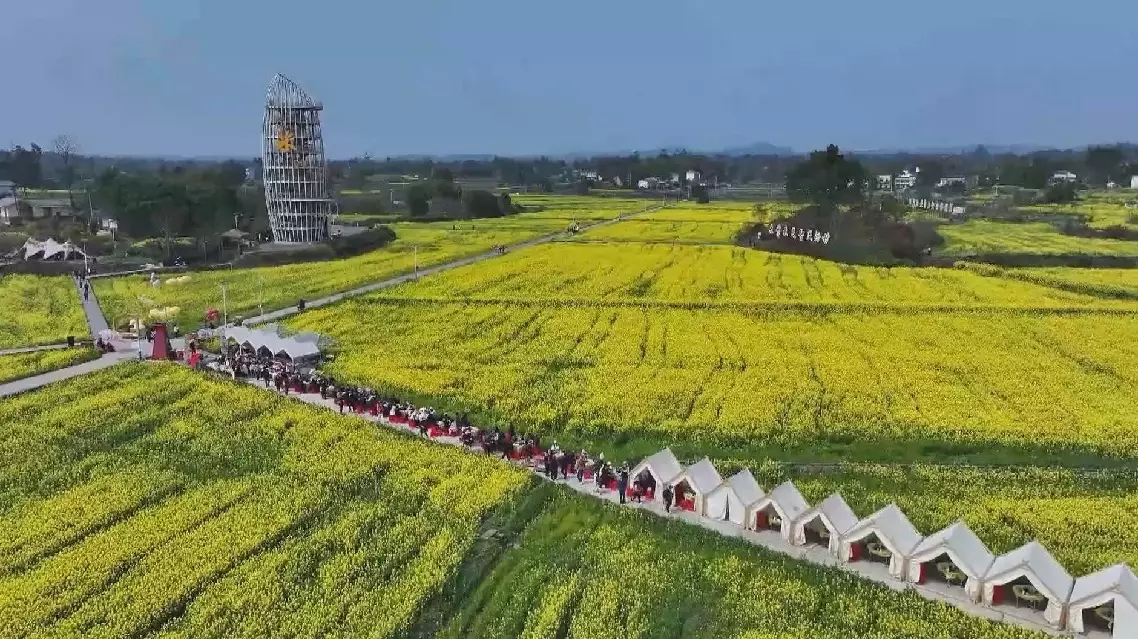
China's rural tourism success offers blueprint for developing nations: UN official
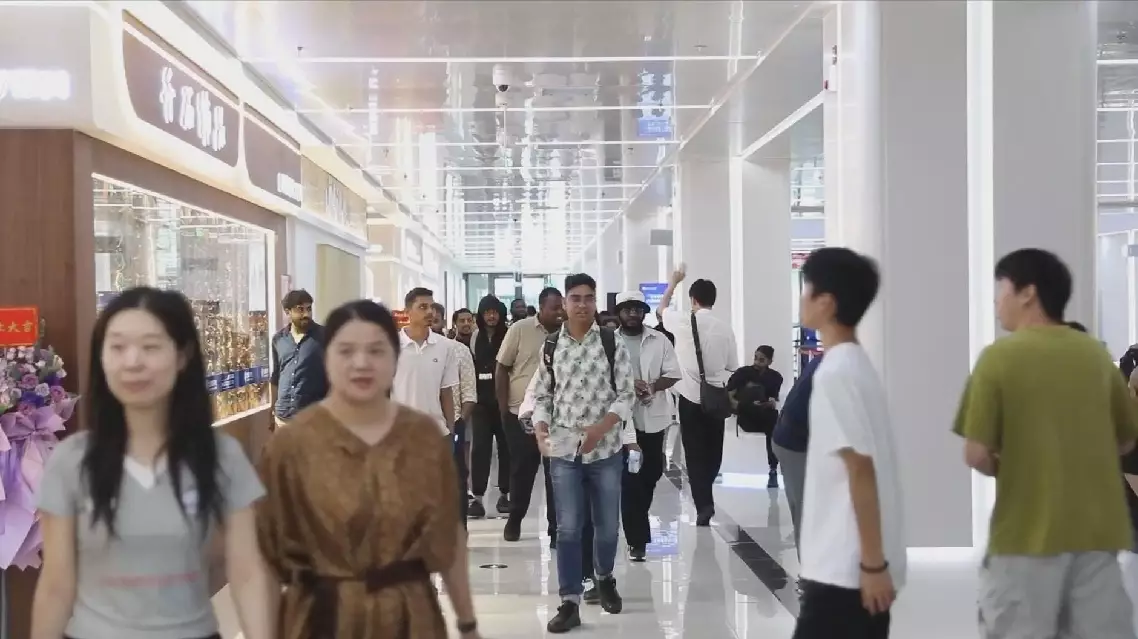

China's rural tourism success offers blueprint for developing nations: UN official
The ripple effects of tensions in the Middle East have now spread to the major eastern Chinese trading hub of Yiwu, a city famously known as "the world's supermarket," as companies and traders try to work around the disruption and rely on strong logistics networks across the region to keep business moving.

The Yiwu International Trade Market has become an important center for foreign trade, housing nearly 80,000 booths offering over two million types of commodities. However, the recent situation brought by the U.S.-Israeli war on Iran and the disruption it has caused to both shipping transport and air cargo is forcing some traders to take steps to mitigate the impact.

Zhang Shidan, a plastic household goods trader in Yiwu, said her company has been left with no choice but to raise product prices as transportation and insurance costs have surged due to escalating tensions in the Middle East.

"We will adjust prices after the stocks of most products run out. The prices are expected to rise by 10 percent," Zhang said.

The travel turmoil brought by the conflict has also created a headache for customers from the region who are trying to reach Yiwu themselves.

"We flew from Lebanon to Egypt, from Egypt to Dubai, from Dubai to Hangzhou. It's a long time. Because in [the main] Lebanon airport, only one company can fly -- a Middle East company -- so its expensive," said Heysam Yassine, a Lebanese buyer.

While making the trip from the Middle East to Yiwu has become more difficult, logistics companies with well-established supply chain networks across the region are helping to cushion the impact on trade and working to distribute goods as best as they can.

"We have 28 warehouses across 12 countries in the Middle East, so we have a relatively complete layout in the region," said Chen Fangfang, general manager of Safe Way Express Cargo, a logistics and cargo shipping firm.

Last year, the total value of Yiwu's exports reached over 100 billion U.S. dollars, with more than 14 billion U.S. dollars going to Middle Eastern markets.

Traders in Yiwu look to work around Middle East disruption, rely on strong logistics networks

Traders in Yiwu look to work around Middle East disruption, rely on strong logistics networks

Recommended Articles