Skip to Content Facebook Feature Image

Chileans are divided in a presidential runoff tilted toward the far right

News

Chileans are divided in a presidential runoff tilted toward the far right
News

News

Chileans are divided in a presidential runoff tilted toward the far right

2025-12-12 16:42 Last Updated At:16:50

SANTIAGO, Chile (AP) — Ask many Chileans how their country fared in the past several years and they'll describe a descent into disaster: Venezuelan gangs surged across porous borders, bringing unprecedented kidnappings and contract killings to one of the region’s safest nations. A social uprising unleashed violent chaos on once-sleepy streets. An economy long vaunted for its rapid growth sputtered into a stall.

These are the voters who hope to elect their country's most right-wing president since its military dictatorship on Sunday.

More Images
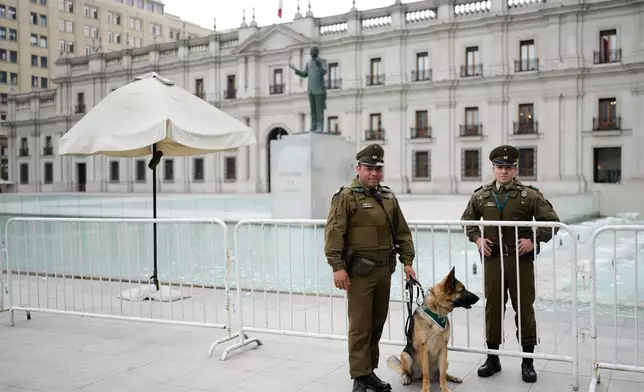
Police stand in front of La Moneda palace ahead of the presidential runoff election in Santiago, Chile, Thursday, Dec. 11, 2025. (AP Photo/Natacha Pisarenko)
Police stand in front of La Moneda palace ahead of the presidential runoff election in Santiago, Chile, Thursday, Dec. 11, 2025. (AP Photo/Natacha Pisarenko)

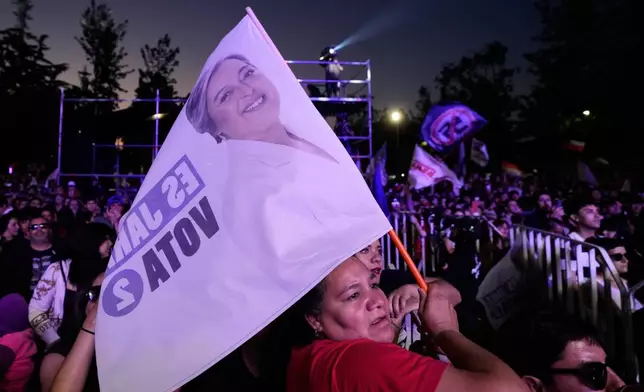
Supporters of Presidential candidate Jeannette Jara of the Unidad por Chile coalition attend a rally ahead of the presidential runoff election in Santiago, Chile, Wednesday, Dec. 10, 2025. (AP Photo/Natacha Pisarenko)
Supporters of Presidential candidate Jeannette Jara of the Unidad por Chile coalition attend a rally ahead of the presidential runoff election in Santiago, Chile, Wednesday, Dec. 10, 2025. (AP Photo/Natacha Pisarenko)

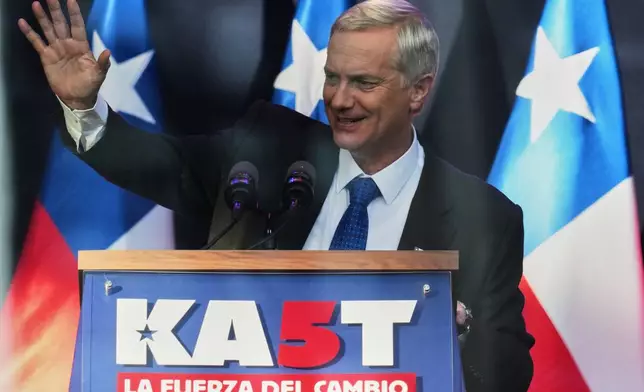
Presidential candidate Jose Antonio Kast, of the Republican Party, addresses supporters during a rally ahead of the presidential runoff election in Temuco, Chile, Thursday, Dec. 11, 2025. (AP Photo/Esteban Felix)
Presidential candidate Jose Antonio Kast, of the Republican Party, addresses supporters during a rally ahead of the presidential runoff election in Temuco, Chile, Thursday, Dec. 11, 2025. (AP Photo/Esteban Felix)
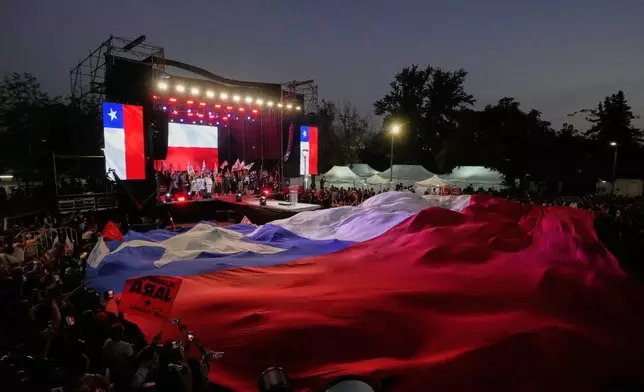
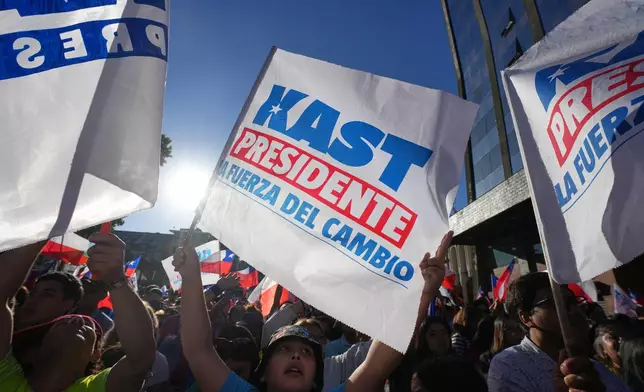
Supporters of presidential candidate Jose Antonio Kast, of the Republican Party, attend a rally ahead of the presidential runoff election in Temuco, Chile, Thursday, Dec. 11, 2025. (AP Photo/Esteban Felix)

Supporters of presidential candidate Jose Antonio Kast, of the Republican Party, attend a rally ahead of the presidential runoff election in Temuco, Chile, Thursday, Dec. 11, 2025. (AP Photo/Esteban Felix)

Supporters of Presidential candidate Jeannette Jara of the Unidad por Chile coalition attend a rally ahead of the presidential runoff election in Santiago, Chile, Wednesday, Dec. 10, 2025. (AP Photo/Esteban Felix)

Supporters of Presidential candidate Jeannette Jara of the Unidad por Chile coalition attend a rally ahead of the presidential runoff election in Santiago, Chile, Wednesday, Dec. 10, 2025. (AP Photo/Esteban Felix)

Former lawmaker José Antonio Kast, 59, they argue, can bring back the simple, stable life that Chileans lost to rising crime, uncontrolled migration and left-wing excesses. Kast's rival in this runoff presidential election is their worst fear: a communist.

“We need to go back in time to when Chile meant peace and quiet, when there weren't so many Venezuelans and Colombians in the streets, when you didn't have to look over your shoulder every second,” said Ernesto Romero, 70, shucking corn at his vegetable stall in Chile’s capital of Santiago.

Ask the same question to other Chileans and they'll recount an opposite reality: A shorter workweek, higher minimum wage and more generous pension system made one of Latin America's most unequal countries more livable, they say. The homicide rate declined in the last two years, official figures show. A defiant foreign policy — outspoken against Venezuela’s autocratic President Nicolas Maduro, U.S. President Donald Trump's denial of climate change and Israeli actions against Palestinians — made Chile a regional champion of democracy.

These are the voters who hope, against heavy odds, to elect their country's most left-wing president since its return to democracy in 1990.

Jeannette Jara, 51, they argue, can save Chile from the wave of far-right populism that has upended politics across the world. Jara's rival is their worst fear: The son of a Nazi party member with a fondness for Gen. Augusto Pinochet’s brutal dictatorship.

“We need to go forward," said Lucía Poblete, a 32-year-old engineer at Jara’s rally late Wednesday. “Kast will erase all the progress we’ve made for women, for labor rights, for civil freedoms.”

The chasm between Chilean perspectives on the status quo underscores not only the depth of Chile's divisions but also the stakes of Sunday's showdown, which Kast is expected to win after 70% of voters backed right-leaning parties in the first round.

Today, Kast is hoping the third time’s the charm, and his presidential run has so far been a much more effective endeavor than the previous two. That's largely thanks to fears of organized crime and immigration driving voters to the right.

“Jara seems more grounded, more sensible. But it's not the time for that. It's time for drastic measures, for shows of force,” said Eduardo Marillana, 48, a former Jara supporter who jumped ship for Kast after his truck was stolen a few weeks ago. “Whether we like it or not, we need the far right now.”

In 2021, the Catholic father of nine lost the runoff election to current President Gabriel Boric, a former firebrand student protest leader who rattled investors with his promises to “bury neoliberalism” but appealed to millions of ordinary Chileans sick of fiscal austerity, angry about social inequality and eager to reexamine Chile’s traumatic past.

Kast's family ties to the Nazi party sparked an uproar at the time — as did his apparent nostalgia for Gen. Pinochet (who he said “would vote for me if he were alive”) and his fierce opposition to same-sex marriage and abortion without exception.

This time, Kast has dodged questions about his social views, pivoting to the more politically palatable issues of insecurity and mass migration that have ginned up voter anxiety and boosted the right from Washington to Paris.

Taking a page from Trump's playbook, Kast vows mass deportations of the estimated 337,000 migrants in Chile without legal status — mostly Venezuelans who arrived from their crisis-stricken country in the last seven years.

Studying the crime-fighting tactics of El Salvador’s popular autocratic president, Nayib Bukele, Kast proposes boosting the power of police and expanding maximum-security prison capacity.

Borrowing from Argentina's radical libertarian President Javier Milei, Kast aims to slash red tape, shrink the public payroll and cut state spending by $6 billion within just 18 months of taking office.

His economic team on Thursday pushed back against widespread criticism that such a budget cut was unrealistic. But it acknowledged to The Associated Press that it might be “preferable to allow for an adjustment over a longer period.”

At any other moment, Jara would have a lot going for her. She engineered Boric’s most significant welfare measures as his minister of labor. Her humble origins selling hot dogs and toilet paper to get through school makes for a compelling up-from-nothing story so rare in Chile's elite circles of power. She has a strong record of negotiating with rivals to get things done.

But experts say it'll take a miracle for her to pry a victory from Kast.

“The math doesn't add up,” said Robert Funk, associate professor of political science at the University of Chile. “There are just too many things stacked against her.”

The most glaring: Her identity as a communist. Although her proposals to improve living standards, boost foreign investment and promote fiscal restraint hardly smack of communism, analysts say her membership in the party since age 14 undercuts efforts to lure moderate conservatives.

“Just the name 'Communist Party scares people,” said Lucía Dammert, a sociologist and Boric’s first chief of staff.

Then there's the challenge of representing a government with a 30% approval rating in a country where citizens have voted out incumbent leaders at every election since 2005. Add to that the difficulty of appearing tough on crime next to Kast.

"This campaign is among the most difficult I’ve ever run, by far,” Ricardo Solari, Jara’s campaign strategist and a former minister, told the AP. What keeps Jara in the game, he insisted, is her appeal as a bulwark against Kast's radicalism.

“The right exaggerates insecurity to convince people that the only possible response is extreme force,” Solari said. “But we've seen elsewhere in Latin America that when that happens, ultimately what gets imprisoned is democracy itself.”
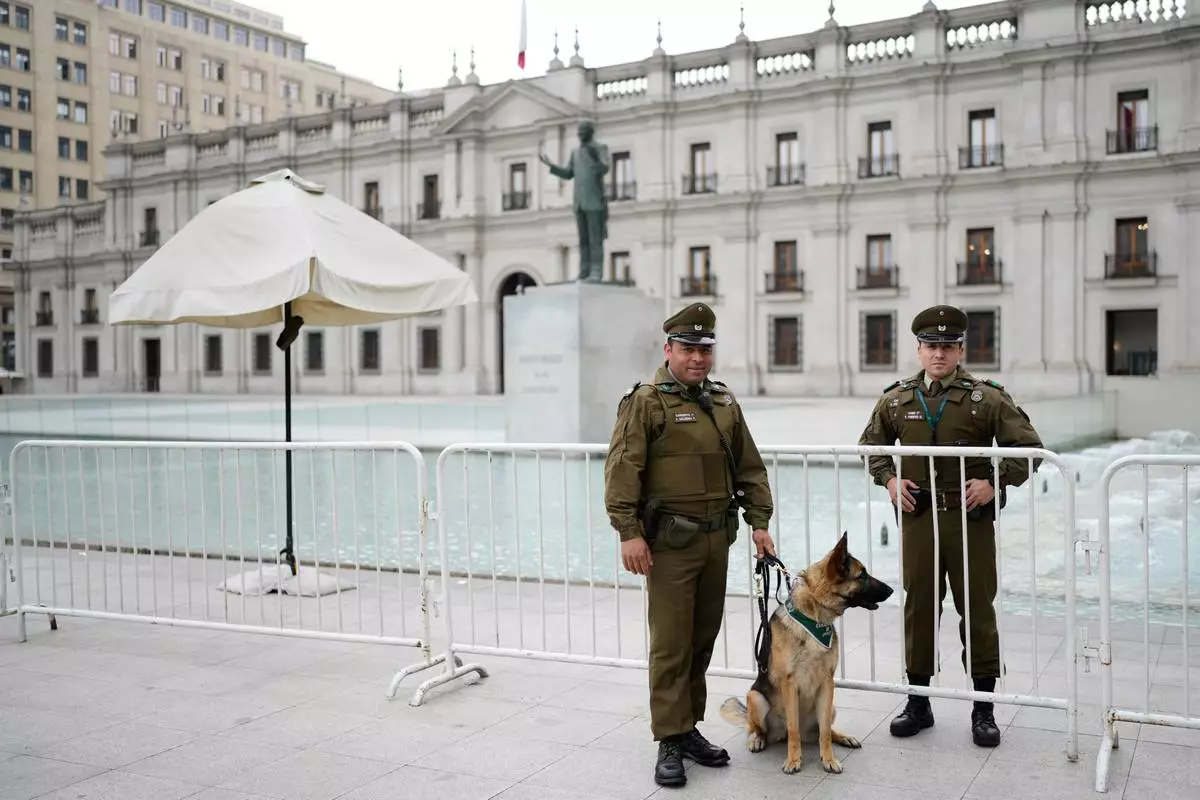
Police stand in front of La Moneda palace ahead of the presidential runoff election in Santiago, Chile, Thursday, Dec. 11, 2025. (AP Photo/Natacha Pisarenko)
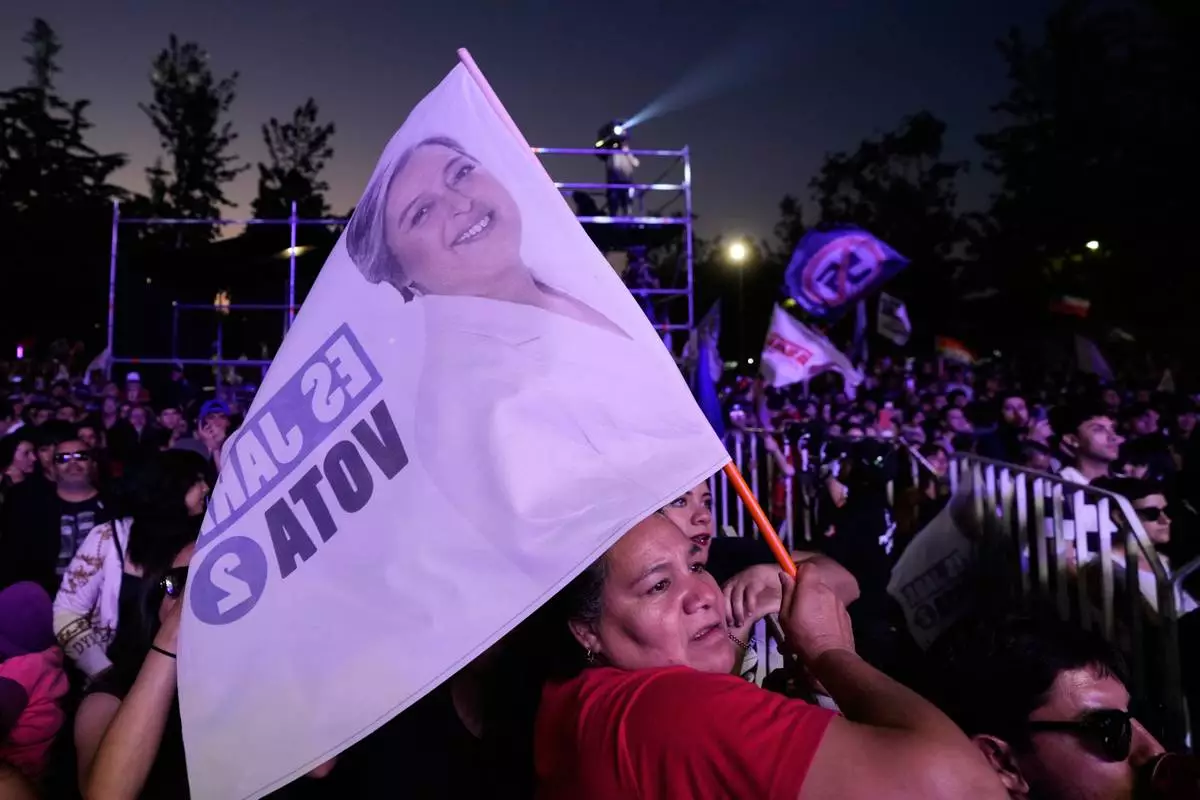
Police stand in front of La Moneda palace ahead of the presidential runoff election in Santiago, Chile, Thursday, Dec. 11, 2025. (AP Photo/Natacha Pisarenko)

Supporters of Presidential candidate Jeannette Jara of the Unidad por Chile coalition attend a rally ahead of the presidential runoff election in Santiago, Chile, Wednesday, Dec. 10, 2025. (AP Photo/Natacha Pisarenko)
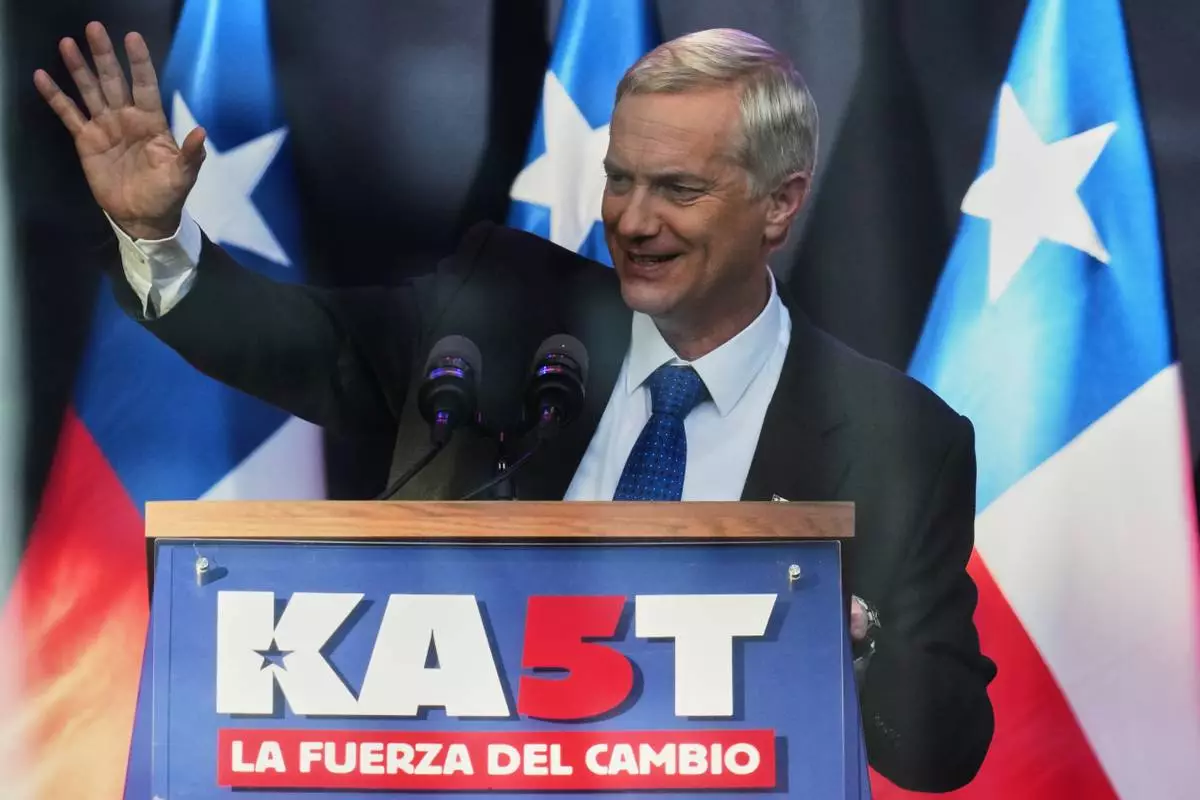
Supporters of Presidential candidate Jeannette Jara of the Unidad por Chile coalition attend a rally ahead of the presidential runoff election in Santiago, Chile, Wednesday, Dec. 10, 2025. (AP Photo/Natacha Pisarenko)

Presidential candidate Jose Antonio Kast, of the Republican Party, addresses supporters during a rally ahead of the presidential runoff election in Temuco, Chile, Thursday, Dec. 11, 2025. (AP Photo/Esteban Felix)
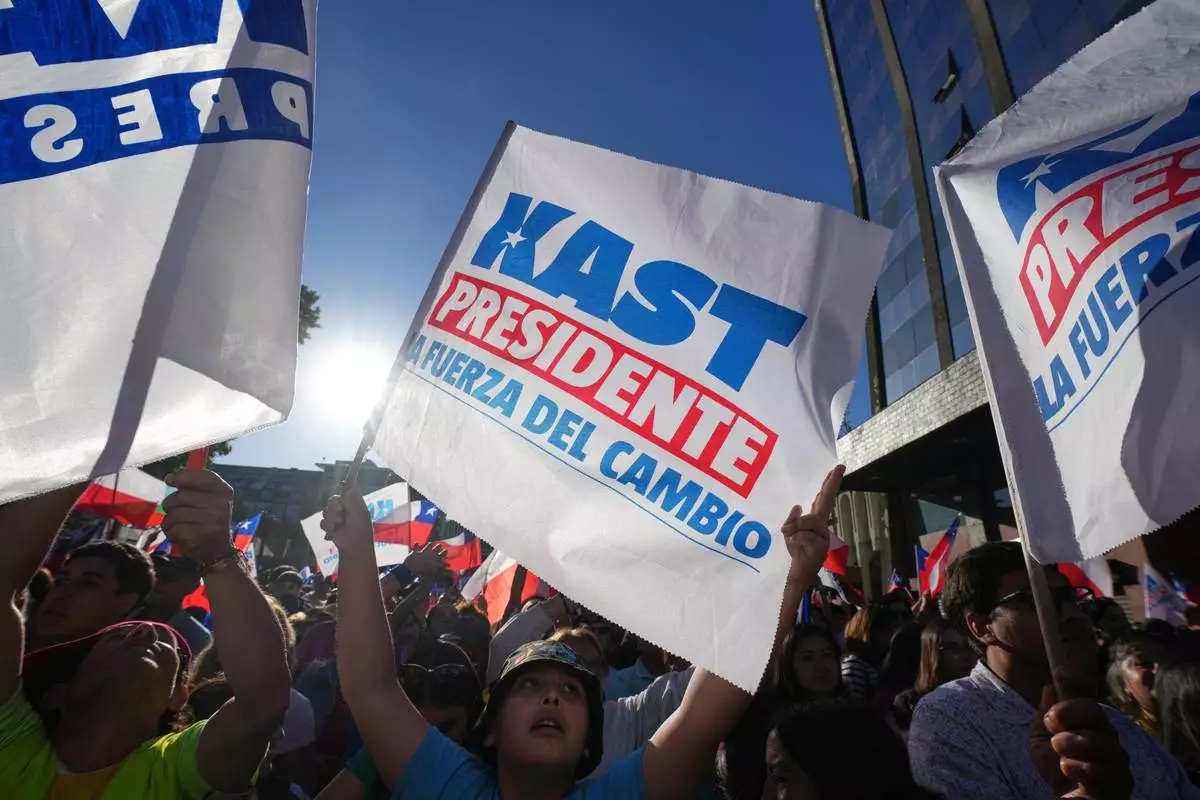
Presidential candidate Jose Antonio Kast, of the Republican Party, addresses supporters during a rally ahead of the presidential runoff election in Temuco, Chile, Thursday, Dec. 11, 2025. (AP Photo/Esteban Felix)
Supporters of presidential candidate Jose Antonio Kast, of the Republican Party, attend a rally ahead of the presidential runoff election in Temuco, Chile, Thursday, Dec. 11, 2025. (AP Photo/Esteban Felix)

Supporters of presidential candidate Jose Antonio Kast, of the Republican Party, attend a rally ahead of the presidential runoff election in Temuco, Chile, Thursday, Dec. 11, 2025. (AP Photo/Esteban Felix)

Supporters of Presidential candidate Jeannette Jara of the Unidad por Chile coalition attend a rally ahead of the presidential runoff election in Santiago, Chile, Wednesday, Dec. 10, 2025. (AP Photo/Esteban Felix)
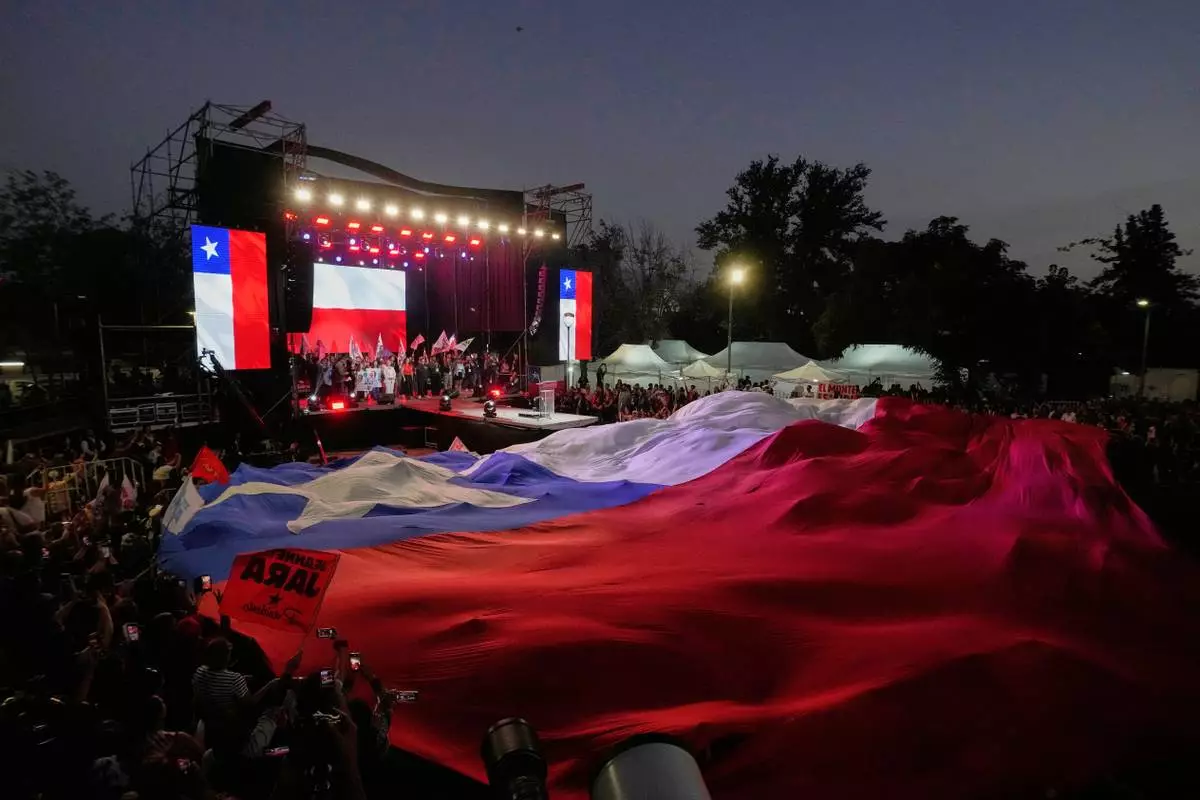
Supporters of Presidential candidate Jeannette Jara of the Unidad por Chile coalition attend a rally ahead of the presidential runoff election in Santiago, Chile, Wednesday, Dec. 10, 2025. (AP Photo/Esteban Felix)
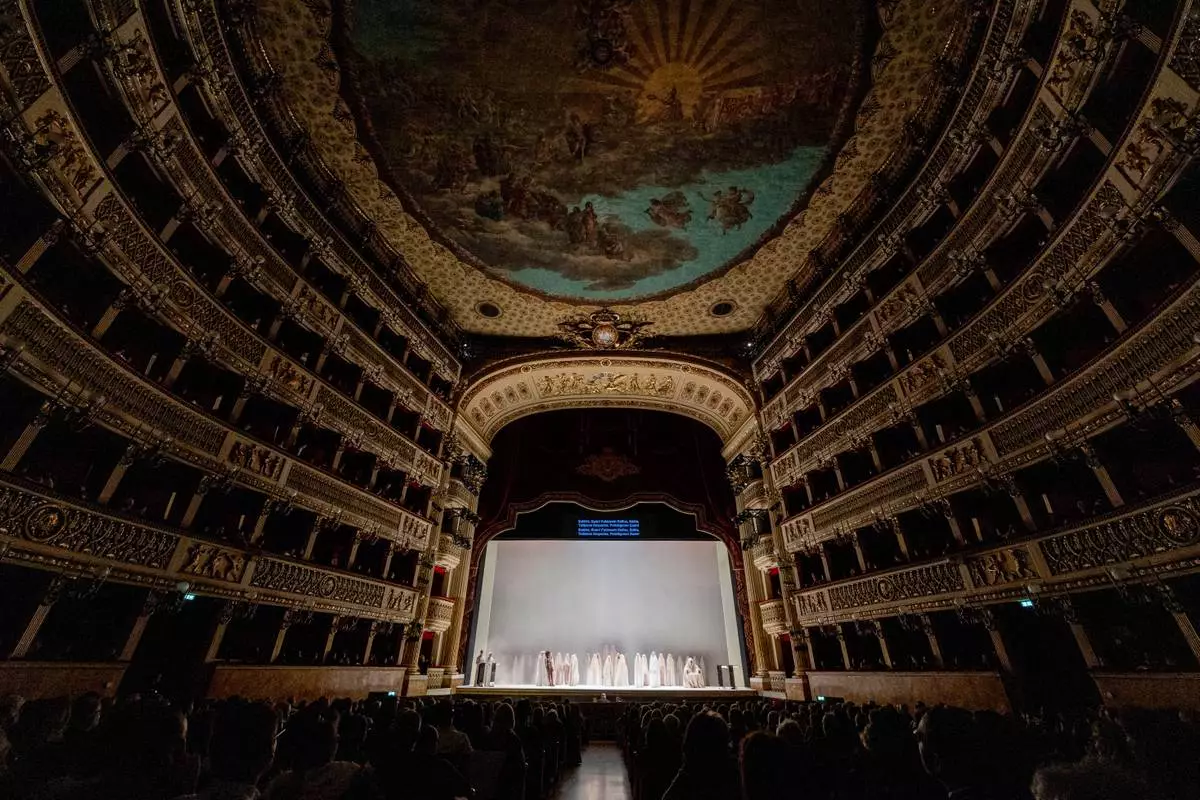
NAPLES, Italy (AP) — At long last, vindication is at hand for an Oscar-winning composer who sought to prove he was just as capable of breathing life into Italy’s grand theaters as gritty Hollywood films.

On Friday night, Naples’ Teatro San Carlo will stage Ennio Morricone’s only opera, “Partenope,” three full decades after its composition. It is inspired by the mythical siren who drowned herself after failing to enchant Ulysses, her body washing ashore and becoming a settlement that grew over millennia into the seaside city of Naples.

When Morricone wrote “Partenope” in 1995, he was already the world-famous creator of the theme to the Spaghetti Western “The Good, the Bad and the Ugly” and haunting soundtracks for epic films such as “The Untouchables” and “Once Upon a Time in America.”

He earned an Oscar for lifetime achievement in 2007, but his compositions never resounded in the hallowed halls of opera houses — viewed in his home country as the elite musical echelon. To his great chagrin, Partenope gathered dust for decades; Morricone died without seeing it performed.

“In the end, he read as a sign of destiny the fact he would not make his debut in the opera world,” Alessandro De Rosa, a close collaborator who coauthored Morricone's autobiography, said in an interview. “I’m sure that if he were alive now, he would have taken the challenge and would have dialogued with the orchestra and the director, tirelessly, like a young kid.”

Director Vanessa Beecroft and conductor Riccardo Frizza had to find their way through the visionary work without the benefit of those notes.

“It would have been wonderful to be able to talk to Morricone about his musical choices … but we had to understand them from what he left us and tried to interpret them in the best way,” Frizza said.

For instance, he chose not to use violins in this orchestra, instead favoring flutes, harps and horns, which appear in Greek mythology, Frizza explained.

“Then you have the modern instruments, lots of percussion, with the Neapolitan sounds provided by tambourines and putipu’,” he added, referencing a friction drum used in local folk music.

Teatro San Carlo was filled with anticipation on Thursday evening as Neapolitans attended an open rehearsal. Free tickets were snapped up in just a few hours.

“It was such a long wait, that’s why we are here today,” said middle-aged Alfonso Ieneroso as he entered the theater.

The mythical Partenope is part of Naples’ culture, with tradition suggesting her voice represents the city’s enduring spirit. The original Greek settlement was named for her. She is depicted at monuments like the Fontana della Sirena, a fountain that has become one of the city's symbols. Young children all along the Gulf of Naples, living under Mount Vesuvius’ shadow, learn the legend of Partenope from their parents.

And like Morricone's opera, Naples itself spent decades downtrodden and overlooked, but is enjoying resurgence: The U.N. recognized its pizza makers as an intangible cultural heritage of humanity; It featured on foreign media lists of must-visit destinations; Elena Ferrante’s Neapolitan novels were acclaimed bestsellers that became an HBO series; and its soccer team in 2023 took home the nation’s top league trophy for the first time since Maradona played in the 1980s — then won again in May.

Naples has also been celebrating its 2,500th anniversary this year, and Morricone’s opera marks the culmination of festivities. The protagonist in his adaptation is a woman who, after her husband dies and she is separated from her best friend, refuses the consolation of being transformed into a distant constellation. Instead, she asks the gods to let her stretch her wings along the gulf on which an immortal city will arise.

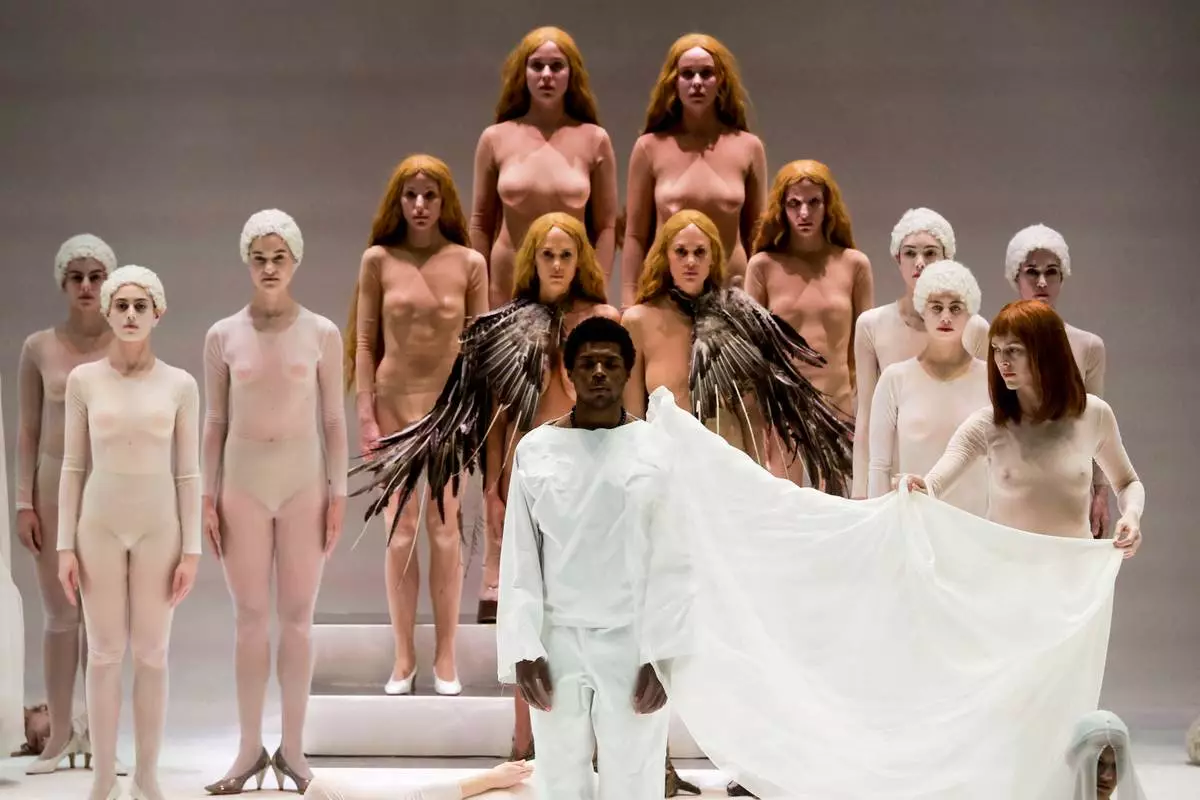
The production explores the link between the ancient legend and the modern city’s identity, as two sopranos embody Partenope simultaneously, reflecting her dual nature as body and myth.

Morricone originally composed the one-act opera — free of charge — to accompany a libretto by authors Guido Barbieri and Sandro Cappelletto for a small festival in Positano, just south of Naples on the Amalfi coast. But it was not to be: the festival went bankrupt and Partenope was shelved.

There were several attempts to revive their work, including one between 1998 and 2000 with the Teatro Massimo of Palermo. But that project ultimately ran aground when a director couldn’t be secured.

“In those years Morricone had the torment of not being accepted as a composer of what he called ‘absolute music,’ as he was identified with his popular movie scores,” Barbieri, one of the libretto’s authors, said in an interview. Cappelletto said that, in a conversation with the two authors in 2017, three years before his death, Morricone appeared “at peace” with his music career.

Partenope has inspired several productions over the centuries, including operas by renowned composers George Frideric Handel and Antonio Vivaldi in the 18th century, and a 2024 movie by Oscar-winning director Paolo Sorrentino. Morricone’s work is finally coming alive to join their ranks.

“It was a great pleasure to listen to Morricone’s music, the real protagonist of this opera,” said Giovanni Capuano, a 26-year-old cinema student, after Thursday's rehearsal. “His spirit is back and has enchanted us.”

Zampano reported from Rome.

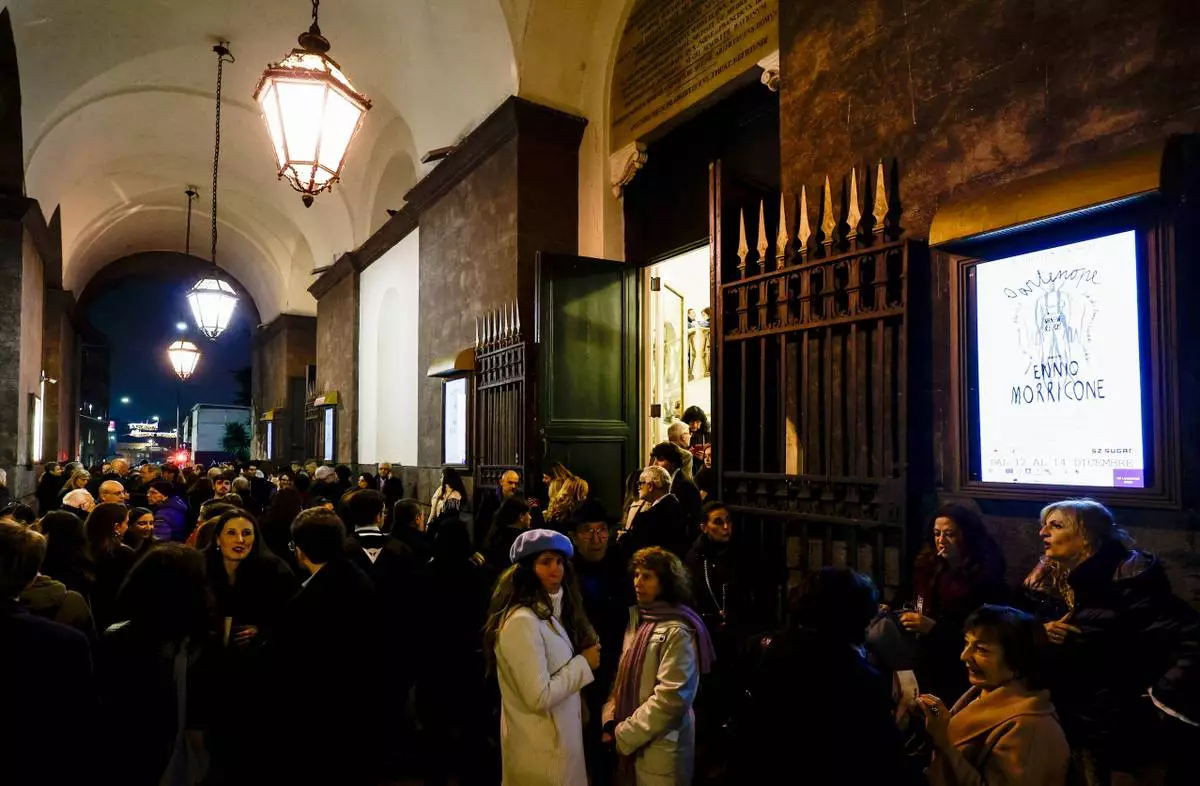
People queue at the San Carlo Theatre, in Naples, Italy, to attend at the general rehearsal of Ennio Morricone's only opera, Partenope, Thursday, Dec. 11, 2025. (AP Photo/Salvatore Laporta)

People queue at the San Carlo Theatre, in Naples, Italy, to attend at the general rehearsal of Ennio Morricone's only opera, Partenope, Thursday, Dec. 11, 2025. (AP Photo/Salvatore Laporta)

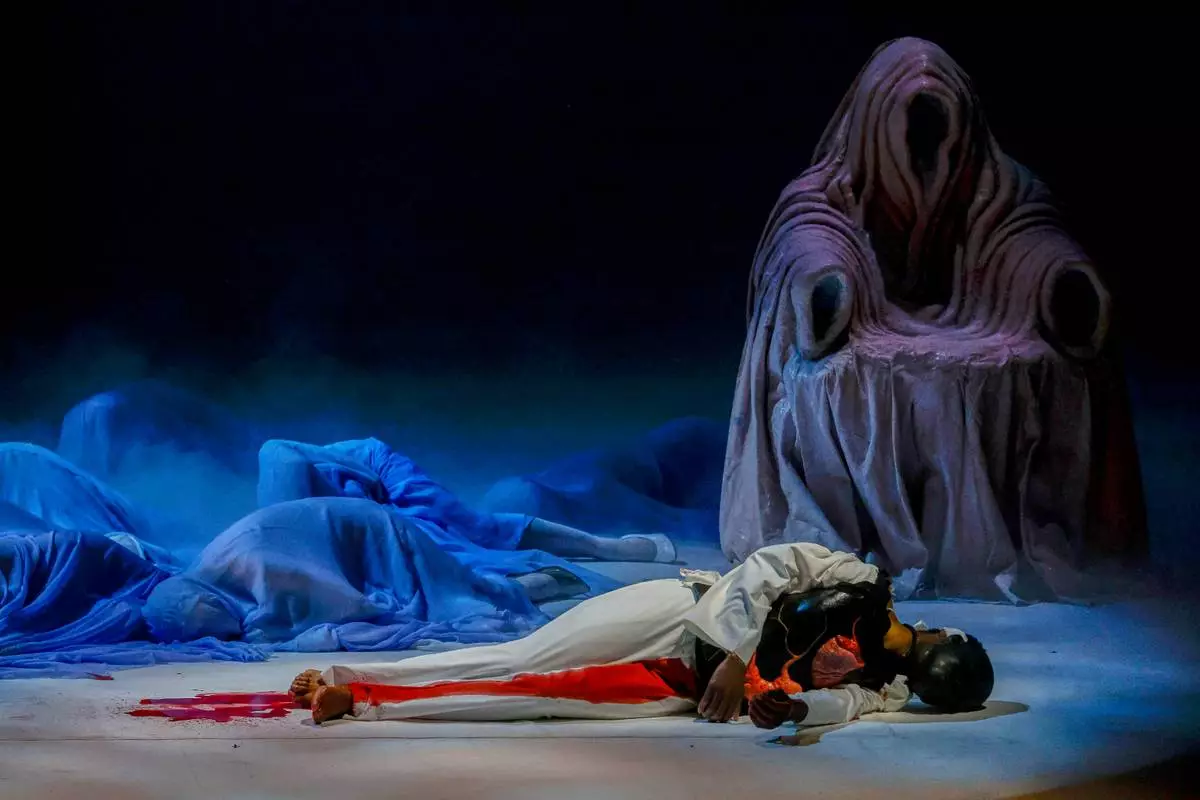
Actors perform during the general rehearsal of Ennio Morricone's only opera, Partenope, at the San Carlo Theatre, in Naples, Italy, Thursday, Dec. 11, 2025. (AP Photo/Salvatore Laporta)

Actors perform during the general rehearsal of Ennio Morricone's only opera, Partenope, at the San Carlo Theatre, in Naples, Italy, Thursday, Dec. 11, 2025. (AP Photo/Salvatore Laporta)

Actors perform during the general rehearsal of Ennio Morricone's only opera, Partenope, at the San Carlo Theatre, in Naples, Italy, Thursday, Dec. 11, 2025. (AP Photo/Salvatore Laporta)

Actors perform during the general rehearsal of Ennio Morricone's only opera, Partenope, at the San Carlo Theatre, in Naples, Italy, Thursday, Dec. 11, 2025. (AP Photo/Salvatore Laporta)

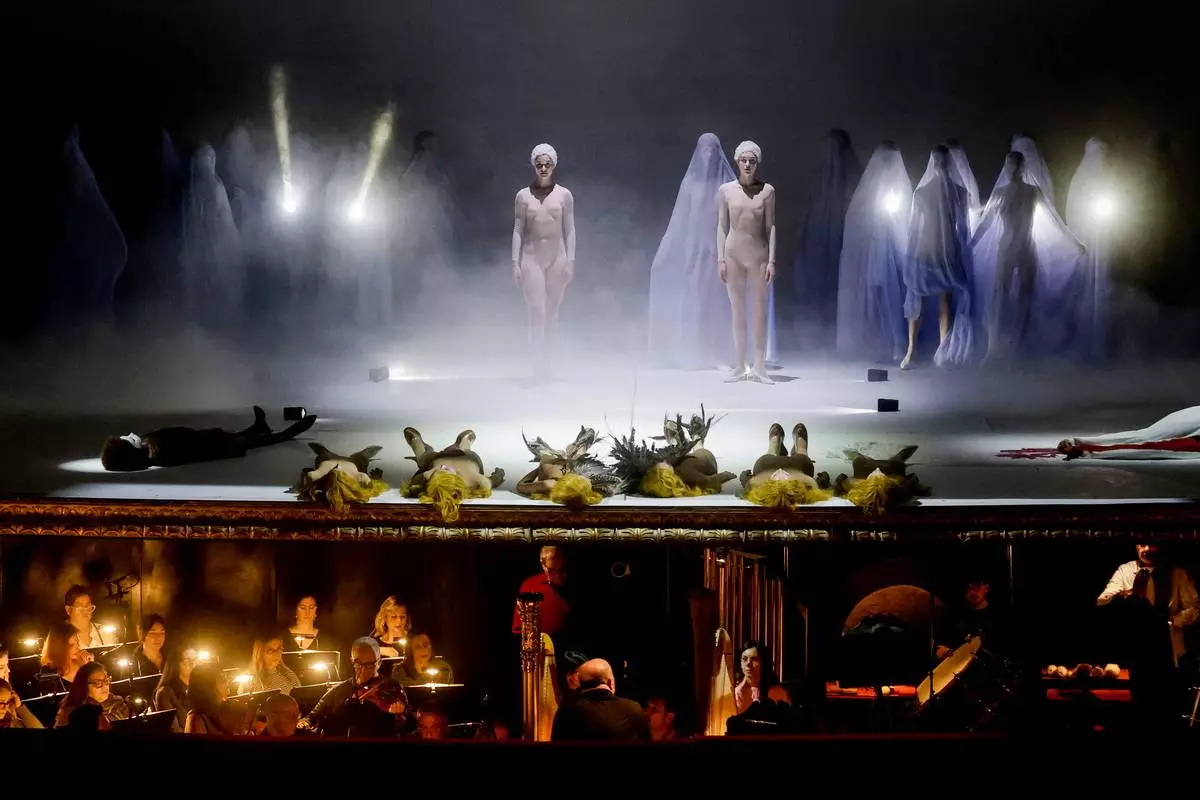
EDS NOTE: NUDITY - Actors perform during the general rehearsal of Ennio Morricone's only opera, Partenope, at the San Carlo Theatre, in Naples, Italy, Thursday, Dec. 11, 2025. (AP Photo/Salvatore Laporta)

EDS NOTE: NUDITY - Actors perform during the general rehearsal of Ennio Morricone's only opera, Partenope, at the San Carlo Theatre, in Naples, Italy, Thursday, Dec. 11, 2025. (AP Photo/Salvatore Laporta)

Actors perform during the general rehearsal of Ennio Morricone's only opera, Partenope, at the San Carlo Theatre, in Naples, Italy, Thursday, Dec. 11, 2025. (AP Photo/Salvatore Laporta)

Actors perform during the general rehearsal of Ennio Morricone's only opera, Partenope, at the San Carlo Theatre, in Naples, Italy, Thursday, Dec. 11, 2025. (AP Photo/Salvatore Laporta)

Recommended Articles