A Canadian historian has shed light on how the horrors of the Nanjing Massacre were largely forgotten in North America, making it susceptible for distortion and denial of crucial facts.
In an interview with China Media Group (CMG), David Wright, an associate professor at the Department of History in the University of Calgary's Faculty of Arts, emphasized that the truth of the massacre in Nanjing is beyond dispute, yet several generations later, the West has not adequately preserved the memories of this history.
"My mother's and father's generation, they were alive when the Rape of Nanking happened. They were horrified to listen to reports on radios. And especially after the war was over, when the Tokyo war crime trials began, a lot more detail about the Rape of Nanking came out. In North America, the wartime generation remembered it and remembered it well. But then the next generation, my generation, baby boomers, that abhorrence was not passed on to us adequately well," Wright said.
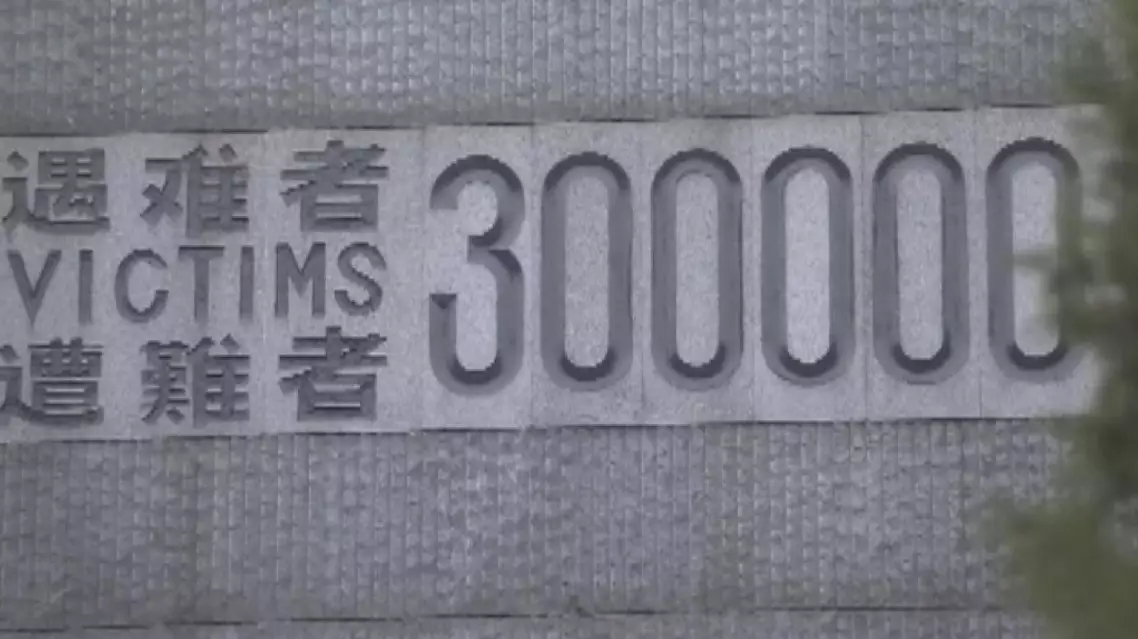
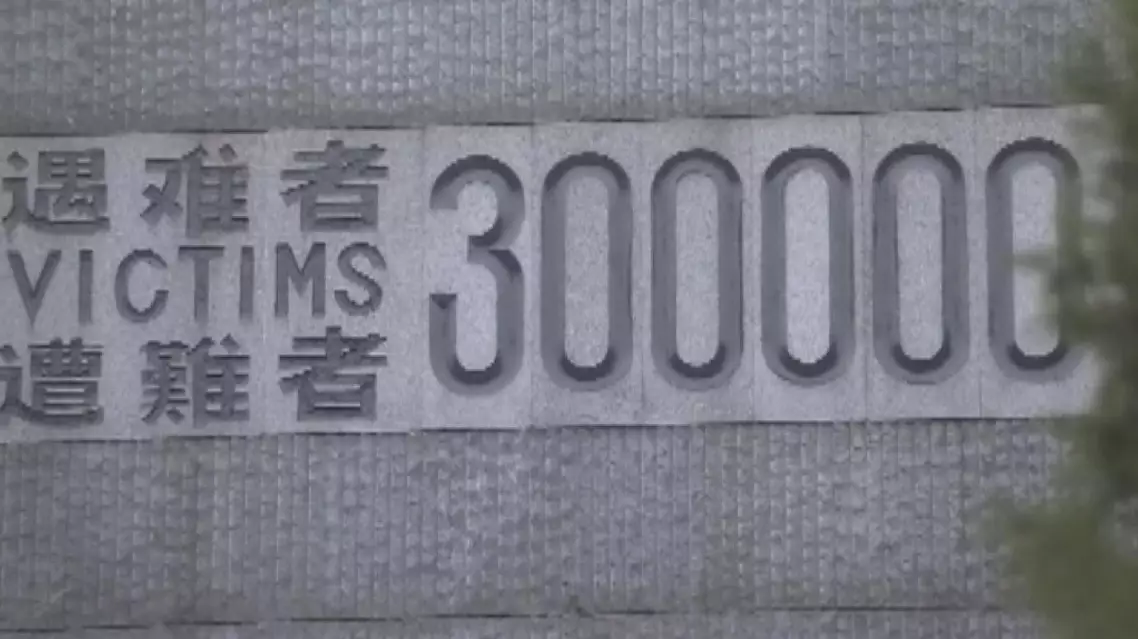
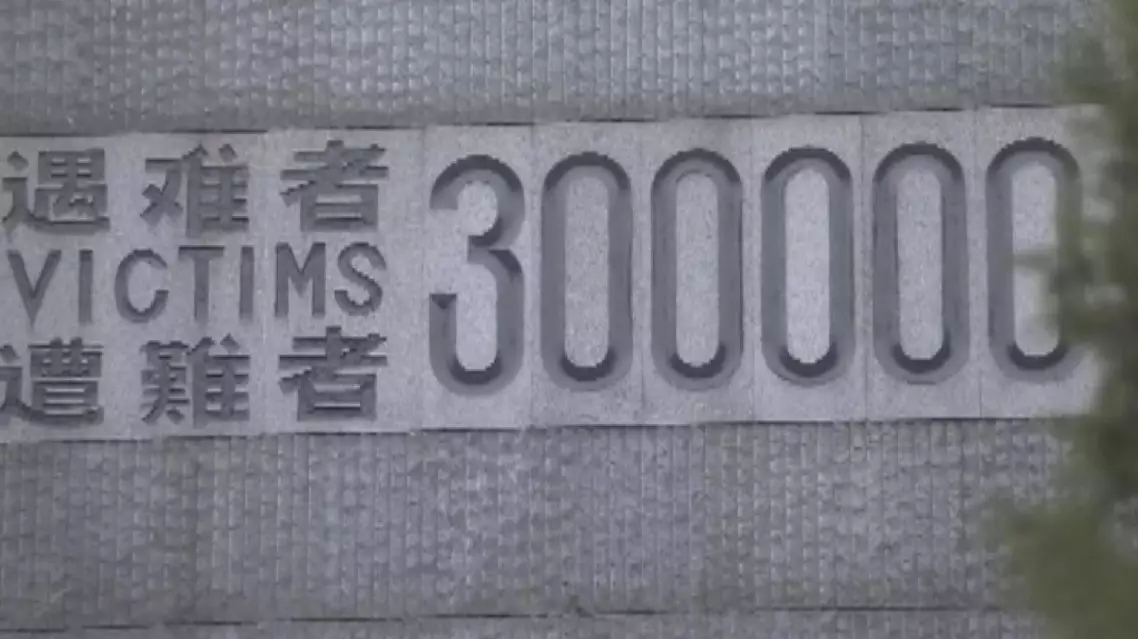
The notorious Nanjing Massacre by Japanese troops led to over 300,000 deaths in 1937. According to the historian, the accuracy of this figure is supported by a robust body of evidence, but Japan's right-wing forces have nonetheless attempted to deny the number of victims as well as the severity of the crimes. Often, these claims rely on the absence of physical remains of the victims.
"They're dumped into the river. They're burned, a lot of them. You cannot find the remains. So they think they can find one or two errors you've made about photographs and from that conclude that the entire Rape of Nanking never happened. It's just nonsense. There is abundant evidence that something very, very terrible did happen in Nanjing," Wright said.
"And the people who deny it, I mean, historically they are nihilists. For them, history is all about image, not about fact. And if that thing really did happen in Nanjing, that's an inconvenient fact and they want to try to erase it by denying it," he added.
The Nanjing Massacre occurred after Japanese troops captured the then-Chinese capital on Dec. 13, 1937. Over six weeks, they killed approximately 300,000 Chinese civilians and unarmed soldiers in one of the most barbaric episodes of World War II.
Truth of Nanjing Massacre allows no distortion: Canadian historian
Truth of Nanjing Massacre allows no distortion: Canadian historian
Truth of Nanjing Massacre allows no distortion: Canadian historian