China has committed to establishing a full-chain system covering major areas of education, health insurance, nursing, and the birth rate, in accordance with the requirements and arrangements set out by the annual Central Economic Work Conference.
The conference was held in Beijing from Wednesday to Thursday as Chinese leaders decided on priorities for the economic work in 2026.
It was noted at the meeting that, by prioritizing people's livelihoods, practical measures will be taken to deliver for the people.
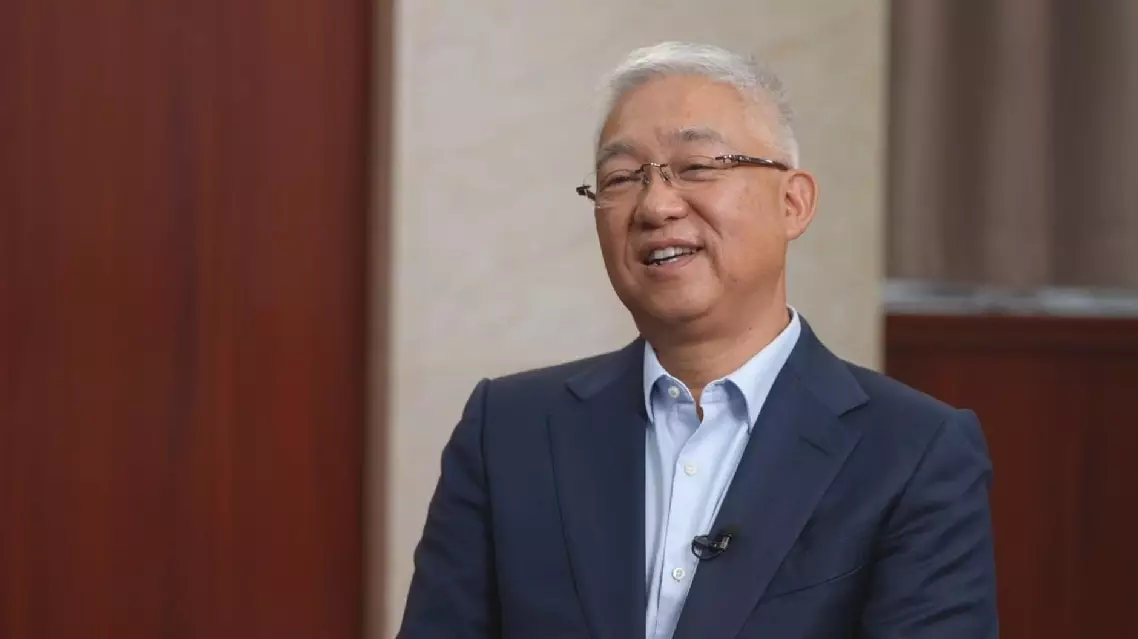
In terms of elderly care, Liu Xu, director of the Social Development Institute under the Chinese Academy of Macroeconomic Research, said that, with the increasing number of elderly people and those with disabilities in the country, solving the problem of ensuring that the elderly receive adequate care in their old age is an important task in actively responding to population aging.
"China has already carried out pilot projects for the long-term care insurance system, acquiring rich experience in the process. The conditions for promoting this system are now favorable. Establishing a long-term care insurance system will further expand coverage areas and the populations eligible for long-term care insurance. This initiative will not only alleviate the financial burden on families caring for elderly individuals with disabilities but also generate a significant multiplier effect on the development of elderly care services," said Liu.
To promote adjustments to the layout and structure of educational resources, the meeting proposed increasing the supply of general high school places and high-quality undergraduate enrollment.
Liu said that, in the current period and for the foreseeable future, the demand for both high school and higher education qualifications will continue to expand as China's school-age population structure evolves. He believes that the policy will better fulfill children's aspirations for improved education and accelerate the implementation of measures to strengthen education.
Speaking of other policies to intensify efforts to ensure and improve people's livelihood, Liu said that a social security framework is being established, identifying the direction for livelihood work in 2026."
"The meeting advocates a positive view of marriage and childbearing, which helps stabilize the foundation for long-term, balanced population development. It also emphasizes the need to strengthen care and assistance for vulnerable groups, contributing to the formation of a stable social security net. These policies form a full-chain security system for people's livelihood, covering employment, marriage and childbearing, education, medical insurance, and care and assistance, while pointing out the direction for people's livelihood work next year," said Liu.

China commits to building full-chain system for ensuring people's livelihood