A deadly on-campus shooting at Brown University in Providence, the U.S. state of Rhode Island, has left at least two students dead and nine others injured, sending shockwaves across the Ivy League school and reigniting debate over gun violence in the U.S.
Fear and grief gripped Brown University on Saturday afternoon after a mass shooting shattered the calm of a campus preparing for winter break, when a gunman opened fire inside an engineering building during an economics exam.
Police now have a person of interest in custody, a 24-year-old former U.S. Army member, arrested in a hotel room in Coventry, about 25 minutes from the campus. Authorities are being tight-lipped about details, citing the sensitive nature of the investigation.
Walking through campus hours after the lockdown was lifted, students described feelings of terror and disbelief.
"At some moments, we thought we were going to fight. We made makeshift weapons down in that basement. We were prepared to go out and defend ourselves, and I've never experienced something like that," said Ben Peckham, a student.
Concerned parents are demanding answers about how an armed individual was able to access students during class, while police have yet to confirm whether the suspect had any direct ties to the university,
"Brown has been an icon in this city. I think this is an unfortunate incident, but I tell the parents that if their kids are going to come to this city, be sure we're going to do what we need to ensure that they are safe," said Providence Police Chief Oscar Perez.
For many students, the shooting shattered a sense of distance from the frequent gun violence seen elsewhere in America.
"We hear stories like this all the time on the news, but it always seems so far away. It's in Nevada, it's in Virginia. It's always in the periphery. It's never in the immediate," said Wilberto Mercedes, a student.
As the investigation continues, university officials have canceled most exams for the remainder of the semester, allowing students to return home early.
A candlelight vigil was held Sunday evening despite freezing temperatures, a community gathering to grieve, remember, and demand answers following yet another mass shooting in the U.S.
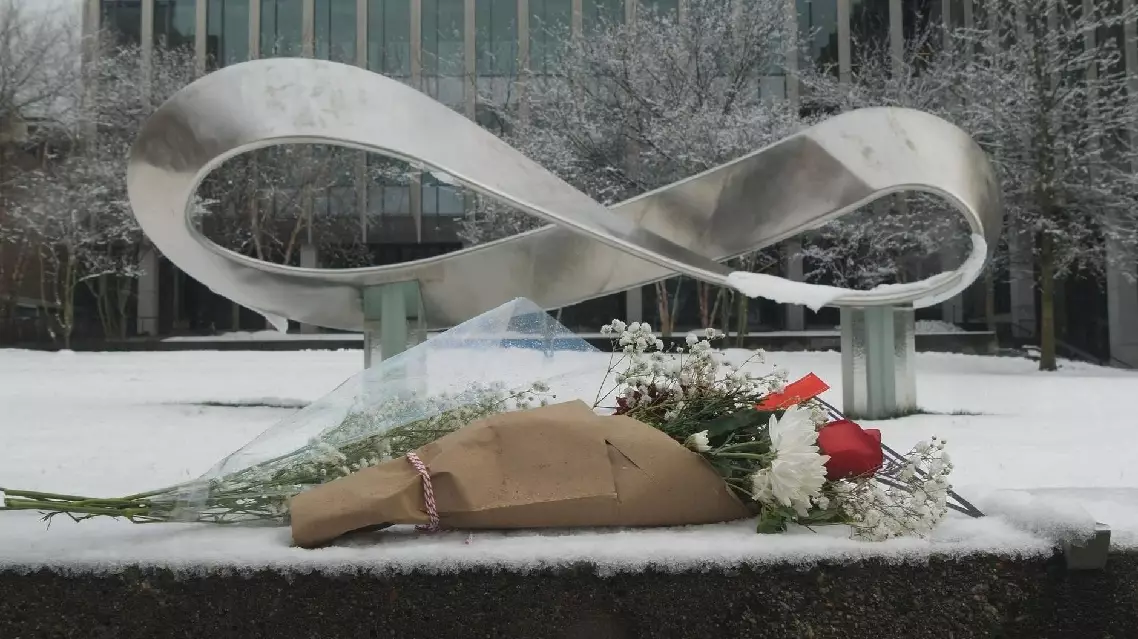
2 dead, 9 wounded in Brown University shooting
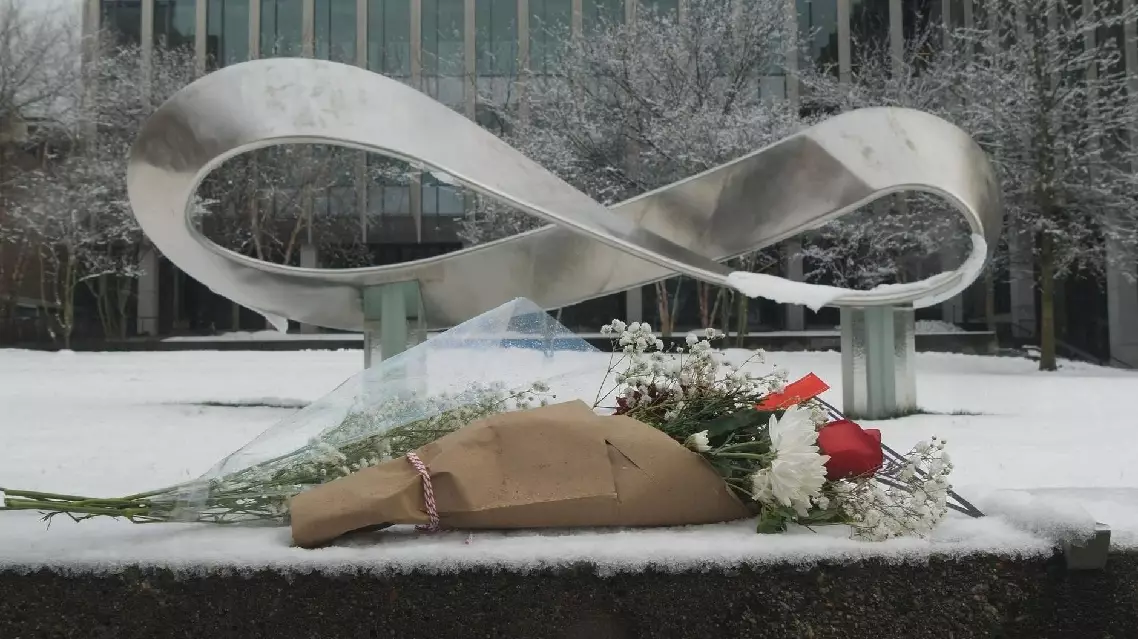
2 dead, 9 wounded in Brown University shooting
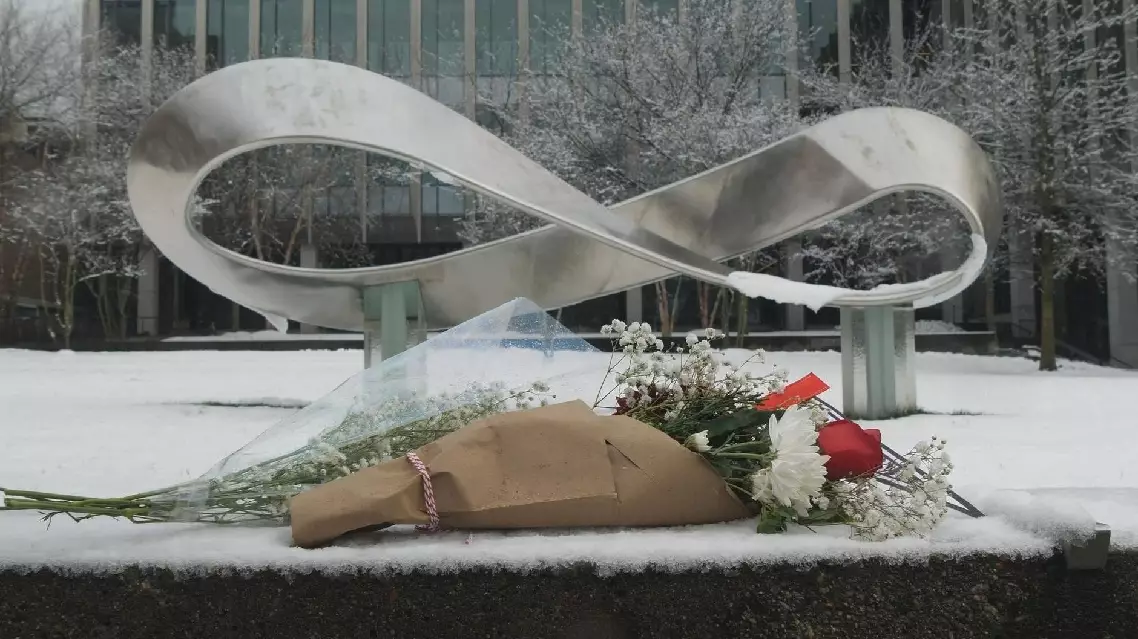
2 dead, 9 wounded in Brown University shooting
Analysts have warned of more significant economic pain for Lebanon after its conflict with Israel reignited this month amid wider Middle East tensions, with many expecting the new flare up to have a devastating impact on the country's economy.
Joint U.S.-Israeli strikes on Iran starting on Feb 28 have since spiraled into a wider conflict as Iran fired back with retaliatory strikes on numerous targets across the region, with fears growing over mounting casualties, continued disruption, and far-reaching political and security repercussions.
Lebanon became directly involved in the conflict after Hezbollah fired rockets at Israel last week, prompting Israeli airstrikes and the capture of several positions in southern Lebanon.
The death toll from Israeli attacks in Lebanon since March 2 has risen to 486, with more than 1,300 others injured, Lebanon's Ministry of Public Health said on Monday.
Israel is increasing its deployment of troops and tanks near its border with Lebanon as it intensifies its battle against Hezbollah. Meanwhile, Hezbollah has pledged that it will not back down, despite the Lebanese government's declaration that its military activities are illegal.
The ongoing fighting has already displaced over half a million people, and analysts are now concerned that the Israeli airstrikes and the resulting exodus will severely impact the Lebanese economy.
"The conflict has erupted, and no one knows its full impact for now because we don't know how long it will last. If it continues for a long time, our economy can fall to figures below zero because we will lose all activity we have recovered. This means someone holding the Lira currency will hesitate to spend it because no one knows how this conflict will end," said Mohamed Shams Eldin, an author and researcher for Information International, an independent regional research and consultancy firm based in Beirut.
"All companies and traders prefer cash payments for their goods and services on the spot. The cash economy has deepened amid the current crisis, and the country is in a standstill. Foreign investors are avoiding Lebanon. I think they stay away because of the lack of trust. They fear they will lose their money, and if we face a crisis every year or year and a half, investors will prefer to put their money into other countries," said economic analyst Nadim Al Sabeh.
Lebanon has been grappling with numerous challenges in recent years, beginning with a wide-ranging financial crisis which plunged the country into severe debt. This was then exasperated by the COVID-19 pandemic and a catastrophic explosion at Beirut's port in 2020, before a series of conflicts between Hezbollah and Israel starting in 2023 brought more misery.
The current conflict with Israel has disrupted many economic operations, leading to widespread displacement and putting pressure on the government to cover the costs. For a services-oriented economy like Lebanon's, this now threatens an economic collapse.
"Given the current circumstances, Lebanon doesn't have millions of tourists like Egypt or Türkiye. Therefore, remittances are the foundation of our economy. One million Lebanese citizens, or 250,000 families rely on these remittances. It's why the U.S. dollar cash flow in the market here surpasses that of any other country -- people have lost trust in banks," said Eldin.
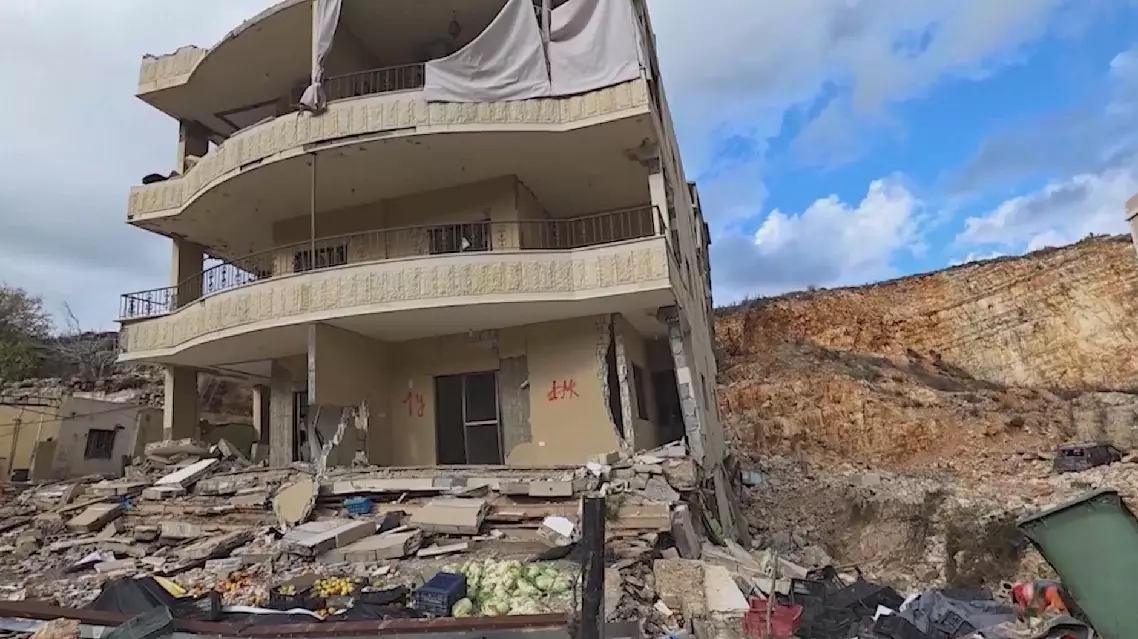
Renewed fighting with Israel threatens to collapse Lebanese economy: analysts