China's policies on large-scale equipment upgrades and consumer goods trade-in programs have significantly boosted consumption and led to increases in investment, said a spokesman for the National Bureau of Statistics (NBS) on Monday.
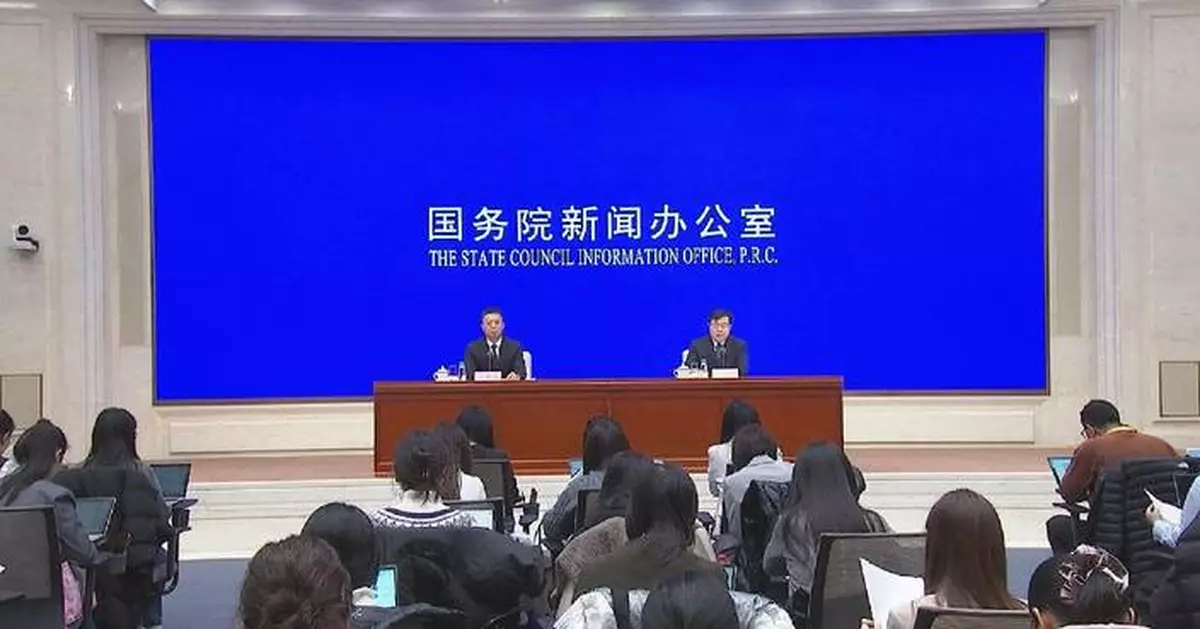
Fu Linghui, the NBS spokesman and chief economist, made the statement at a press conference in Beijing on China's national economic performance in November.
The trade-in programs have shown promising results, driving sales of home appliances, communications devices, and related consumer goods. From January to November, retail sales of household appliances, audio-visual equipment, cultural and office supplies, and communication products of businesses above the designated size grew by 14.8 percent, 18.2 percent, and 20.9 percent, respectively, compared to the same period of last year.
Meanwhile, the policies on large-scale equipment upgrades have spurred increased investment in key areas. In the first 11 months, investment in machinery and equipment purchases rose by 12.2 percent year on year, contributing to a 1.8 percentage point rise in overall investment growth.
"The policies on large-scale equipment upgrades have produced favorable outcomes. Enterprises are more actively promoting equipment renewal and accelerating transformation and upgrading efforts, and equipment investment has grown rapidly, which has not only promoted increase in investment, but is conducive to enhancing the competitiveness of enterprises," Fu said.
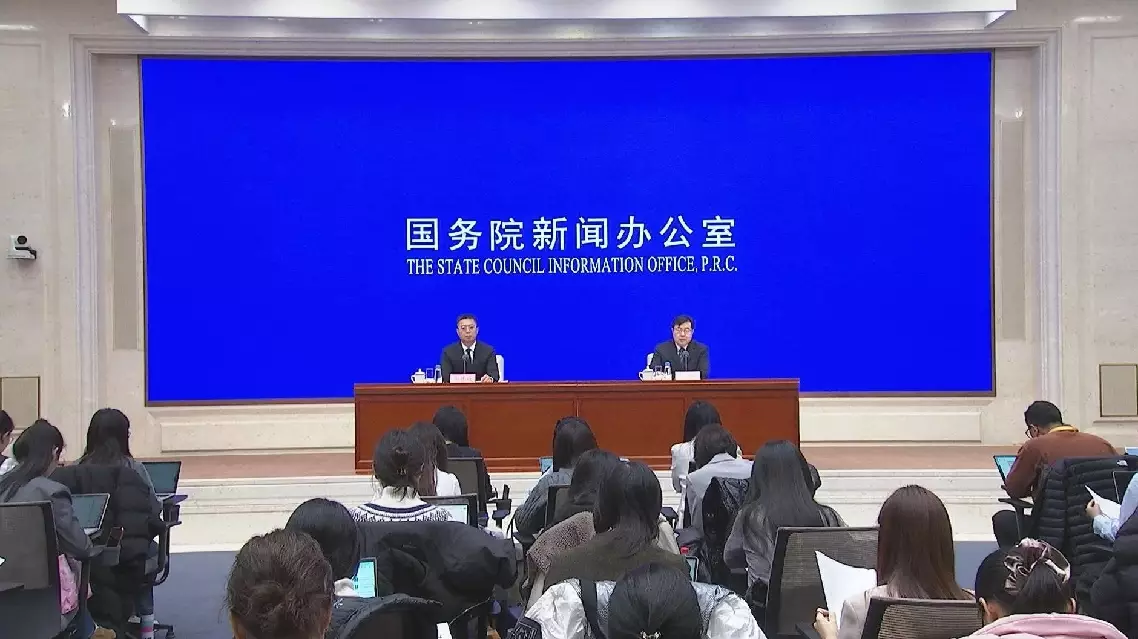
China's equipment upgrade, consumer goods trade-in programs boost consumption: spokesman
The sixth China-Russia Media Forum, which was held in Beijing on Tuesday, discussed promoting friendship between and supporting development of the two countries through media cooperation.
Li Shulei, who is a member of the Political Bureau of the Communist Party of China (CPC) Central Committee and head of the Publicity Department of the CPC Central Committee, attended the forum and delivered a keynote speech.
Attendees said that under the strategic guidance of heads of the two countries, China-Russia relations have maintained stable, healthy and high-level development, creating a model for a new type of international relations and relations between neighboring major countries.
In May this year, the heads of state of the two countries signed and issued a joint statement on further deepening the China-Russia comprehensive strategic partnership of coordination for a new era, explicitly proposing deepened cooperation in the media sector between the two countries.
The media sectors of China and Russia should fully implement the important consensus reached between the heads of state, adhere consistently to the general direction of the China-Russia friendship, and foster a positive public opinion atmosphere for the common development of China and Russia, attendees said.
They also said that the media of the two countries should focus on major issues such as the alignment of China's 15th Five-Year Plan with Russia's economic and social development strategies, and report in depth on achievements of mutually beneficial cooperation in various fields.
They noted that the media should build bridges of people-to-people connectivity, promote exchange and mutual learning between the Chinese and Russian civilizations, join hands to address the challenges of digital and intelligent transformation, and work together to enhance the influence of the media.
The forum was hosted by the Publicity Department of the CPC Central Committee and the Russian Presidential Executive Office, and organized by China's Xinhua News Agency and Russia's TASS News Agency.
Approximately 140 officials and media representatives from both countries attended the forum. During the event, the two sides signed 11 documents on deepening media cooperation between China and Russia.
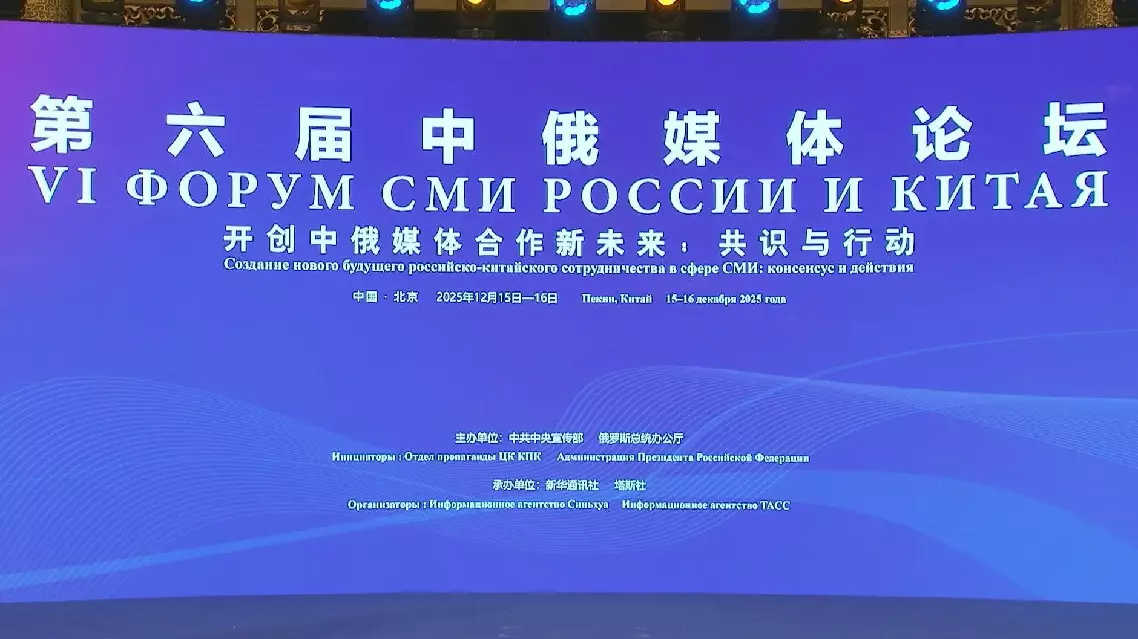
6th China-Russia Media Forum eyes supporting development of both countries