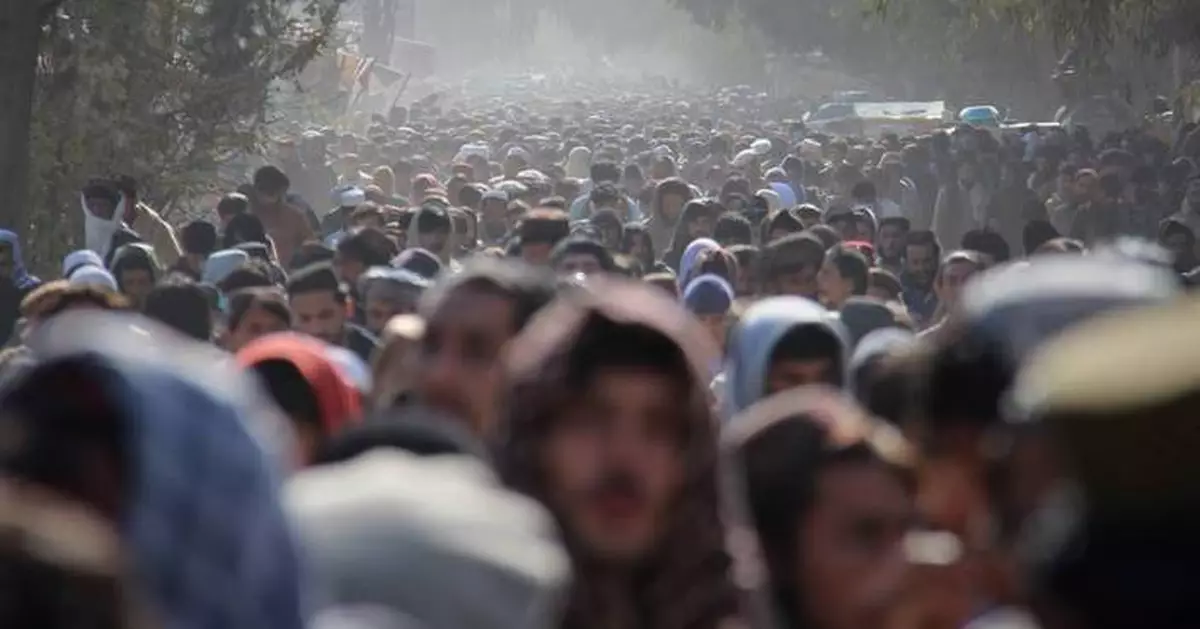
GENEVA (AP) — More than 17 million people in Afghanistan are facing crisis levels of hunger in the coming winter months, the leading international authority on hunger crises and the U.N. food aid agency warned Tuesday.
The number at risk is some 3 million more than a year ago.
Economic woes, recurrent drought, shrinking international aid and and influx of Afghans returning home from countries like neighboring Iran and Pakistan have strained resources and added to the pressures on food security, reports the Integrated Food Security Phase Classification, known as IPC, which tracks hunger crises.
“What the IPC tells us is that more than 17 million people in Afghanistan are facing acute food insecurity. That is 3 million more than last year,” said Jean-Martin Bauer, director of food security at the U.N.'s World Food Program, told reporters in Geneva.
"There are almost 4 million children in a situation of acute malnutrition,” he said by video from Rome. “About 1 million are severely acutely malnourished, and those are children who actually require hospital treatment.”
Food assistance in Afghanistan is reaching only 2.7% of the population, the IPC report says — exacerbated by a weak economy, high unemployment and lower inflows of remittances from abroad — as more than 2.5 million people returned from Iran and Pakistan this year.
More than 17 million people, or more than one-third of the population, are set to face crisis levels of food insecurity in the four-month period through to March 2026, the report said. Of those, 4.7 million could face emergency levels of food insecurity.
An improvement is expected by the spring harvest season starting in April, IPC projected.
The U.N. last week warned of a “severe” and “precarious” crisis in the country as Afghanistan enters its first winter in years without U.S. foreign assistance and almost no international food distribution.
Tom Fletcher, the U.N. humanitarian chief, told the Security Council on Wednesday that the situation has been exacerbated by “overlapping shocks,” including recent deadly earthquakes, and the growing restrictions on humanitarian aid access and staff.
While Fletcher said nearly 22 million Afghans will need U.N. assistance in 2026, his organization will focus on 3.9 million facing the most urgent need of lifesaving help in light of the reduced donor contributions.
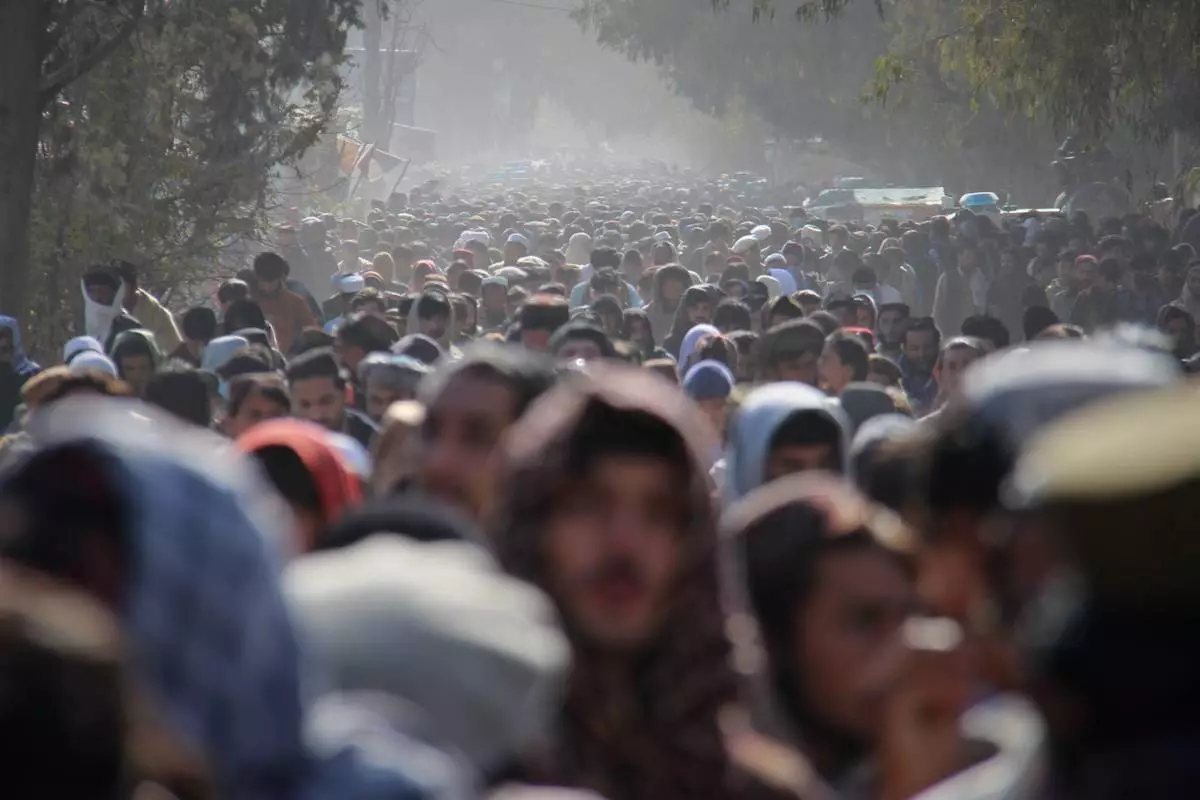
FILE - A crowd leaves a stadium after attending the public execution, carried out by Taliban authorities, in Khost, Afghanistan, Tuesday, Dec. 2, 2025. (AP Photo/Saifullah Zahir, File)
He's done it again. Nikola Jokic will average a triple-double this season.
The Denver star had 15 points, 17 rebounds and 12 assists on Wednesday, helping the Nuggets beat the Utah Jazz 130-117.
Jokic now has exactly 660 assists this season. Denver has five games left and if Jokic plays in them all, he would average 10.0 assists — even if he doesn't get another one all season. He's already ensured that he would average double-figures in points and rebounds as well.
Russell Westbrook had four seasons in which he averaged a triple-double. Jokic has now done it twice — he did it last season as well — and Oscar Robertson did it once.
Westbrook, Jokic and Robertson are the only players who have pulled it off.
The Lakers and Denver both clinched playoff spots on Tuesday night. They join Detroit, Boston, New York, Oklahoma City and San Antonio on the list of teams with playoff spots secured.
The postseason (not playoff) teams are set: Milwaukee, Chicago, Washington, Brooklyn and Indiana have all been eliminated from the Eastern Conference race while Memphis, New Orleans, Dallas, Utah and Sacramento are out of the Western Conference race.
Portland, Golden State and the Los Angeles Clippers are locked into the play-in tournament.
— 76ers 153, Wizards 131: Paul George scores 39, Philly shoots 62% and moves into No. 6 in East.
— Hawks 130, Magic 101: Atlanta improves to 17-2 in last 19 games, while Orlando falls to No. 9 in East.
— Celtics 147, Heat 129: Boston scores 53 in 1st quarter, Jaylen Brown has 43, Jayson Tatum triple-double.
— Knicks 130, Grizzlies 119: New York responds to Josh Hart’s pleas for better play, gets easy win.
— Kings 123, Raptors 115: Bad loss for Toronto, which gets outrebounded 48-32 and falls to No. 7 in the East.
— Pacers 145, Bulls 126: Did anyone in the NBA play any defense on Wednesday night?
— Rockets 119, Bucks 113: Spirited effort from seriously short-handed Bucks, but Houston’s starters outscore Milwaukee’s 101-80.
— Nuggets 130, Jazz 117: Jamal Murray had 37 for Denver, Nikola Jokic added another triple-double and Utah used only eight players in the game.
— Spurs 127, Warriors 113: A 41-point, 18-rebound game for MVP hopeful Victor Wembanyama, and San Antonio improves to 26-2 since Feb. 1.
— Phoenix at Charlotte: Devin Booker had 30 points, 10 assists in Phoenix win over Charlotte last month.
— Minnesota at Detroit: Detroit just keeps rolling, even with Cade Cunningham sidelined.
— L.A. Lakers at Oklahoma City: Matchup of MVP contenders in Lakers' Luka Doncic, Thunder’s Shai Gilgeous-Alexander.
— Cleveland at Golden State: Warriors know they’re in West play-in, while Cavs are on brink of clinching East top-4 seed.
— New Orleans at Portland: Pelicans building toward next season, Blazers could host a play-in game.
— San Antonio at L.A. Clippers: Spurs still chasing that No. 1 seed, Clippers know they’ll be in play-in.
— Indiana at Charlotte: A winning record this season is going to get Hornets’ coach Charles Lee some award votes.
— Minnesota at Philadelphia: Massive implications seeding-wise for both teams.
— Atlanta at Brooklyn: Hawks closing in on Southeast Division title, possibly No. 5 seed.
— Chicago at New York: Knicks nearing the 50-win mark yet again.
— Utah at Houston: The Rockets know they can’t afford a slipup in this spot.
— Toronto at Memphis: Raptors need a few wins down the stretch to avoid play-in.
— Boston at Milwaukee: Bucks coach Doc Rivers faces his former team, a day before expected Hall of Fame formal announcement.
— Orlando at Dallas: Magic coach Jamahl Mosley enjoyed a lot of nights when he was on the Mavs’ staff. He desperately needs one of those good nights here.
— New Orleans at Sacramento: A pair of teams building for the future.
Thursday's games on Prime: Minnesota-Detroit and L.A. Lakers-Oklahoma City.
Friday on NBA TV: Chicago-New York.
Oklahoma City (+135) is favored to win the NBA title, according to BetMGM Sportsbook, followed by Boston (+600), San Antonio (+600), Cleveland (+1000), Denver (+1100) and New York (+1600). Detroit, on its way to the No. 1 seed in the East, is +2500.
— April 10: All 30 teams play their 81st games of the season.
— April 12: All 30 teams play their regular season finales.
— April 14, 15 and 17: NBA play-in tournament dates.
— April 18 and 19: NBA playoff series openers.
— May 2, 3 or 4: Conference semifinals begin.
— May 10: NBA draft lottery.
— May 10-17: NBA draft combine.
— May 17 or 19: Eastern Conference finals begin on ESPN and ABC.
— May 18 or 20: Western Conference finals begin on NBC and Peacock.
— June 3: Game 1, NBA Finals on ABC. (Other finals dates: June 5, June 8, June 10, June 13, June 16 and June 19).
Sacramento's DeMar DeRozan passed Dominique Wilkins (26,668) for 17th on the NBA's all-time scoring list on Wednesday in Toronto. He's now 22 points behind No. 16 Oscar Robertson (26,710).
No team in NBA history had made 24 3-pointers and lost by more than 11 points. (Most hadn't lost at all; the record for teams with 24 or more 3s was 117-9). That is, until Wednesday, when Miami made 24 3s ... and lost by 18 to Boston.
AP NBA: https://apnews.com/nba
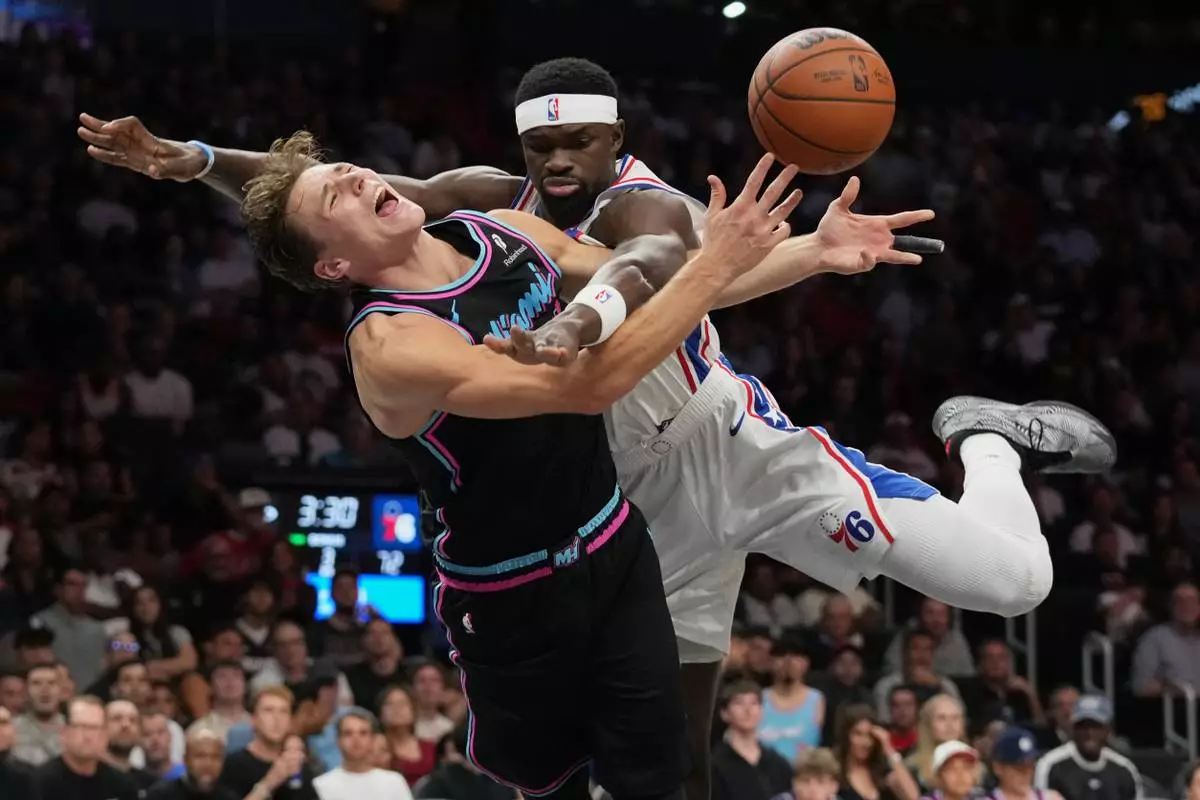
Miami Heat guard Pelle Larsson, left, is fouled by Philadelphia 76ers center Adem Bona, right, during the second half of an NBA basketball game, Monday, March 30, 2026, in Miami. (AP Photo/Lynne Sladky)
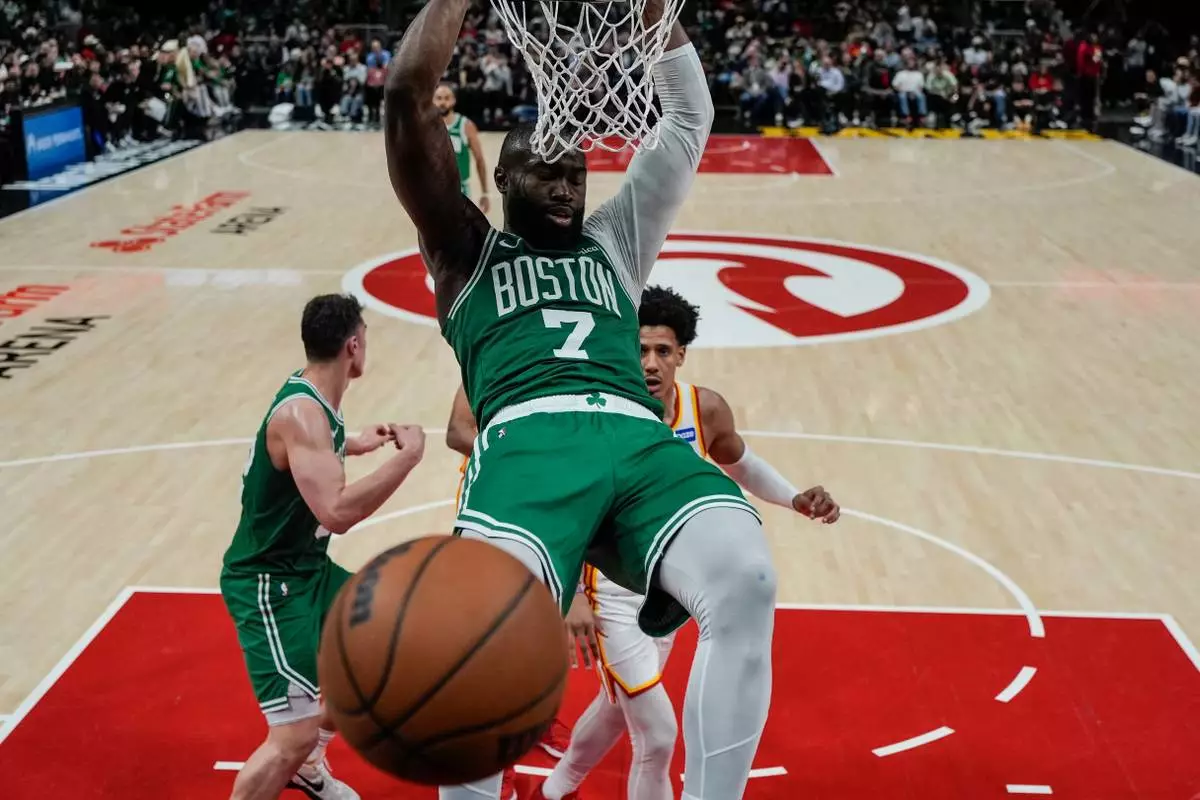
Boston Celtics guard Jaylen Brown (7) dunks against the Atlanta Hawks in the second half of an NBA basketball game, Monday, March 30, 2026, in Atlanta. (AP Photo/Mike Stewart)
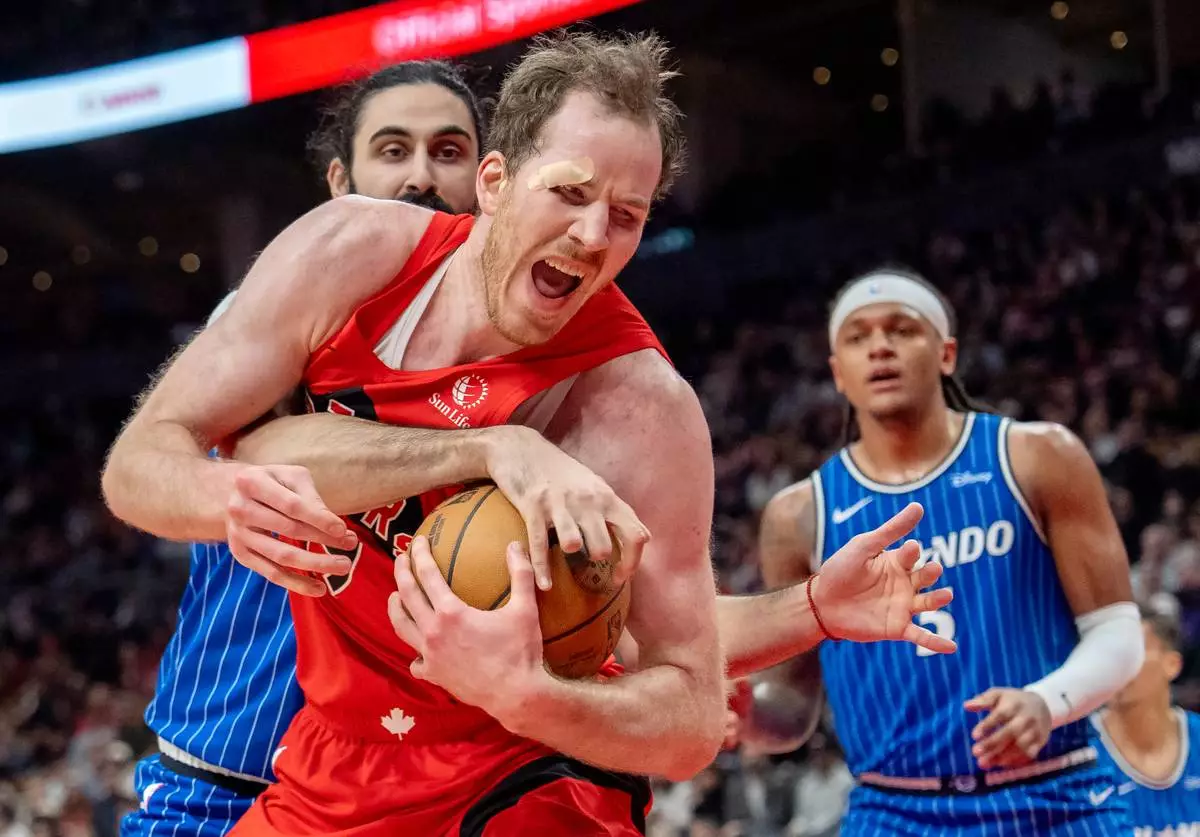
Toronto Raptors centre Jakob Poeltl (front) is fouled by Orlando Magic centre Goga Bitadze (back left) as Magic forward Paolo Banchero (right) looks on during first half NBA action in Toronto on Sunday, March 29, 2026. (Frank Gunn/The Canadian Press via AP)
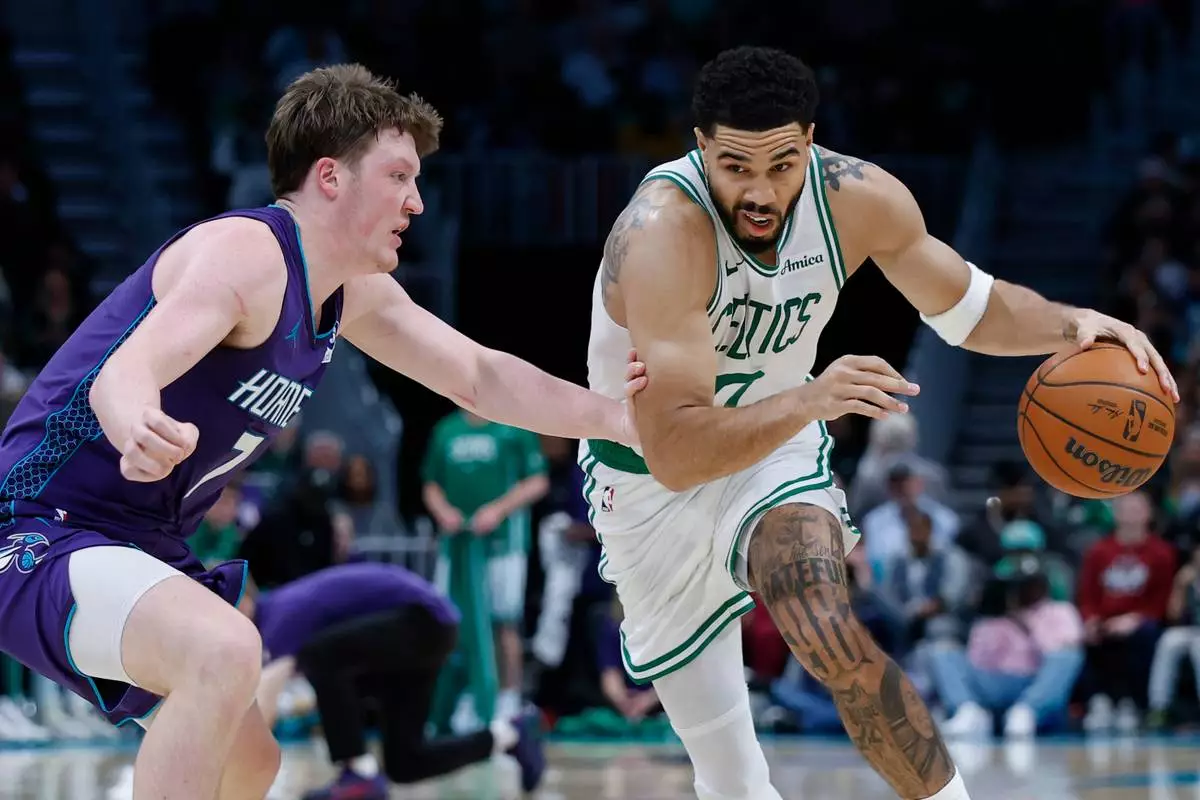
Boston Celtics forward Jayson Tatum, right, drives against Charlotte Hornets guard Kon Knueppel during the second half of an NBA basketball game in Charlotte, N.C., Sunday, March 29, 2026. (AP Photo/Nell Redmond)