Skip to Content Facebook Feature Image

PwC sees a promising outlook for China's consumer markets, as the upper middle-income population grows

HK

PwC sees a promising outlook for China's consumer markets, as the upper middle-income population grows
HK

HK

PwC sees a promising outlook for China's consumer markets, as the upper middle-income population grows

2025-12-18 11:18 Last Updated At:11:25

PwC Hong Kong has today released two reports that provide comprehensive insights into consumer market dynamics in China. Strategic imperatives to advance category management and private brands emphasises the need for greater use of category management and private brands to develop China’s retail sector. Meanwhile, PwC’s Voice of the consumer 2025 global survey China report - The new Chinese consumer: food, health, and sustainability aims to guide retailers through intense competition and changing consumer behaviours.

AP Photo

AP Photo

A positive outlook despite a challenging retail market

Retailers in China are navigating a challenging landscape characterised by weak consumer sentiment and fierce price competition. Many are grappling with the transition from traditional brick-and-mortar operations to an omni-channel presence, while also seeking ways to significantly reduce their dependence on ‘slotting fee’ income models – where retailers charge brands for a particular physical or online location.

In these two reports, PwC has identified four key factors which will positively shape the future of China’s consumer market. Foremost is the rise of an upper middle-income population poised to fuel demand. According to EIU estimates, households with disposable annual income of over US$25,000 in China surged to 64 million in 2024 and are projected to nearly double in 2029. China ranks 2nd globally, with 26.8 million households (equivalent to 77 million individuals) with annual income surpassing US$35,000 in 2024, offering lucrative opportunities for premium and luxury brand operators. PwC expects greater demand for high-quality, differentiated food and non-food products and services going forward. At the same time, by 2029, with 33% of households earning US$10,000 annually or less, there are also opportunities for retailers to develop private brands for affordable and reasonable quality products.

The second factor is the rapid expansion of successful international and domestic grocery retailers, which signifies robust confidence in China’s consumer market. According to PwC’s report, these retailers have grasped the importance of category management and private brand development, setting an example for their peers to follow. Together they can unleash the spending potential of consumers by delivering products and services which excite them.

The third factor, according to PwC’s The new Chinese consumer: food, health, and sustainability, is that Chinese consumers surpass their global peers in embracing health, sustainability and international products, thus creating opportunities for new categories and products.

Lastly, the financial markets anticipate a strengthening of the Chinese Yuan by 2026. A stronger Yuan, coupled with a stabilised housing market, would boost consumer confidence and invigorate domestic consumption.

Huge potential to grow private brands and advance category management

Category management involves strategic decisions on supplier relations, pricing, assortment planning, merchandising and private brand management at a category level. This is becoming a strategic imperative for unlocking consumer power amid an economic slowdown, as it focuses on having the right product at the right price both online and offline, with improved assortment precision and data-driven pricing strategy at a category level.

A strong retailer-supplier relationship is necessary to develop a shared vision based on its category role (e.g. traffic, margin) and to co-develop innovations. PwC’s study of category management in China covers twelve grocery retailers with 159 stores in six cities. It looks at four product categories[1] and demonstrates that Chinese retailers trail their Western counterparts in category management maturity when it comes to robust manufacturer relationships; mature private brands; and the strategic use of “category captains.”

Increasing private brand penetration is a global strategic priority to improve financial performance and customer loyalty. Currently, private brand penetration in China, according to our study of the four categories, is at a modest 4.4%, indicating ample room for growth. US retailers, by comparison, have increased private brand sales by 23.6% over the past four years to US$271 billion, achieving a penetration rate of 20.7%. EU countries average 38%.

“Retailers in China have made tremendous progress during the last few decades. The next few years will call Chinese retailers to continue innovating in product development and in business practices to serve consumers better and improve business performance. They should also seek to adopt innovative practices that have worked for other retailers – in China and elsewhere. The future is very exciting.” Professor Ananth Raman, UPS Foundation Professor of Business Logistics, Co-Unit Head, Technology and Operations Management, Harvard Business School.

Understanding the new Chinese consumer

PwC is marking the 16th anniversary of its Voice of the consumer global survey, which covers 21,075 consumers across 28 countries and territories this year. The China report presents a comprehensive survey of consumer trends covering the Chinese Mainland and Hong Kong. These trends will shape the future of the food, health, and sustainability sectors across both markets.

This year’s findings are a blend of global trends with regional distinctions. The Mainland Chinese, Hong Kong and global respondents engage with GenAI, healthcare apps or wearables, and social media to a remarkably similar degree.

However, Chinese consumers prioritise products that offer nutritional benefits (34% Chinese Mainland vs 27% Global), meet diet-specific needs (23% Chinese Mainland vs 11% Global), or that are organic (25% Chinese Mainland vs 13% Global). They also turn their environmental consciousness into action more than their global peers. They actively seek information from different sources (including social media, product packaging and even retail store displays) on the company’s corporate sustainability credentials. They are also willing to pay a premium for sustainable food (63% Chinese Mainland vs 44% Global). While they embrace products made or produced in China, they are also receptive to quality imported goods. A successful retail strategy lies in the ability to source new products locally and globally and to co-create innovative products with manufacturers, emphasising environmental considerations.
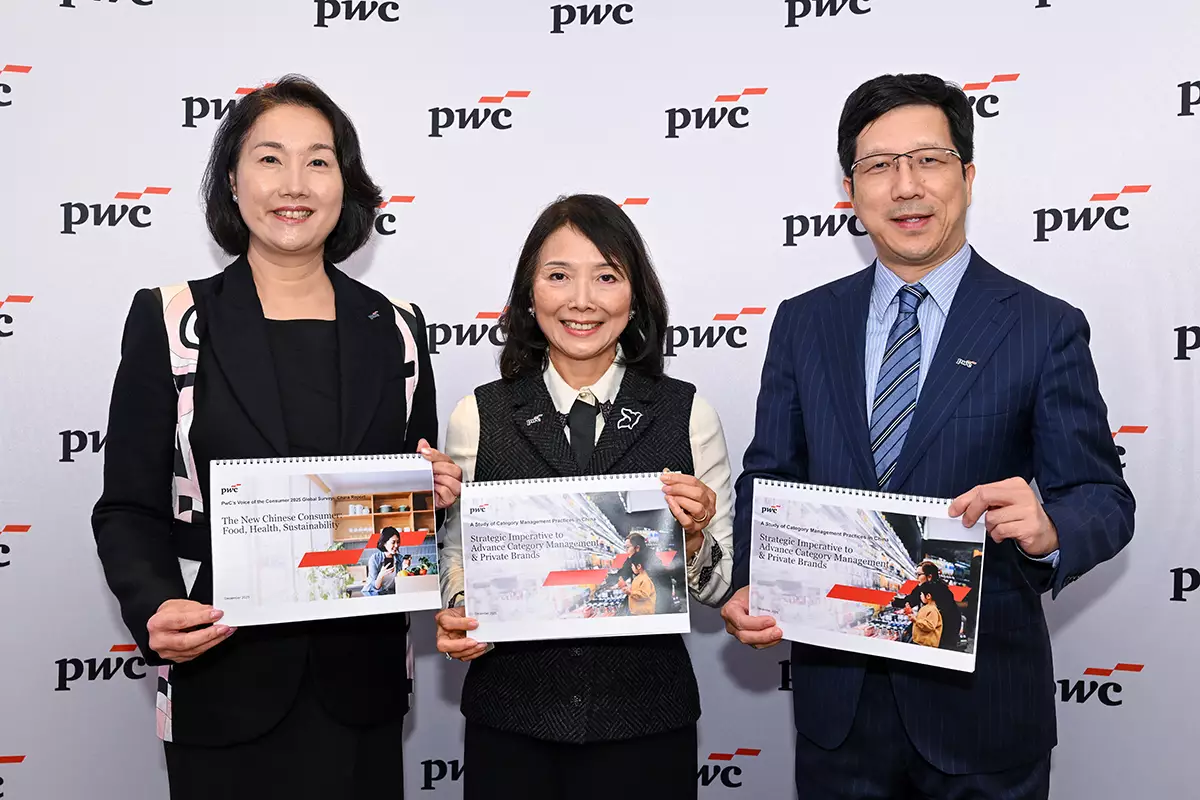
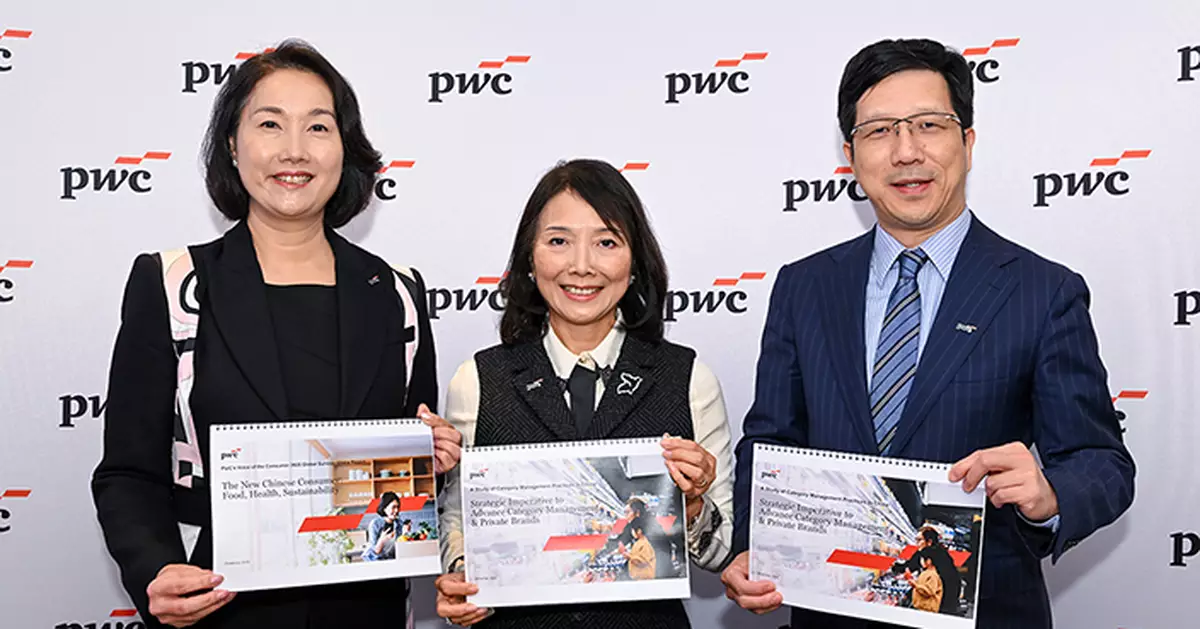
PwC China Consumer Markets Industry Leader, Carrie Yu said, “China’s consumer market holds immense promise. There is a growing middle-income population with a focus on health and sustainability. Empowered by technology and AI, Chinese retailers can accelerate the development of category management and private brands. This requires a multi-year strategy and a joint effort between retailers and manufacturers.”

PwC China Consulting Markets Leader, Jasper Xu said: For Chinese retailers and their brand partners, turning data into a shared strategic category management asset is the critical bridge to closing maturity gaps – particularly in private brand expansion and collaborative innovation. By unifying data from a variety of POS, inventory, and customer behaviour data sources, category teams can shift from reactive decisions to proactive strategy - gaining clear visibility to strengthen retailer-supplier partnerships. This isn’t just one-sided data utility – it is about turning integrated insights into a mutual strategic asset: one that lets retailers unlock consumption potential amid economic slowdowns, and lets brand partners align innovation with real market needs, driving growth for both parties.”

PwC Hong Kong Consumer Markets Tax Leader, Jenny Tsao said, “China is vigorously boosting domestic consumption and foreign direct investments. The new tax incentive policy - tax credit for reinvestment of profits by foreign investors; the upcoming Hainan Free Trade Port island-wide independent customs operation; and the continuing enforcement of the tax incentive and opening-up policies in the cooperation zones of the Greater Bay Area - brings a lot of business opportunities and is welcomed by multi-national enterprises and the consumer markets. Meanwhile, businesses will enhance their internal tax controls to deal with challenges brought by the new policy of collection of information from online platform operators and tax compliance of e-commerce industry players; the tightened review of export VAT refund compliance; and the applicability to enjoy tax treaty benefit for dividends, interests and royalty payments. Corporations will review their investment structures, business models and tax management to meet the new obligations and achieve tax efficiency.”
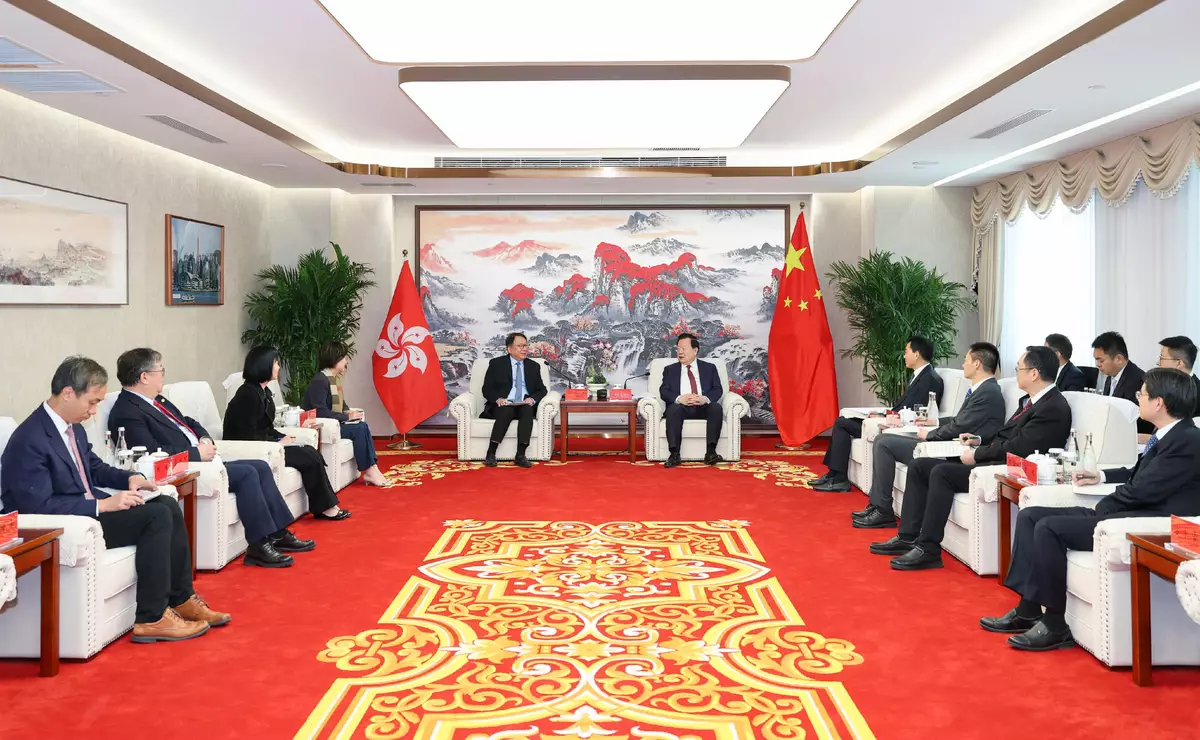
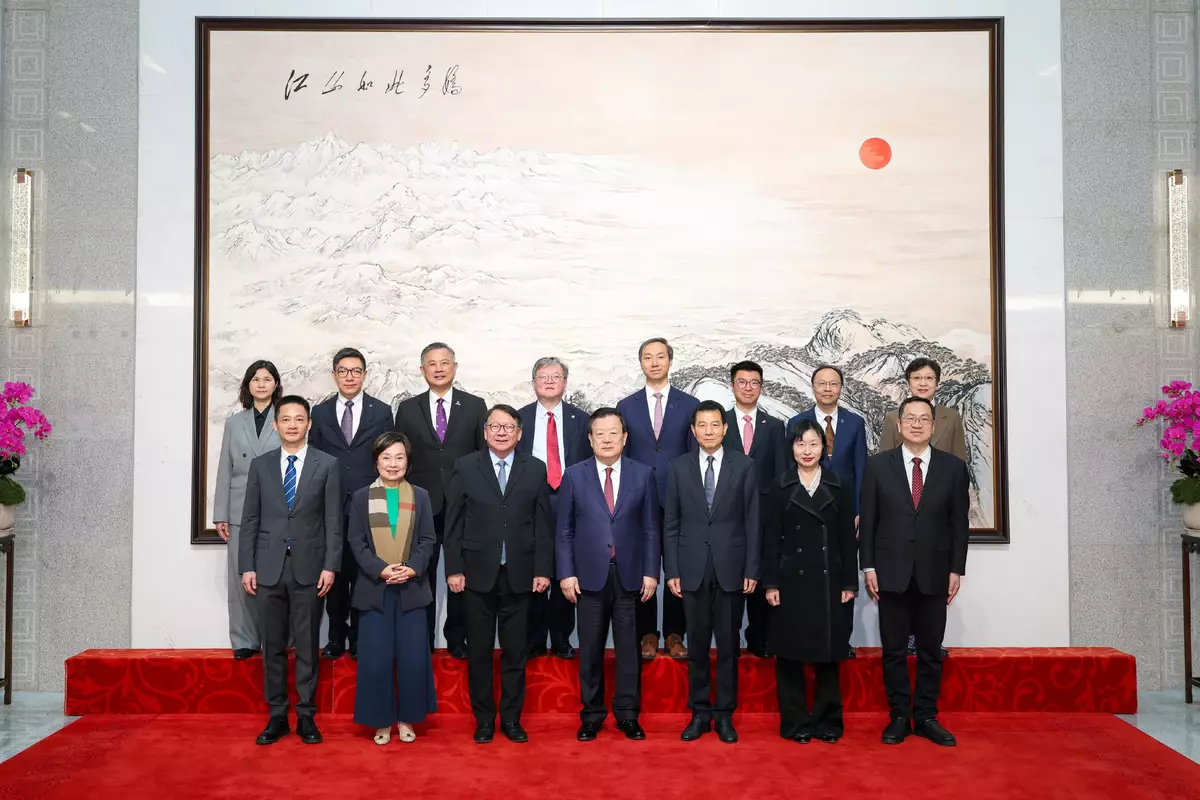
Meeting of Task Force on the Development of the Qianhai Shenzhen-Hong Kong Modern Service Industry Co-operation Zone held in Shenzhen

The Secretary for Constitutional and Mainland Affairs, Mr Erick Tsang Kwok-wai, and member of the Standing Committee of the CPC Shenzhen Municipal Committee and Director General of the Authority of Qianhai Shenzhen-Hong Kong Modern Service Industry Co-operation Zone of Shenzhen Municipality (Qianhai Authority), Mr Wang Shourui, leading representatives of relevant bureaux and departments of the Hong Kong Special Administrative Region (HKSAR) Government and the delegation of the Shenzhen Municipal Government respectively, held the second meeting of the Task Force on the Development of the Qianhai Shenzhen-Hong Kong Modern Service Industry Co-operation Zone in Shenzhen today (December 18).

​​At the meeting, the Hong Kong and Shenzhen sides reviewed the achievements of the development of Qianhai and explored future co-operation directions, discussing further promotion of Qianhai's high quality development together. Both sides exchanged views on issues such as deepening the integrated development of technology and finance, joint talent attraction, and the alignment of rules in the field of engineering construction.

​​Mr Tsang said, "The development of the Guangdong-Hong Kong-Macao Greater Bay Area (GBA) is a key national strategy personally devised, personally planned and personally driven by President Xi Jinping, and Qianhai is one of the major co-operation platforms in the GBA. Since its development, Qianhai has always adhered to the strategic positioning and objectives of 'relying on Hong Kong, serving the Chinese Mainland and opening up to the world', striving to become an important engine for the development of the GBA and the Shenzhen pilot demonstration area. It shall fully leverage its role in demonstrating and leading high-level, high-quality opening-up within the region, while ensuring successful policy experiences radiate throughout the GBA and across the nation. With the staunch support of the Central Government and the joint efforts of Hong Kong and Shenzhen, the Qianhai Shenzhen-Hong Kong Modern Service Industry Co-operation Zone has achieved fruitful results, including deepened alignment of rules and mechanisms among Guangdong, Hong Kong and Macao, significant advancement of market integration, matured collaborative development model, closer youth exchanges, and its role as a new engine for GBA development has become increasingly bold and evident."

"As stated by President Xi during the Chief Executive's reporting of work, the HKSAR Government shall proactively align with the '15th Five-Year' Plan, uphold and enhance the executive-led system, make solid progress in advancing high-quality economic development, deeply engage in the development of the GBA, and better integrate into and serve the overall national development. The HKSAR Government will continue to lead all sectors of the Hong Kong community proactively to fully seize the opportunities of developing the GBA together. With a pragmatic, innovative and change-embracing spirit, the HKSAR Government will ensure the effective implementation of various tasks and continue to strengthen the co-operation with Shenzhen to jointly promote the development of Qianhai. It will serve the country's needs with Hong Kong's strengths, and anchor the new strategic positioning and historic mission of the GBA given by President Xi to a greater breadth and depth."

​​Mr Wang responded, "Relying on Hong Kong and serving Hong Kong is the inherent responsibility and mission of Qianhai. With the support and assistance of the HKSAR Government and all sectors of the Hong Kong community, we have implemented comprehensive and systematic measures. Tangible and practical measures have been introduced in areas such as the integration of rules and mechanisms, the interconnectivity of infrastructure, and the convergence of people's livelihoods. We have achieved new progress in developing the area in line with its positioning as a 'pioneering zone for deepening integration and development between Shenzhen and Hong Kong'. Moving forward, Qianhai will thoroughly study and implement the spirit of the Fourth Plenary Session of the 20th CPC Central Committee, deepen the 'soft connectivity' of rules and mechanisms, the 'hard connectivity' of infrastructure, and the 'heartfelt connectivity' between Shenzhen and Hong Kong residents. This will foster closer co-operation between Shenzhen and Hong Kong and serve Hong Kong's high-quality development."

​​At the meeting, the Hong Kong and Shenzhen sides signed four co-operation arrangements, including:

  • A co-operation framework agreement signed by the Qianhai Authority and the Office for Attracting Strategic Enterprises (OASES)
  • A Memorandum of Understanding signed by the Qianhai Authority and Radio Television Hong Kong
  • The Framework Agreement on Strategic Cooperation for Jointly Promoting the Construction of the Qianhai Shenzhen-Hong Kong International Technology Transfer Centre and Building Hong Kong into a Regional Intellectual Property Trading Centre signed by the Qianhai Authority, the Hong Kong Trade Development Council, the Hong Kong Productivity Council and CR Corporate Service Limited
  • A co-operation agreement signed by the Qianhai Authority and the Chinese University of Hong Kong
  • ​​Both sides also witnessed the inauguration ceremony of two projects, namely "SZ-HK Nexus" Qianhai Shenzhen-Hong Kong Dual Headquarters Hub and HK SME Empower Centre.

    ​​After the meeting, the delegation of the HKSAR Government visited the Qianhai Co-operation Zone, and was briefed by the Qianhai Authority on the latest developments of Qianhai at Qianhai Exhibition Hall. The delegation then conducted on-site visits to "SZ-HK Nexus" Qianhai Shenzhen-Hong Kong Dual Headquarters Hub, Qianhai Shenzhen-Hong Kong Youth Innovation and Entrepreneur Hub Phase II,Qianhai Hong Kong Charm and the Bay Area Store of Shenzhen Book City "Eyes of the GBA". They also visited the Vinyl Pop Up exhibition organised by RTHK at the Book City.

    ​​Officials of the HKSAR Government attending the meeting also included the Under Secretary for Development, Mr David Lam; the Commissioner for the Development of the Guangdong-Hong Kong-Macao Greater Bay Area, Ms Maisie Chan; the Director-General of the OASES, Mr Peter Yan; the Director of Broadcasting, Ms Angelina Kwan; the Director of Hong Kong Talent Engage, Mr Felix Chan and the Deputy Secretary for Financial Services and the Treasury, Mr Keith Giang.

    Meeting of Task Force on the Development of the Qianhai Shenzhen-Hong Kong Modern Service Industry Co-operation Zone held in Shenzhen  Source: HKSAR Government Press Releases

    Meeting of Task Force on the Development of the Qianhai Shenzhen-Hong Kong Modern Service Industry Co-operation Zone held in Shenzhen Source: HKSAR Government Press Releases

    Meeting of Task Force on the Development of the Qianhai Shenzhen-Hong Kong Modern Service Industry Co-operation Zone held in Shenzhen  Source: HKSAR Government Press Releases

    Meeting of Task Force on the Development of the Qianhai Shenzhen-Hong Kong Modern Service Industry Co-operation Zone held in Shenzhen Source: HKSAR Government Press Releases

    Meeting of Task Force on the Development of the Qianhai Shenzhen-Hong Kong Modern Service Industry Co-operation Zone held in Shenzhen  Source: HKSAR Government Press Releases

    Meeting of Task Force on the Development of the Qianhai Shenzhen-Hong Kong Modern Service Industry Co-operation Zone held in Shenzhen Source: HKSAR Government Press Releases

    Meeting of Task Force on the Development of the Qianhai Shenzhen-Hong Kong Modern Service Industry Co-operation Zone held in Shenzhen  Source: HKSAR Government Press Releases

    Meeting of Task Force on the Development of the Qianhai Shenzhen-Hong Kong Modern Service Industry Co-operation Zone held in Shenzhen Source: HKSAR Government Press Releases

    Meeting of Task Force on the Development of the Qianhai Shenzhen-Hong Kong Modern Service Industry Co-operation Zone held in Shenzhen  Source: HKSAR Government Press Releases

    Meeting of Task Force on the Development of the Qianhai Shenzhen-Hong Kong Modern Service Industry Co-operation Zone held in Shenzhen Source: HKSAR Government Press Releases

    Meeting of Task Force on the Development of the Qianhai Shenzhen-Hong Kong Modern Service Industry Co-operation Zone held in Shenzhen  Source: HKSAR Government Press Releases

    Meeting of Task Force on the Development of the Qianhai Shenzhen-Hong Kong Modern Service Industry Co-operation Zone held in Shenzhen Source: HKSAR Government Press Releases

    Meeting of Task Force on the Development of the Qianhai Shenzhen-Hong Kong Modern Service Industry Co-operation Zone held in Shenzhen  Source: HKSAR Government Press Releases

    Meeting of Task Force on the Development of the Qianhai Shenzhen-Hong Kong Modern Service Industry Co-operation Zone held in Shenzhen Source: HKSAR Government Press Releases

    Meeting of Task Force on the Development of the Qianhai Shenzhen-Hong Kong Modern Service Industry Co-operation Zone held in Shenzhen  Source: HKSAR Government Press Releases

    Meeting of Task Force on the Development of the Qianhai Shenzhen-Hong Kong Modern Service Industry Co-operation Zone held in Shenzhen Source: HKSAR Government Press Releases

    Meeting of Task Force on the Development of the Qianhai Shenzhen-Hong Kong Modern Service Industry Co-operation Zone held in Shenzhen  Source: HKSAR Government Press Releases

    Meeting of Task Force on the Development of the Qianhai Shenzhen-Hong Kong Modern Service Industry Co-operation Zone held in Shenzhen Source: HKSAR Government Press Releases

    Meeting of Task Force on the Development of the Qianhai Shenzhen-Hong Kong Modern Service Industry Co-operation Zone held in Shenzhen  Source: HKSAR Government Press Releases

    Meeting of Task Force on the Development of the Qianhai Shenzhen-Hong Kong Modern Service Industry Co-operation Zone held in Shenzhen Source: HKSAR Government Press Releases

    Meeting of Task Force on the Development of the Qianhai Shenzhen-Hong Kong Modern Service Industry Co-operation Zone held in Shenzhen  Source: HKSAR Government Press Releases

    Meeting of Task Force on the Development of the Qianhai Shenzhen-Hong Kong Modern Service Industry Co-operation Zone held in Shenzhen Source: HKSAR Government Press Releases

    Meeting of Task Force on the Development of the Qianhai Shenzhen-Hong Kong Modern Service Industry Co-operation Zone held in Shenzhen  Source: HKSAR Government Press Releases

    Meeting of Task Force on the Development of the Qianhai Shenzhen-Hong Kong Modern Service Industry Co-operation Zone held in Shenzhen Source: HKSAR Government Press Releases

    Meeting of Task Force on the Development of the Qianhai Shenzhen-Hong Kong Modern Service Industry Co-operation Zone held in Shenzhen  Source: HKSAR Government Press Releases

    Meeting of Task Force on the Development of the Qianhai Shenzhen-Hong Kong Modern Service Industry Co-operation Zone held in Shenzhen Source: HKSAR Government Press Releases

    Meeting of Task Force on the Development of the Qianhai Shenzhen-Hong Kong Modern Service Industry Co-operation Zone held in Shenzhen  Source: HKSAR Government Press Releases

    Meeting of Task Force on the Development of the Qianhai Shenzhen-Hong Kong Modern Service Industry Co-operation Zone held in Shenzhen Source: HKSAR Government Press Releases

    Recommended Articles