BERLIN (AP) — Germany's federal prosecutor brought charges Thursday against eight suspects for their alleged membership in a “right-wing extremist terrorist” group that allegedly aimed to destabilize the country’s democratic system by carrying out attacks on migrants and political opponents.
The prosecutors also charged the seven alleged members and one supporter of the group, some of them teenagers, of attempted murder, conspiracy to commit murder, and grievous bodily harm.
Most of the youths were arrested in May, when they were accused of involvement with a group calling itself “Last Defense Wave."
According to the federal prosecutor’s office, the group sees itself as the “final authority” for defending the “German nation.” It said the group was founded in May 2024 and that it planned or carried out arson and bomb attacks on asylum-seekers’ homes and left-wing institutions.
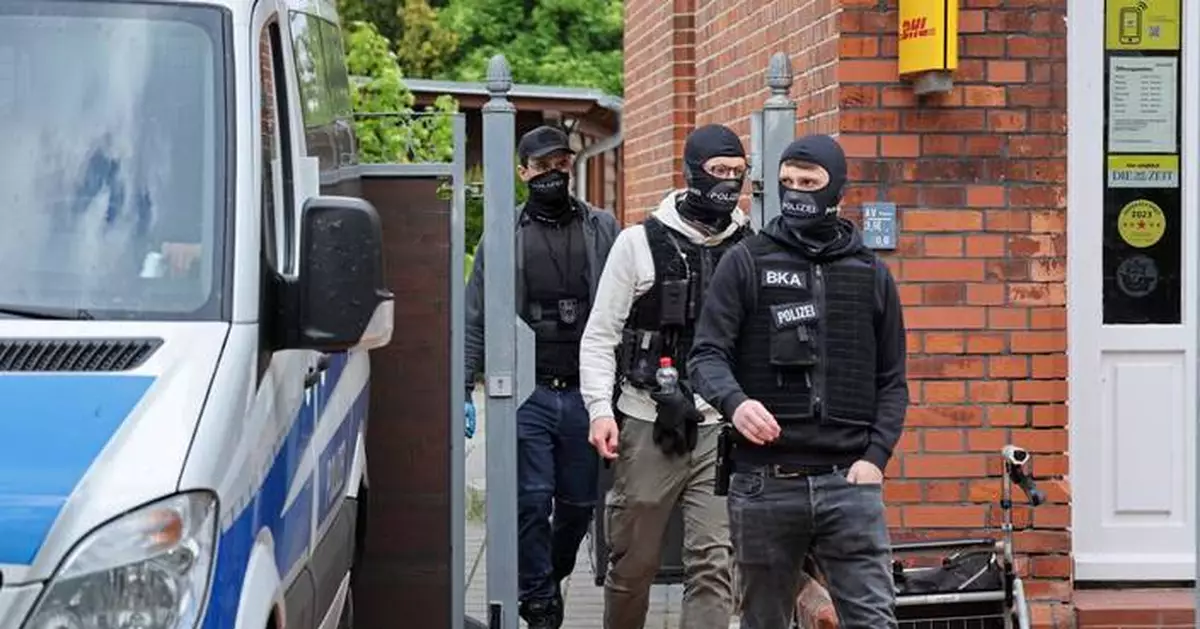
At the time, five suspects between 14 and 21 years old were arrested in the states of Mecklenburg-Western Pomerania, Brandenburg, and Hesse. The police searched 13 properties there, as well as in Saxony and Thuringia. Three other suspects were already in custody at the time.
Due to the suspects' age, some of them had to appear with their parents before the investigating judge at the federal court of justice in Karlsruhe. With the exception of one suspect, who was released in July, all others are in pretrial detention.
Federal prosecutors attribute three attacks and planned attacks to the group, including an arson attack on a cultural center in Altdöbern in the state of Brandenburg, an attempted but unsuccessful attack on an asylum-seekers’ home in Schmölln in Thuringia, and plans to attack an asylum-seekers’ accommodation in Senftenberg, also in Brandenburg.
Nobody was injured during the incidents. Several members of the group were also accused of robbing and beating individuals, causing significant injuries, the prosecutor's statement said.
According to documents released in July, the group's members planned to “trigger a race war in which a spiral of violence and counterviolence would be set in motion to preserve the ‘white race’ and ultimately eliminate liberal democracy," German news agency dpa reported.
They are said to have posted racist and antisemitic messages on social media and glorified the “Third Reich” and National Socialism, according to dpa.
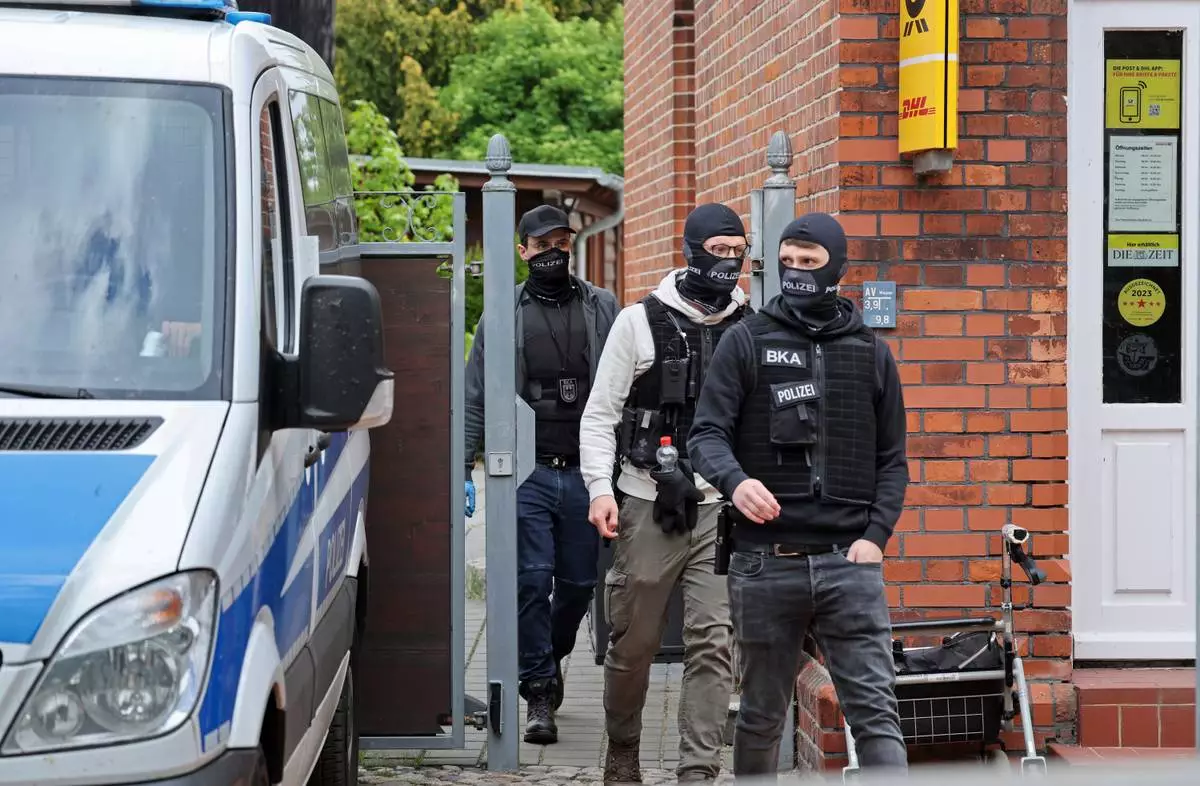
FILE - Police search rooms in the "Altes Postamt" building in Neubukow, Germany, May 21, 2025. (Bernd Wuestneck/dpa via AP, File)
BRUSSELS (AP) — Farmers in tractors blocked roads, threw potatoes and eggs, and set off fireworks in Brussels on Wednesday outside a European Union leaders’ summit, prompting police to respond with tear gas and water cannons as protesters rallied against a major free-trade deal with South American nations.
Farmers fear that the deal will undercut their livelihoods, and there are broader political concerns that it could also help drive support for the far right.
Thousands of farmers are also expected at twin rallies planned by farmers' unions that are set to converge on Place Luxembourg, a stone's throw from the European Parliament and the Europa Building where leaders of the 27 EU nations are meeting. They are to discuss amending the trade pact or delaying its signing.
Also on the agenda of the EU summit is a proposal to seize Russian assets for use in Ukraine.
On Wednesday, Italy signaled it had reservations too, joining the French-led opposition to signing the massive transatlantic free-trade deal between the EU and the five active Mercosur countries — Brazil, Argentina, Uruguay, Paraguay and Bolivia. The deal would progressively remove duties on almost all goods traded between the two blocs over the next 15 years.
French President Emmanuel Macron dug in against the Mercosur deal as he arrived for Thursday’s EU summit, pushing for further concessions and further discussions in January. He said he has been in discussions with Italian, Polish, Belgian, Austrian and Irish colleagues among others about delaying it.
“We are not ready. It doesn’t add up,” he said. “This accord cannot be signed.”
“Farmers already face an enormous amount of challenges,″ he said, as farmer protests roil regions around France. ″We cannot sacrifice them on this accord.”
Worried by a surging far right that rallies support by criticizing the deal, Macron's government has demanded safeguards to monitor and stop large economic disruption in the EU, increased regulations in the Mercosur nations like pesticide restrictions, and more inspections of imports at EU ports.
Premier Giorgia Meloni told the Italian Parliament on Wednesday that signing the agreement in the coming days “would be premature."
European Commission President Ursula von der Leyen is determined to sign the agreement, but she needs the backing of at least two-thirds of EU nations.
Italy’s opposition would give France enough votes to veto von der Leyen’s signature.
“This doesn’t mean that Italy intends to block or oppose (the deal), but that it intends to approve the agreement only when it includes adequate reciprocal guarantees for our agricultural sector,” Meloni said.
The accord has been under negotiation for 25 years. Once ratified, it would cover a market of 780 million people and a quarter of the globe’s gross domestic product. Supporters say it would offer a clear alternative to Beijing's export-controls and Washington's tariff blitzkrieg, while detractors say it will undermine both environmental regulations and the EU's iconic agricultural sector.
German Chancellor Friedrich Merz said ahead of the Brussels summit that the EU's global status would be dented by a delay or scrapping of the deal.
“If the European Union wants to remain credible in global trade policy, then decisions must be made now," he said.
The deal is also about strategic competition between Western nations and China over Latin America, said Agathe Demarais, a senior fellow at the European Council on Foreign Relations. “A failure to sign the EU-Mercosur free trade agreement risks pushing Latin American economies closer to Beijing’s orbit,” she said.
Despite the likelihood of a delay, von der Leyen and European Council President António Costa are still scheduled to sign the deal in Brazil on Saturday.
“We have to get rid of our over-dependencies, and this is only possible through a network of free-trade agreements,” said von der Leyen. “It is of enormous importance that we get the green light for Mercosur.”
The political tensions that have marked Mercosur in recent years — especially between Argentina’s far-right President Javier Milei and Brazil’s center-left Lula da Silva, the bloc’s two main partners — have not altered the willingness of South American leaders to seal an alliance with Europe that will result in benefits for their agricultural production.
“We remain optimistic that next Saturday we will have approval from the European Union and, therefore, that we can proceed with the signing of the treaty,” said Uruguay’s Minister of Economy and Finance, Gabriel Oddone.
Lula has been one of the most fervent promoters of the agreement from South America’s largest economy. As host of the upcoming summit, the Brazilian president is betting on closing the deal on Saturday and scoring a major diplomatic achievement ahead of next year’s general elections, in which he will seek reelection.
At a cabinet meeting Wednesday, Lula was clearly irked by Italy and France's positions. He said that Saturday would be a make-or-break moment for the deal.
“If we don't do it now, Brazil won't make any more agreements while I'm president,” Lula said, adding that the agreement would “defend multilateralism” as Trump pursues unilateralism.
Milei, a close ideological ally of Trump, also supports the deal.
“We must stop thinking of Mercosur as a shield that protects us from the world and start thinking of it as a spear that allows us to effectively penetrate global markets,” he said some time ago.
Associated Press writers Debora Rey in Buenos Aires, Kirsten Grieshaber in Berlin, and Mark Carlson and Angela Charlton in Brussels contributed to this report.
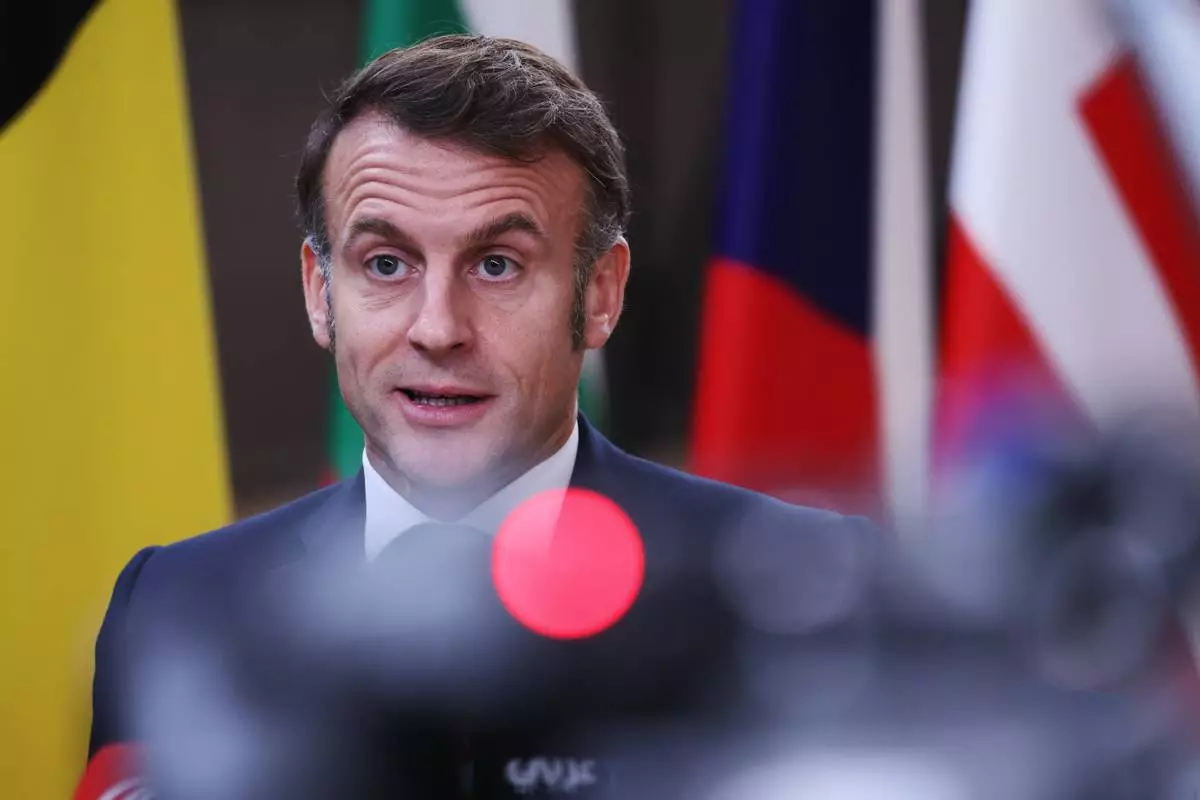
French President Emmanuel Macron speaks with the media as he arrives for the EU Summit in Brussels, Thursday, Dec. 18, 2025. (AP Photo/Omar Havana)
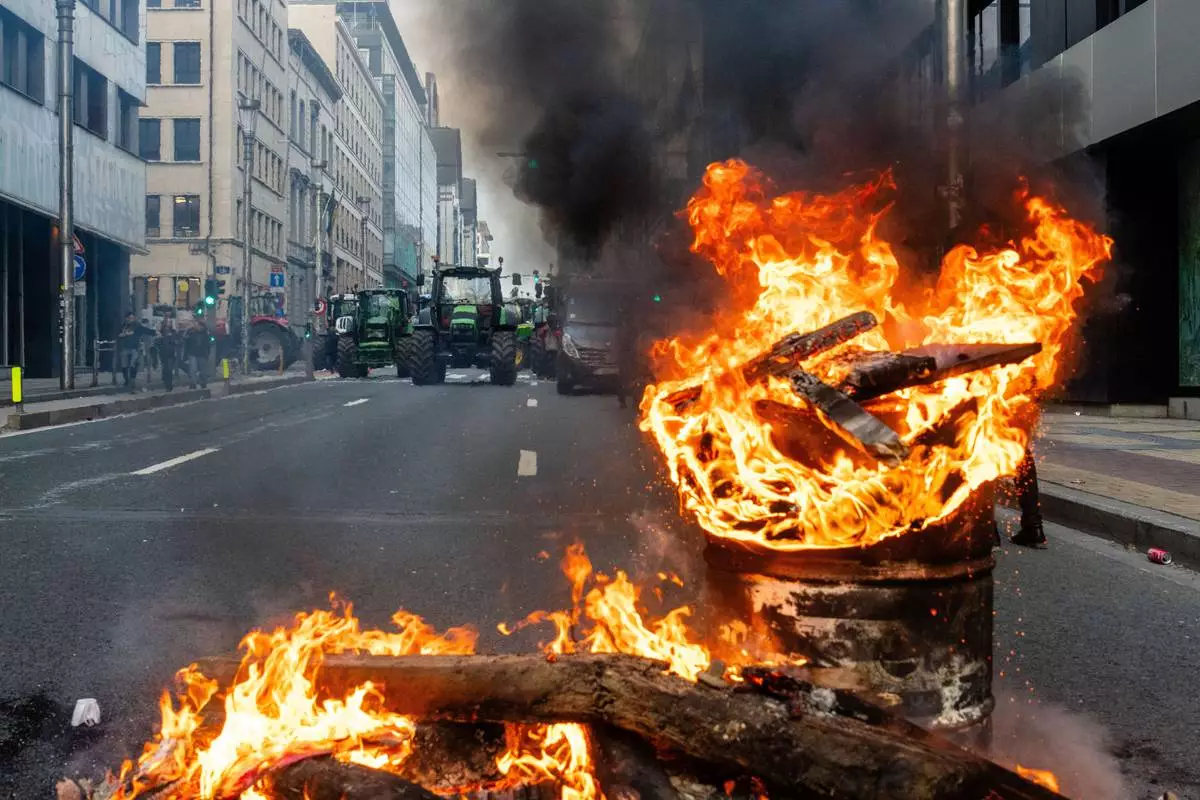
A fire burns in a barrel as European farmers block a road with their tractors during a demonstration outside the EU Summit in Brussels, Thursday, Dec. 18, 2025. (AP Photo/Marius Burgelman)
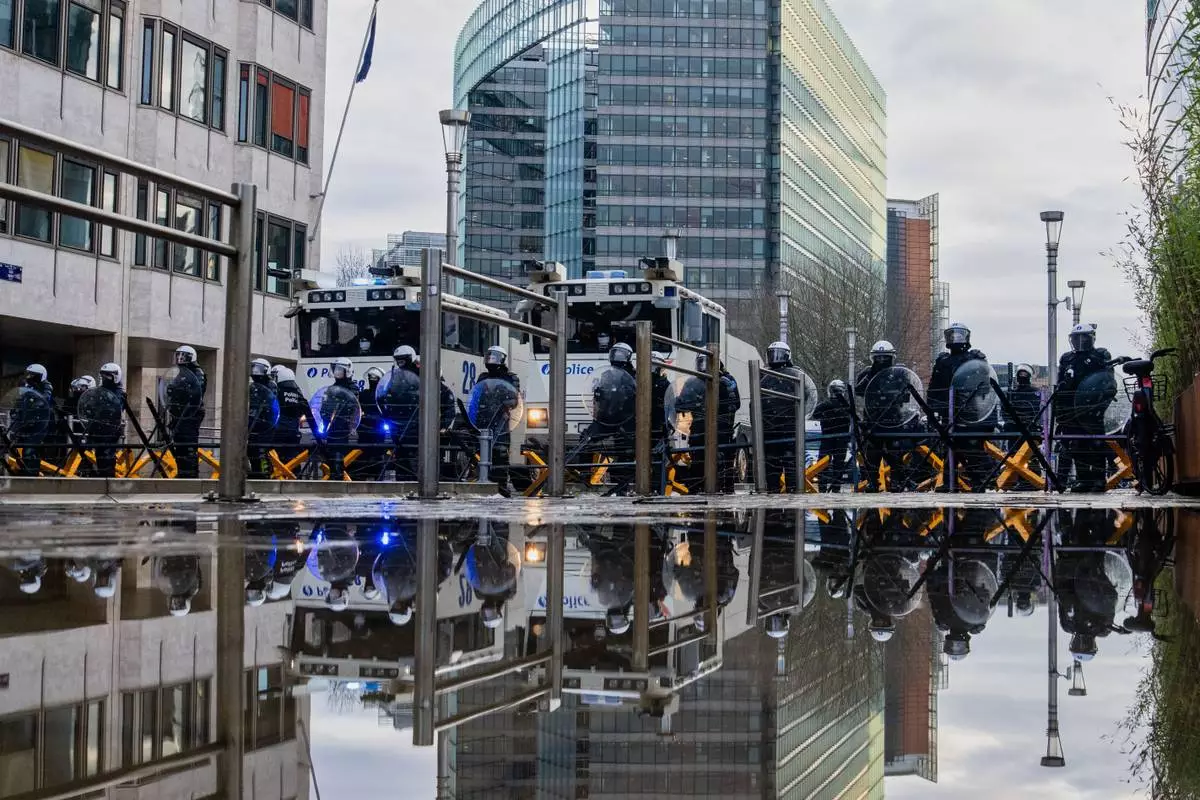
Police stand behind a barrier as European farmers block a road with their tractors during a demonstration outside the EU Summit in Brussels, Thursday, Dec. 18, 2025. (AP Photo/Marius Burgelman)
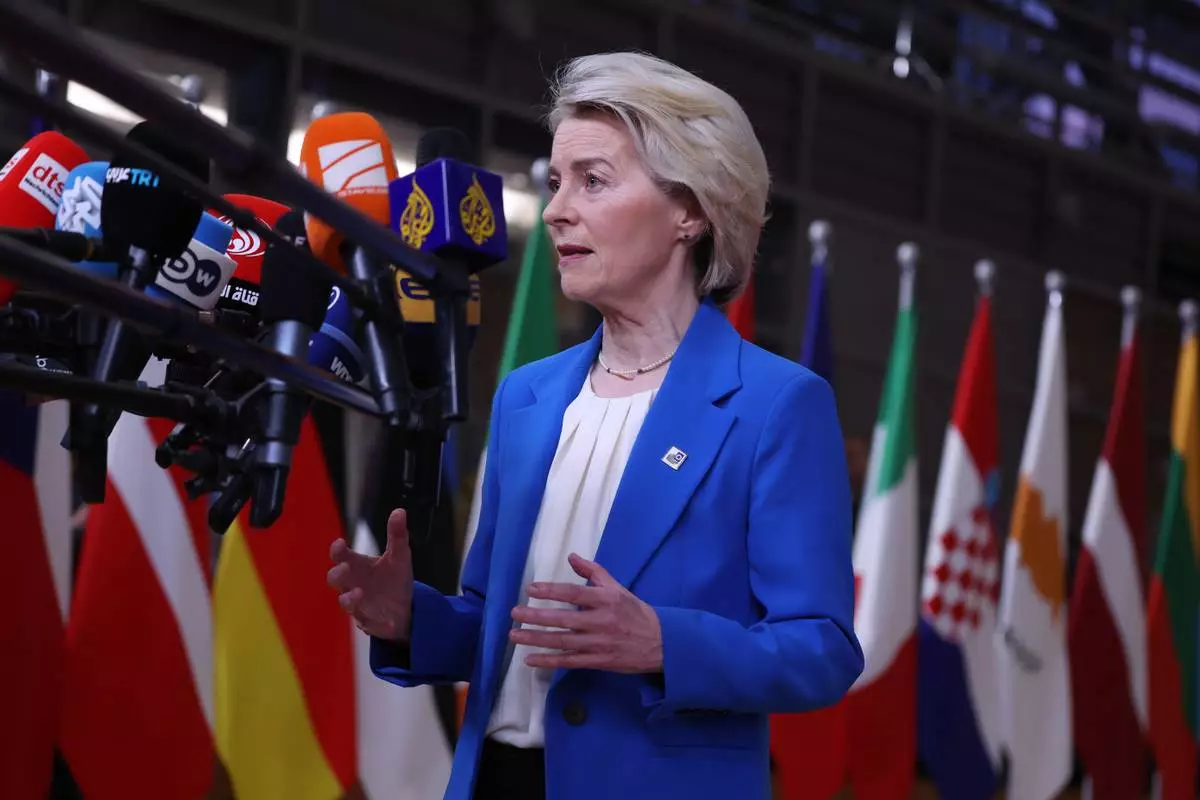
European Commission President Ursula von der Leyen speaks with the media as she arrives for the EU Summit in Brussels, Thursday, Dec. 18, 2025. (AP Photo/Omar Havana)
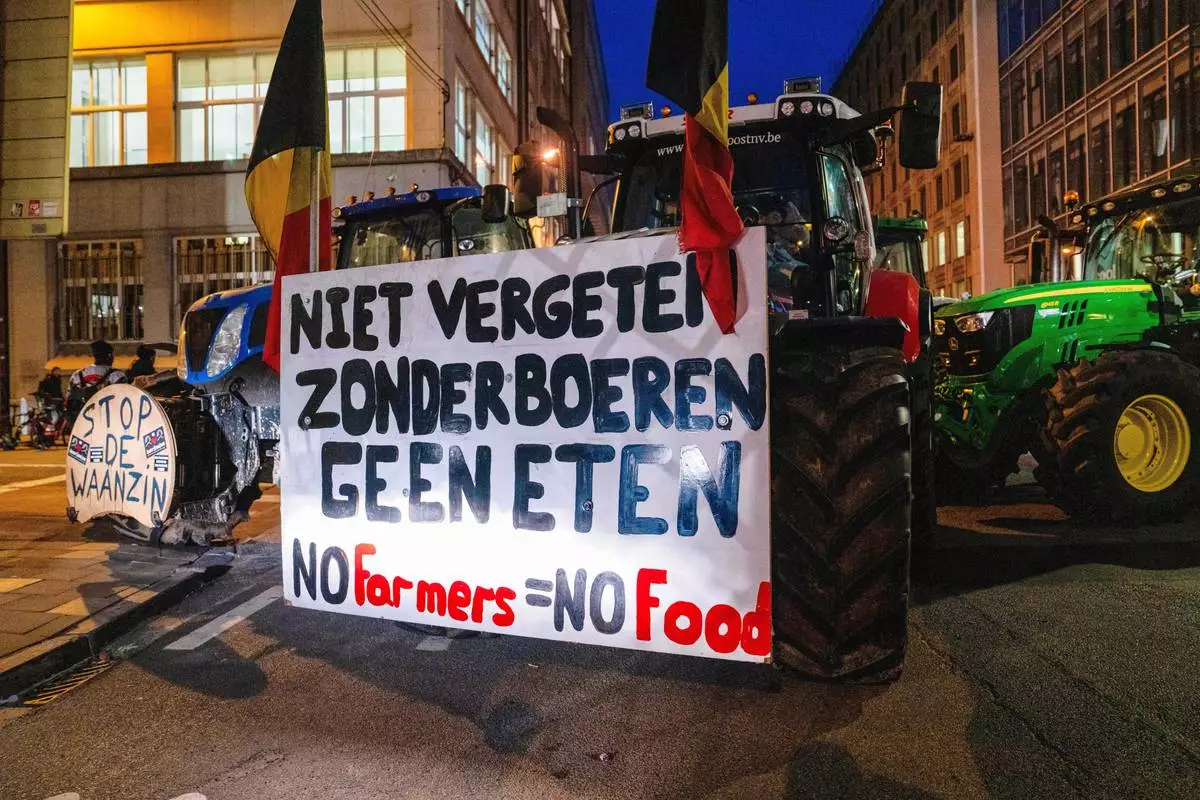
A farmer drives a tractor with a sign that reads in Dutch 'Don't forget, without farmers there's no food' during a demonstration outside a gathering of European leaders at the EU Summit in Brussels, Thursday, Dec. 18, 2025. (AP Photo/Marius Burgelman)
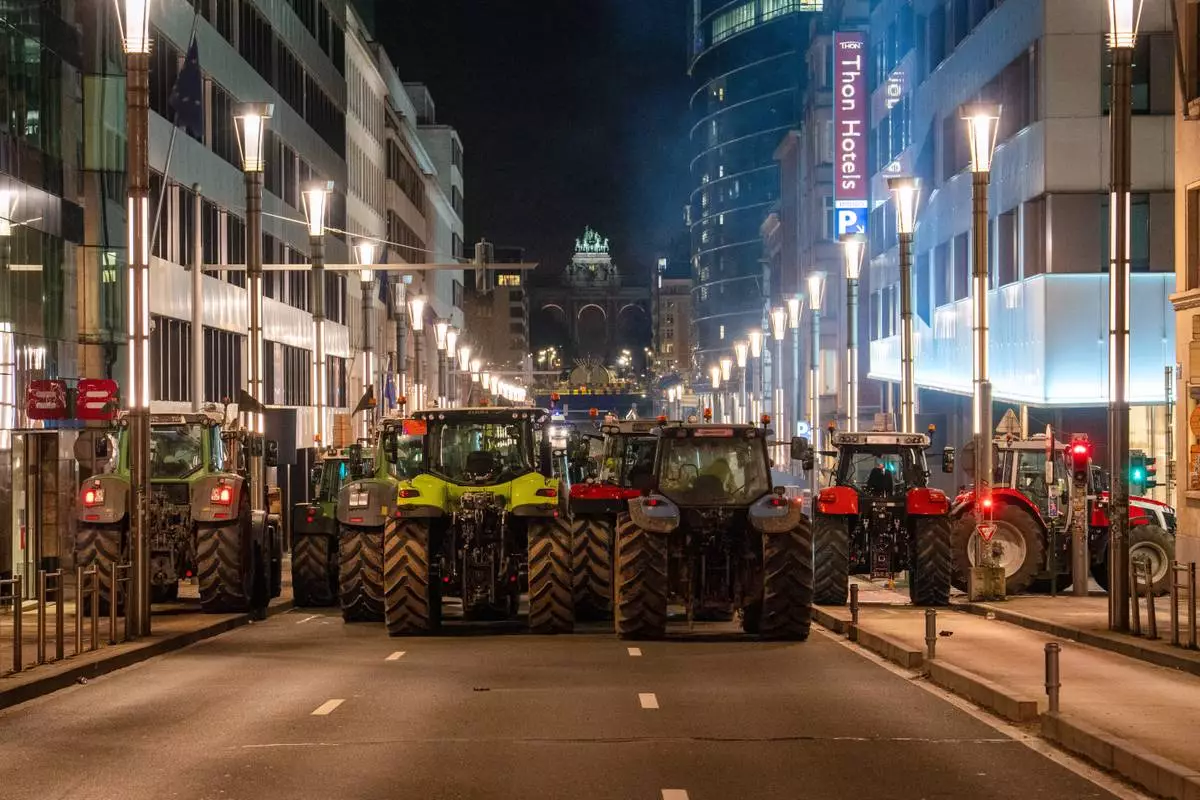
Farmers drive their tractors to block a main boulevard during a demonstration outside a gathering of European leaders at the EU Summit in Brussels, Thursday, Dec. 18, 2025. (AP Photo/Marius Burgelman)
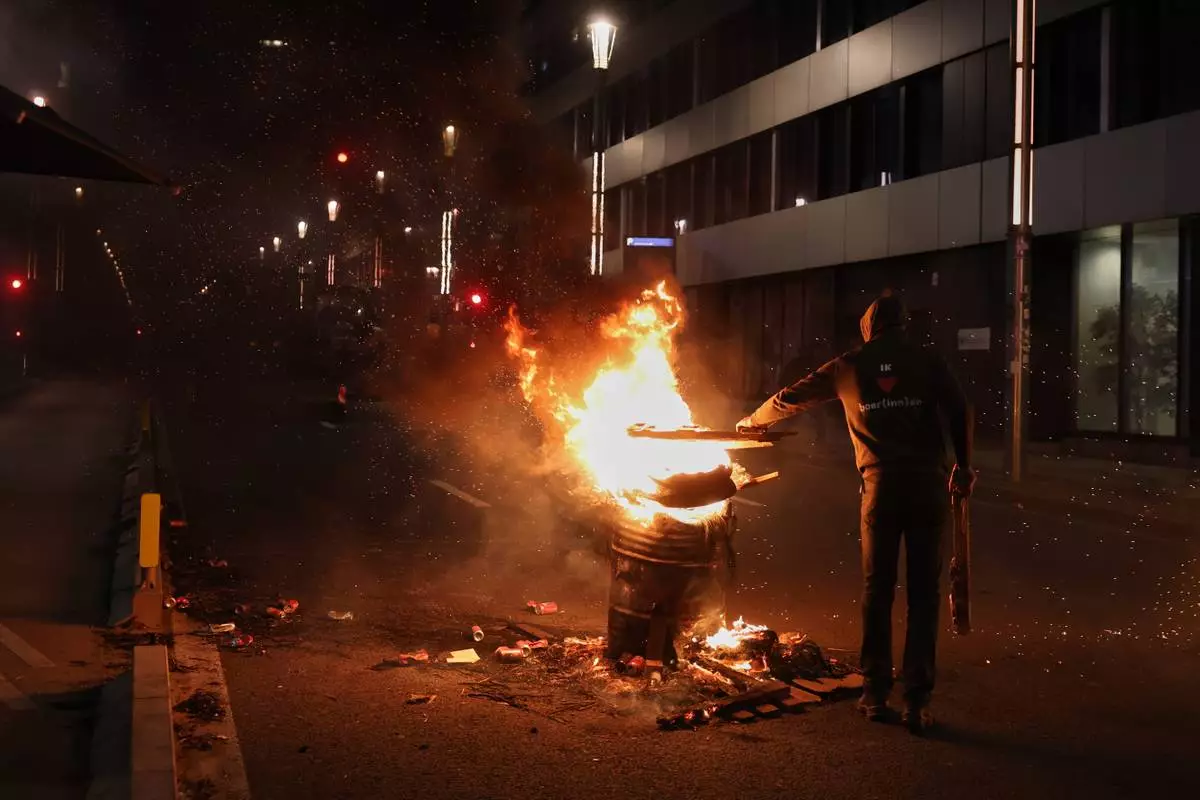
A farmer puts wood in a fire during a demonstration outside the EU Summit in Brussels, Thursday, Dec. 18, 2025. (AP Photo/Omar Havana)
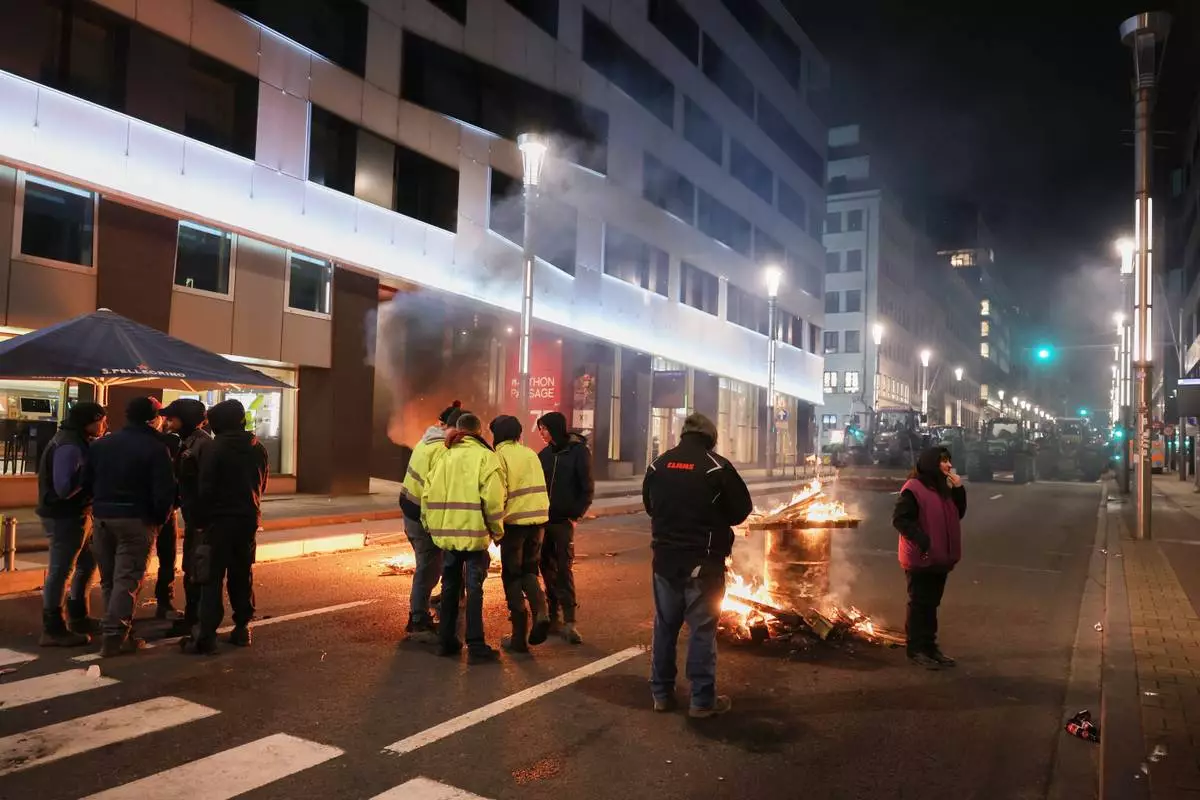
Protestors and farmers stand next to a wood fire during a demonstration outside the EU Summit in Brussels, Thursday, Dec. 18, 2025. (AP Photo/Omar Havana)
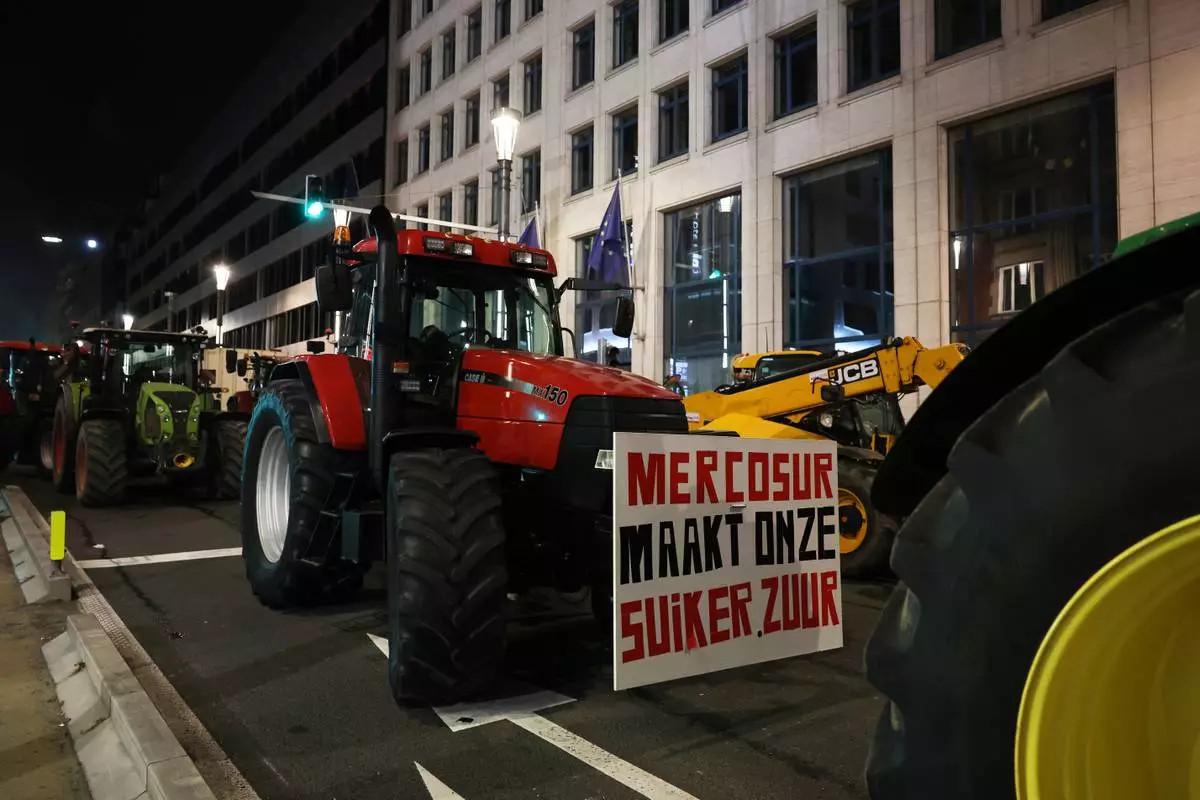
Farmers use their tractors to block a main road during a demonstration outside a gathering of European leaders at the EU Summit in Brussels, Thursday, Dec. 18, 2025. (AP Photo/Omar Havana)