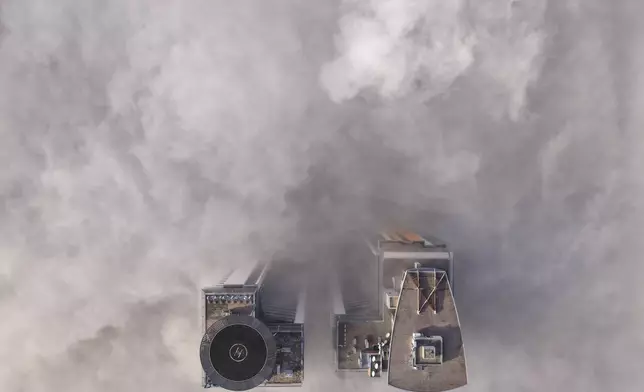
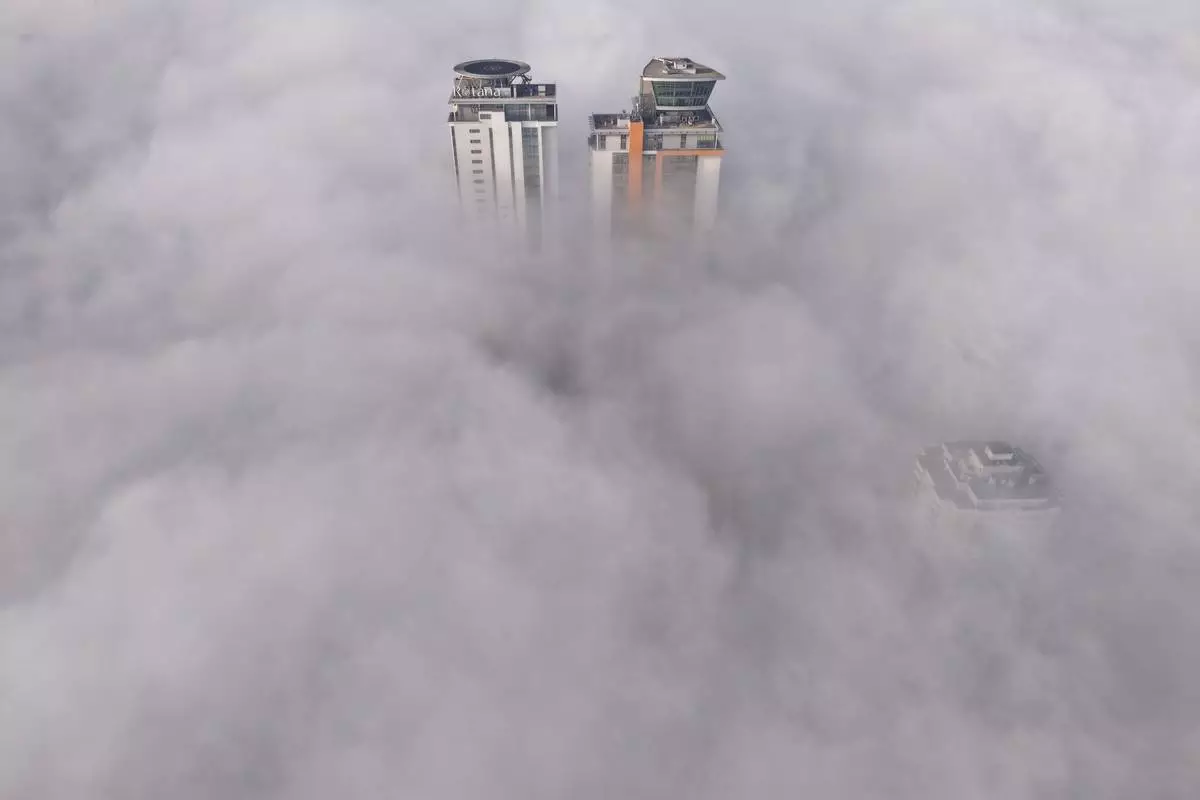
SARAJEVO, Bosnia-Herzegovina (AP) — Flights were cancelled, children were told to stay indoors and outdoors construction work was banned in Sarajevo Thursday as a thick layer of fog enveloped the Bosnian capital.
Sarajevo traditionally faces severe pollution during winter, mostly from house heating and transport pollution. The city is located in a valley surrounded by mountains which can keep polluted air stuck for days at a time if there is no wind.
Click to Gallery
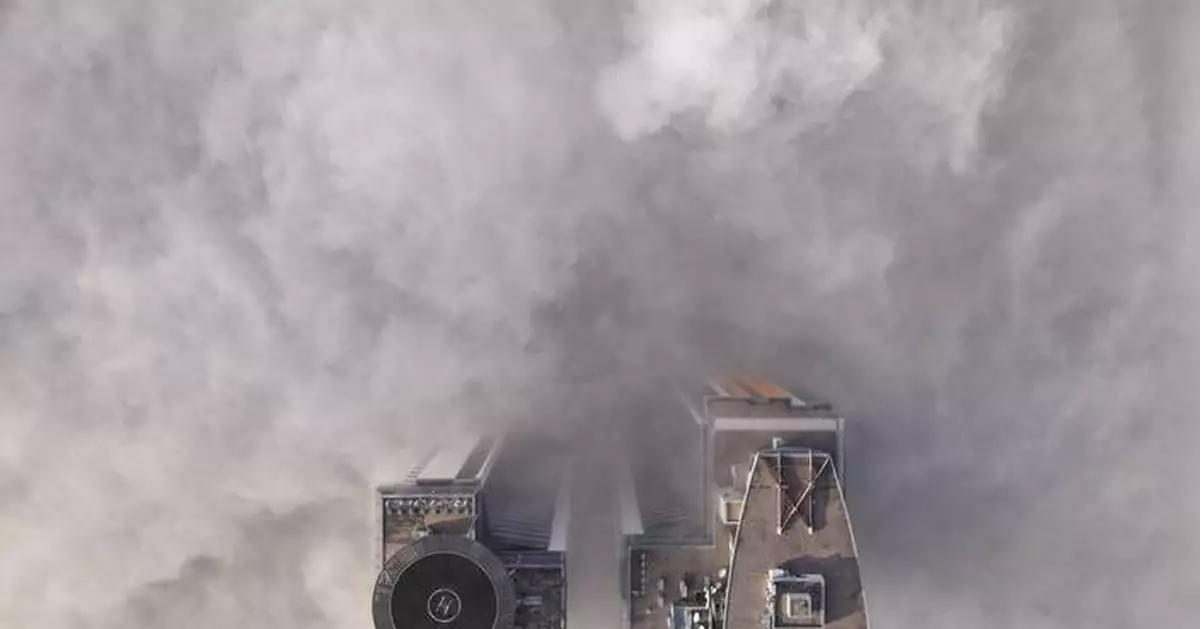
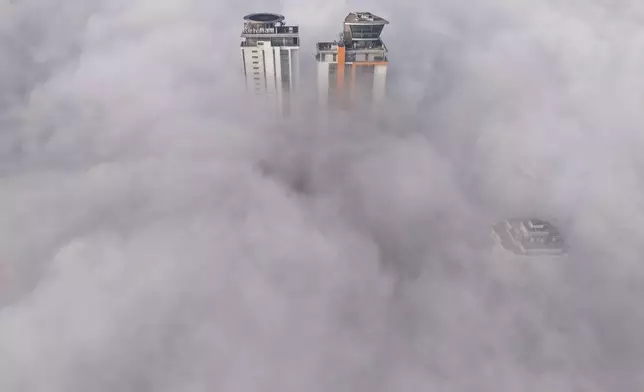
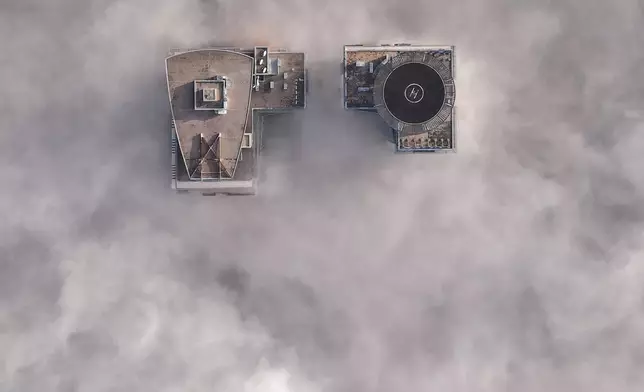
An aerial view of buildings peaking through a dense layer of fog in Sarajevo, Bosnia, Thursday, Dec. 18, 2025. (AP Photo/Armin Durgut)
An aerial view of buildings peaking through a dense layer of fog in Sarajevo, Bosnia, Thursday, Dec. 18, 2025. (AP Photo/Armin Durgut)
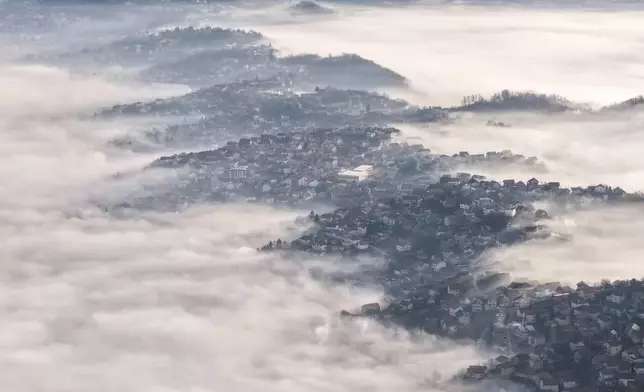
An aerial view of houses blanketed by a dense layer of fog in Sarajevo, Bosnia, Thursday, Dec. 18, 2025. (AP Photo/Armin Durgut)
An aerial view of buildings peaking through a dense layer of fog in Sarajevo, Bosnia, Thursday, Dec. 18, 2025. (AP Photo/Armin Durgut)
Several flights from Sarajevo airport were cancelled, and cars moved slowly in low visibility during the morning rush hour. Some residents of Sarajevo could be seen wearing face masks for protection from toxic air.
The Swiss air quality technology company IQAir on Thursday ranked air quality in Sarajevo as “unhealthy." The city often tops the list of places with poor air quality globally.
Authorities on Wednesday banned trucks of over 3.5 tons in the Sarajevo city center along with cars and trucks that do not meet European Union environmental standards. Any construction work outside has been banned as well as public gatherings.
Experts have warned that exposure to PM2.5 – fine inhalable particles with a diameter of 2.5 micrometers or smaller – has led to a rise in respiratory infections as well as cancer, cardiovascular diseases and premature deaths in Sarajevo, other major cities in Bosnia and elsewhere in the Western Balkans.
Enis Krecinic, an expert for air pollution from the state meteorological institute, said the levels of toxic particles in Sarajevo are sometimes 10 times higher than they should be. He noted that it is unlikely that the situation will change any time soon.
“We need a systematic solution,” he said, adding that some 40,000 households need time to “switch to alternative heating systems which are environmentally friendly.”
Many Balkan countries have a poor record in environment protection despite promises to improve the situation as they seek to move closer to EU membership. Balkan rivers are often clogged with garbage and recycling is almost non-existent, while many cities have seen rampant construction diminishing green areas.
The air in Belgrade, the capital of neighboring Serbia, also was deemed “unhealthy for sensitive groups” on Thursday.
An aerial view of buildings peaking through a dense layer of fog in Sarajevo, Bosnia, Thursday, Dec. 18, 2025. (AP Photo/Armin Durgut)
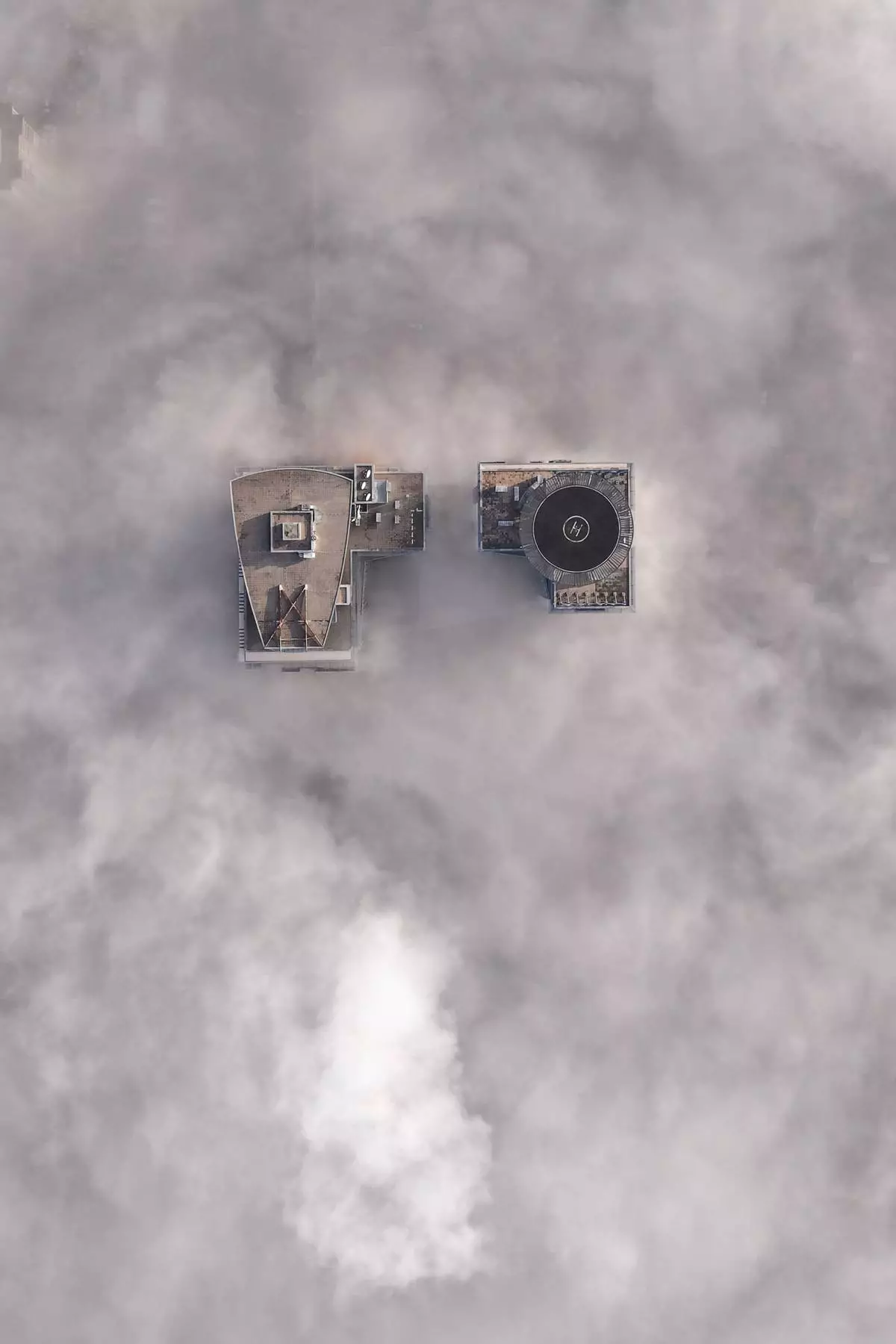
An aerial view of buildings peaking through a dense layer of fog in Sarajevo, Bosnia, Thursday, Dec. 18, 2025. (AP Photo/Armin Durgut)
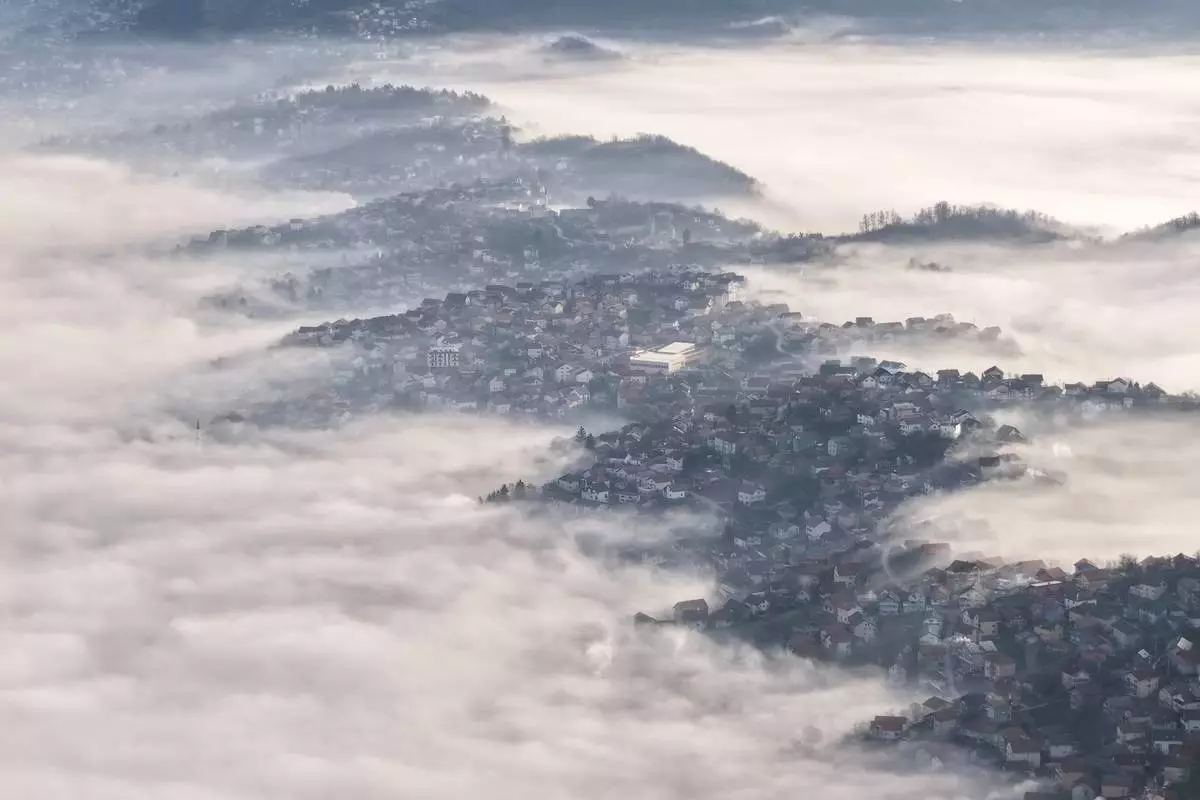
An aerial view of houses blanketed by a dense layer of fog in Sarajevo, Bosnia, Thursday, Dec. 18, 2025. (AP Photo/Armin Durgut)
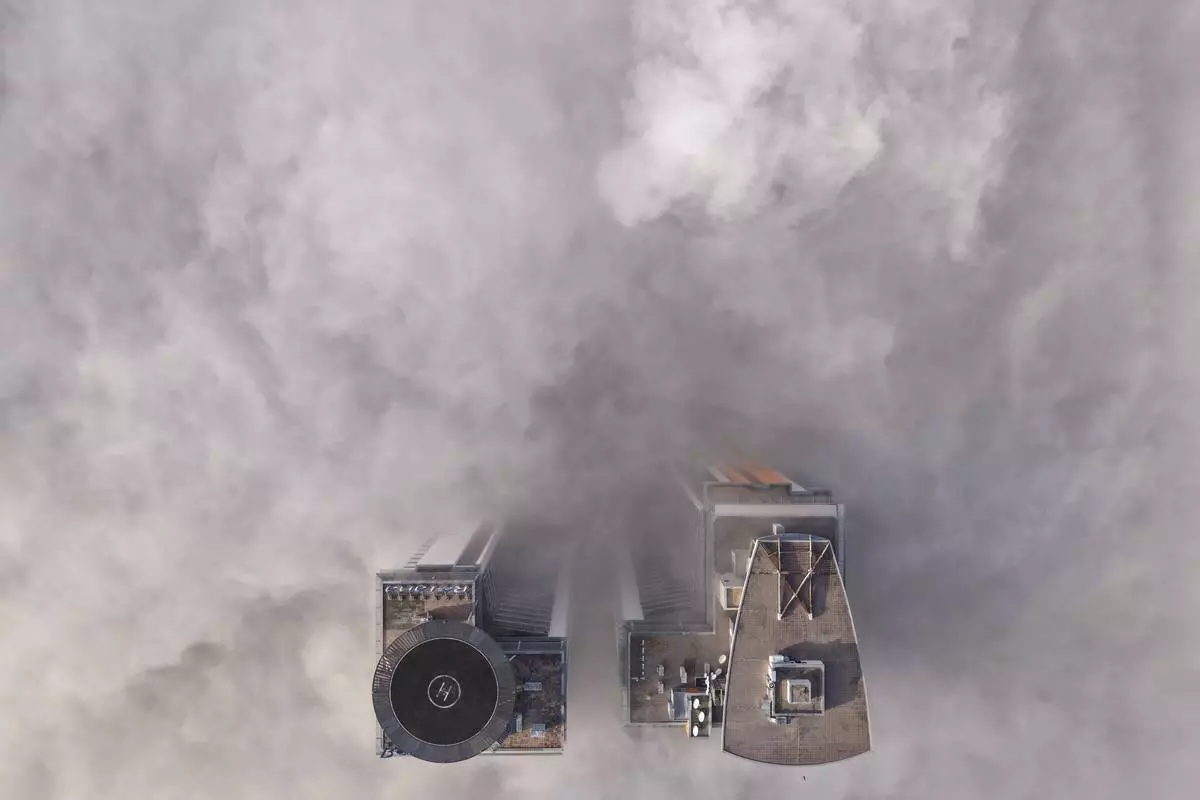
An aerial view of buildings peaking through a dense layer of fog in Sarajevo, Bosnia, Thursday, Dec. 18, 2025. (AP Photo/Armin Durgut)
ARAFAT, Saudi Arabia (AP) — Muslim pilgrims from around the world congregated on Mount Arafat in Saudi Arabia on Tuesday, the second official day of the annual Islamic pilgrimage, considered the pinnacle of the Hajj.
Despite the sweltering heat, the pilgrims gathered on the rocky hill and surrounding plain for intense prayers and worship that often mark a spiritual peak for them. They fervently murmured prayers and poured their hearts out in supplications. Many raised their hands in worship. It is common for pilgrims on that day, some with tears streaming down their faces, to ask God for forgiveness, mercy, blessings and good health.
The Hajj, one of the Five Pillars of Islam, is required once in a lifetime for every Muslim who can afford it and is physically able to perform it.
For pilgrims, the Hajj, performed over several days, can be a deeply moving spiritual experience and a chance to seek God’s forgiveness and the erasure of past sins. As they brave the intense heat to perform religious rituals, many pilgrims have been using umbrellas for shade.
A Saudi official said on Friday that more than 1.5 million pilgrims have arrived in the country from abroad.
This year, Muslims have been pouring into Saudi Arabia for the Hajj against the backdrop of a tenuous ceasefire in the Iran war and related uncertainty in the region.
The U.S. military said Monday that it carried out “self-defense” strikes in southern Iran, including on missile launch sites and boats used to lay mines, even as President Donald Trump said on social media that negotiations with Tehran were “proceeding nicely." Iran on Tuesday denounced the most recent U.S. strikes as a sign of “bad faith and unreliability” as negotiations pressed on toward a possible deal to end the war.
For many, performing the Hajj can be a realization of a lifelong dream as they spend years hoping and praying to one day be able to undertake the pilgrimage or saving up money and waiting for a permit to embark on the trip.
“This happens once in a lifetime,” Mohammad Asal, an Egyptian pilgrim, said. “People here have prepared their prayers, hoping that God will respond to them, because we know that ... the most important ritual of the Hajj is being in Arafat.”
The Hajj brings together large numbers of Muslims of diverse races, ethnicities, languages and socioeconomic classes, creating a sense of unity for many. It’s a mass, communal experience, with Muslims performing rituals together. But it is also deeply personal, as every pilgrim brings their own yearnings and experiences.
“It was incredible,” Ahmed Sufyan, a pilgrim from the United States, said on Tuesday. “The unity and peace that we feel is something I’ve never experienced before,” he added via WhatsApp.
“Our wishes are many,” Mohammad Obaid, a Sudanese pilgrim, said, adding he was praying for Sudan and Muslims everywhere.
Fam reported from Winter Park, Florida.
Associated Press religion coverage receives support through the AP’s collaboration with The Conversation US, with funding from Lilly Endowment Inc. The AP is solely responsible for this content.
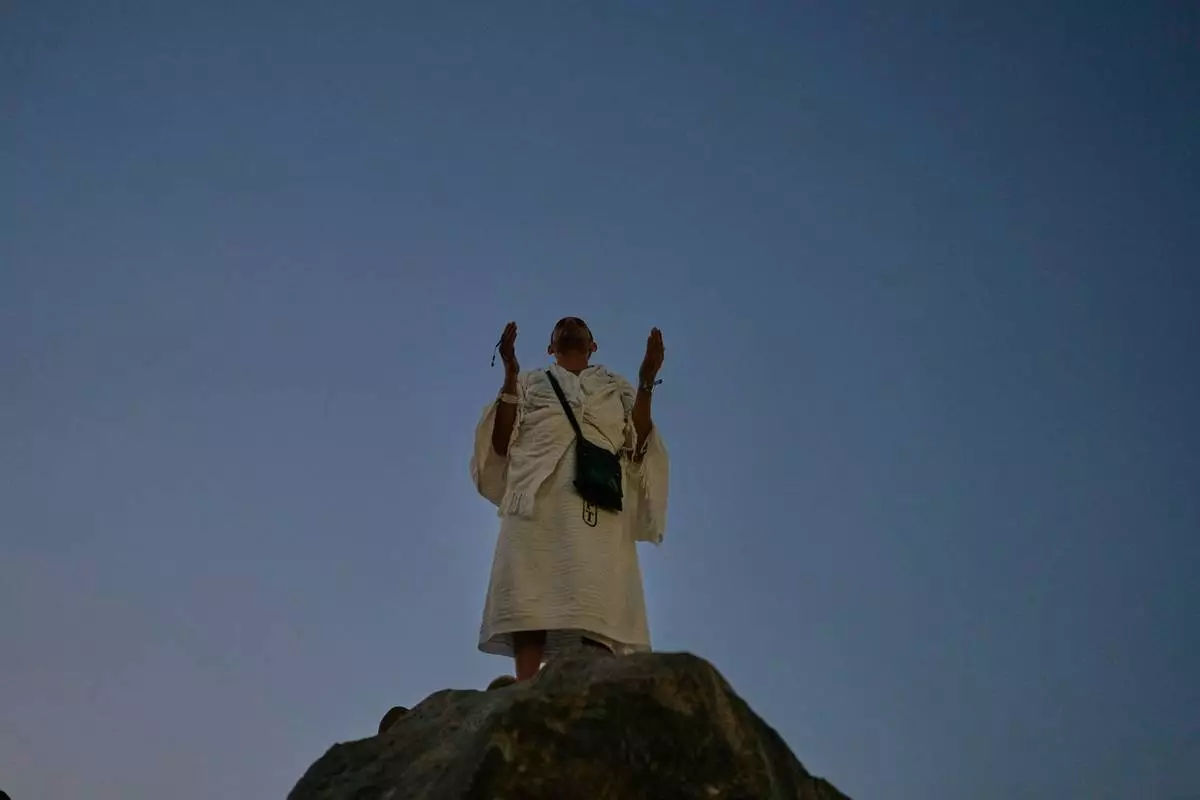
A Muslim pilgrim pray atop of the rocky hill known as the Mountain of Mercy, on the Plain of Arafat, during the annual Hajj pilgrimage near the holy city of Mecca, Saudi Arabia, Tuesday, May 26, 2026. (AP Photo/Altaf Qadri)
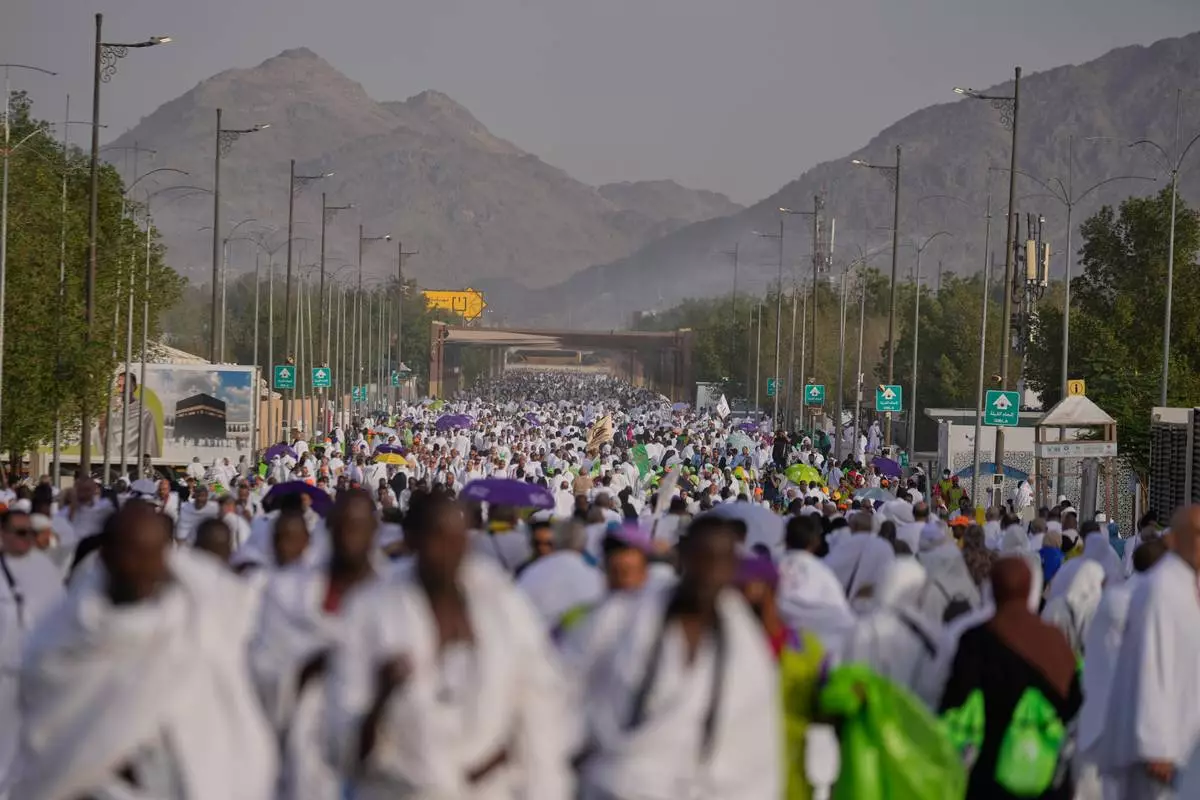
Muslim pilgrims walk towards the rocky hill known as the Mountain of Mercy, on the Plain of Arafat, during the annual Hajj pilgrimage near the holy city of Mecca, Saudi Arabia, Tuesday, May 26, 2026. (AP Photo/Altaf Qadri)
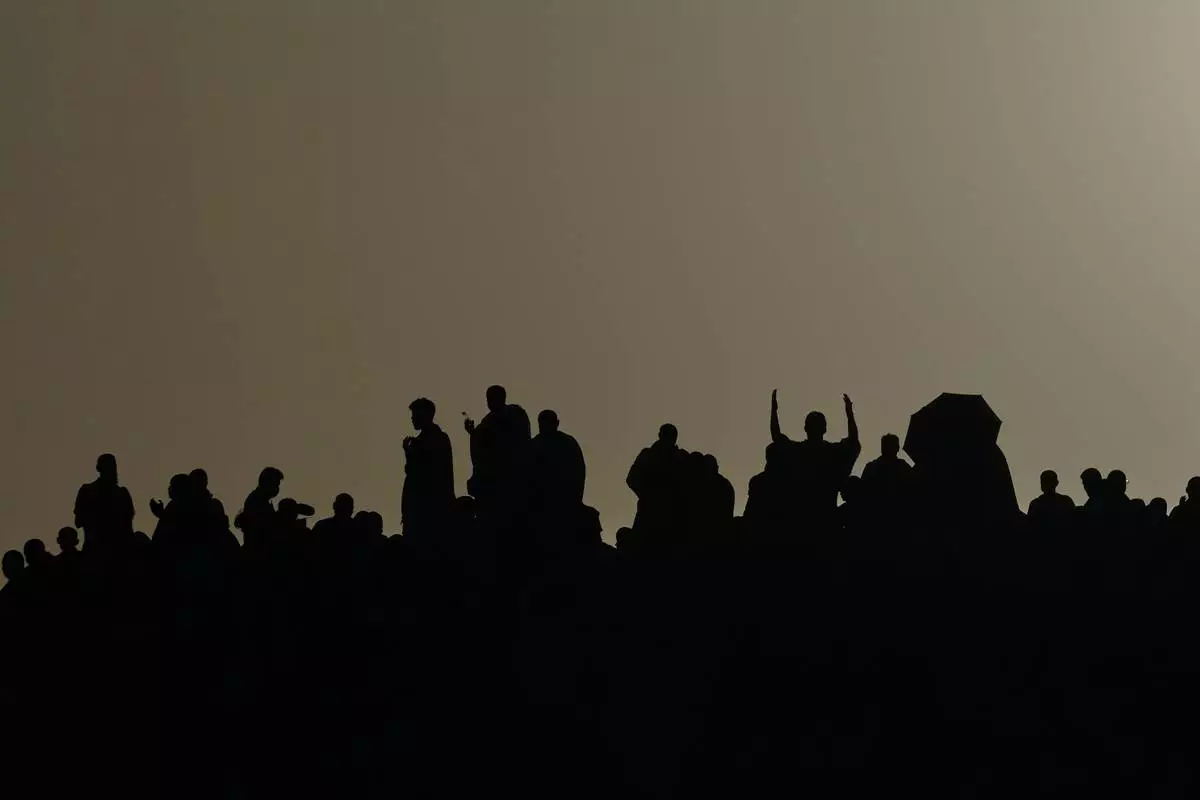
Muslim pilgrims are silhouetted as they pray at top of the rocky hill known as the Mountain of Mercy, on the Plain of Arafat, during the annual Hajj pilgrimage near the holy city of Mecca, Saudi Arabia, Tuesday, May 26, 2026. (AP Photo/Altaf Qadri)
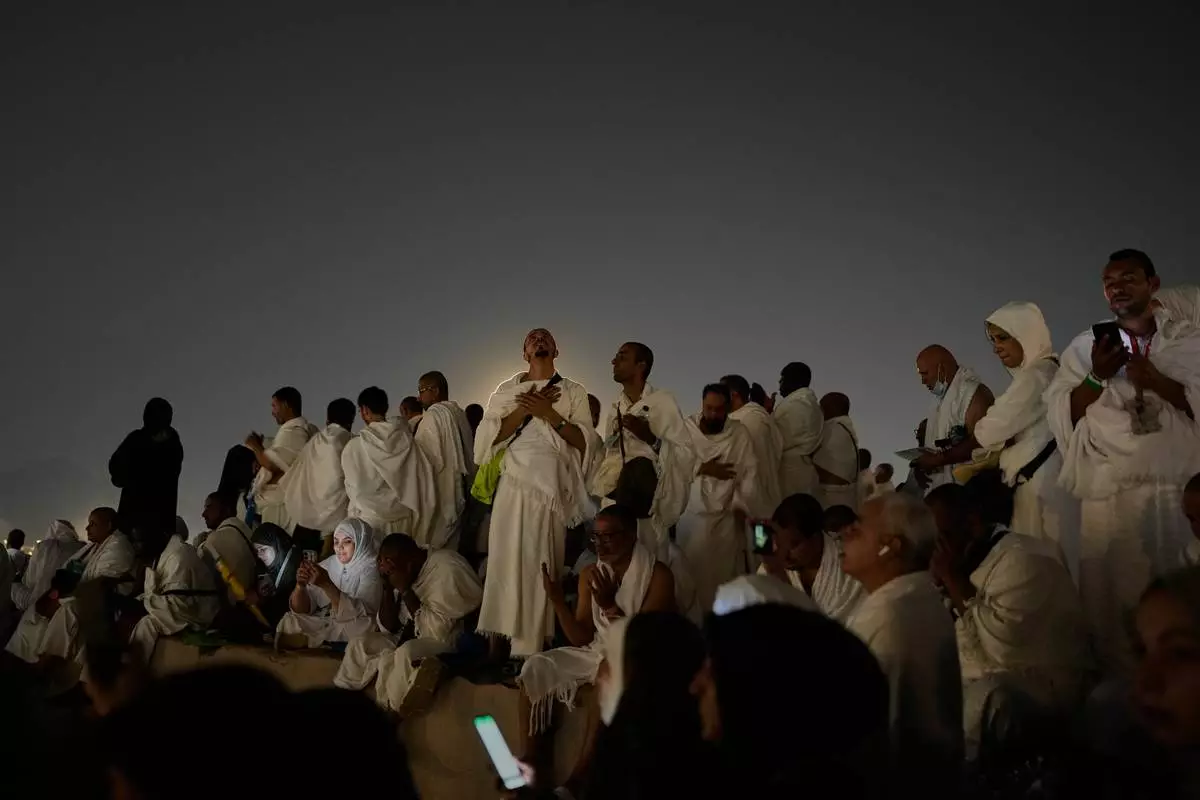
Muslim pilgrims pray at top of the rocky hill known as the Mountain of Mercy, on the Plain of Arafat, during the annual Hajj pilgrimage near the holy city of Mecca, Saudi Arabia, Tuesday, May 26, 2026. (AP Photo/Altaf Qadri)
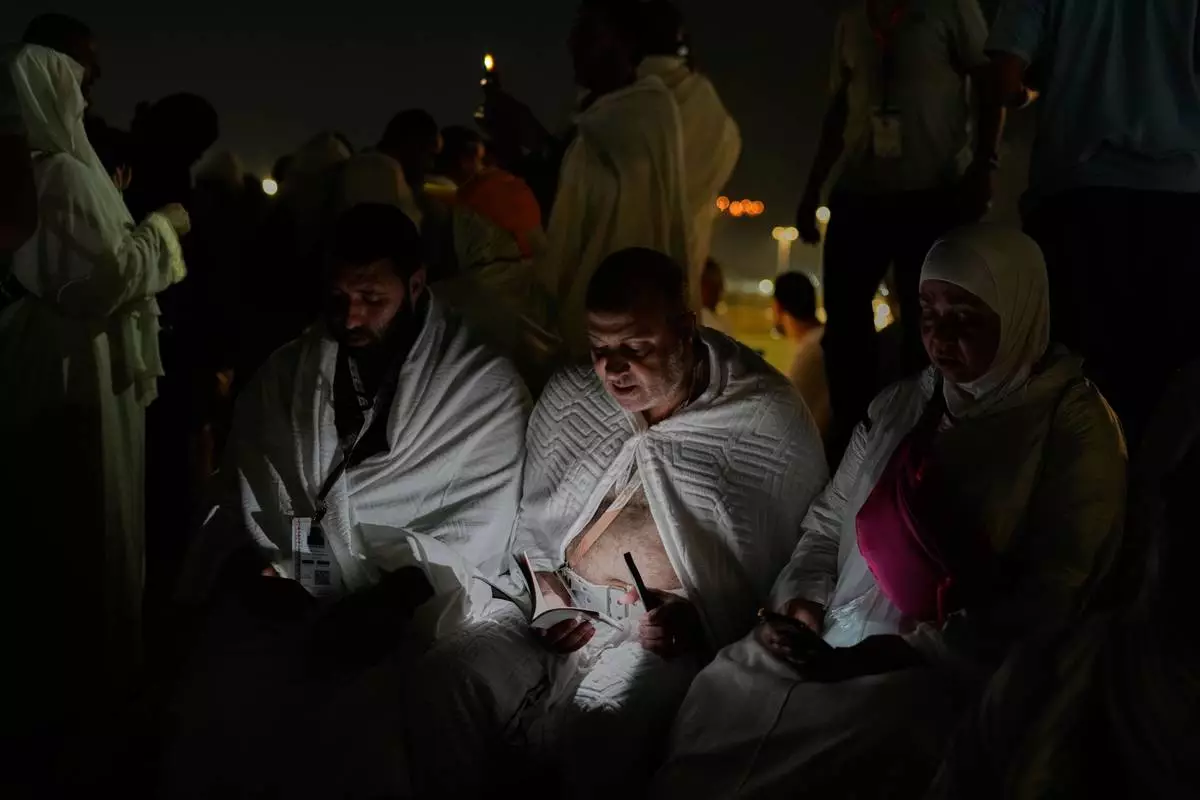
Muslim pilgrims read a copy of Islam's holy book Quran atop of the rocky hill known as the Mountain of Mercy, on the Plain of Arafat, during the annual Hajj pilgrimage near the holy city of Mecca, Saudi Arabia, Tuesday, May 26, 2026. (AP Photo/Altaf Qadri)