Economic and political stakes are rising as tensions persist along the Thai-Cambodian border, just as the crucial high season for tourism begins.
In Thailand's Trat Province, a gateway to several popular resort islands, curfews, tighter airport screening and foreign travel warnings are triggering a wave of hotel cancellations, raising fears of prolonged damage to the local tourism industry.
Though Trat is not a frontline in the conflict, it is a border province, and with clashes continuing between Thailand and Cambodia in the nearby mountains, perception alone is proving as damaging to tourism as the fighting itself.
"We're concerned that it's starting to affect the islands as a whole, which are popular tourist destinations for both Thai and foreign tourists during this time. We're starting to get information that there is an average cancellation rate of around 40 percent," said Attapol Arunwuttipong, Secretary of the Trat Chamber of Commerce.
Hotel operators in this province say that cancellations began almost immediately after clashes flared along the border and the impact ripples outward fast. Tourist cancellations led directly to lost jobs for guides, drivers, and chefs, draining the local economy at the start of the peak travel season.
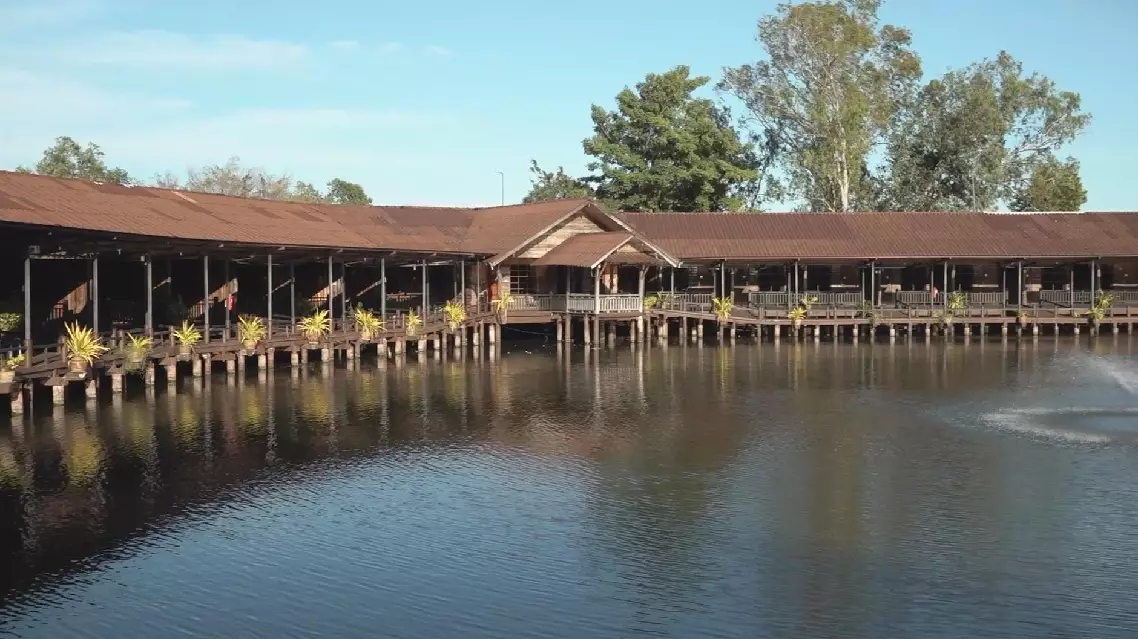
Konticha Sunate, owner of Banpu Resort, said she has lost nearly half her bookings in a matter of days. Around 50 percent of her rooms have been canceled, many by guests who were due to arrive this week. For small operators like her, the timing could not be worse.
"There's a lack of confidence. And there's a lot of uncertainty. We don't know long the fighting with Cambodia will last. That makes customers feel scared and unsure, especially at this time. I think this is the main reason why customers are canceling and not booking. So, I think recovery will be quite difficult and long," she said.
Local officials insist tourist areas remain safe, far from any military engagement, but reassurance struggles to compete with headlines of jets, artillery, and sporadic sounds of explosions.
However, not all vacationers have been deterred. Mariana Kuiken and her husband recently arrived from Belgium, deciding to stick with their plans despite the warnings.
"If we were staying close within Trat, I think I would be a little bit concerned of hearing these noises. But since we're going to be on the islands, I don't really expect to hear that. If I hear it, then yeah, I think it will be a little feel a bit different. But yeah, for now, I have confidence that it will not further escalate," said Kuiken.
Border tensions drain tourists from Thailand's Trat Province