Skip to Content Facebook Feature Image

Hainan FTP logs smooth cargo flows on 1st day of special customs operations

China

China

China

Hainan FTP logs smooth cargo flows on 1st day of special customs operations

2025-12-19 22:02 Last Updated At:22:37

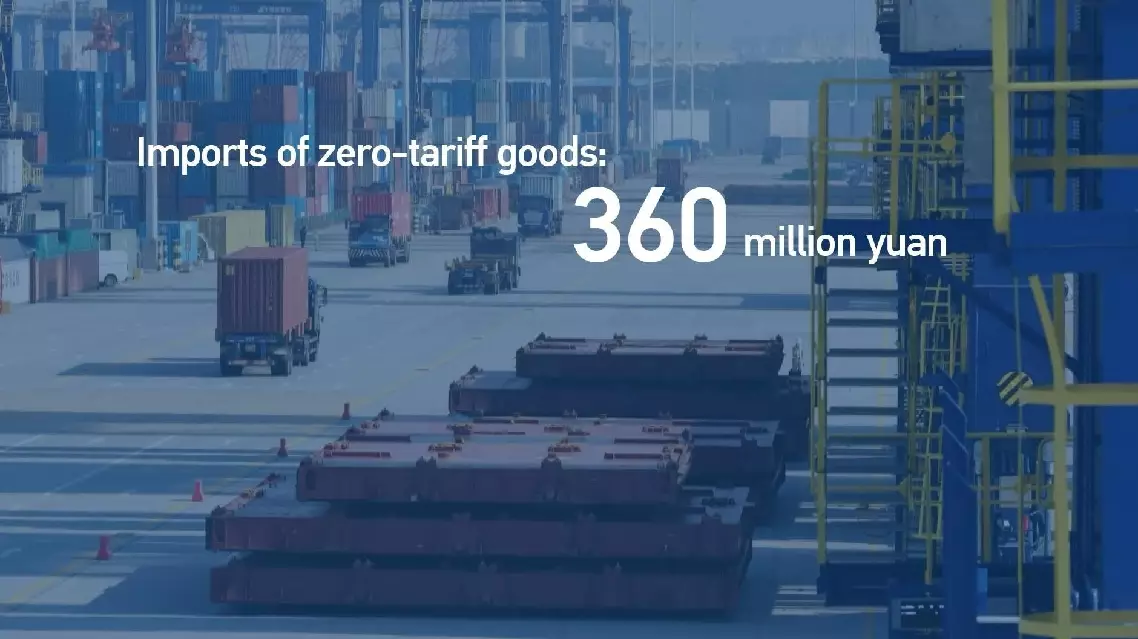
The value of zero-tariff goods imported through customs supervision of the Hainan Free Trade Port (FTP) reached 360 million yuan (about 51 million U.S. dollars) on Thursday, the first day of the island-wide special customs operations.

According to official statistics released by the Haikou Customs, major imports through the "first line" of the customs system included crude oil and aviation equipment.

Duty-free goods sold to China's mainland through the "second line," under the policy allowing products with an added value of 30 percent or more during processing, totaled nearly 14.69 million yuan (about 2.1 million U.S. dollars) on the day.

The policy resulted in tariff exemptions of 808,000 yuan (114,750 U.S. dollars), with major products including medical devices, pharmaceuticals and food.

China on Thursday launched island-wide special customs operations in the Hainan FTP, the world's largest FTP by area, allowing freer entry of overseas goods, expanding zero-tariff coverage, and introducing more business-friendly measures.

The "first line" refers to Hainan's connection with overseas markets. Meanwhile, the "second line" denotes the customs boundary between the island and China's mainland.

Officials describe the two-tiered special customs system as "freer access at the first line," referring to freer trade between Hainan and areas outside China's customs border, and "regulated access at the second line," which means maintaining standard customs controls for China's mainland.

And, three international vessels completed registration at the port of registry at the Yangpu Port in the tropical island province.
Hainan FTP logs smooth cargo flows on 1st day of special customs operations
Hainan FTP logs smooth cargo flows on 1st day of special customs operations

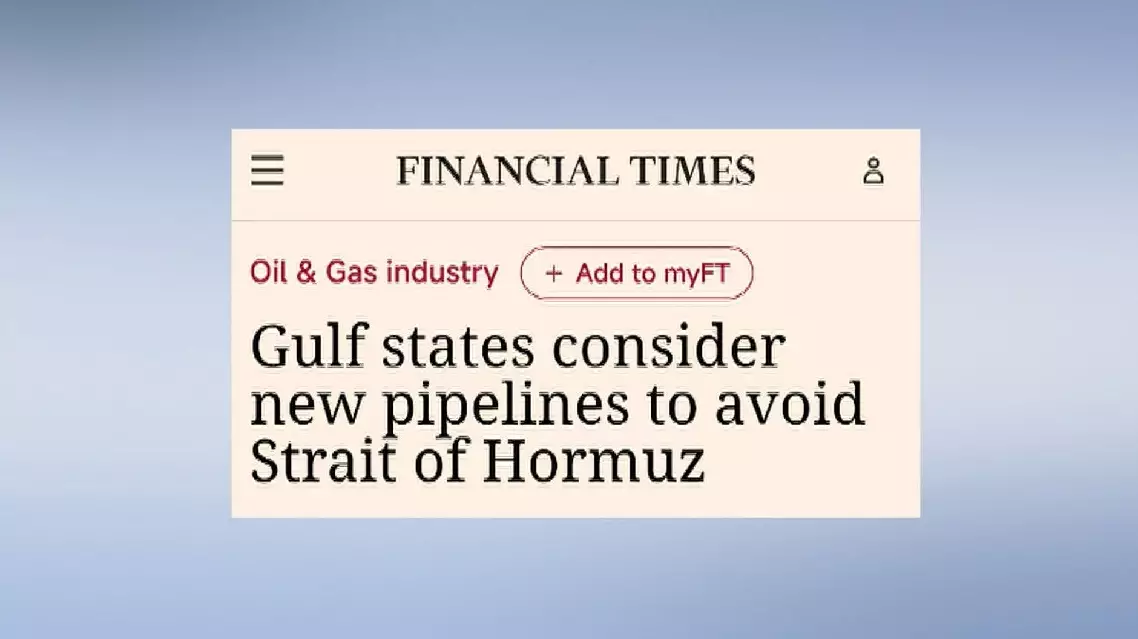
Impact of the U.S.-Israeli war with Iran is pushing Gulf countries to revisit costly plans for pipelines to bypass the Strait of Hormuz, so that they can continue to export oil and gas, the Financial Times newspaper reported on Thursday.

"Officials and industry executives say new pipelines may be the only way to reduce Gulf countries' enduring vulnerability to disruption in the strait, even though such projects would be expensive, politically complex and take years to complete," said the report.

"Previous plans for pipelines across the region have repeatedly stalled, undone by high costs and complexity," it said.

The Strait of Hormuz is a vital global energy corridor bordered by Iran to the north.

Around a fifth of global liquefied natural gas supply passed through the Strait of Hormuz, which also carries about one quarter of global seaborne oil trade.

Israel and the United States launched joint attacks on Tehran and several other Iranian cities on Feb. 28, killing Iran's then Supreme Leader Ali Khamenei, along with senior military commanders and civilians. Iran responded with waves of missile and drone strikes against Israel and U.S. assets in the Middle East, while tightening control over the Strait of Hormuz by restricting passage to vessels belonging to or affiliated with Israel and the United States.

Gulf countries consider new pipelines to avoid Strait of Hormuz: Financial Times

Gulf countries consider new pipelines to avoid Strait of Hormuz: Financial Times

Recommended Articles