Skip to Content Facebook Feature Image

Japan's rate hike increases burden on housing, business investment: economist

HotTV

HotTV

HotTV

Japan's rate hike increases burden on housing, business investment: economist

2025-12-20 16:52 Last Updated At:12-21 13:15

The latest interest rate hike by the Bank of Japan (BOJ), the country's central bank, will increase people's housing burdens and harm the investment environment for businesses, said a Japanese economist.

The BOJ on Friday raised its benchmark interest rate by 25 basis points to 0.75 percent, its highest level in three decades, after a two-day monetary policy meeting.

The move marked the first rate hike since January and also the first under the administration of Prime Minister Sanae Takaichi, who advocated an aggressive fiscal policy and monetary easing.

Hideo Kumano, chief economist of the Economic Research Department of the Dai-ichi Life Research Institute in Tokyo, said in an interview with China Media Group (CMG) that the rate hike will pose a heavier burden on those planning to buy estates.

"First, the burden will increase significantly for families applying for new home loans in the future, as the variable interest rate on mortgages will also change. For businesses, corporate bond issuance rates are rising, which is a negative factor for both housing and equipment investment," he said.

Following the BOJ's announcement of an interest rate hike, the yield on 10-year Japanese government bonds, a benchmark for long-term interest rates, briefly exceeded 2 percent in the Tokyo bond market. Kumano said the rate hike will exacerbate the burden of interest payments on Japanese government debt.

"A long-term interest rate exceeding 2 percent is highly impactful, given that Japan's debt is more than twice its GDP. If long-term interest rates rise too rapidly, government tax revenue growth will be insufficient to cover the increased interest payments, further squeezing the flexibility of Japan's fiscal operations," he said.

Due to a significant shortage of fiscal resources, the Japanese government decided to issue over 11 trillion yen (around 69.7 billion U.S. dollars) in additional government bonds on Dec 16. Kumano said that the Japanese government's reliance on government bonds could further push up long-term interest rates.

Japan's rate hike increases burden on housing, business investment: economist

Japan's rate hike increases burden on housing, business investment: economist
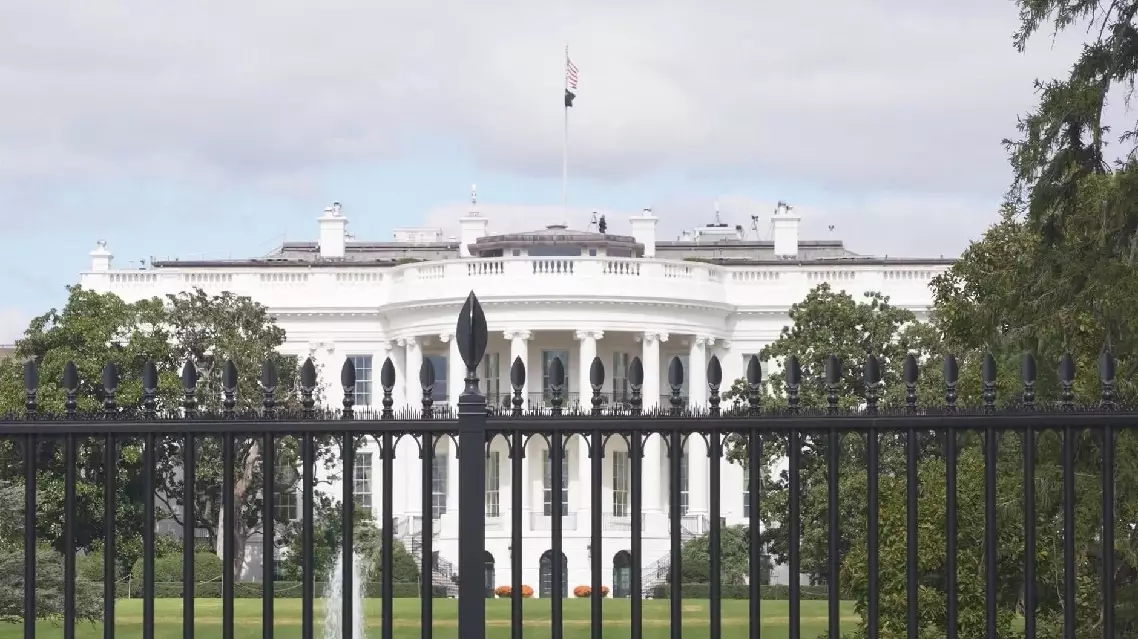
Japan's rate hike increases burden on housing, business investment: economist

Japan's rate hike increases burden on housing, business investment: economist

U.S. President Donald Trump said Sunday that Israel's attack on Beirut "should not have happened," while the Israeli military said it will continue its operations in Lebanon.

Israeli Prime Minister Benjamin Netanyahu and Defense Minister Israel Katz said in a joint statement that the Israeli military struck Hezbollah targets in southern Beirut's Dahieh suburb on Sunday, in response to firing into Israeli territory.

Meanwhile, Lebanese media reported an Israeli airstrike targeted a building in the Ghobeiri area in Beirut's southern suburbs.

The strike drew criticism from Trump, who said a regional peace deal, including Lebanon, was "very close" and urged all parties, especially Israel, to stand down.

"We are very close to a deal that will bring peace to the region, including to Lebanon, and all sides should stand down," he wrote on Truth Social.

"This morning's attack on Beirut should not have happened, particularly on a special day when we are so close to a Peace Deal with Iran," he wrote.

Israel's Sunday strikes should not disrupt the diplomacy efforts for a U.S.-Iran peace deal, Trump said.

"There should be no more attacks by Israel anywhere in Lebanon, but there should also be no more attacks by any other party, including Hezbollah, against Israel," the U.S. president added.

On the same day, the Israel Defense Forces said in a statement that Israeli military chief Eyal Zamir, during his inspection of the Northern Command, said Israeli forces will continue military operations in Lebanon in an effort to secure more favorable terms in future U.S.-mediated negotiations between the two sides.

Zamir said the IDF's operations in key areas such as the Beaufort Ridge in southern Lebanon were crucial, and that Israeli forces will continue their offensive and deepen their ground advance in necessary areas to eliminate security threats posed by Hezbollah.

He added that the IDF remains on high alert for potential developments on other fronts.

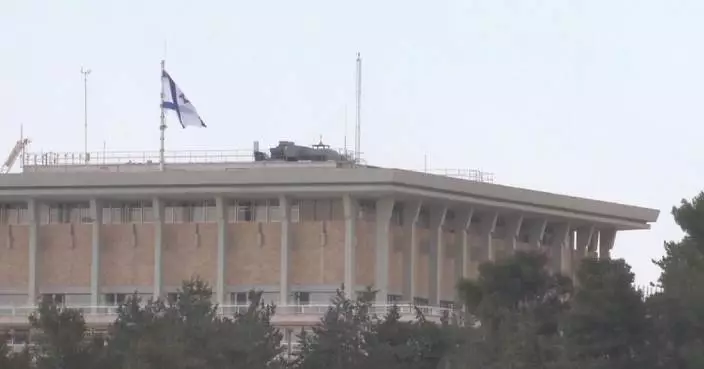
Trump says Israeli strike on Beirut should not have happened; Israel says it will continue Lebanon operations

Trump says Israeli strike on Beirut should not have happened; Israel says it will continue Lebanon operations

Recommended Articles