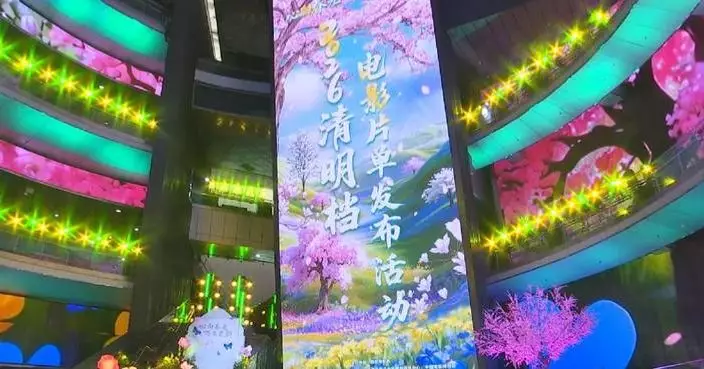
The inaugural CIIE U-Fair, an extension of the influential China International Import Expo, kicked off in Shanghai on Friday, bringing selected popular exhibits to individual consumers.
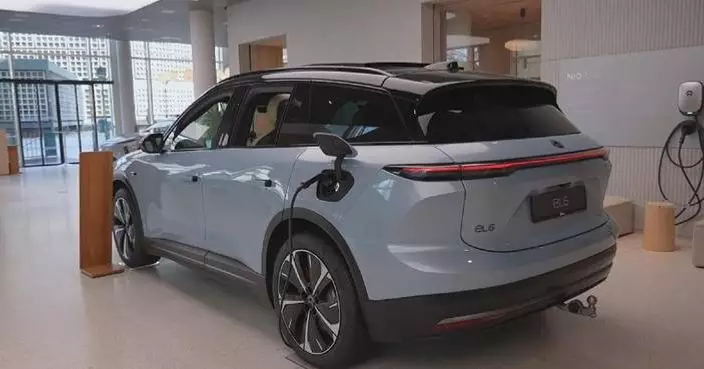
Dubbed a "mini CIIE," the three-day U-Fair spans over 53,000 square meters and features more than 700 enterprises from over 60 countries and regions, offering a wide array of products, including food, agricultural products, health supplements and automobiles.
"It's quite interesting. Here, you can see a huge variety of products at once. You can also spot some products and brands that you can't see in the shopping malls," said Xu, a visitor.
"I had bought some at the CIIE and was still not satisfied, so I pulled a suitcase over again to do some shopping today," said another visitor.
The fair primarily targets consumers but also attracts numerous buyers, service providers, and channel partners looking to connect with international brands.
Notably, a dedicated 500-square-meter zone for new brands that debuted at the CIIE has been set up to showcase over 100 innovative products, enabling cutting-edge innovations from around the world to reach the Chinese market more quickly and directly, fostering faster global innovation exchange.
As the world's first national-level import-themed expo, the 8th CIIE took place in Shanghai from November 5 to 10, recording 83.49 billion U.S. dollars in one-year intended deals, up 4.4 percent from the previous edition and hitting a new high.
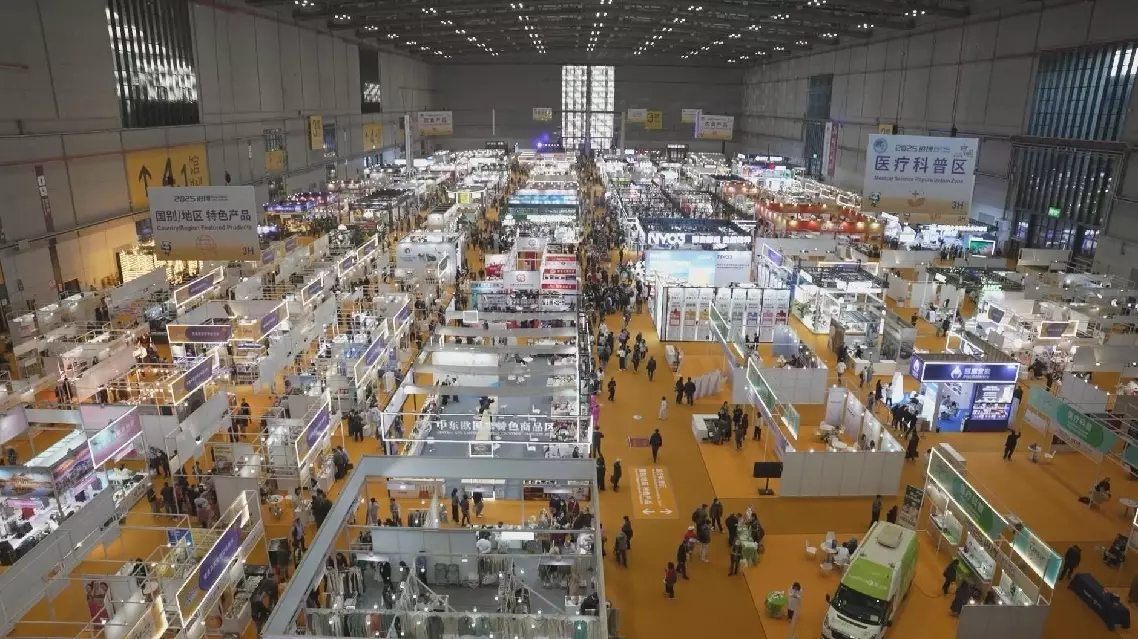
CIIE U-Fair sparks new spending spree in Shanghai
Sri Lankan Prime Minister Harini Amarasuriya described the current state of bilateral relations with China as entering a "stronger chapter" grounded in mutual respect, commitment and trust.
In an interview with China Media Group (CMG) aired on Friday, Amarasuriya emphasized the enduring friendship between the two countries and expressed confidence that the relationship is poised for even greater stability.
"We've had a long standing relationship. And this is a new chapter. And I think a stronger chapter, because I only see the relationship getting stronger, becoming stronger, because the thinking process is aligned, the vision is more aligned, and the strategies are more aligned. So, this relationship, I am confident, will continue to be an example of what a good, strong bilateral relationship [is] -- one that is based on mutual respect and commitment and trust, and what it can deliver for both countries," she said.
Her remarks build on assurances made during her October 2025 visit to Beijing, when President Xi Jinping underscored the Five Principles of Peaceful Coexistence and pledged support for Sri Lanka’s sovereignty and independence. At that time, both sides highlighted the relationship as a model of friendly ties and mutually beneficial cooperation, with Sri Lanka reaffirming its adherence to the one-China principle.
While the earlier discussions centered on Belt and Road projects and China’s global initiatives, Amarasuriya’s latest comments mark a shift toward strategic alignment, stressing shared vision and coordinated pathways.
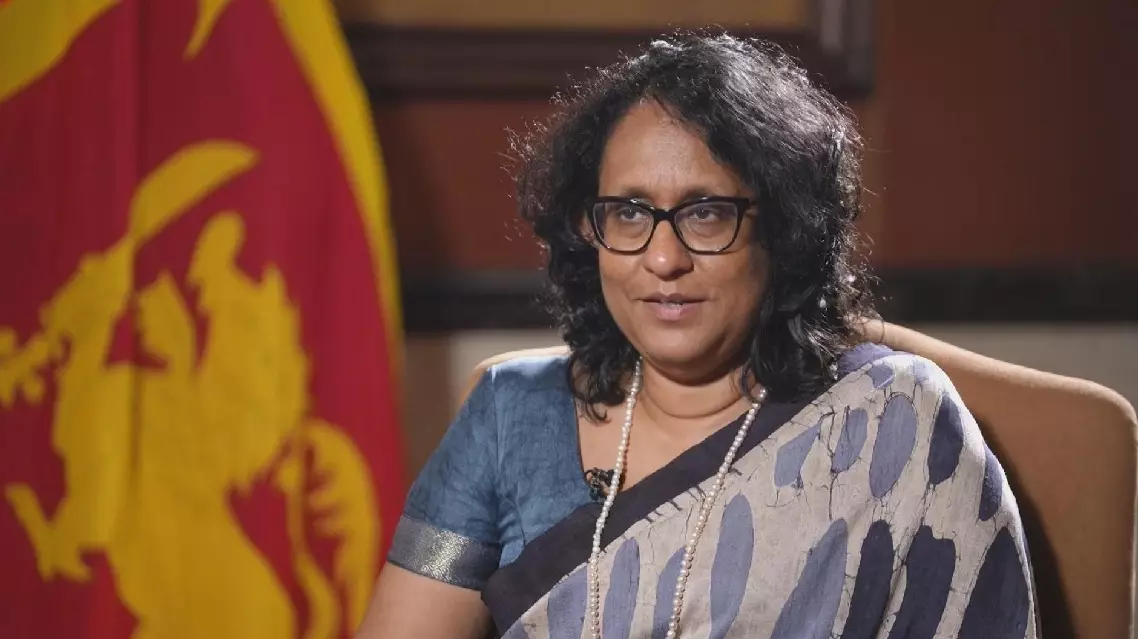
Sri Lanka PM highlights stronger chapter in China ties built on trust, shared vision
Sri Lanka PM highlights stronger chapter in China ties built on trust, shared vision