Skip to Content Facebook Feature Image

Displaced Thai farmers anxious to return home despite continued border clashes with Cambodia

HotTV

HotTV

HotTV

Displaced Thai farmers anxious to return home despite continued border clashes with Cambodia

2025-12-21 12:21 Last Updated At:12-22 12:38

Despite ongoing hostilities along the Thai-Cambodian border, some locals in Thailand's Buriram province are already returning home to maintain their livelihoods.

Since a new round of fighting erupted on December 7 along the Thai-Cambodian border, over 700,000 people have fled their homes, with agriculture halted and livelihoods at risk.

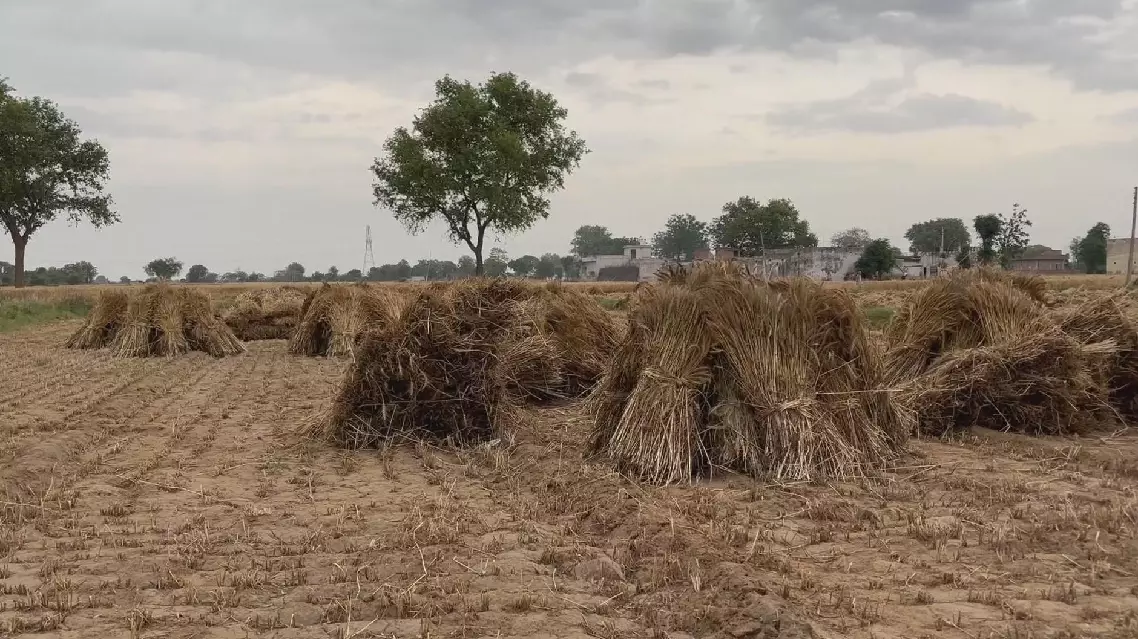
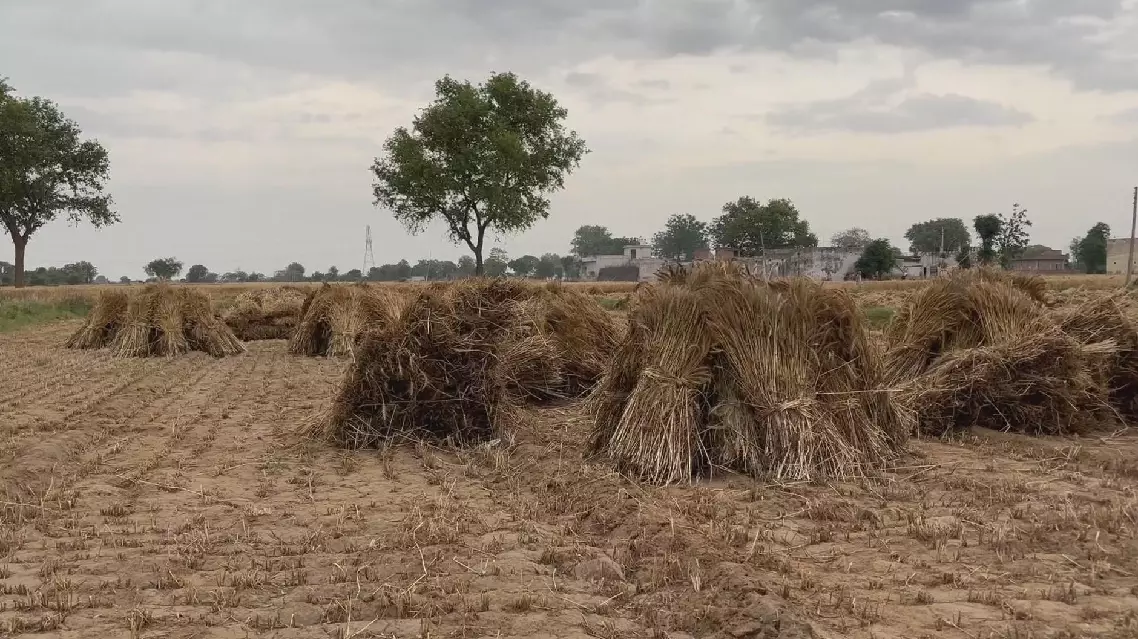
In farmland just miles from the Thai-Cambodian border, the normally thriving fields of sugarcane, rubber, and rice now lie abandoned amid the aftermath of renewed clashes between the two countries. Yet, signs of cautious return are visible.

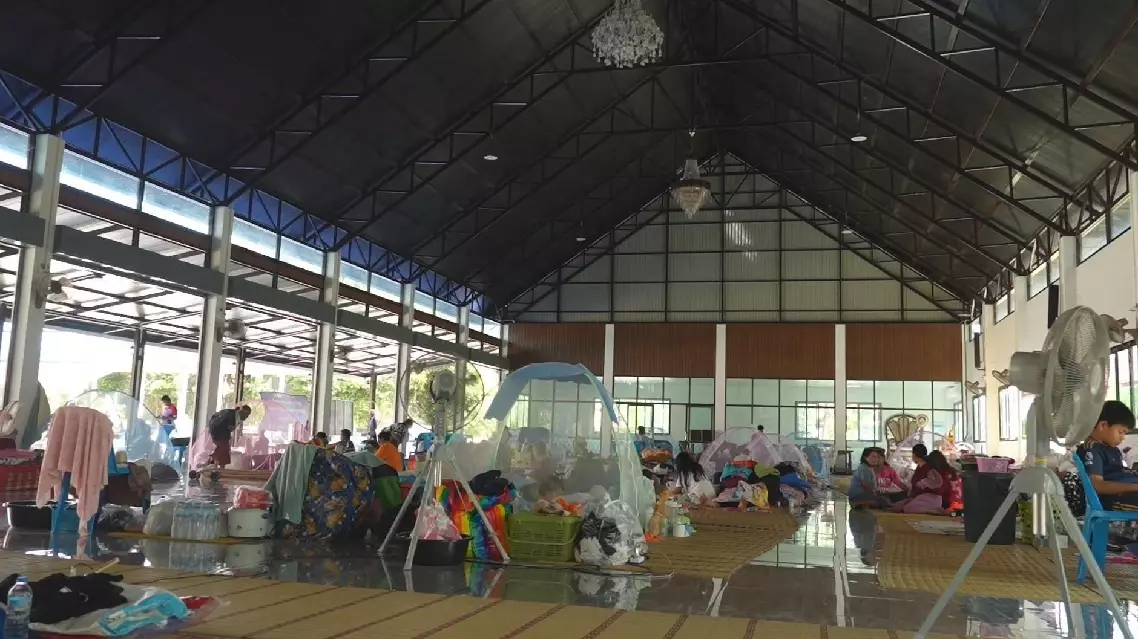
Forced to flee when conflict broke out, many families from Buriram's border villages found temporary shelter in evacuation camps. December is typically a busy harvest season in the area.

"We grow rubber trees, and this was the best tapping season. But now we can't do it because of the fighting. The rubber's dried out. Even though conditions at the shelter are good, when I get back home, I know there won't be any income this year. I'll have to wait for next year," said one evacuee at a local shelter.

Another displaced resident worried about recently planted crops.

"We grow crops and sugarcane. On December 5, we just planted sugarcane, and then two days later, the fighting started," she said. Asked whether anyone had returned, she replied, "My husband already went back. It's dangerous for sure." She added that they didn't have a choice, as it was their only livelihood.

Taweewat Sae-Tang, an official of Khok Ma subdistrict in Buriram, confirmed fewer people are now staying in shelters.

"On December 8 and 9, we had about 2,700 people at this shelter. But now things have calmed somewhat, and we're down to 600 or 700 people. They're very worried about their property at home, houses, cows, buffaloes, rubber plantations, sugarcane fields, and pigs. Many people are eager to return," he said.

While anxious farmers are returning home, both Thai and Cambodian governments confirmed on Saturday that armed skirmishes have not ceased.
Displaced Thai farmers anxious to return home despite continued border clashes with Cambodia
Displaced Thai farmers anxious to return home despite continued border clashes with Cambodia
Displaced Thai farmers anxious to return home despite continued border clashes with Cambodia
Displaced Thai farmers anxious to return home despite continued border clashes with Cambodia

Displaced Thai farmers anxious to return home despite continued border clashes with Cambodia

Displaced Thai farmers anxious to return home despite continued border clashes with Cambodia
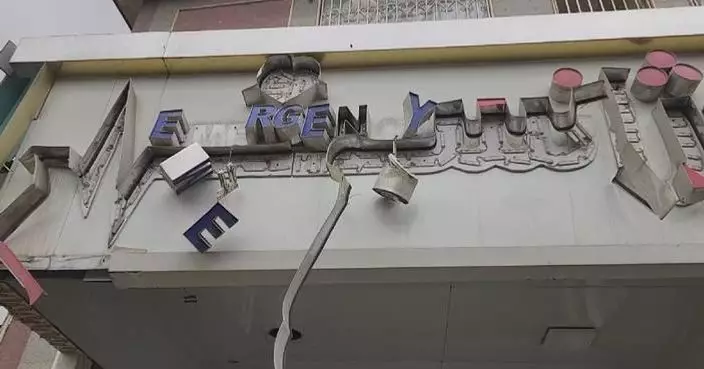
Farmers in India, a major agricultural producer and fertilizer importer, are raising concerns over fertilizer availability ahead of the planting season, as the escalating Middle East conflict and disruptions to shipping through the Strait of Hormuz put global supplies at risk.

The Middle East serves as both a vital energy hub and a major global fertilizer supplier, yet the ongoing U.S.-Israeli war with Iran has heightened risks of disruption to international supplies.

Chand Singh Yadav, a farmer in Haryana, a northern Indian state, said poor crop yields would be disastrous for the country and called on the government to ensure adequate supplies of fertilizers, agrochemicals and seeds to prevent a food crisis. "Without fertilizers, our crops will not grow well, and this would be disastrous for the entire country. If farmers cannot grow crops, people will not be able to buy food in the market. We urge the government to improve the supply system for fertilizers, agrochemicals and seeds to prevent the country and society as a whole from sliding into a food crisis," he said.

The Indian government is stepping up subsidies for farmers and optimizing fertilizer distribution and allocation to stabilize the supply. Prices have remained broadly stable, but demand is expected to surge ahead of the planting season, potentially exacerbating supply pressures.

"The current situation is worrying for us farmers. Spring sowing has not yet started, and the rainy season has not arrived. Fertilizer prices are temporarily stable, but in two months, demand for agricultural fertilizers will become pressing. Without fertilizers, it will be difficult to properly cultivate various types of crops. Urea and diammonium phosphate are especially critical. Crops can only grow normally when these fertilizers are applied. As these fertilizers are largely imported, if the conflict persists, supplies cannot be guaranteed," said Santosh Mishra, a farmer in India's eastern state of Odisha.

Escalating Middle East conflict strains India’s fertilizer supply

Escalating Middle East conflict strains India’s fertilizer supply

Escalating Middle East conflict strains India’s fertilizer supply

Escalating Middle East conflict strains India’s fertilizer supply

Recommended Articles