China's first official license plate dedicated to Level-3 (L3) autonomous driving was issued in the southwestern city of Chongqing on Saturday, marking a leap as advanced driving technologies transitions from limited testing authorization to formal road access.
The license plate, bearing the number of "Yu-AD0001Z," was granted by the municipal public security and traffic administration authority to a car manufactured by Chinese auto maker Changan Automobile.
Last week, the Ministry of Industry and Information Technology (MIIT) granted permits to two electric sedans -- one from Changan Automobile and the other from BAIC Motor's Arcfox -- to offer L3 self-driving functions on select roads in Chongqing and Beijing, respectively.
The step from Level 2 to Level 3 is a critical transition from assisted driving to automated driving. Level 3, "conditionally automated driving," allows vehicles to perform dynamic automated driving tasks while requiring a human driver to remain available to take control when requested.
At present, Changan Automobile's L3 autonomous driving system has been tested on real roads in Chongqing for over 5 million kilometers.
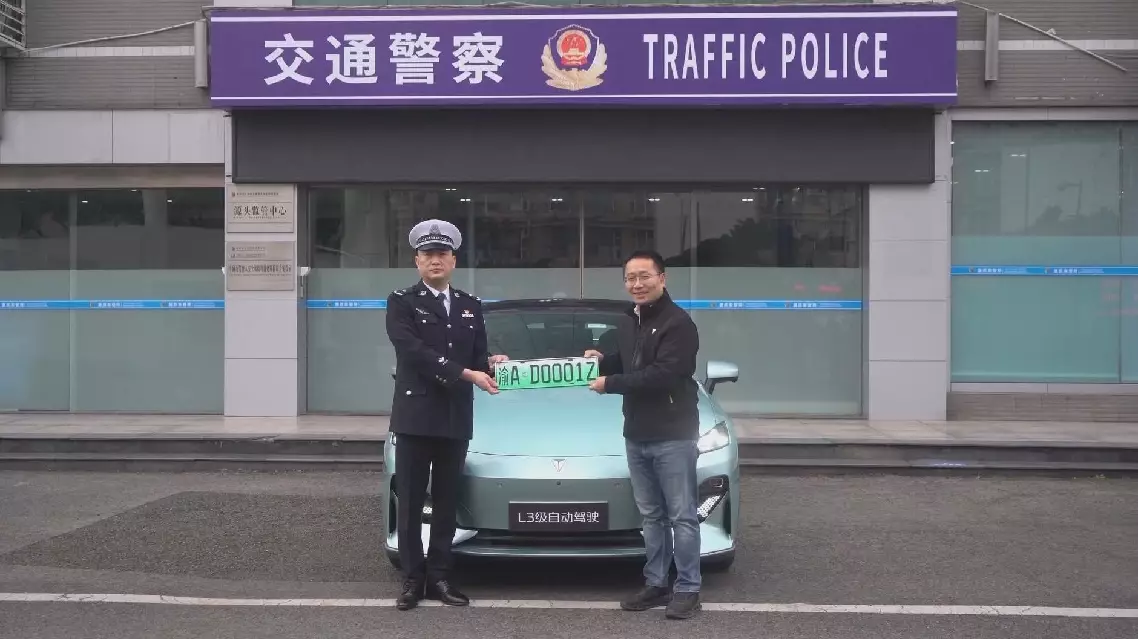
China grants first L3 autonomous driving license plate in southwestern city
China grants first L3 autonomous driving license plate in southwestern city
The European Union is facing the risk of a stagflationary shock as the ongoing conflict in the Middle East is driving up energy prices and clouding the economic outlook, European Commissioner for Economy Valdis Dombrovskis said on Monday.
The European Commission's spring 2026 economic forecast, to be released later this week, will see economic growth figures adjusted down and inflation figures up, said Dombrovskis during an interview while attending a meeting of finance ministers from the Group of Seven (G7) in Paris.
With the Strait of Hormuz closed and oil prices staying above 100 U.S. dollars per barrel, fears of stagflation have risen in recent weeks, said Dombrovskis, adding that the margin of action by policymakers is "more limited" now.
The commissioner said it's important that the bloc take temporary, targeted support measures rather than measures that sustain high demand for fossil fuels.
Dombrovskis also described the EU's release of strategic oil reserves as "ongoing," while warning of concerns about shortages in areas such as innovative fuels.
The International Energy Agency Executive Director, Fatih Birol, said on Monday that commercial oil stocks are declining "rapidly", with several weeks of supply left due to the consequences of the conflict in the Middle East.
Europe could face fuel shortages by the end of this month.
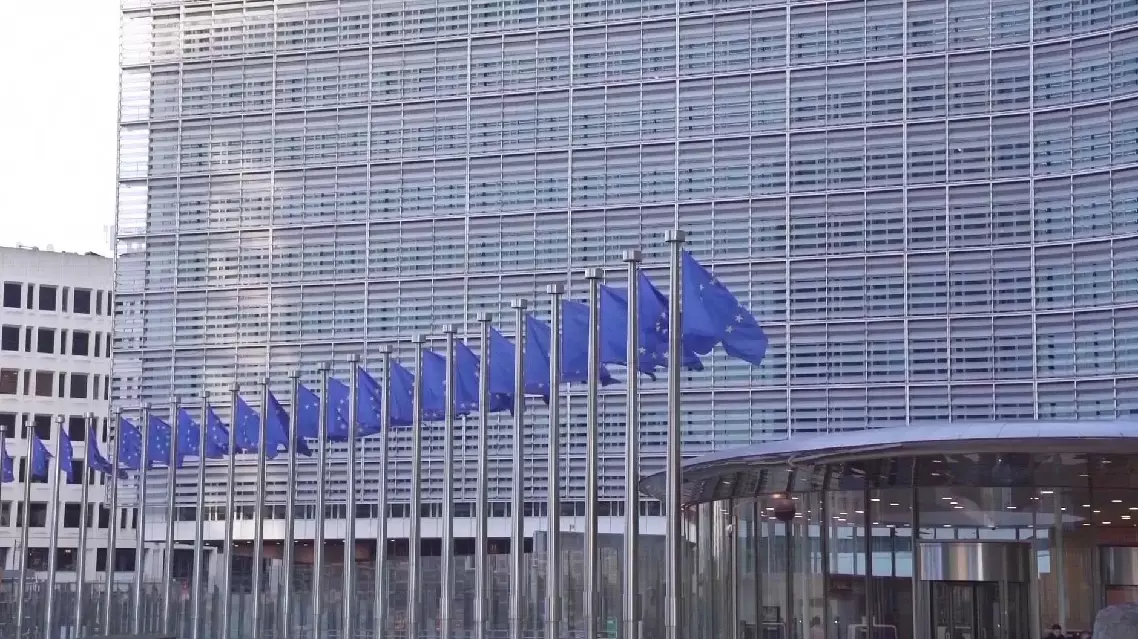
EU at risk of stagflation amid Middle East conflict: commissioner