European economies face mounting pressure as the prolonged blockade of the Strait of Hormuz continues to reverberate through global energy, fertilizer, and grain supply chains, according to Swedish scholars.
The experts called on all parties involved to prioritize dialogue and diplomatic cooperation to de-escalate tensions in the strategically vital waterway.
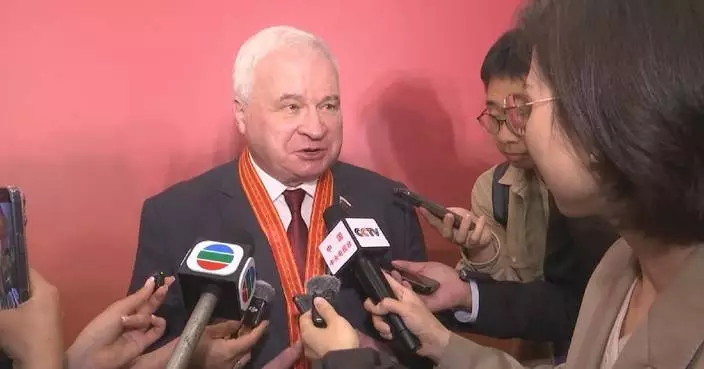
"We hope it (the blockade) will not last one day longer. We hope they can finally find some way of ending hostilities, and negotiate some kind of peace that will benefit the world, especially at this crucial time when fertilizers and oil and goods need to travel through this strait in order to fertilize lands all over Europe and all over the world," said Thomas Karlsson, a researcher with the Belt and Road Institute in Sweden.
The Strait of Hormuz, a narrow passage between the Persian Gulf and the Gulf of Oman, serves as a critical artery for global trade. Approximately one-third of the world's seaborne fertilizers and nearly half of its sulfur transit through the strait. A sustained blockade would severely disrupt fertilizer distribution, triggering sharp price spikes that could impact agricultural production worldwide.
Moreover, roughly 20 percent of global seaborne oil trade passes through the chokepoint, meaning any prolonged interruption would further destabilize energy markets and intensify inflationary pressures across oil import-dependent regions, particularly in Europe.
"I think that the issue is obviously affecting the European economy, so hopefully, this can be ended -- this conflict. So now, if the region can establish more reasonable directions, not only economically, this will be certainly beneficial for Europe and for Sweden as well," said Stephen Brawer, chairman of the Belt and Road Institute in Sweden.
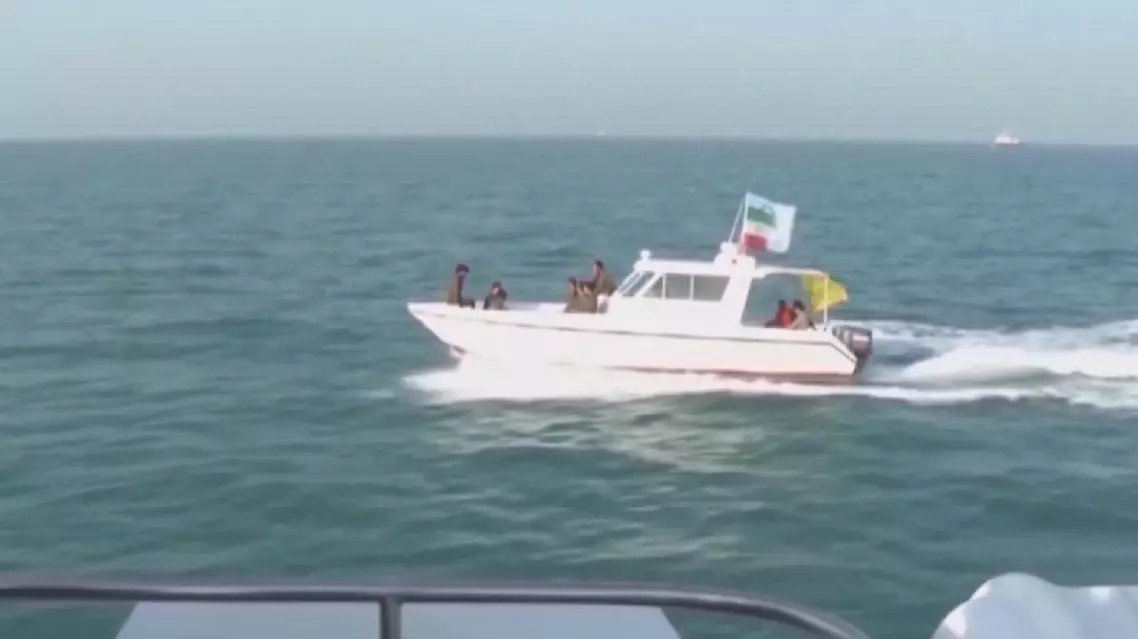
Iran on Monday announced the establishment of the Persian Gulf Strait Authority (PGSA) to manage the Strait of Hormuz, while launching the new body's official social media account to provide real-time updates on developments in the strategic waterway.
On the same day, Iran's Islamic Revolution Guard Corps (IRGC) announced via its official news outlet Sepah News that all fiber-optic cables passing through the Strait of Hormuz will be subject to its permit, supervision and toll.
Prolonged Hormuz Strait blockade weighs heavily on European economy: Swedish scholars