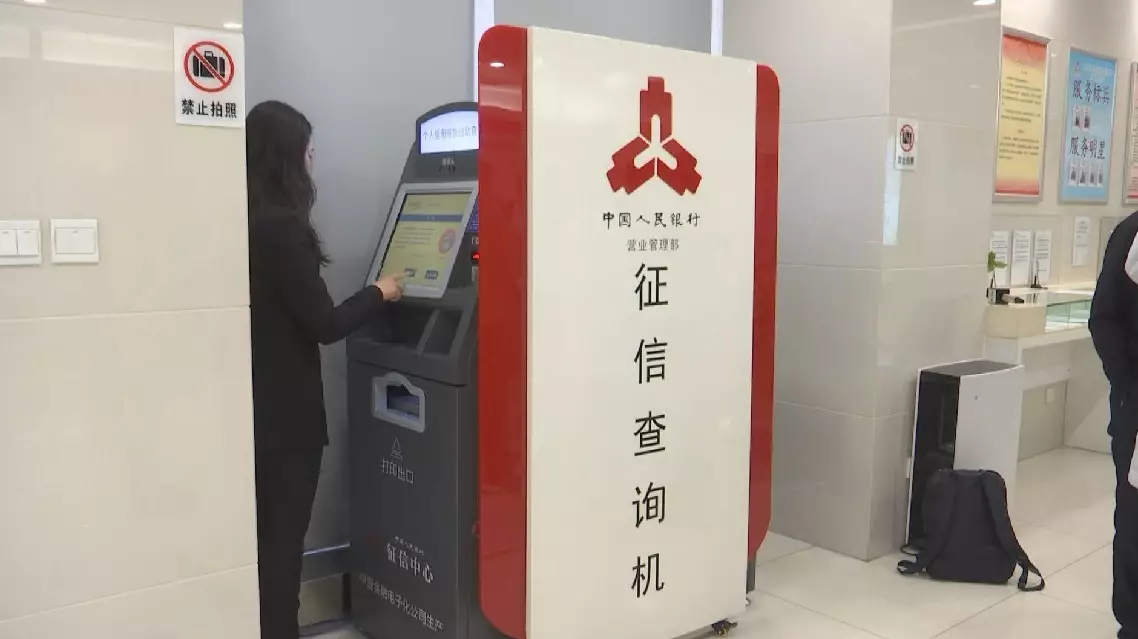
China's central bank on Monday rolled out a one-time credit repair policy on its official website to support efficient and convenient credit restoration for individuals who, despite past credit impairments, are demonstrating positive repayment behavior.
According to the policy made by the People's Bank of China (PBOC), the central bank, for personal overdue information with a single amount not exceeding 10,000 yuan (about 1,420.26 U.S. dollars) during the period from January 1, 2020 to December 31, 2025, the financial credit information database will not display the overdue information if the individual repays the overdue debt in full before March 31, 2026.
The policy does not differentiate between financial institutions or business types, nor does it limit the number of transactions. The policy also requires no application or action from individuals, and no supporting documentation is needed. The credit information system automatically identifies and processes eligible overdue information.
"Credit has long been integrated into all aspects of daily life, and this policy clearly draws a rigid bottom line: those with outstanding debts will not be included in the repair scope. Through precise measures, the credit system will have both 'teeth' and 'warmth'," said Zhang Jun, chief economist at China Galaxy Securities.
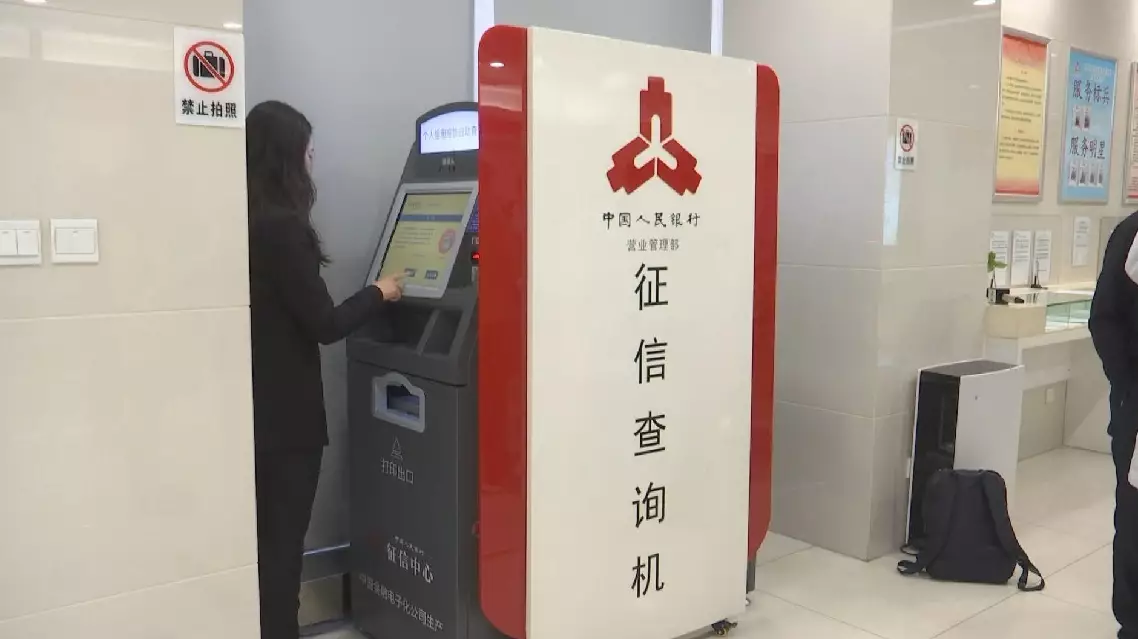
China's central bank rolls out one-time credit repair policy

An American content creator has given his take on a surprising new viral trend which has taken social media by storm, as global internet users joke about entering a "very Chinese phase" of their lives.
The unexpected phenomenon which is sweeping across the online world shines a new spotlight on Chinese culture and lifestyle, and sees users declare they are "becoming Chinese" alongside the phrase "you've met me at a very Chinese time of my life," accompanied by videos of them adopting Chinese habits on various social media platforms.
U.S. influencer Paul Mike Ashton, known online as 'BaoBaoXiong', gained fame for coining the phrase which led to the "city or not city" meme back in 2024.
As for this latest online sensation, Ashton believes it's not just another amusing meme, but also a casual way to experience Chinese culture through everyday details, rather than abstract stereotypes.
He said the current wave is giving foreign audiences a fresh, tangible perspective on China, which makes cultural exchange more engaging and relatable.
"As a content creator, I absolutely think that this is going to be changing the way people perceive China in general. Oftentimes when we need simplified stories, we need people to see things as a whole unit as opposed to their little parts. I would say even just the practice of doing these things is giving you a chance to engage with the culture and engage with specifics instead of just kind of this big overall idea and getting new experience like 'OK, this particular form of life actually does really feel very nice and very comfortable'. I think it also gives a chance for Chinese creators to take more of a spotlight and actually talk a little bit more about their culture in ways that people will listen because there's a curiosity about this," he said.
Ashton also believes there are other deeper reasons for why this "becoming Chinese" trend has taken off, pointing to the current challenges and level of discontent many people feel in the U.S., which means many are looking for some form of escapism.
"I think I've heard somebody mention before kind of this idea that the U.S., politically and economically, is in a very sensitive time. There's a lot going on and there's a lot of unrest and a lot of unhappiness and a lot of unsatisfaction. So, I think that it's been proposed this idea that people are kind of looking for stuff outside of these sorts of traditional cultural superpowers to kind of find a sense of either excitement or safety or comfort," he said.
Ashton also pointed to how concerns over the future of the popular TikTok app early last year saw many online users flocking over to the Chinese mobile app RedNote as being another notable factor driving the emergence of these online trends.
He said this renewed global interest in Chinese culture has created fresh engagement channels on other international platforms.
"This is almost a year now since the initial TikTok refugee exodus last year in which a lot of people suddenly took interest in Chinese culture in a new way than before. So, I think there's been since then some opportunities to engage with and interact with Chinese culture in TikTok, in international social media, besides just China on its own that definitely I think has influenced this becoming a bigger trend," he said.
US influencer shares thoughts on 'Becoming Chinese' trend