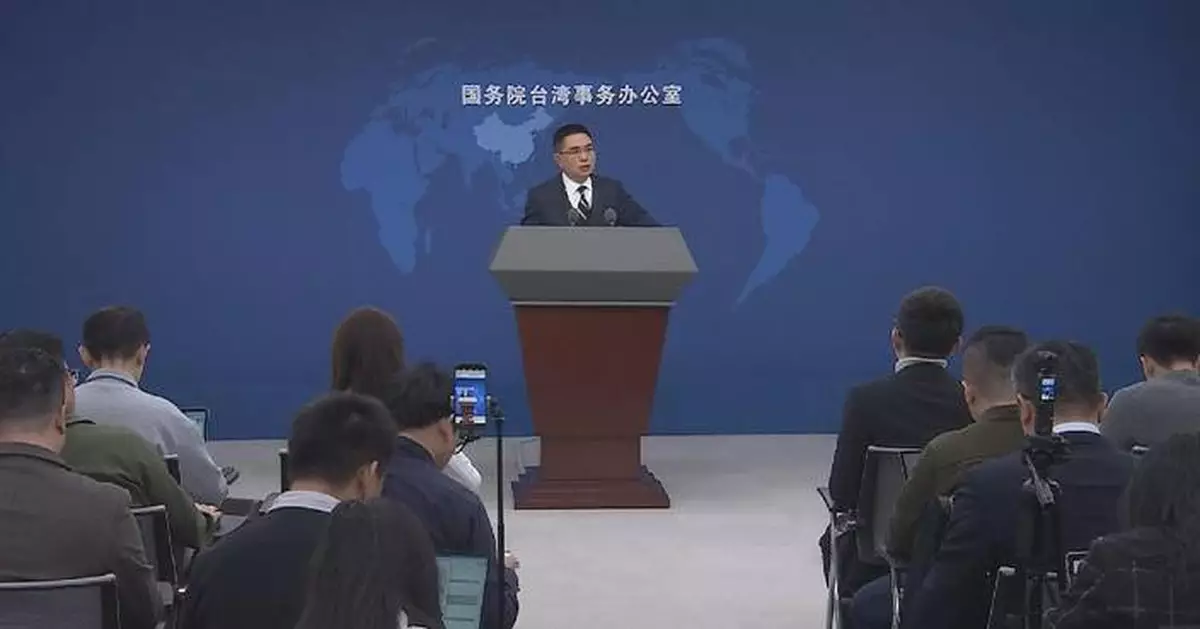
A spokesman for China's Taiwan Affairs Office on Thursday condemned the Democratic Progressive Party (DPP) authorities in Taiwan for proposing a redesign of the new Taiwan dollar, calling it a politically driven attempt to sever shared cross-Strait heritage and describing the move as "sinister", a betrayal of national roots, and "deeply shameful".
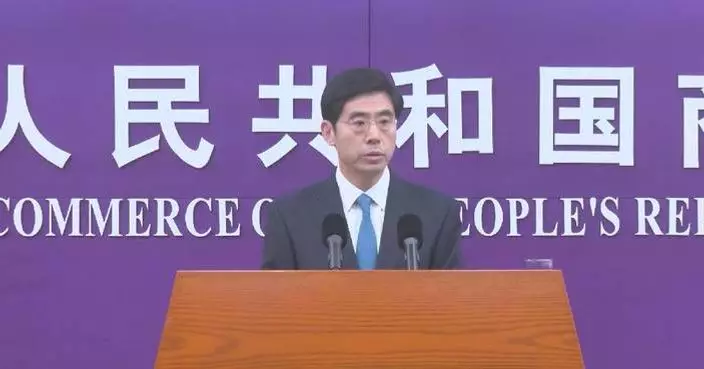
Chen Binhua, spokesman for the State Council Taiwan Affairs Office, made the remarks at a press conference when commenting on the DPP's attempt to remove portraits of political figures such as Dr. Sun Yat-sen from the redesigned banknotes.
"The intent is to sever the historical and cultural bond between the two sides of the Strait and to promote 'de-Sinicization' in order to shape a 'Taiwan separatism' ideology within society. This is a politically sinister move, a betrayal of Dr. Sun Yat-sen and the pioneers of the 1911 Revolution. It is a disgraceful act of forgetting one's roots," said Chen.
"History is history, and facts are facts. No matter how hard the DPP authorities try or how recklessly they behave, they cannot change the historical and legal fact that both sides of the Strait belong to one China, nor can they erase the Chinese national identity shared by people in Taiwan," he said.
Mainland slams DPP's move to alter Taiwan currency's design as betrayal of heritage: spokesman

China registered the establishment of more than 25.745 million new market entities in 2025, with the number of businesses in operation increasing by 9.8 percent compared to the previous year, the State Administration for Market Regulation (SAMR) said on Thursday.
This growth indicates a gradual recovery of China's economy and a strengthening of its microeconomic foundation.
In 2025, the administration stepped up efforts to curb rat race competition, investigating and handling 14,600 unfair competition cases such as aggressive price competition and subsidy competition. Additionally, authorities promptly corrected abuses related to "refund-only" policies and "mandatory Return Insurance". These measures strongly protected the legitimate rights and interests of small and medium-sized businesses and consumers, further improving the market competition environment, according to administration officials at a press conference in Beijing.
Targeting key challenges and bottlenecks in the industrial chain involving technological iteration and quality upgrade, market regulation authorities rolled out standards and implemented technical certifications in key areas such as new energy vehicles and automotive chips in the year, facilitating breakthroughs in the development of crucial technologies and promoting industrial upgrades. "In 2025, we helped companies solve 21 key technology bottlenecks in the industrial chain and fill 71 quality and technical gaps urgently needed by industries. We published 4,929 sets of national standards, a year-on-year increase of 56 percent, which effectively improved the resilience and safety of our industrial and supply chains," said Deng Zhiyong, deputy head of the administration, said the press conference.
China sees over 25.745 mln new market entities set up in 2025