Possible future internet restrictions in Iran has made Iranians living in neighboring Türkiye constantly fret about losing contact with their loved ones back home, where a recent prolonged internet shutdown has inflicted heavy losses to the economy and affected millions of people.
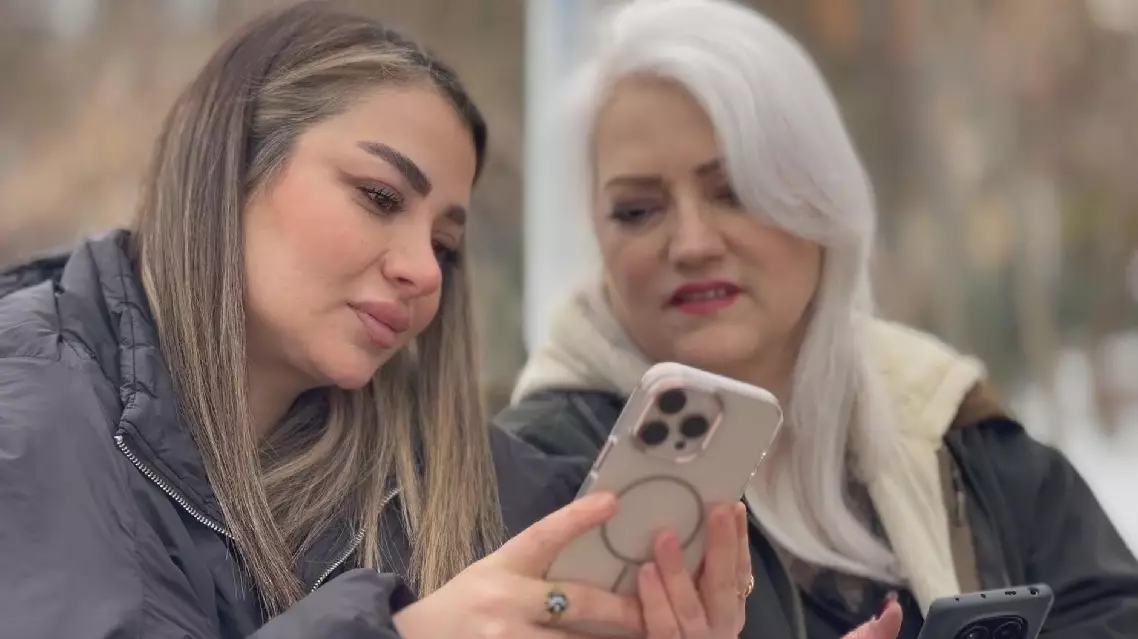
Iranian citizen Nilufer Tavakoglu and her mother, Fereste Resulu, have been living and working in the eastern Turkish border city of Van for nine years. Many of their family remain in Iran where the recent weeks-long deadly unrest prompted the government to shut off all internet and communication services on Jan 8, citing riots and terrorist attacks targeting civilians, security forces and public buildings.
Iran's internet connectivity has reportedly been partially restored, after nearly 20 days of digital blackout. However, Tavakoglu is still worried that internet access may be blocked again due to the uncertainties in her home country.
"Being far away from there is very hard for me, because I can't do anything. I can't go there. I tell them, 'You come here,' but even they don't want to leave the country. They say, 'No matter what happens, this is our country,'" she told China Global Television Network (CGTN) in an interview.
For Tavakoglu and her mother, following news reports from home has become a daily nightmare.
"We watch those videos of Iran all night, until morning. And then we wake up with the same fear again. Going to work becomes very difficult. We go to the internet and just say, 'Let's see if someone has died, or if something has happened to someone we know,'" she said.
Here in Van, they have only each other. Tavakoglu says the constant fear of what might happen in Iran has begun to strain even her close relationship with her mother.
"Our mental health is affected. For example, I never argue with my mother, but now when she says something, I suddenly feel like shouting. Because we are under so much stress. It's really very difficult," she said.
At times, communication with their family members and friends in Iran is cut, especially during periods of unrest. Those are the hardest days, when they turn to old family videos and saved voice messages for comfort.
"Sometimes I ask taxi drivers here, 'If you're going to Iran, when you come back, please let me know.' I call everyone. If I find a taxi, I say, 'Please, if you go to Iran, check -- call from a landline -- ask if my son, my brother, everyone is okay.' It's very, very bad. It's terrifying,” said Resulu, the mother.
Their greatest fear is losing contact with their loved ones back home altogether.
"If the internet is cut again for a few days -- a week, 10 days -- I become like this again. I get extremely stressed. My heart hurts. It's unbearable. I get headaches. I don't know what to do," Resulu told the CGTN.
Protests erupted late December last year in several Iranian cities over sharp depreciation of the rial and sweeping reforms to government subsidies. Initially held peacefully, the protests gradually became violent, leading to heavy casualties and damage to public properties, for which Iran has blamed the United States and Israel.
Over the past few weeks, the United States has exerted heavy pressure on the Iranian government, and bolstered its military presence in the Middle East.
The rising tensions between Iran and the U.S. have alarmed regional leaders and sparked urgent calls for renewed diplomacy. Tehran has signaled a conditional willingness to return to the negotiating table to ease the escalating confrontation.
Here in Van, both the mother and the daughter are watching closely, hoping diplomacy can still prevail, and spare them the prospect of being disconnected from their loved ones in Iran.
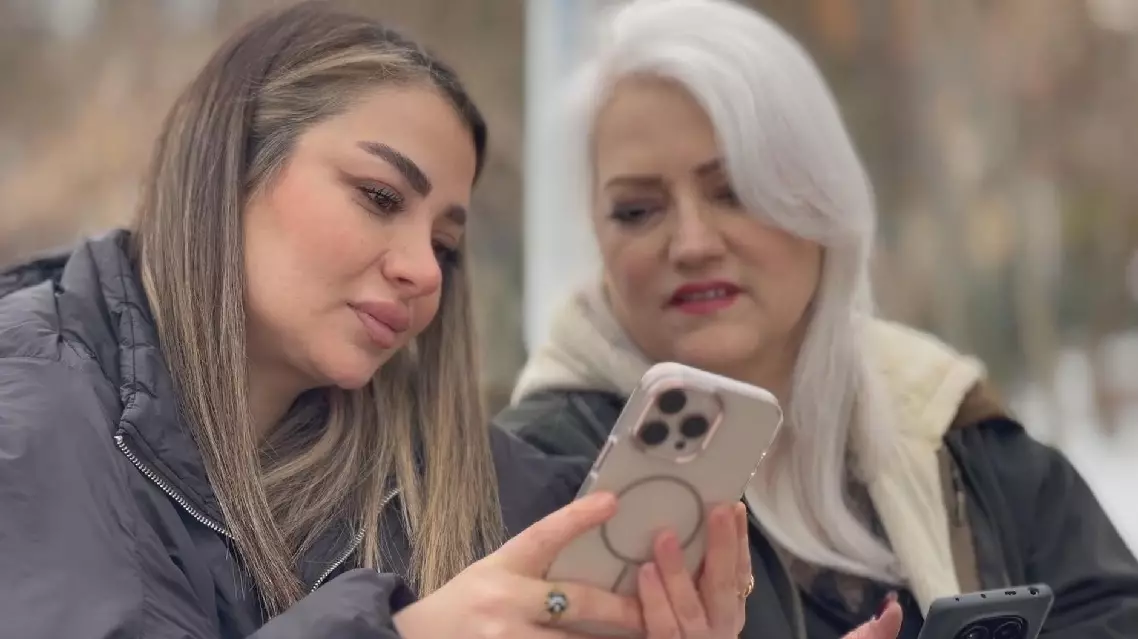
Iranians in Türkiye fret about losing contact with loved ones back home
Iranians in Türkiye fret about losing contact with loved ones back home