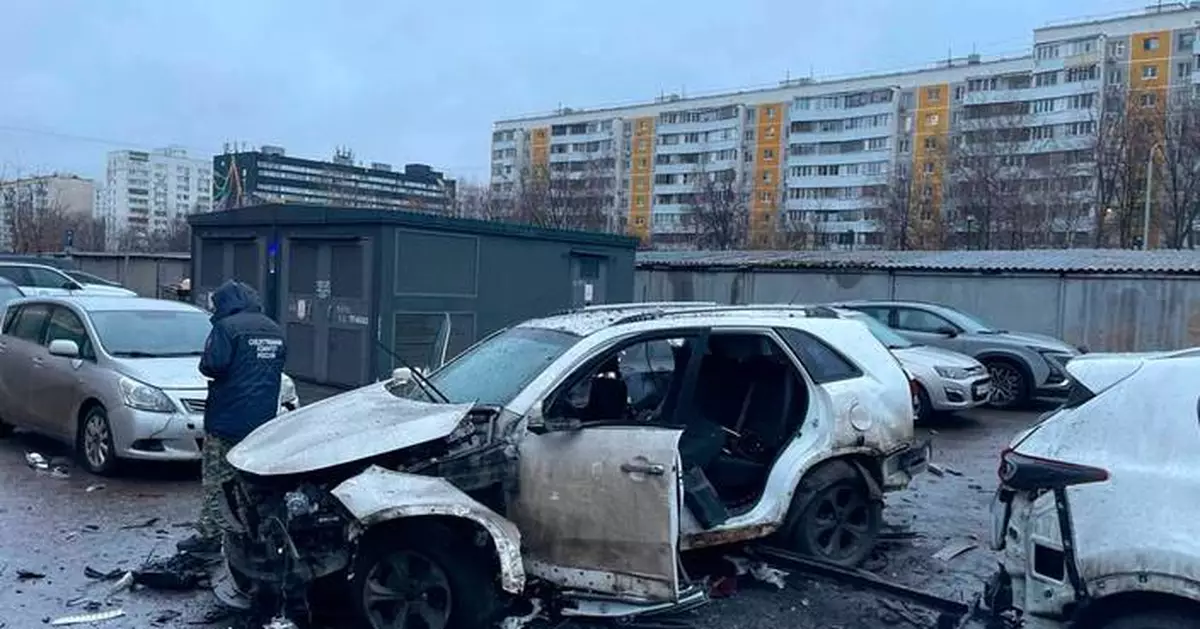
MOSCOW (AP) — A car bomb killed a Russian general on Monday, the third such killing of a senior military officer in just over a year. Investigators said Ukraine may be behind the attack.
Lt. Gen. Fanil Sarvarov, head of the Operational Training Directorate of the Russian Armed Forces' General Staff, died from his injuries, said Svetlana Petrenko, the spokesperson for Russia’s Investigative Committee, the nation's top criminal investigation agency. He was 56.
Click to Gallery
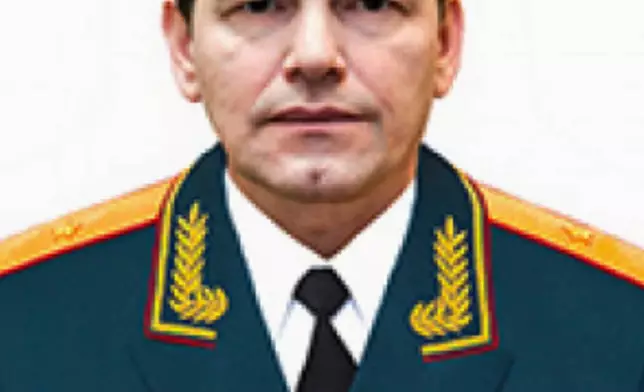
This undated image provided by Russian Defense Ministry Press Service on Monday, Dec. 22, 2025, shows Lt. Gen. Fanil Sarvarov, head of the Operational Training Directorate of the Russian Armed Forces General Staff, who was killed Monday morning after an explosive device detonated under his car in southern Moscow. (Russian Defense Ministry Press Service via AP)
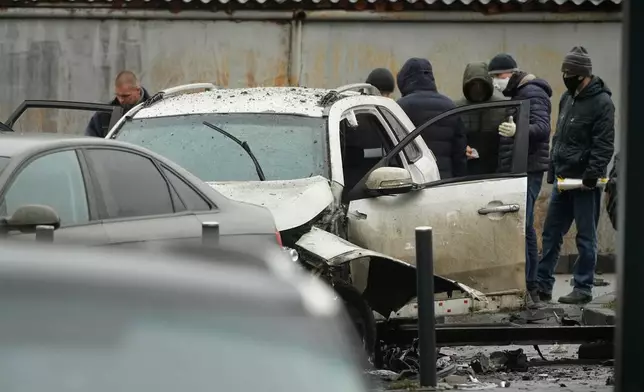
Investigators work at the scene where Lt. Gen. Fanil Sarvarov, head of the Operational Training Directorate of the Russian Armed Forces General Staff, was killed by an explosive device placed under his car in Moscow, Monday, Dec. 22, 2025. (AP Photo)
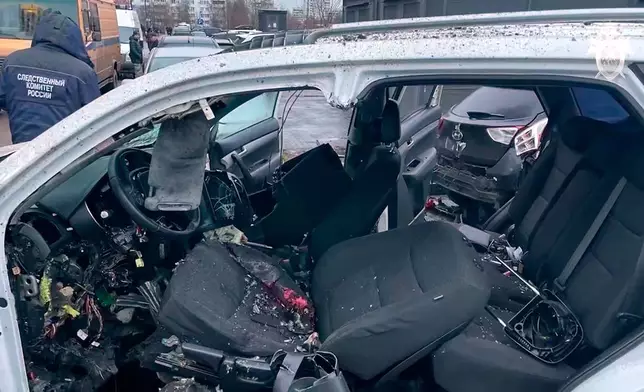
This image taken from video provided by Investigative Committee of Moscow on Monday, Dec. 22, 2025, shows the scene where Lt. Gen. Fanil Sarvarov, head of the Operational Training Directorate of the Russian Armed Forces General Staff, was killed by an explosive device placed under his car in Moscow. (Investigative Committee of Moscow via AP)
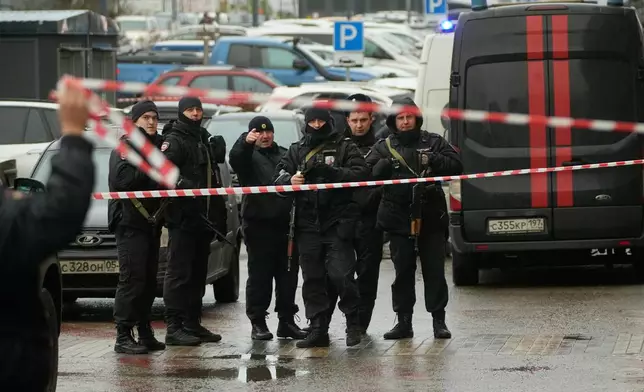
Policemen secure the area near the scene where Lt. Gen. Fanil Sarvarov, head of the Operational Training Directorate of the Russian Armed Forces General Staff, was killed by an explosive device placed under his car in Moscow, Monday, Dec. 22, 2025. (AP Photo)
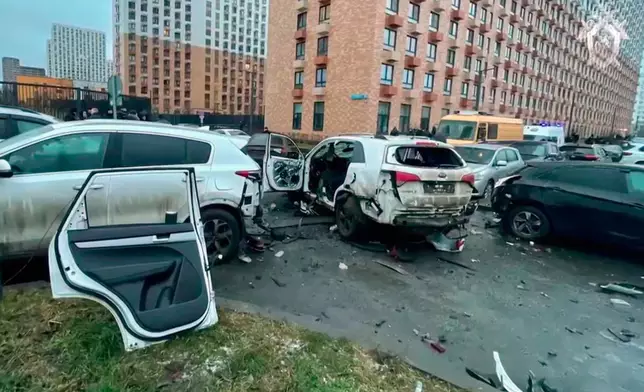
This image taken from video provided by Investigative Committee of Moscow on Monday, Dec. 22, 2025, shows the scene where Lt. Gen. Fanil Sarvarov, head of the Operational Training Directorate of the Russian Armed Forces General Staff, was killed by an explosive device placed under his car in Moscow. (Investigative Committee of Moscow via AP)
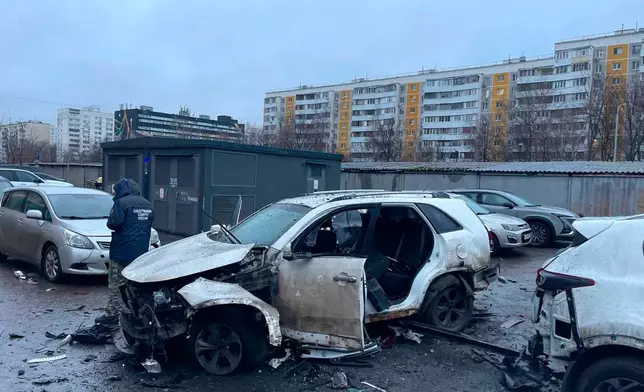
This photo provided by Investigative Committee of Moscow on Monday, Dec. 22, 2025, shows an investigator working at the scene where Lt. Gen. Fanil Sarvarov, head of the Operational Training Directorate of the Russian Armed Forces General Staff, was killed by an explosive device placed under his car in Moscow. (Investigative Committee of Moscow via AP)
“Investigators are pursuing numerous lines of inquiry regarding the murder. One of these is that the crime was orchestrated by Ukrainian intelligence services,” Petrenko said.
Since Moscow sent troops into Ukraine nearly four years ago, Russian authorities have blamed Kyiv for several assassinations of military officers and public figures in Russia. Ukraine has claimed responsibility for some of them. It has not yet commented on Monday’s death.
Kremlin spokesman Dmitry Peskov said that President Vladimir Putin had been immediately informed about the killing of Sarvarov, who fought in Chechnya and had taken part in Moscow's military campaign in Syria.
Russia has blamed a series of other apparent assassinations on Ukraine.
Just over a year ago, Lt. Gen. Igor Kirillov, the chief of the military’s nuclear, biological and chemical protection forces, was killed by a bomb hidden on an electric scooter outside his apartment building. Kirillov's assistant also died. Ukraine’s security service claimed responsibility for the attack.
An Uzbek man was quickly arrested and charged with killing Kirillov on behalf of the Ukrainian security service.
Putin described Kirillov’s killing as a “major blunder” by Russia’s security agencies, noting they should learn from it and improve their efficiency.
In April, another senior Russian military officer, Lt. Gen. Yaroslav Moskalik, a deputy head of the main operational department in the General Staff, was killed by an explosive device placed in his car parked near his apartment building just outside Moscow. A suspected perpetrator was quickly arrested.
Days after Moskalik's killing, Ukraine's President Volodymyr Zelenskyy said he received a report from the head of Ukraine’s foreign intelligence agency on the “liquidation” of top Russian military figures, adding that “justice inevitably comes" although he didn't mention Moskalik's name.
Ukraine, which is outnumbered by Russia’s larger, better equipped military, has frequently tried to change the course of the conflict by attacking in unexpected ways. In August last year, Ukrainian forces staged a surprise incursion into Russia’s Kursk region even as they struggled to stem Russian offensives on many parts of the front line. Moscow's troops eventually drove them out, but the incursion distracted the Russian military resources from other areas and raised Ukrainian morale.
Ukraine has also launched repeated attacks on the Russian navy in the Black Sea with sea drones and missiles, forcing it to relocate its warships and limit the scale of its operations.
And in June, swarms of drones launched from trucks targeted bomber bases across Russia. Ukraine said over 40 long-range bombers were damaged or destroyed, although Moscow said only several planes were struck.
Meanwhile, Western officials have accused Russia of staging a campaign away from the battlefield, accusing it of orchestrating dozens of incidents of disruption and sabotage across Europe as part of an effort to sap support for Ukraine. Moscow has denied the claims.
This story has been updated to correct that Sarvarov’s killing is the third such killing in just over a year, not within a year.
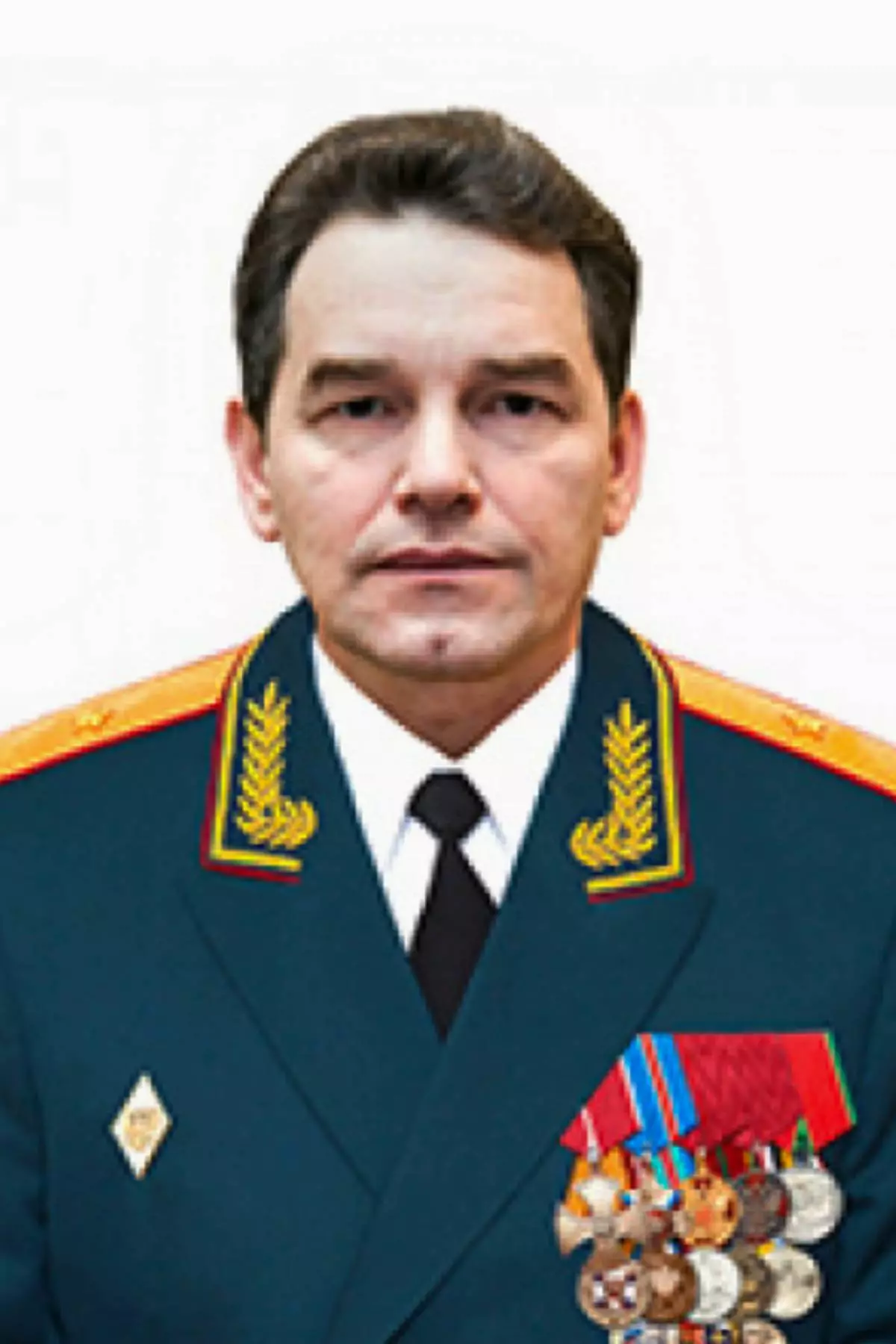
This undated image provided by Russian Defense Ministry Press Service on Monday, Dec. 22, 2025, shows Lt. Gen. Fanil Sarvarov, head of the Operational Training Directorate of the Russian Armed Forces General Staff, who was killed Monday morning after an explosive device detonated under his car in southern Moscow. (Russian Defense Ministry Press Service via AP)
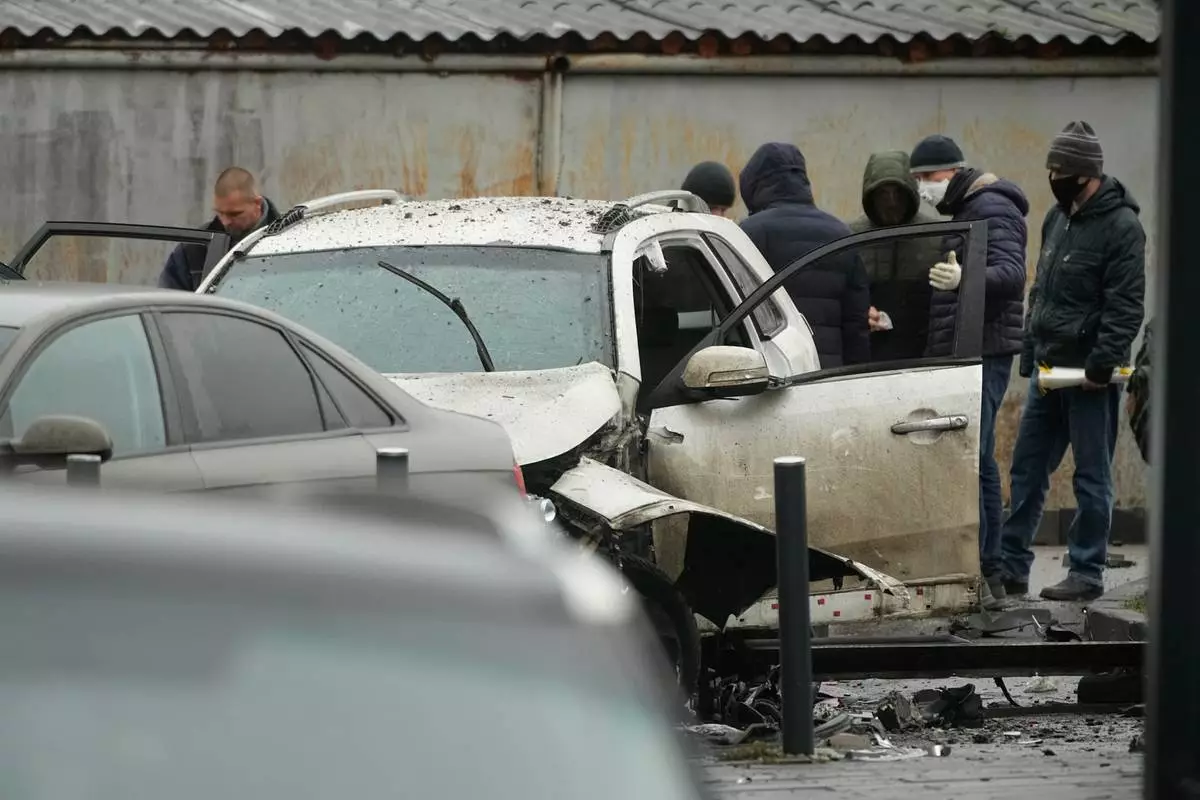
Investigators work at the scene where Lt. Gen. Fanil Sarvarov, head of the Operational Training Directorate of the Russian Armed Forces General Staff, was killed by an explosive device placed under his car in Moscow, Monday, Dec. 22, 2025. (AP Photo)
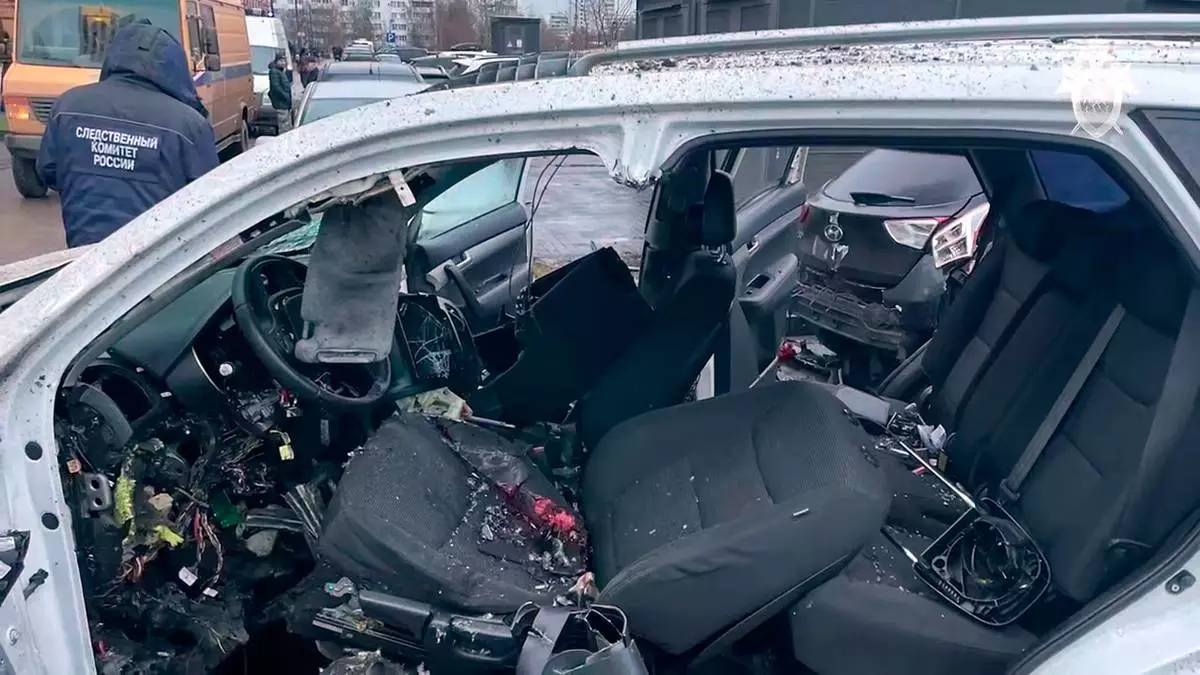
This image taken from video provided by Investigative Committee of Moscow on Monday, Dec. 22, 2025, shows the scene where Lt. Gen. Fanil Sarvarov, head of the Operational Training Directorate of the Russian Armed Forces General Staff, was killed by an explosive device placed under his car in Moscow. (Investigative Committee of Moscow via AP)
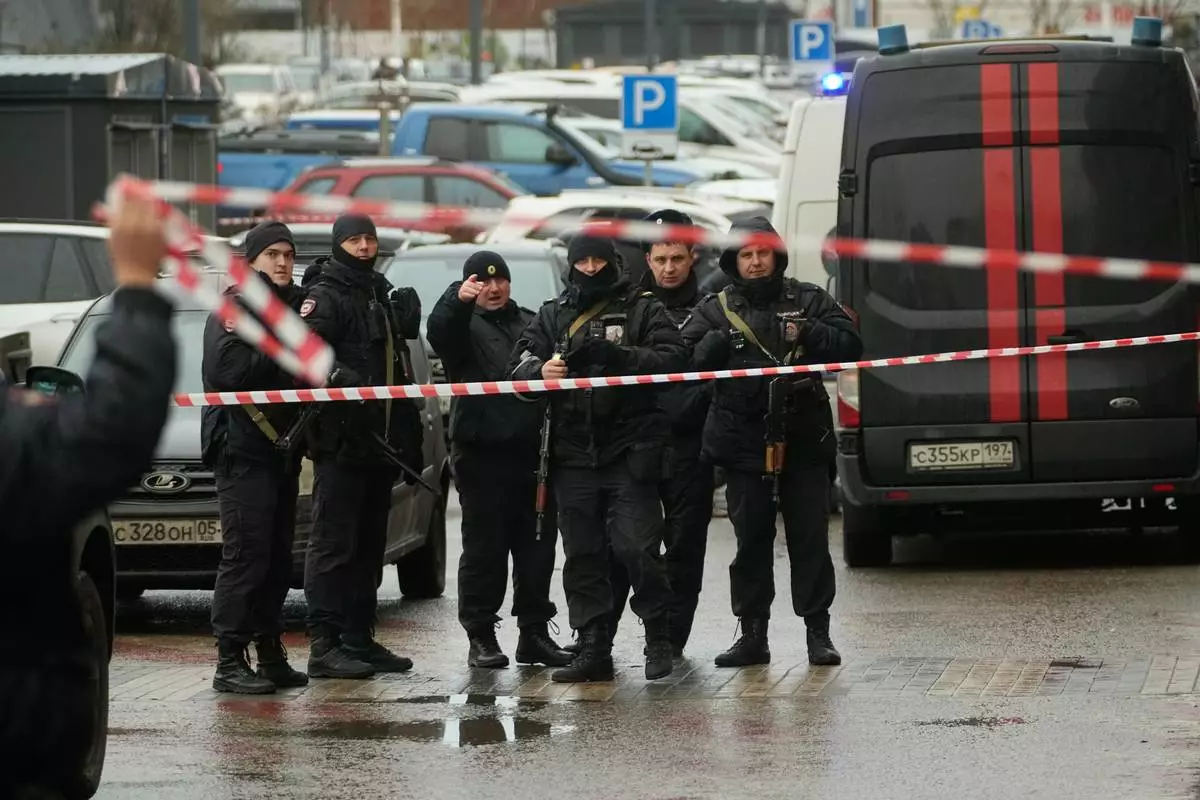
Policemen secure the area near the scene where Lt. Gen. Fanil Sarvarov, head of the Operational Training Directorate of the Russian Armed Forces General Staff, was killed by an explosive device placed under his car in Moscow, Monday, Dec. 22, 2025. (AP Photo)
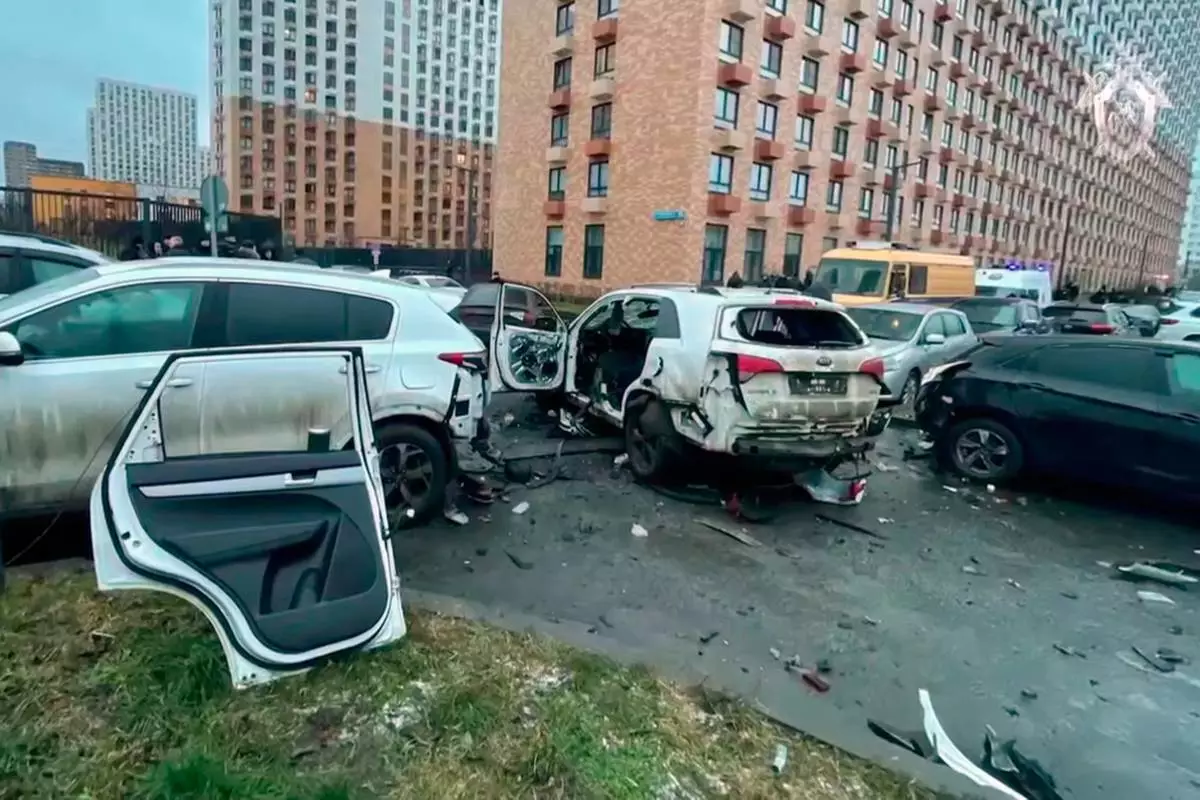
This image taken from video provided by Investigative Committee of Moscow on Monday, Dec. 22, 2025, shows the scene where Lt. Gen. Fanil Sarvarov, head of the Operational Training Directorate of the Russian Armed Forces General Staff, was killed by an explosive device placed under his car in Moscow. (Investigative Committee of Moscow via AP)
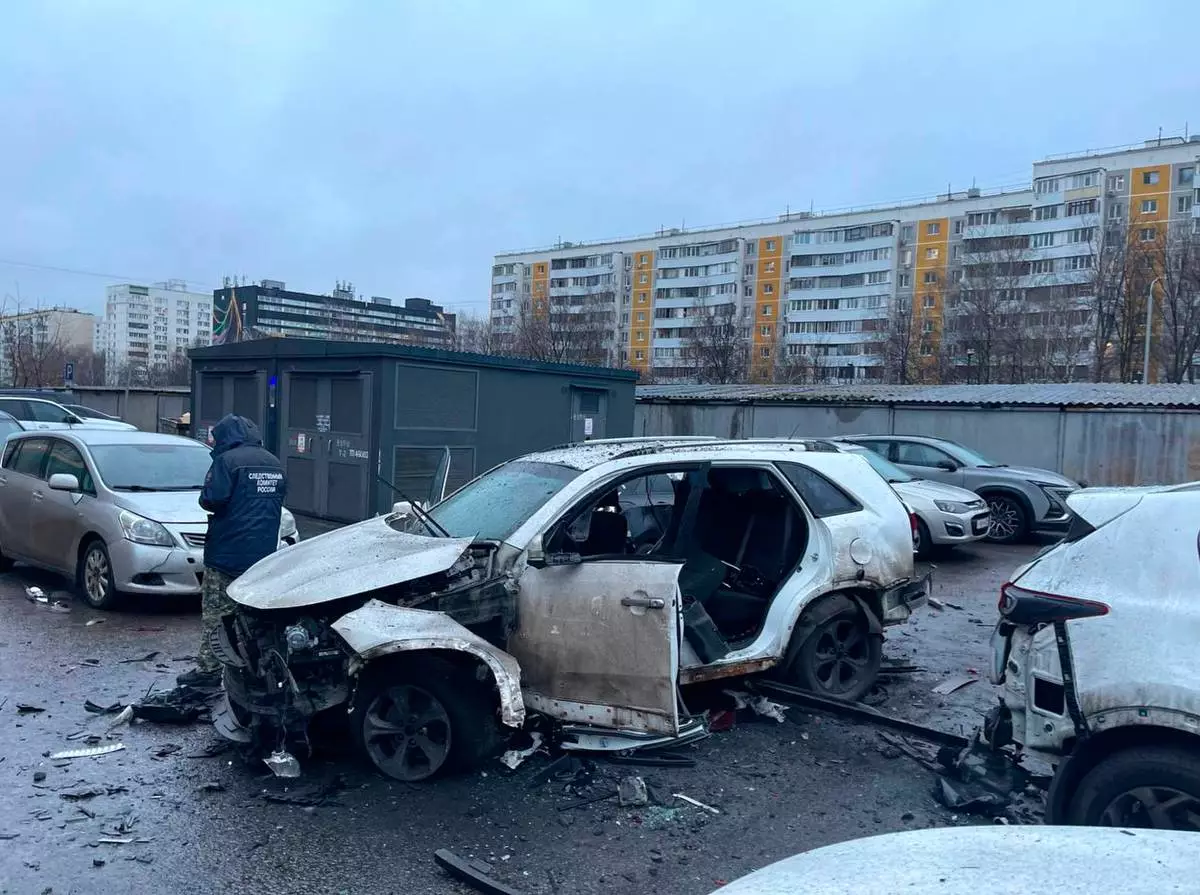
This photo provided by Investigative Committee of Moscow on Monday, Dec. 22, 2025, shows an investigator working at the scene where Lt. Gen. Fanil Sarvarov, head of the Operational Training Directorate of the Russian Armed Forces General Staff, was killed by an explosive device placed under his car in Moscow. (Investigative Committee of Moscow via AP)