DH announces latest situation of Legionnaires' disease cases
The Centre for Health Protection (CHP) of the Department of Health today (December 22) reported the latest number of Legionnaires' disease (LD) cases, and reminded the public of the importance of using and maintaining properly designed man-made water systems, adding that susceptible groups should strictly observe relevant precautions.
From December 14 to 20, the CHP recorded four community-acquired LD cases. All of the patients involved had underlying illnesses. The details of the cases are as follows:
 a 70-year-old male patient living in Sai Kung District;
an 84-year-old female patient living in Wan Chai District;
a 77-year-old male patient living in Wong Tai Sin District; and
a 61-year-old male patient living in Sai Kung District. The patient passed away on December 17.
a 70-year-old male patient living in Sai Kung District;
an 84-year-old female patient living in Wan Chai District;
a 77-year-old male patient living in Wong Tai Sin District; and
a 61-year-old male patient living in Sai Kung District. The patient passed away on December 17.
The CHP is conducting epidemiological investigations to identify potential sources of infection and high-risk exposure. Initial investigations revealed that these are sporadic cases. No epidemiological linkages have been established between these cases and other confirmed cases previously recorded in Hong Kong.
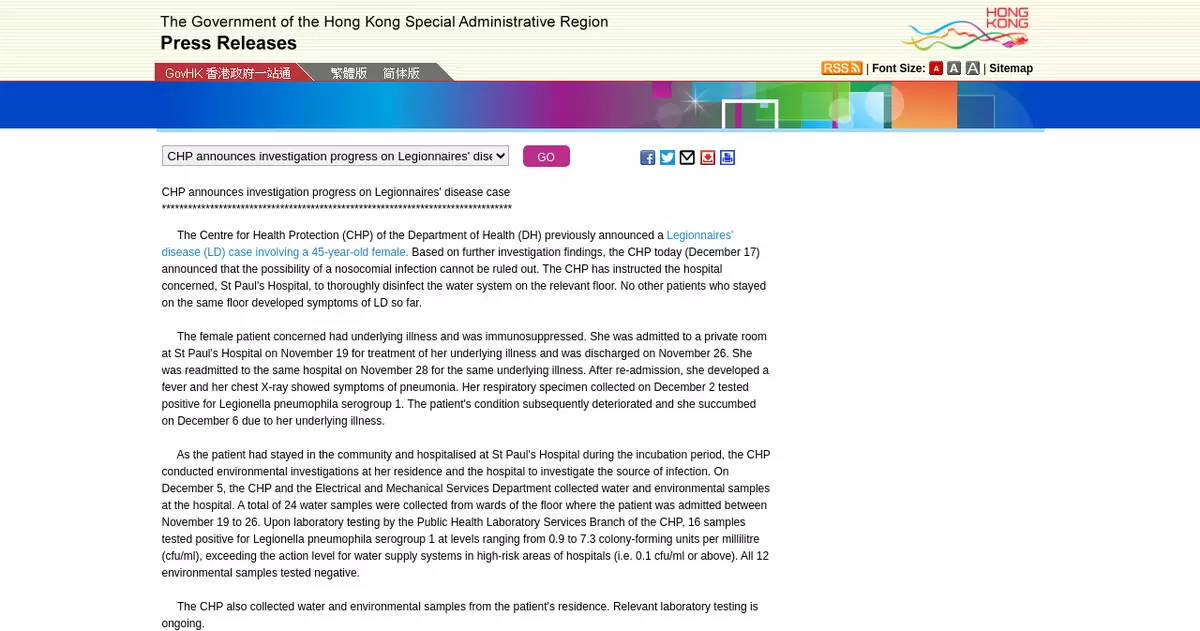
Additionally, the CHP continues to follow up a previously announced LD case where hospital-acquired transmission cannot be ruled out. Given that the patient had stayed in the community and was hospitalised at St. Paul's Hospital during the incubation period, apart from conducting investigation at St. Paul's Hospital, the CHP earlier collected a total of 14 water samples from the residence of the patient concerned. After testing by the Public Health Laboratory Services Branch of the CHP, eight samples tested positive for Legionella pneumophila serogroup 1 at levels ranging from 0.1 to 37.3 colony-forming units per millilitre (cfu/ml). Two of these samples were at levels 17.8 and 37.3 cfu/ml respectively, exceeding the action level for water supply systems in community buildings(i.e. 10 cfu/ml or above). Among five environmental samples collected from the patient's residence, one sample also tested positive. The CHP has provided health advice to family members of the patient, and instructed the property management company to thoroughly disinfect the relevant water system.
Since samples collected at both the residence and the ward in St. Paul's Hospital tested positive for Legionella pneumophila serogroup 1, the CHP considered that both St. Paul's Hospital and her residence are possible to be the source of infection. However, as the bacterial load of the patient's sample was low, genetic analysis was not performed successfully, hence the exact source of infection could not be ascertained.
In response to the positive results of the water samples upon testing, as a precautionary measure, St. Paul's Hospital is continuing to close and suspend use of the wards on the floor concerned in accordance with the CHP's instructions. The hospital will also thoroughly disinfect the water supply system on that floor as instructed by the CHP. The CHP will continue to closely monitor the implementation of the measures and conduct epidemiological investigations.
The CHP has completed medical surveillance for the 28 patients who were admitted to the same hospital floor since mid-November. No LD cases have been identified among them.
As of December 20, 161 LD cases had been recorded this year. In 2024 and 2023, there were 135 and 121 LD cases respectively.
Men, people aged over 50, smokers, alcoholics and persons with weakened immunity are more susceptible to LD. Some situations may also increase the risk of infection, including poor maintenance of water systems; living in areas with old water systems, cooling towers or fountains; using electric water heaters, whirlpool spas or hot water spring spas; and recent stays in hotels or ships.
Legionellae are found in various environmental settings and grow well in warm water (20 to 45 degrees Celsius). They can be found in aqueous environments such as water tanks, hot and cold water systems, cooling towers, whirlpool spas, water fountains, humidifiers and home respiratory devices that support breathing. People may become infected when they breathe in contaminated droplets (aerosols) and mist generated by artificial water systems, or when handling garden soil, compost and potting mixes.
Immunocompromised persons should:
Use sterile or boiled water for drinking, tooth brushing and mouth rinsing;
Avoid using humidifiers, or other mist- or aerosol-generating devices; and
If using humidifiers, or other mist- or aerosol-generating devices, fill the water tank with only sterile or cooled freshly boiled water, and not water directly from the tap. Also, clean and maintain humidifiers/devices regularly according to manufacturers' instructions. Never leave stagnant water in a humidifier/device. Empty the water tank, wipe all surfaces dry, and change the water daily.
The public should observe the health advice below:
Observe personal hygiene;
Do not smoke and avoid alcohol consumption;
Strainers in water taps and shower heads should be inspected, cleaned, descaled and disinfected regularly or at a frequency recommended by the manufacturer;
If a fresh-water plumbing system is properly maintained, it is not necessary to install domestic water filters. Use of water filters is not encouraged as clogging occurs easily, which can promote growth of micro-organisms. In case water filters are used, the pore size should be 0.2 micrometres (µm) or less and the filter needs to be changed periodically according to the manufacturer's recommendations;
Drain and clean water tanks of buildings at least quarterly;
Drain or purge for at least one minute infrequently used water outlets (e.g. water taps, shower heads and hot water outlets) and stagnant points of the pipework weekly or before use;
Seek and follow doctors' professional advice regarding the use and maintenance of home respiratory devices and use only sterile water (not distilled or tap water) to clean and fill the reservoir. Clean and maintain the device regularly according to the manufacturer's instructions. After cleaning/disinfection, rinse the device with sterile water, cooled freshly boiled water or water filtered with 0.2 µm filters. Never leave stagnant water in the device. Empty the water tank, keep all surfaces dry, and change the water daily; and
When handling garden soil, compost and potting mixes:
Wear gloves and a face mask;
Water gardens and compost gently using low pressure;
Open composted potting mixes slowly and make sure the opening is directed away from the face;
Wet the soil to reduce dust when potting plants; and
Avoid working in poorly ventilated places such as enclosed greenhouses.
The public may visit the CHP'sLD page, theCode of Practice for Prevention of LDand theHousekeeping Guidelines for Cold and Hot Water Systems for Building Managementof the Prevention of LD Committee, and the CHP'srisk-based strategyfor prevention and control of LD.
Source: AI-found images
DEP and members from three District Councils conducted site inspection with significant improvement in nearshore water quality affirmed
The Director of Environmental Protection, Dr Samuel Chui, today (December 22) conducted a site inspection with District Council members from Tsuen Wan, Kwai Tsing, and Sham Shui Po to review the outcomes of improvements to near-shore water quality and odour in the Tsuen Wan, Kwai Tsing and Sham Shui Po areas.
Dr Chui met with the District Officer (Tsuen Wan), Mr Billy Au, the District Officer (Kwai Tsing), Mr Edric Leung, the Acting District Officers (Sham Shui Po), Miss Stella Wong and Miss Agnes Chan; and around 40 members of District Council from the three districts. They reviewed the progress in improving water quality and odour along both sides of Victoria Harbour, particularly in Tsuen Wan, Kwai Tsing and Sham Shui Po. On-site demonstrations were given of innovative multi-dimensional monitoring technologies across sea, land, and air platforms, including an "Artificial Intelligence Environmental Air Nuisance Investigation Robot Dog" (AI Dog), "Ground Penetrating Radar", "Drone for Sampling and Monitoring", and "Unmanned Sampling Boat", etc. The attending councillors gave highly positive feedback on the environmental improvements in the relevant areas.
Dr Chui said, "The 2022 Policy Address set a target of reducing by half the pollution load from seriously polluted outfalls along Victoria Harbour, including areas such as Tsuen Wan and Sham Shui Po, by the end of 2024 while Tsuen Wan and Kwai Tsing districts also share the same water body. Through a series of source control measures and the application of innovative technologies, the reduction of pollution load significantly exceeded the target. By the end of last year, the overall pollution load at the relevant stormwater outfalls was reduced by nearly 90 per cent. Today, no noticeable odour was detected at the Tsuen Wan and Cheung Sha Wan waterfronts, indicating a remarkable improvement in the environmental conditions along the coastal areas of these three districts."
Over the past three years, the Environmental Protection Department (EPD) has proactively used innovative technologies in identifying and rectifying sewer misconnections to improve nearshore odour problems along Victoria Harbour. By the third quarter of this year, EPD teams had inspected over 5 000 manholes and tested more than 1 200 water samples in Tsuen Wan, Kwai Tsing, and Sham Shui Po districts, identifying 191 pollution cases equivalent to pollution load from 300 000 people. Through inter-departmental collaboration, the total pollution load from outfalls in Tsuen Wan and Sham Shui Po districts has been reduced by nearly 90 per cent, leading to substantial improvement in nearshore odour. Hydrogen sulfide monitoring devices installed at the Tsuen Wan and Sham Shui Po waterfronts indicated that the average concentrations have decreased from the previous 36 parts per billion (ppb) and 18 ppb, respectively to currently both below 5 ppb (see photos).
Dr Chui thanked the three District Councils for their affirmation of the EPD's work and their valuable opinions. He concluded, "We will continue to leverage smart technologies, work closely with District Councils, and harness community wisdom to jointly build greener, healthier and more liveable communities."
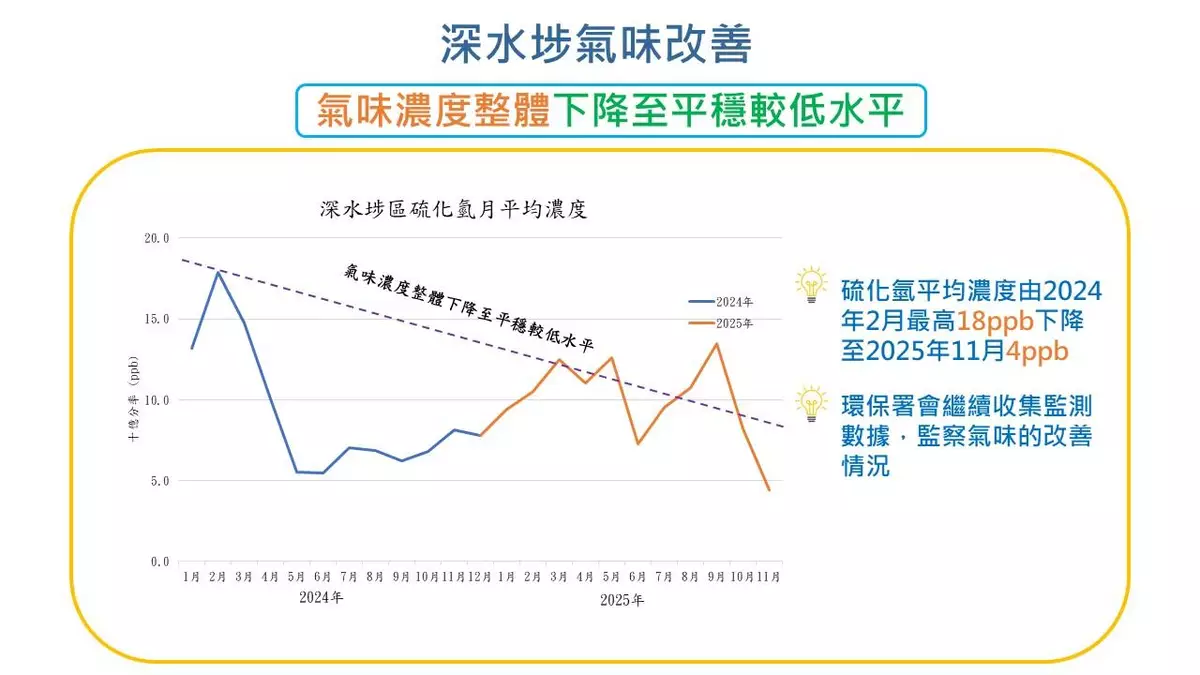
DEP and members from three District Councils conducted site inspection with significant improvement in nearshore water quality affirmed Source: HKSAR Government Press Releases
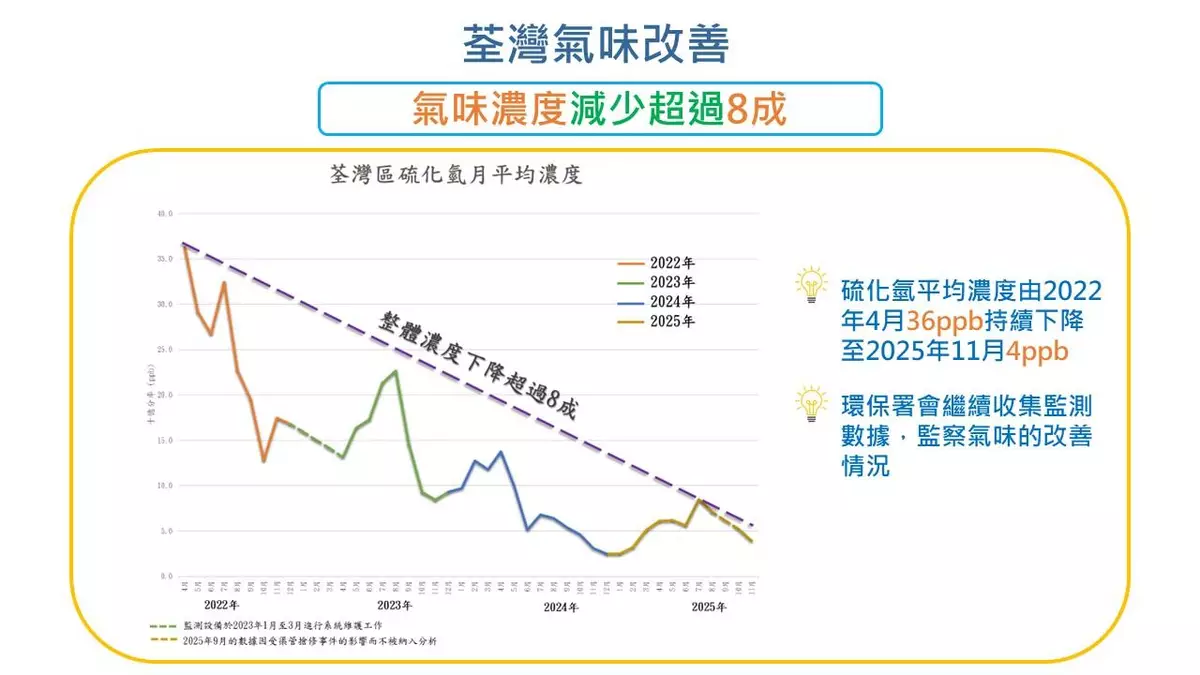
DEP and members from three District Councils conducted site inspection with significant improvement in nearshore water quality affirmed Source: HKSAR Government Press Releases
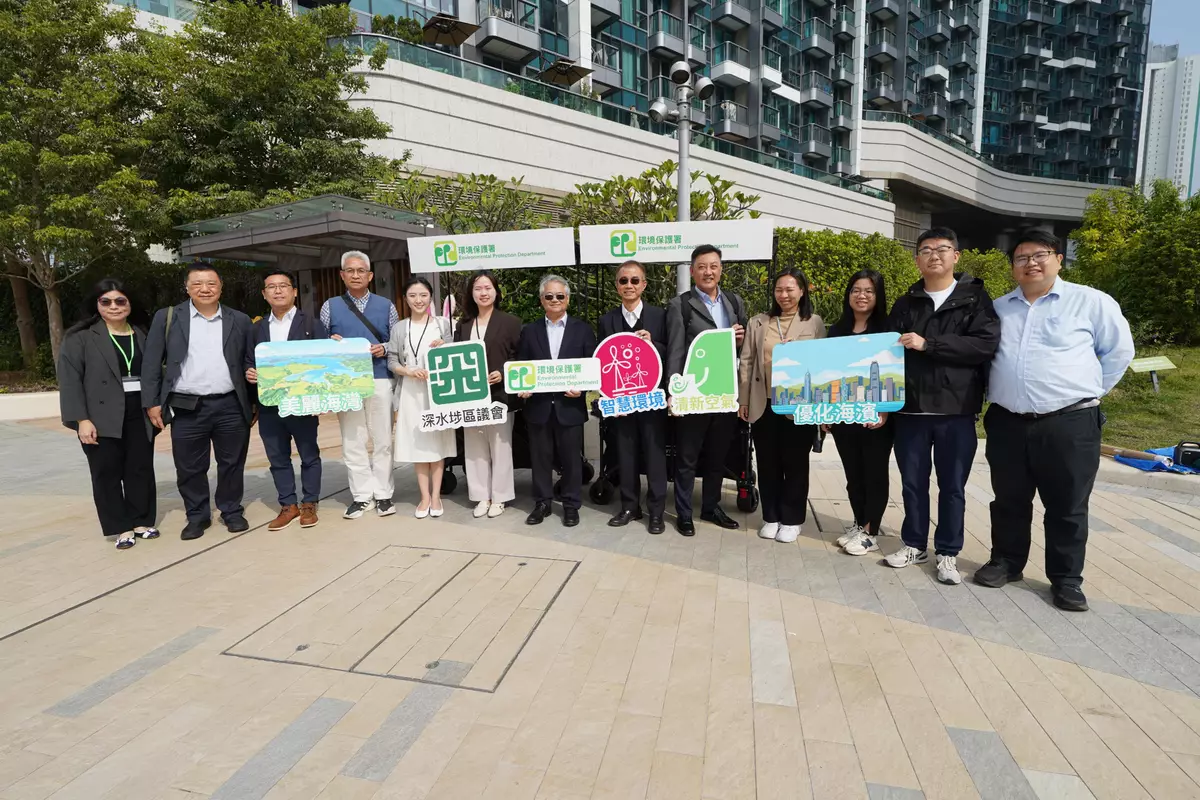
DEP and members from three District Councils conducted site inspection with significant improvement in nearshore water quality affirmed Source: HKSAR Government Press Releases
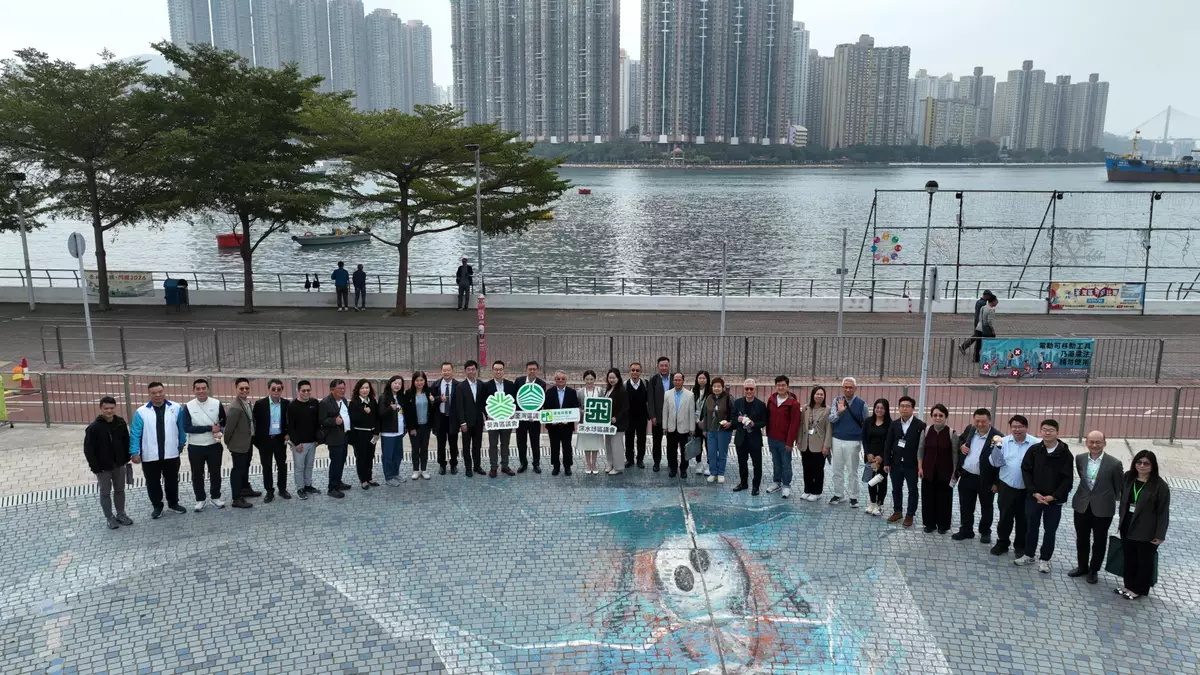
DEP and members from three District Councils conducted site inspection with significant improvement in nearshore water quality affirmed Source: HKSAR Government Press Releases
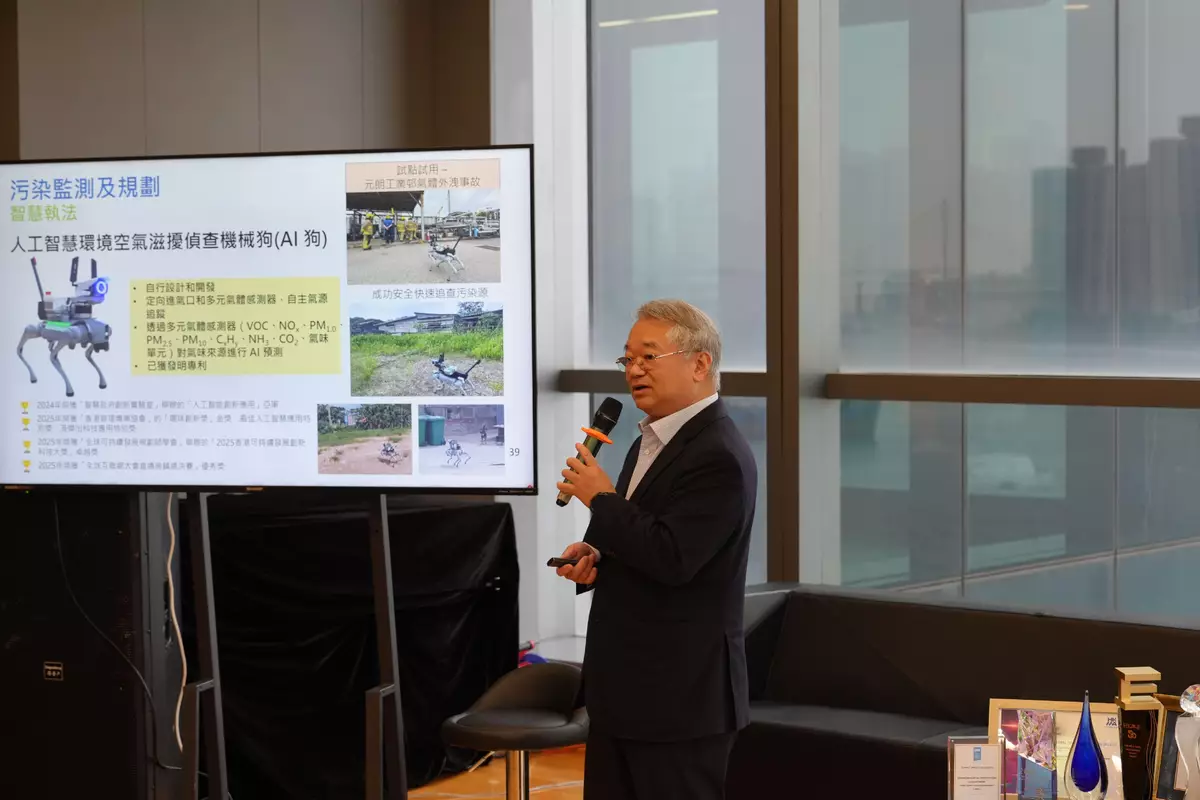
DEP and members from three District Councils conducted site inspection with significant improvement in nearshore water quality affirmed Source: HKSAR Government Press Releases
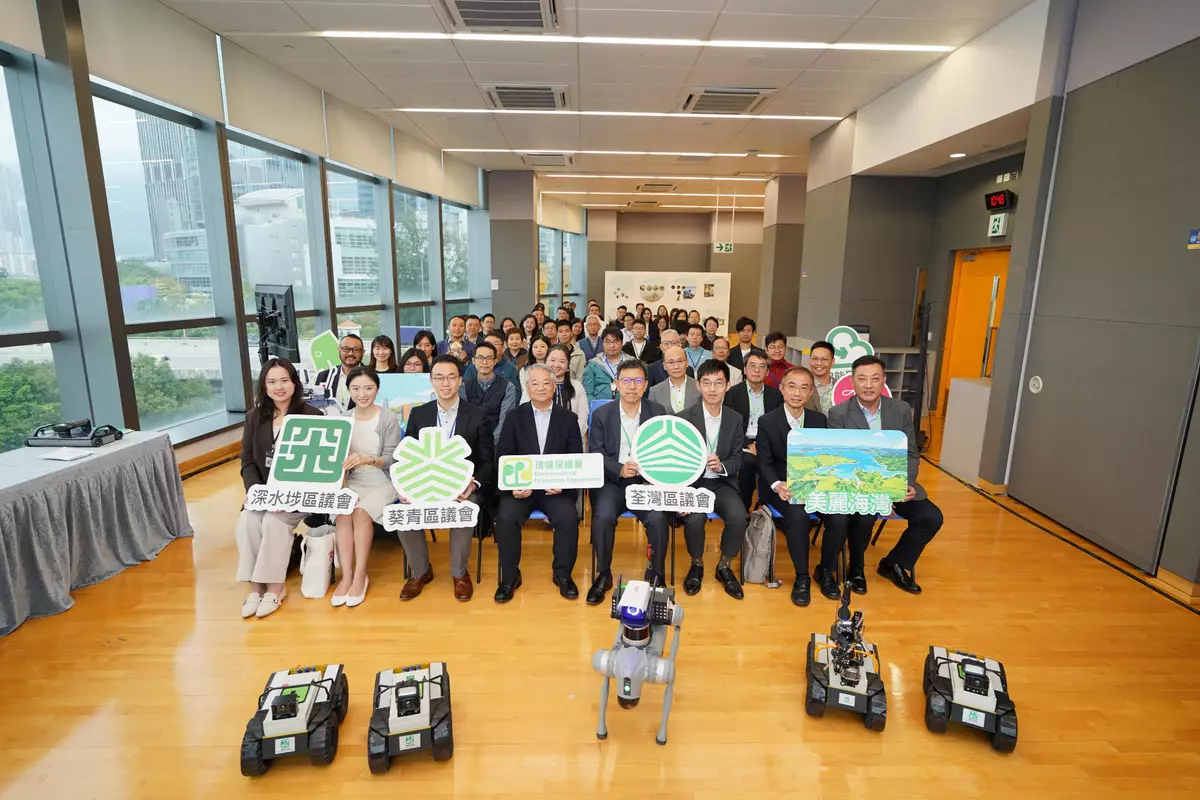
DEP and members from three District Councils conducted site inspection with significant improvement in nearshore water quality affirmed Source: HKSAR Government Press Releases