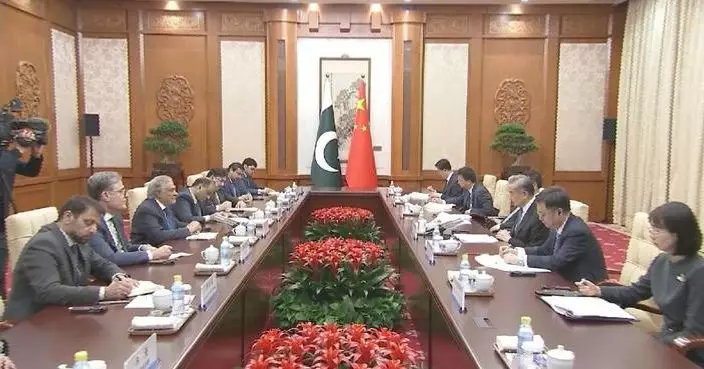
China's top legislature on Monday began a regular session to review a raft of documents, including reports and draft laws.
Zhao Leji, chairman of the National People's Congress (NPC) Standing Committee, presided over the first plenary meeting of the committee's 19th session.
Lawmakers reviewed a slew of draft laws, including a draft environmental code, as well as draft laws on promoting ethnic unity and progress, national development planning, hazardous chemicals safety management, state-owned assets, childcare services, and activities and environmental protection in Antarctica.
They deliberated draft revisions to several laws, including those related to fisheries, civil aviation, standard spoken and written Chinese, foreign trade, banking supervision and regulation, and trademarks.
Among them, the draft amendment to the Foreign Trade Law is designed to advance China's development into a strong trading nation and promote high-quality foreign trade. It calls for the establishment of a fair international economic order and stronger support for trade platforms.
"Some suggested clarifying common modes of service trade. After study, the committee recommends adding provisions to encourage international service trade through modes like cross-border delivery, consumption abroad, commercial presence, and the movement of natural persons. Other suggestions called for strengthening trade promotion. The committee recommends adding provisions to promote cross-border financial service systems and support trade digitalization, digital trade, green trade, and talent development," said He Ping, vice chairperson of the Constitution and Law Committee of the 14th NPC.
The session is also reviewing the third draft of the Civil Aviation Law. Legislators are doubling down on passenger rights and safety protocols. Notably, the draft sets new airworthiness standards for unmanned aerial vehicles. It also includes a countermeasure clause in response to unreasonable discriminatory bans imposed on China's civil aviation sector.
The draft Law on Antarctic Activities and Environmental Protection aims to better coordinate and regulate activities such as scientific research, tourism, and fisheries in Antarctica, while providing a solid legal framework for China's participation in Antarctic governance.
"It encourages green and low-carbon activities, strengthens environmental protection requirements. It establishes inspection mechanisms, combats illegal fishing, and enhances supervision, while supporting scientific research and talent training," said Lu Xinshe, chairperson of the Environmental Protection and Resources Conservation Committee of the 14th NPC.
Meanwhile, the high-profile Ecological and Environmental Code has been submitted for its third review. In response to frequent incidents involving large wild animals, the draft adds targeted provisions. It also tightens regulation on solid waste transfers and introduces new rules on agricultural water use.
The session will run through Dec 27. The lawmakers will continue deliberating on a wide range of bills, shaping the legal landscape for 2026.
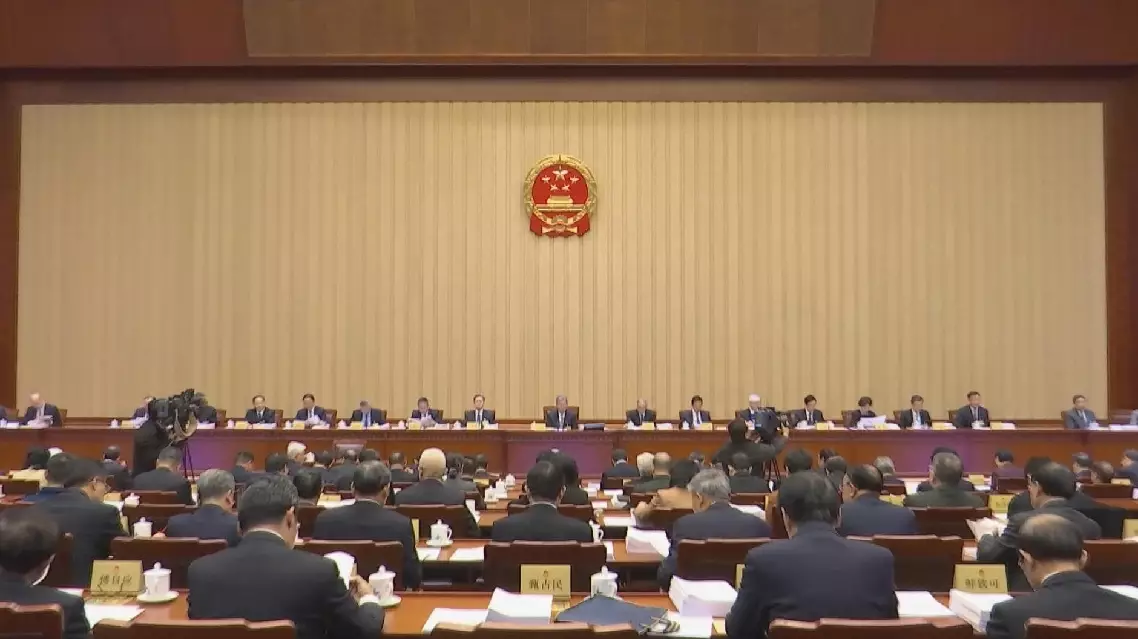
China's top legislature convenes standing committee session
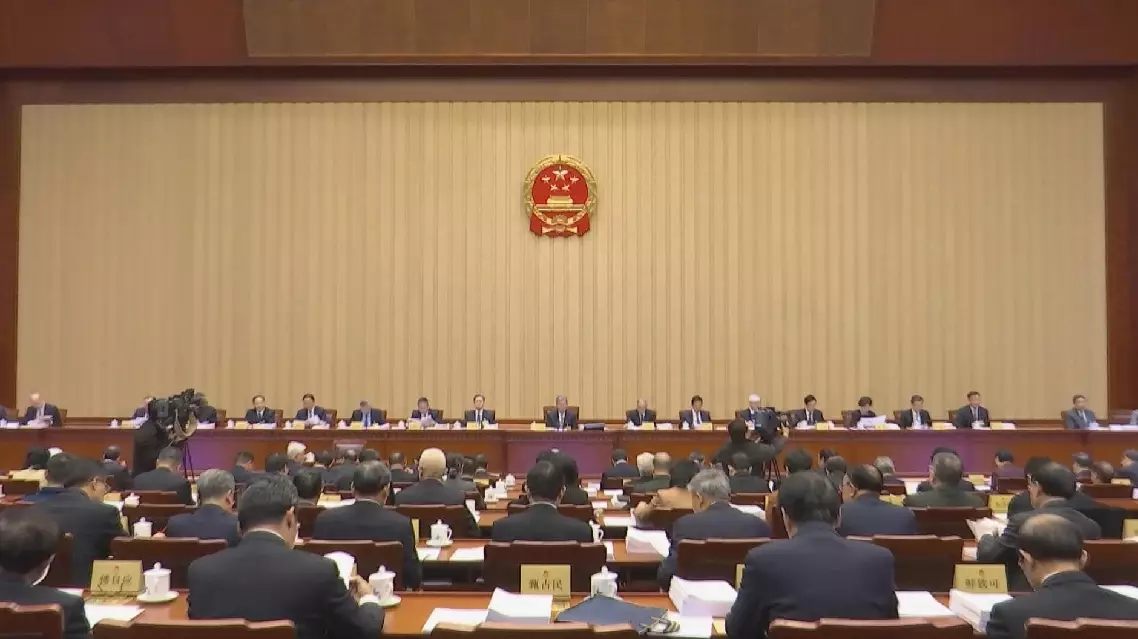
China's top legislature convenes standing committee session