Shanghai, which is on a mission to become a global sci-tech hub, has actively taken the lead in energizing innovation across the Yangtze River Delta, generating powerful momentum for China's high-quality economic development.
During an inspection tour in Shanghai on April 29, Xi Jinping, general secretary of the Communist Party of China (CPC) Central Committee, Chinese president and chairman of the Central Military Commission, stressed that Shanghai shoulders the historical mission of building an international center for scientific and technological innovation. He urged the municipality to actively seize opportunities, stay aligned with national strategies, continuously strengthen its capacity for original innovation in science and technology, further enhance its leading role in high-end industries, and accelerate the development of a globally influential sci-tech innovation hub.
Click to Gallery
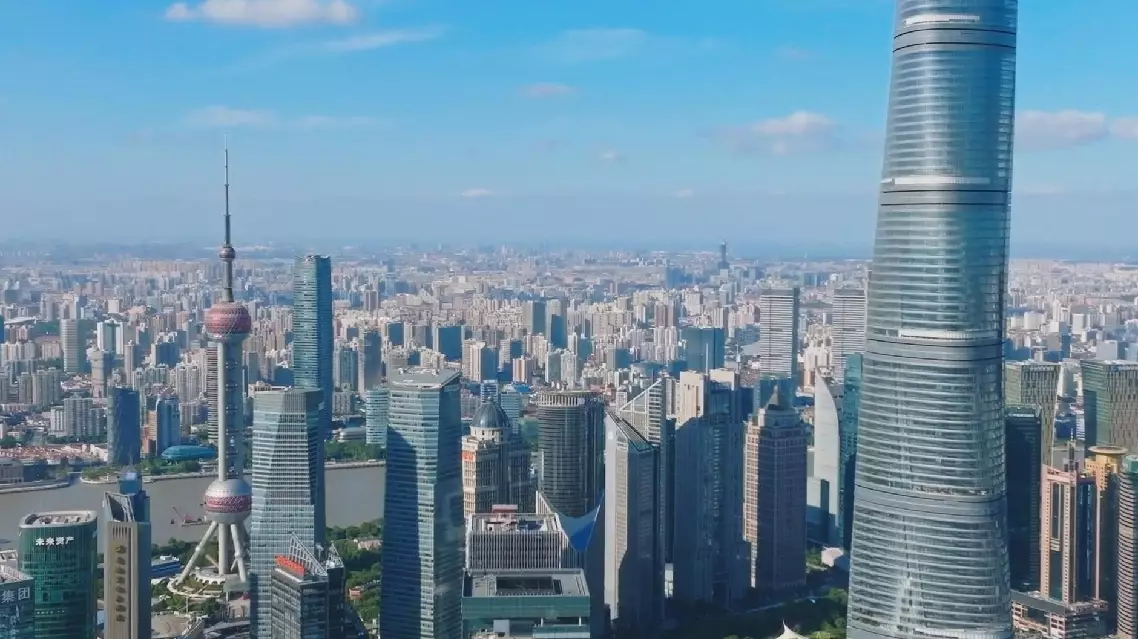
Shanghai spearheads sci-tech innovation development across Yangtze River Delta
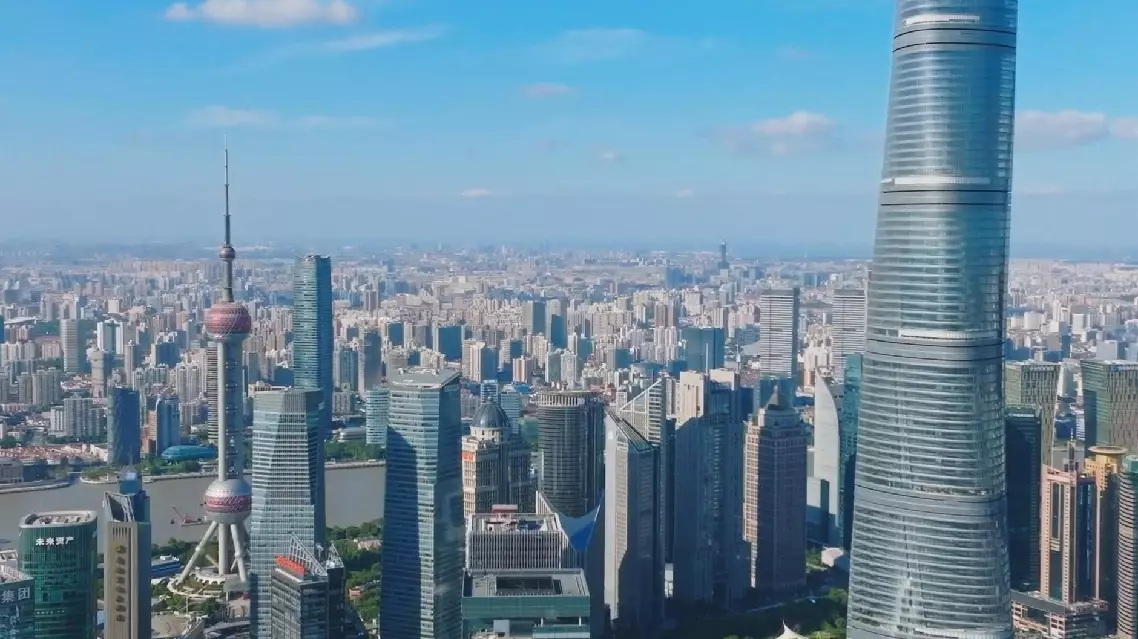
Shanghai spearheads sci-tech innovation development across Yangtze River Delta
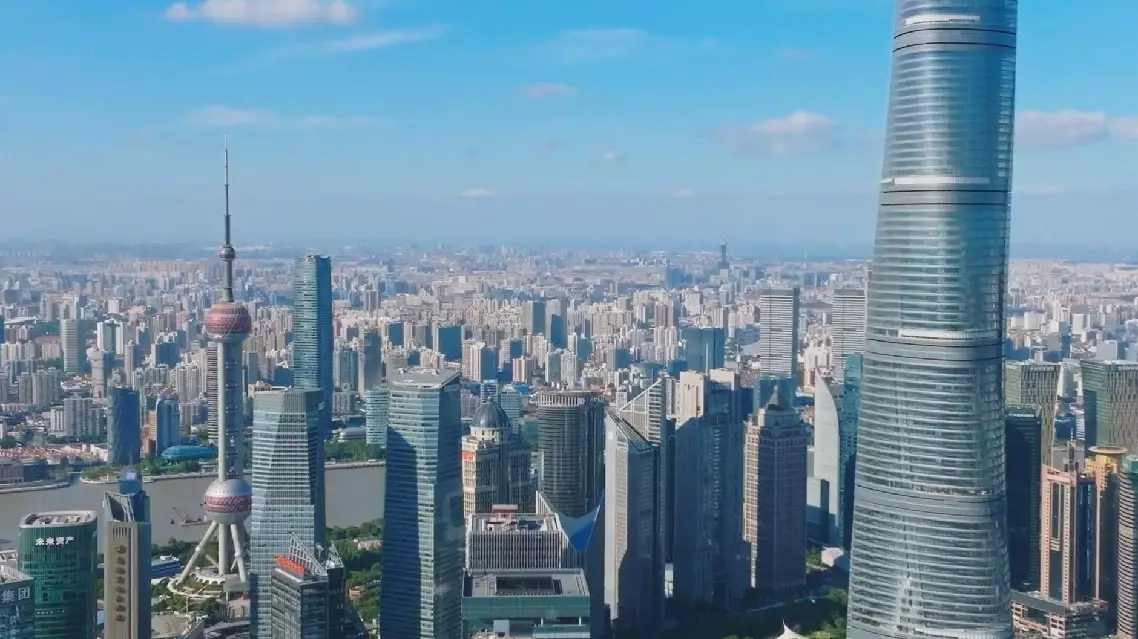
Shanghai spearheads sci-tech innovation development across Yangtze River Delta
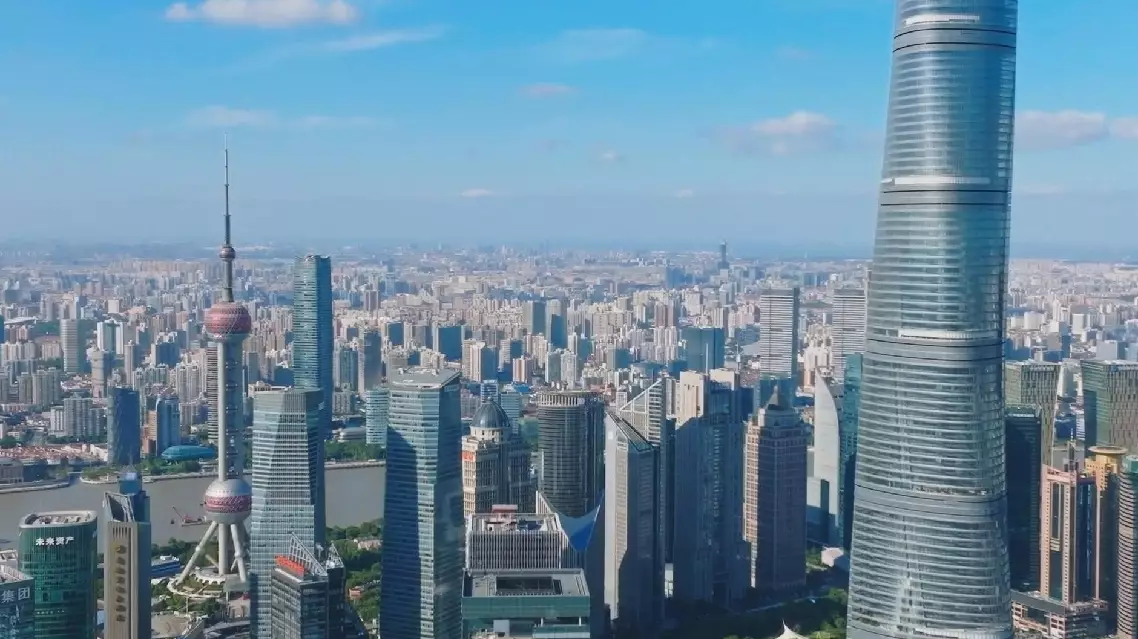
Shanghai spearheads sci-tech innovation development across Yangtze River Delta
Since the 18th National Congress of the Communist Party of China (CPC) in 2012, Shanghai has actively played its leading role as a powerhouse for scientific and technological innovation, driving the continuous enhancement of the Yangtze River Delta's capacity as a source for innovation.
The Shanghai Synchrotron Radiation Facility (SSRF), located in Zhangjiang Hi-Tech Park, has hosted more than 20,000 research projects since its 2009 debut. In the first 11 months of this year alone, nearly half of its users hailed from the Yangtze River Delta, showcasing its pivotal role in the region's innovation landscape. As early as 2007, Xi, then secretary of the Shanghai Municipal Committee of the CPC, paid high attention to national-level sci-tech innovation projects like the SSRF. He called for Shanghai to align with national strategies and shoulder the responsibility of building an innovation-driven country.
"At that time, our primary focus was on successfully completing the (SSFR) project, with attention centered on the project itself. However, Comrade Xi Jinping proposed using projects like the SSRF as a vehicle to better focus on and serve national strategies. This instruction reflects [his] profound strategic foresight," said Zhao Zhentang, an academician at the Chinese Academy of Engineering, then deputy head of the Shanghai Institute of Applied Physics of the Chinese Academy of Sciences.
Since the CPC's 18th National Congress, Xi has made multiple visits to Shanghai. In May 2014, he set a new mandate for the city to "accelerate its march toward becoming a sci-tech innovation hub with global influence," upgrading Shanghai's strategic positioning from the original "four centers" -- economic, financial, trade, and shipping -- to the "five centers," with the addition of a global technology-innovation hub.
Since the integrated development of the Yangtze River Delta was elevated to a national strategy in 2018, Xi has visited the region's most dynamic innovation areas and has had face-to-face communications with sci-tech workers across the three provinces of Zhejiang, Jiangsu and Anhui, as well as Shanghai. He explicitly pointed out that Shanghai and the entire delta region should not only provide quality products but also serve as a source of high-level technologies to support China's high-quality development.
He urged the region to become a source of sci-tech innovation by integrating sci-tech innovation forces and advantageous resources across regions and departments, calling for a coordinated approach that combines the leading city's driver role with each locality's own strengths.
"This series of important instructions clearly outlines Shanghai's mission: the city must not only strengthen its own innovation engine, but also play a leading role by radiating its advantage as sources of innovation across the Yangtze River Delta, thereby serving the broader national high-quality development. This fully embodies the general secretary's profound strategic vision in positioning Shanghai's development within the national overall framework and global competition," said Liu Qing, director of the National Innovation Center par Excellence (NICE). Today, Shanghai's Zhangjiang High-Tech Park averages one listed company per square kilometer. Half of the global top 20 pharmaceutical companies have established open innovation centers in the high-tech park, and the park hosts more than 40 percent of China's top 100 pharmaceutical industry companies. Shanghai currently has 20 major scientific and technological infrastructure projects in operation, under construction, or planned.
In the first half of this year, one out of every three papers published in top international journals nationwide was from Shanghai. The city is now home to more than 25,000 high-tech firms, with an average of 320 new ones springing up daily. The three leading industries of integrated circuits, biomedicine, and artificial intelligence have employed over 800,000 talents.
The G60 science and technology innovation corridor, pioneered by Shanghai's Songjiang District, has now brought together one-seventh of China's high-tech enterprises and over one-fifth of the companies listed on China's Nasdaq-style Science and Technology Innovation Board STAR Market.
Centered on the Large Aircraft Industrial Park in the Shanghai Lingang Special Area, a 400-kilometer radius -- reachable within three hours by high-speed rail -- encompasses more than one-third of the aircraft assembly suppliers.
With Shanghai taking the lead and working in concert with its neighboring provinces, the Yangtze River Delta is forging ahead with combined strength in scientific and technological innovation. A total of 24 Yangtze River Delta innovation consortia have been established on a pilot basis. The two comprehensive national science centers in Shanghai and Hefei City of Anhui Province are actively advancing their cooperation and co-construction. A total of 56,000 sets of large-scale scientific instruments are being shared across the region.
Furthermore, NICE has established strategic partnerships with over 200 domestic and foreign universities and research institutes, and set up joint innovation centers with nearly 600 leading companies.
Consequently, science and technological innovation in the Yangtze River Delta continues to reach new heights. In the Top 100 Innovation Clusters of the "Global Innovation Index 2025" released by the World Intellectual Property Organization (WIPO), the Shanghai-Suzhou cluster ranked sixth, Hangzhou 13th, Nanjing 15th, and Hefei 39th.
The recently-concluded Central Economic Work Conference emphasized the development of an international technological innovation center in Shanghai and the Yangtze River Delta, representing a significant strategic decision aimed at enhancing the global influence and competitiveness of China's international science and technological innovation hubs.
Additionally, the Yangtze River Delta region has adopted its first coordinated legislative framework for science and technology innovation, which came into effect in September, marking regional sci-tech collaboration elevated from policy coordination to a new stage of institutionalization and rule of law.
"We will firmly bear in mind General Secretary Xi Jinping's earnest instructions, join hands with Jiangsu, Zhejiang, and Anhui to build a world-class hub as sources of innovation, and focus on coordinated scientific and technological strategies, aligned innovation policies and shared resources. We will strive to deepen the integration of scientific and technological innovation with industrial innovation, accelerate the construction of the Shanghai (Yangtze River Delta) International Science and Technology Innovation Center, and establish a key strategic pillar for building China into a strong nation in science and technology," said Luo Dajin, director of the Science and Technology Commission of Shanghai Municipality.
Shanghai spearheads sci-tech innovation development across Yangtze River Delta
Shanghai spearheads sci-tech innovation development across Yangtze River Delta
Shanghai spearheads sci-tech innovation development across Yangtze River Delta
Shanghai spearheads sci-tech innovation development across Yangtze River Delta