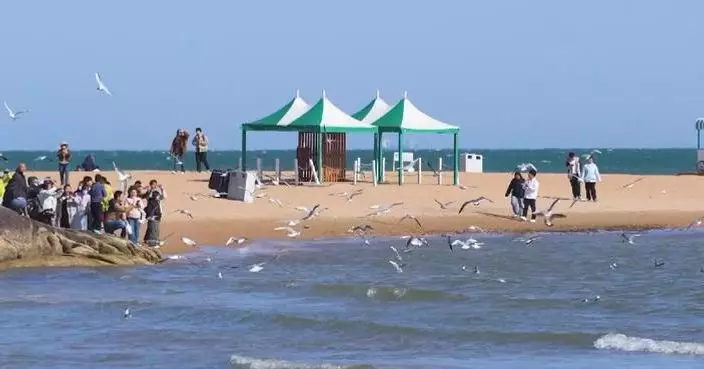
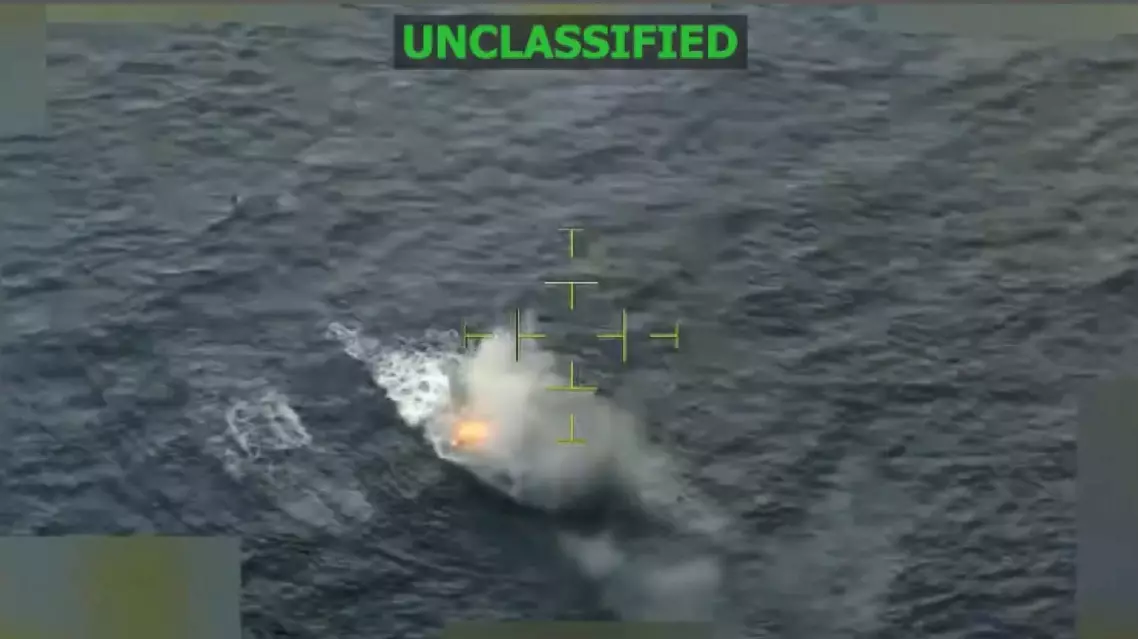
The U.S. military on Monday attacked one more alleged drug boat in international waters in the eastern Pacific, killing one person, the U.S. Southern Command said.
The vessel was operated by Designated Terrorist Organizations and U.S. intelligence confirmed that "the low-profile vessel was transiting along known narco-trafficking routes in the Eastern Pacific and was engaged in narco-trafficking operations," said the command in a statement posted on X.
"One male narco-terrorist was confirmed killed during this action. No U.S. military forces were harmed," the statement said, adding the strike was conducted at the direction of U.S. War Secretary Pete Hegseth, with no evidence offered.
Since early September, the Pentagon has sunk more than 26 alleged drug vessels in the Caribbean and eastern Pacific Ocean, killing more than 100 people aboard.
In recent weeks, U.S. President Donald Trump has repeatedly said that the U.S. military would begin land strikes targeting drug traffickers in the Caribbean "very soon," escalating tension between the United States and Venezuela.
For almost four months, the United States has maintained a significant military presence in the Caribbean, much of it off Venezuela's coast, purportedly to combat drug trafficking -- a claim Venezuela has denounced as a thinly veiled attempt to bring about regime change in the country.
U.S. military strikes 1 more alleged drug boat in eastern Pacific, killing 1
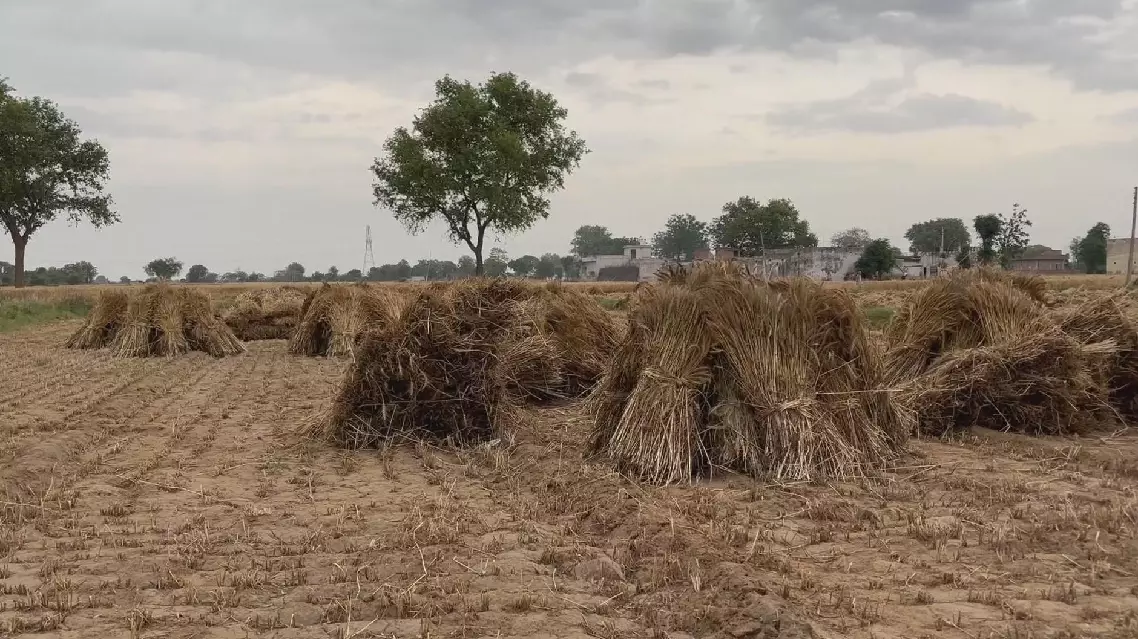
Farmers in India, a major agricultural producer and fertilizer importer, are raising concerns over fertilizer availability ahead of the planting season, as the escalating Middle East conflict and disruptions to shipping through the Strait of Hormuz put global supplies at risk.
The Middle East serves as both a vital energy hub and a major global fertilizer supplier, yet the ongoing U.S.-Israeli war with Iran has heightened risks of disruption to international supplies.
Chand Singh Yadav, a farmer in Haryana, a northern Indian state, said poor crop yields would be disastrous for the country and called on the government to ensure adequate supplies of fertilizers, agrochemicals and seeds to prevent a food crisis. "Without fertilizers, our crops will not grow well, and this would be disastrous for the entire country. If farmers cannot grow crops, people will not be able to buy food in the market. We urge the government to improve the supply system for fertilizers, agrochemicals and seeds to prevent the country and society as a whole from sliding into a food crisis," he said.
The Indian government is stepping up subsidies for farmers and optimizing fertilizer distribution and allocation to stabilize the supply. Prices have remained broadly stable, but demand is expected to surge ahead of the planting season, potentially exacerbating supply pressures.
"The current situation is worrying for us farmers. Spring sowing has not yet started, and the rainy season has not arrived. Fertilizer prices are temporarily stable, but in two months, demand for agricultural fertilizers will become pressing. Without fertilizers, it will be difficult to properly cultivate various types of crops. Urea and diammonium phosphate are especially critical. Crops can only grow normally when these fertilizers are applied. As these fertilizers are largely imported, if the conflict persists, supplies cannot be guaranteed," said Santosh Mishra, a farmer in India's eastern state of Odisha.
Escalating Middle East conflict strains India’s fertilizer supply
Escalating Middle East conflict strains India’s fertilizer supply