Iranian Foreign Ministry Spokesman Esmaeil Baghaei said on Monday that Iran's missile program has been developed to defend the country's sovereignty and is "non-negotiable."
He was responding to a media query at a weekly press conference about recent U.S. media reports claiming that Israel is planning to prepare for possible new military action against Iran, aimed at pressuring Tehran into negotiations over its missile program.
Citing unidentified sources, NBC News reported on Saturday that at a meeting later this month, Israeli Prime Minister Benjamin Netanyahu would seek to convince U.S. President Donald Trump that "Iran's expansion of its ballistic missile program poses a threat that could necessitate swift action."
"Iran's missile program has been developed to solely defend the country's sovereignty and is basically not a subject of negotiation. It is evident that Iran is fully committed to doing its job. The Iranian armed forces are capable of making every effort to defend the country when necessary," Baghaei said. He slammed the West's "clear hypocrisy" regarding Iran's missile capabilities, stressing that Western powers and Israel were trying to present Iran's missile program as a "threat" whereas it was concurrently seen that large quantities of arms were being delivered to Israel.
Baghaei said that the Middle East continues to be mired in difficulties due to Israel's ongoing aggression against regional countries in various forms. The continuous arrests and killings of Palestinian people by Israel serve as evidence of crimes against humanity. As long as Israel's criminal behaviors persist, the resistance movements in the region will not cease.
On June 13, Israel launched surprise airstrikes on several areas in Iran, including nuclear and military sites, killing senior commanders, nuclear scientists, and civilians. On June 22, U.S. forces bombed the three Iranian nuclear facilities of Natanz, Fordow, and Isfahan.
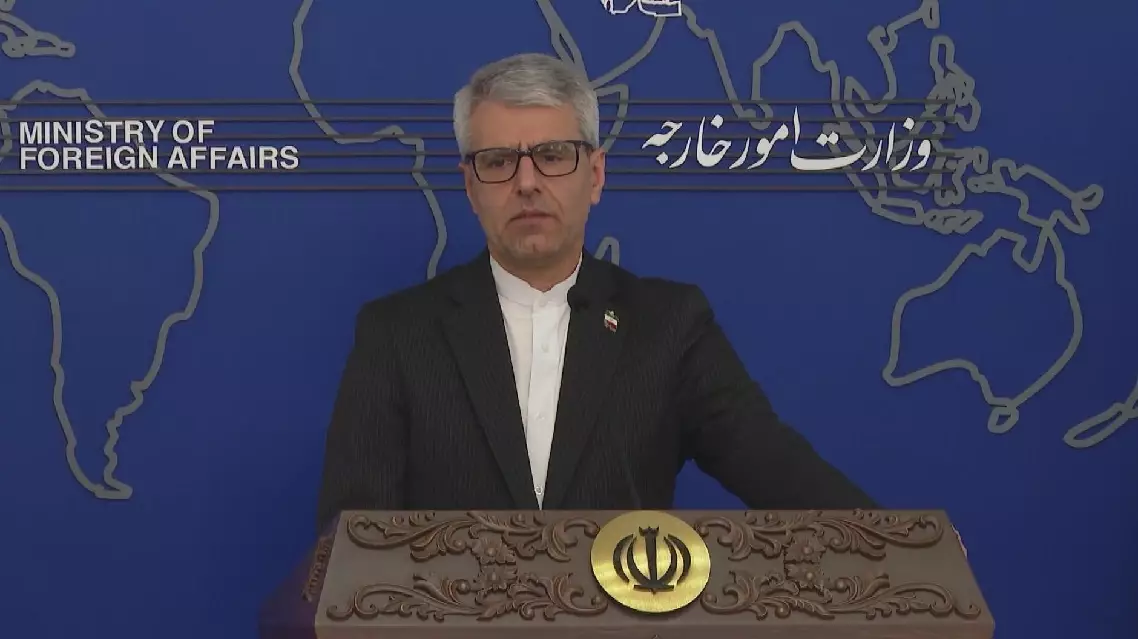
Iran says "non-negotiable" missile program aimed at defending national sovereignty
China's top housing authority has pledged to stabilize the real-estate market, rolling out a package of measures centered on city-specific policies to reduce inventories and optimize housing supply.
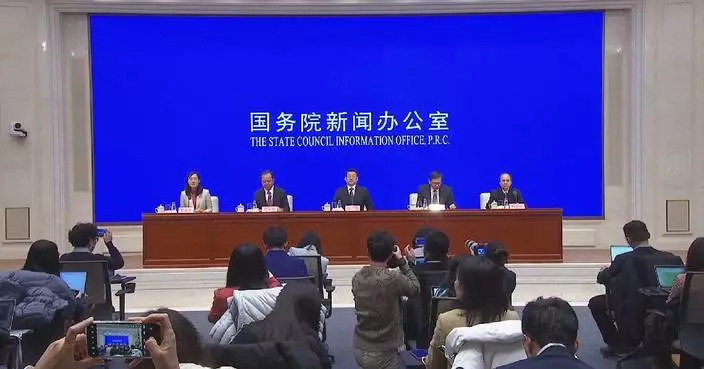
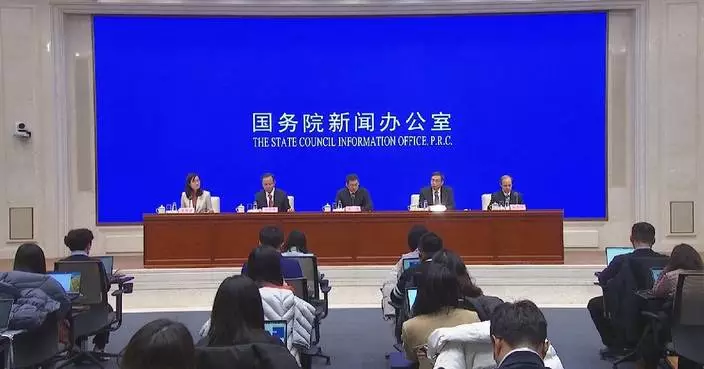
At a national conference held in Beijing on Tuesday, the Ministry of Housing and Urban-Rural Development announced that stabilizing the real estate market will be a central priority next year.
In 2026, local governments across China are expected to focus on city-specific policies aimed at controlling new housing supply, reducing existing inventory, and optimizing housing availability. Efforts will be integrated with urban renewal projects and the redevelopment of urban villages to revitalize and better utilize existing land resources. Authorities will also promote the acquisition of unsold commercial housing stock for conversion into affordable housing, resettlement units, dormitories, and apartments for skilled professionals.
The supply of government-subsidized housing will be optimized and implemented with greater precision, while a national housing quality improvement initiative will advance the orderly construction of "good homes." The role of the real estate project "whitelist" system will be further expanded to support the reasonable financing needs of property developers.
Municipal governments are encouraged to make full use of their autonomy in real estate regulation, adjusting and refining housing policies as appropriate to support both rigid and improvement-oriented housing needs, thereby fostering stable operation across local property markets.
China will also accelerate the formation of a new development model for the real estate sector. This includes building a foundational institutional framework, solidifying the corporate-based project development model, implementing a lead bank system for real estate financing, and promoting the sale of completed homes, effectively reducing the risk of delivery failures. For areas that continue with pre-sale practices, stricter oversight will be applied to the management of pre-sale funds to protect buyers' legal rights.
At the same time, reforms to the housing provident fund system will be deepened. The government will launch a campaign to improve the quality of property services and explore a new model of community governance led by grassroots Party organizations in collaboration with neighborhood committees, homeowners' associations, and property management companies. Moreover, the "property services plus lifestyle services" model will be explored, expanding property-related services into households.
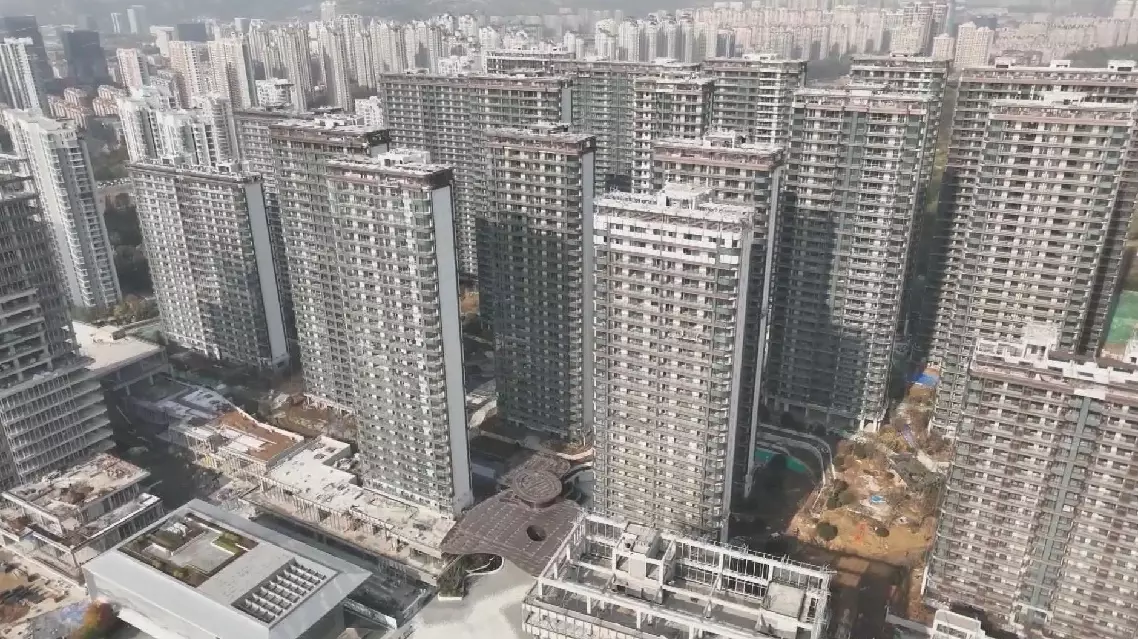
China pledges to stabilize property market