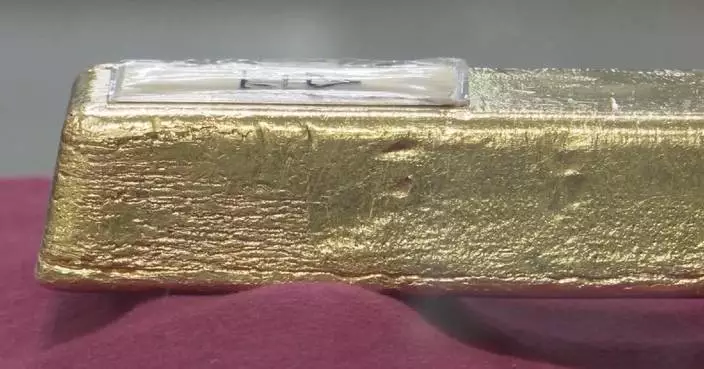
More than a year after field excavations concluded at the Wuwangdun Tomb in east China's Anhui Province, archaeologists have unveiled a series of new findings that offer fresh insights into the cultural life of the ancient Chu state around 200 BC.
Among the more than 10,000 relics unearthed from the Wuwangdun Tomb, musical instruments stand out for their abundance and variety, with some traditional instruments exceeding more than two meters in length. The large quantity of wind and string instruments signals a major shift in China's musical forms during the Warring States period, from approximately 475 BC to 221 BC.
"In the past, the ritual music system was dominated by music, centered on bronze bells and stone chimes. The extensive collection of wind and string instruments from the Wuwangdun Tomb is unprecedented. It reflects a transformation from Ji Shi (gold and stone) music toward a more orchestra-dominated format," said Gong Xicheng, lead archaeologist of Wuwangdun Tomb archaeological team.
One notable discovery is a bamboo ruler, measuring approximately 69.4 centimeters in length and unearthed for the first time. Its clear markings show that its measurements align with those used by other states of the era, like the Qin state.
This reveals a trend toward standardization in weights and measures even before the Qin dynasty unification.
"Based on its dimensions, this bamboo ruler indicates that one 'chi' in the Qin state at the time measured slightly more than 23.1 centimeters. This artifact matches perfectly with other rulers unearthed from the same period, as well as historical records, demonstrating that measurement standards across the various feudal states [in ancient China] were relatively uniform during the late Warring States period," said Li Fengxiang, a member from the Wuwangdun Tomb archaeological team.
Analysis of residues inside the bronze ding has revealed many plant and animal remains. The animal bones showed signs of cooking, offering key insights into the Chu diet and culinary practices.
From cultural institutions to daily life, the systematic findings at the Wuwangdun Tomb vividly illustrate the richness of Chu culture and the continuity of Chinese civilization.
These discoveries will soon be displayed at the National Museum of China.
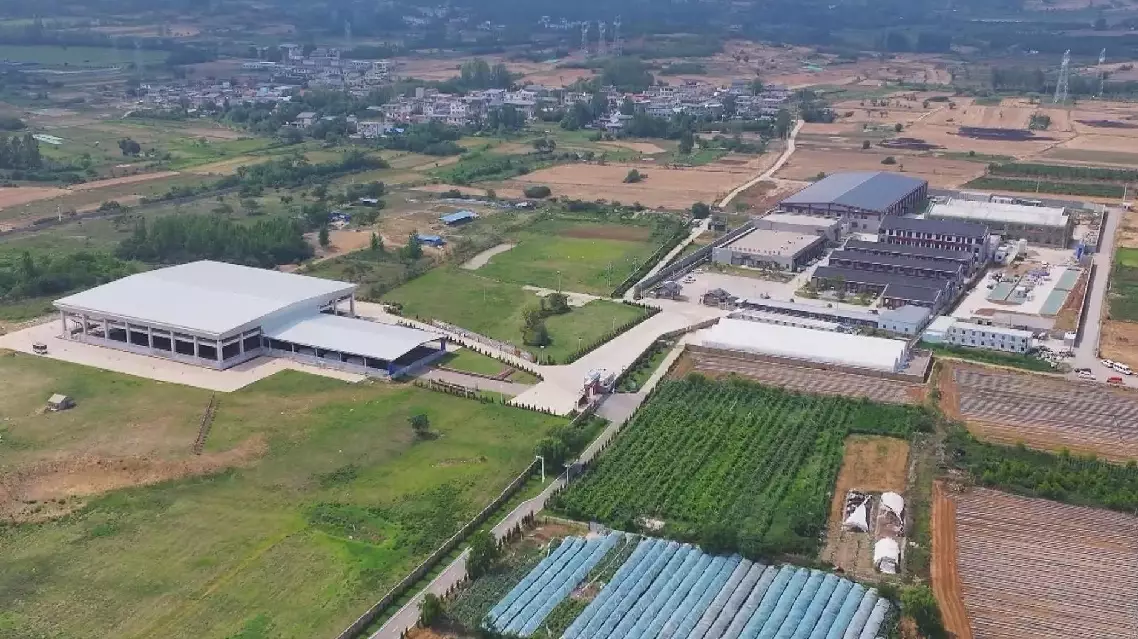
New discoveries at the Wuwangdun Tomb offer insights into ancient Chu culture
China's top housing authority has pledged to stabilize the real-estate market, rolling out a package of measures centered on city-specific policies to reduce inventories and optimize housing supply.
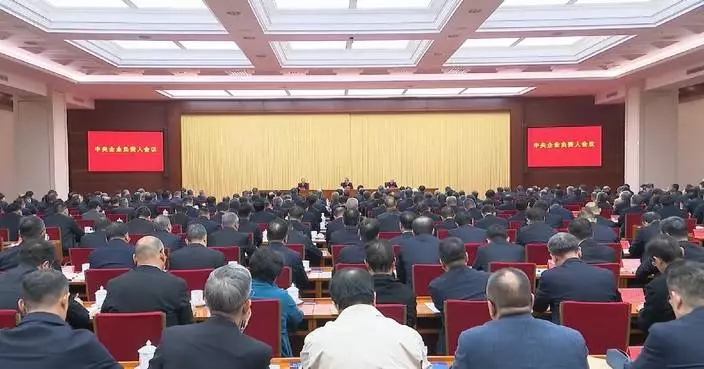
At a national conference held in Beijing on Tuesday, the Ministry of Housing and Urban-Rural Development announced that stabilizing the real estate market will be a central priority next year.
In 2026, local governments across China are expected to focus on city-specific policies aimed at controlling new housing supply, reducing existing inventory, and optimizing housing availability. Efforts will be integrated with urban renewal projects and the redevelopment of urban villages to revitalize and better utilize existing land resources. Authorities will also promote the acquisition of unsold commercial housing stock for conversion into affordable housing, resettlement units, dormitories, and apartments for skilled professionals.
The supply of government-subsidized housing will be optimized and implemented with greater precision, while a national housing quality improvement initiative will advance the orderly construction of "good homes." The role of the real estate project "whitelist" system will be further expanded to support the reasonable financing needs of property developers.
Municipal governments are encouraged to make full use of their autonomy in real estate regulation, adjusting and refining housing policies as appropriate to support both rigid and improvement-oriented housing needs, thereby fostering stable operation across local property markets.
China will also accelerate the formation of a new development model for the real estate sector. This includes building a foundational institutional framework, solidifying the corporate-based project development model, implementing a lead bank system for real estate financing, and promoting the sale of completed homes, effectively reducing the risk of delivery failures. For areas that continue with pre-sale practices, stricter oversight will be applied to the management of pre-sale funds to protect buyers' legal rights.
At the same time, reforms to the housing provident fund system will be deepened. The government will launch a campaign to improve the quality of property services and explore a new model of community governance led by grassroots Party organizations in collaboration with neighborhood committees, homeowners' associations, and property management companies. Moreover, the "property services plus lifestyle services" model will be explored, expanding property-related services into households.
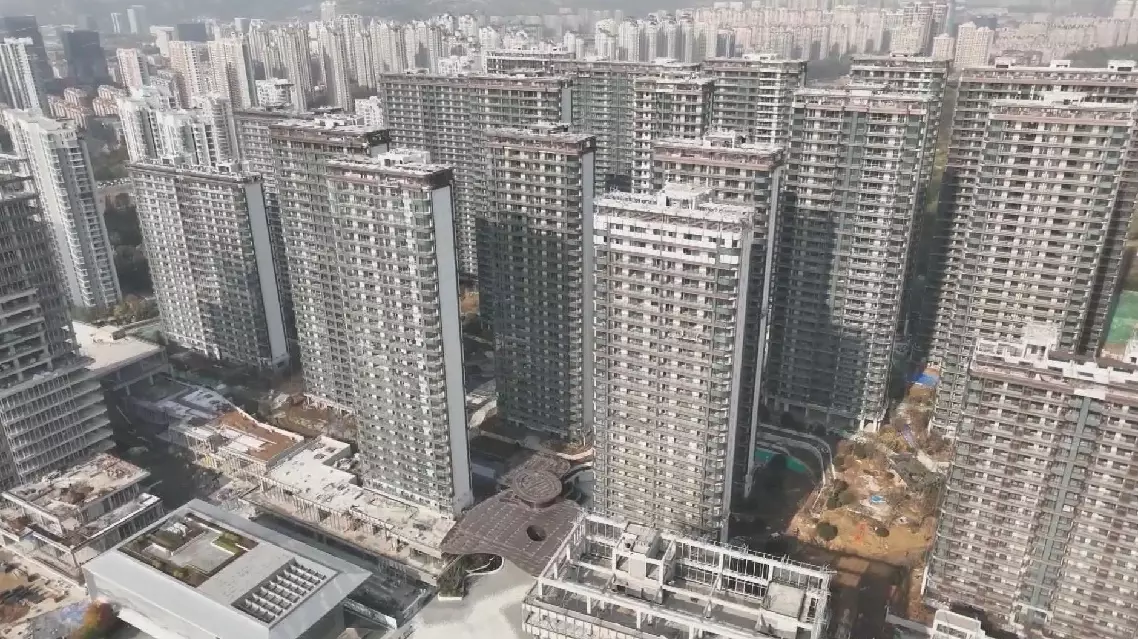
China pledges to stabilize property market