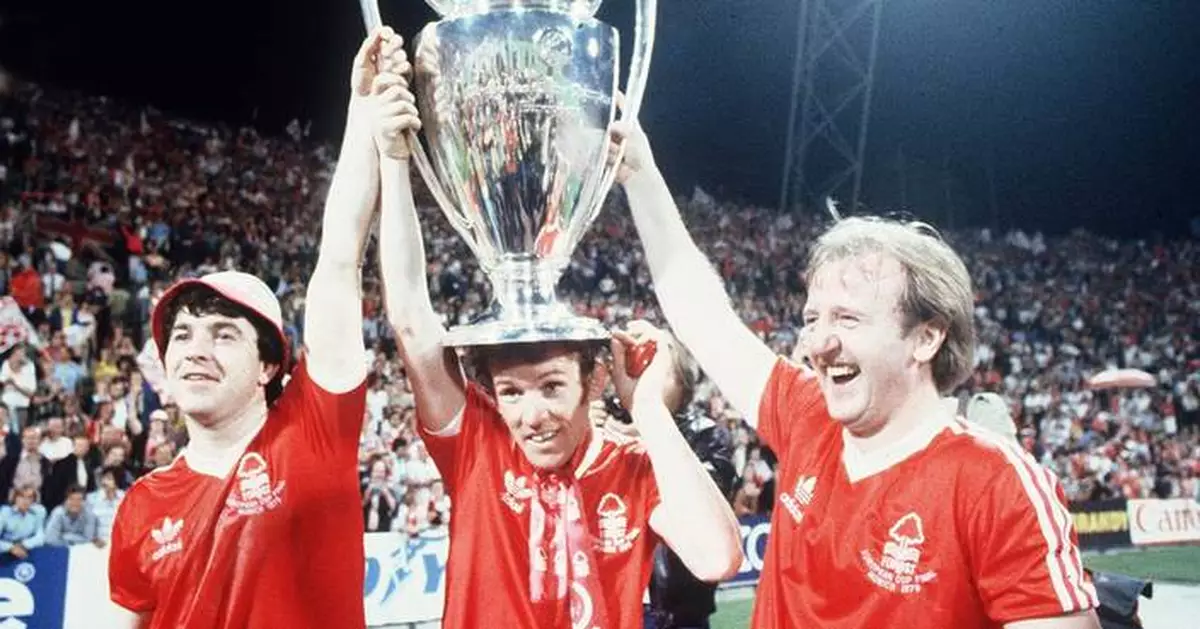
NOTTINGHAM, England (AP) — John Robertson, a former Scotland winger who won the European Cup twice with Nottingham Forest and scored the only goal in the 1980 final, has died. He was 72.
The Premier League club said in a statement Thursday that it was “heartbroken to announce the passing of Nottingham Forest legend and dear friend, John Robertson.” No cause of death was given.
Robertson won 28 caps for Scotland during his five-year international career, which included being selected at the 1978 and 1982 World Cups.
He became a cult hero at Forest after playing an integral part in the East Midlands club's European Cup victories in 1979 and 1980.
Robertson provided the cross for Trevor Francis to head home the only goal against Swedish side Malmo in Munich as Brian Clough’s side lifted the European Cup — which evolved into the Champions League — for the first time in 1979.
Twelve months later, Robertson was on the scoresheet in another 1-0 victory as Forest successfully defended its European crown against Hamburg in Madrid.
He also won the English League Cup twice with Forest.
Robertson started and ended his career at Forest, either side of a spell at local rival Derby.
“Rest in Peace, Robbo ... Our greatest,” Forest said.
AP soccer: https://apnews.com/hub/soccer
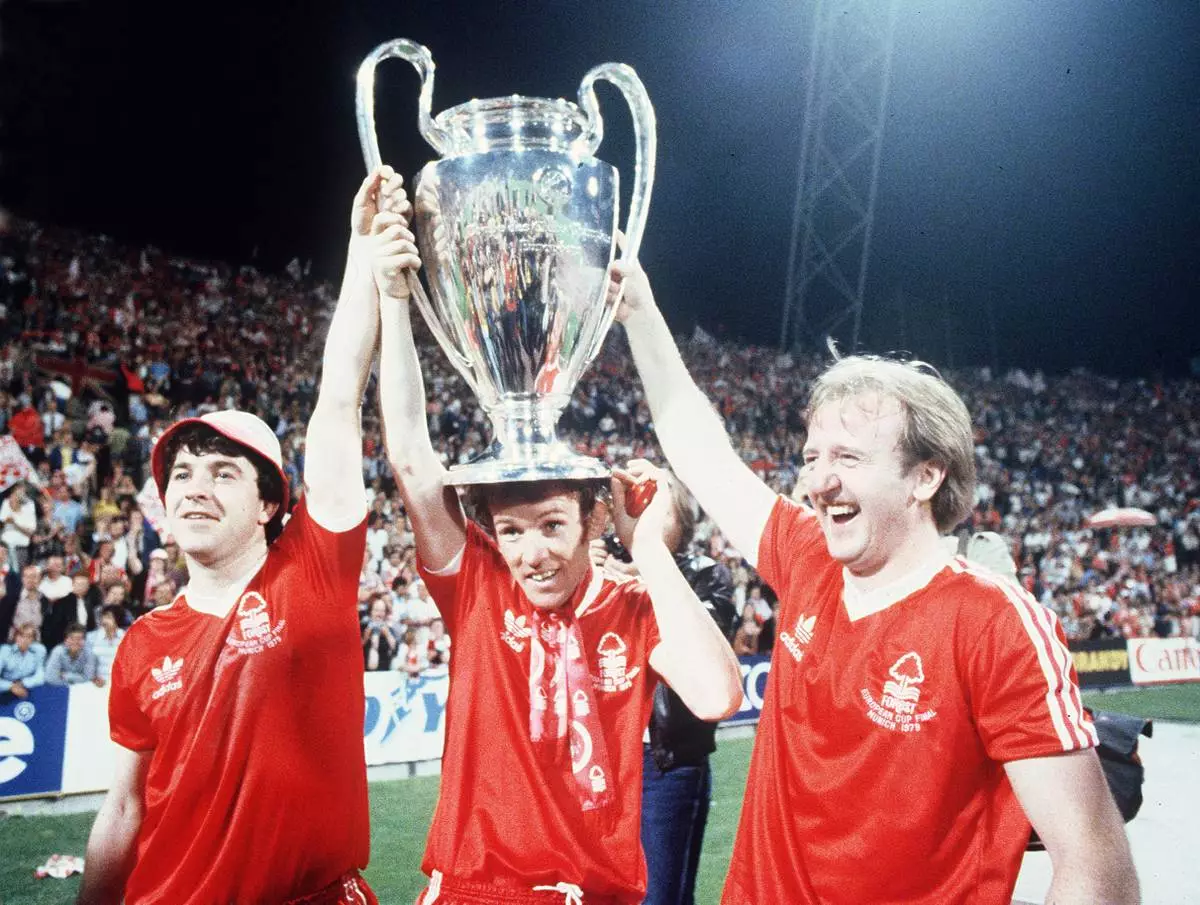
FILE - Nottingham Forest's John Robertson, left, Ian Bowyer, center, and Kenny Burns, right, carry the European Cup in triumph after their 1-0 win against Malmo FF in Munich, Germany, May 30, 1979. (AP Photo, File)
CHICAGO (AP) — Cardi B was part of Bad Bunny's Super Bowl halftime show. What she did exactly, well, that turned into a perplexing question for two major prediction markets.
At least one Kalshi trader filed a complaint with the Commodity Futures Trading Commission over how the prediction market handled Sunday's appearance by the Grammy-winning rapper. The result of a similar event contract on Polymarket also drew the ire of some users on that platform.
Prediction markets provide an opportunity to trade — or wager — on the result of future events. The markets are comprised of typically yes-or-no questions called event contracts, with the prices connected to what traders are willing to pay, which theoretically indicates the perceived probability of an event occurring.
The buy-in for each contract ranges from $0 to $1 each, reflecting a 0% to 100% chance of what traders think could happen.
More than $47.3 million was wagered on Kalshi’s market for “ Who will perform at the Big Game? ” A Polymarket contract had more than $10 million in volume.
Cardi B joined singers Karol G and Young Miko and actors Jessica Alba and Pedro Pascal on a starry front porch during the halftime spectacle. She danced to the music, but it was unclear whether she was singing along during the show, which included performances by Ricky Martin and Lady Gaga.
Due to “ambiguity over whether or not Cardi B’s attendance at the 2026 Super Bowl halftime show constituted a qualifying ‘performance,’” Kalshi cited one of its rules in settling the market at the last price before trading was paused: $0.74 for No holders and $0.26 for Yes holders. The platform returned all the money to its users.
Polymarket's contract was resolved as Cardi B had performed, but the yes was disputed. A final decision on the contract is expected to be announced on Wednesday.
In the CFTC complaint — first reported by the Event Horizon newsletter and posted by Front Office Sports — the trader alleges that Kalshi violated the Commodity Exchange Act with how it resolved the Cardi B contract. The trader — a Yes holder — is seeking $3,700.
A message was left Tuesday night seeking more information from the CFTC.
The Super Bowl capped a big NFL season for prediction markets.
Kalshi reported a daily record high of more than $1 billion in total trading volume on the day of the game, an increase of more than 2,700% compared to last year's Super Bowl. The season-long total for all Super Bowl winner futures was $828.6 million, up more than 2,000% from last year.
The increased activity on Sunday caused some deposit issues. Kalshi co-founder Luana Lopes Lara posted on X on Monday that the “traffic spike was way bigger than our most optimistic forecasts.” She said the platform had reimbursed processing fees on the effected deposits and added credits to users who experienced delays.
Robinhood Markets highlighted the strength of its prediction markets when it announced its financial results for the fourth quarter and full 2025 on Tuesday.
“I think we are just at the beginning of a prediction market super cycle that could drive trillions in annual volume over time,” CEO Vlad Tenev said during an earnings call. “This year is going to be a big year. Olympics are going on right now. World Cup coming in the summer.”
AP sports: https://apnews.com/sports
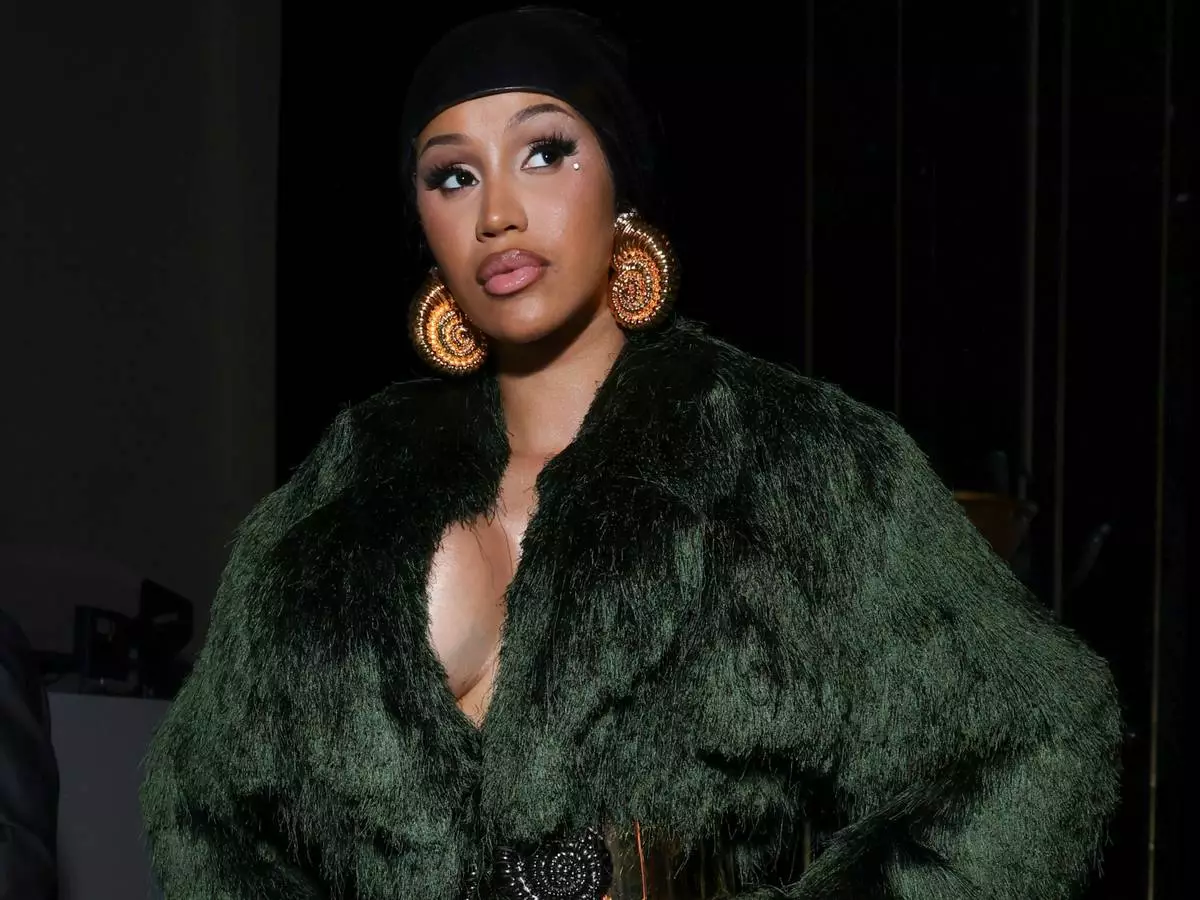
FILE - Cardi B attends the Balmain Spring/Summer 2025 collection presented in Paris on Sept. 25, 2024. (Photo by Vianney Le Caer/Invision/AP, File)