The well-known picturesque Lushan Mountain in east China's Jiangxi Province experienced its first snowfall of the winter on Wednesday, enchanting tourists from both local areas and afar as they enjoyed the snowy wonderland.
As temperatures dipped below freezing due to a cold front, rain mixed with snow began to fall in the evening, quickly turning into a flurry of snowflakes.
By 21:00, the temperature had plummeted to below zero, with an average snowfall of about 3 centimeters.
The snow blanketed the rooftops, treetops, and streets of Guling Town, a scenic spot in Mt. Lushan, creating a picturesque scene that showcased the unique beauty of winter in southern China.
Tourists flocked to the streets, building snowmen and taking photos, fully immersing themselves in the winter charm and joy that the mountain had to offer.
"It's so novel for me. I've never been to such a high-altitude mountain before. I'm thrilled to see snow for the first time," said a tourist surnamed Kwok from Hong Kong.
"Seeing such a beautiful snow scene makes me very happy. It's cold, but I'm enjoying every moment," said another tourist, surnamed Li, from Ji'an City in the province.
The snowy weather has led to icy conditions on the roads leading up the mountain. In response, the local meteorological observatory issued a yellow alert for road icing.
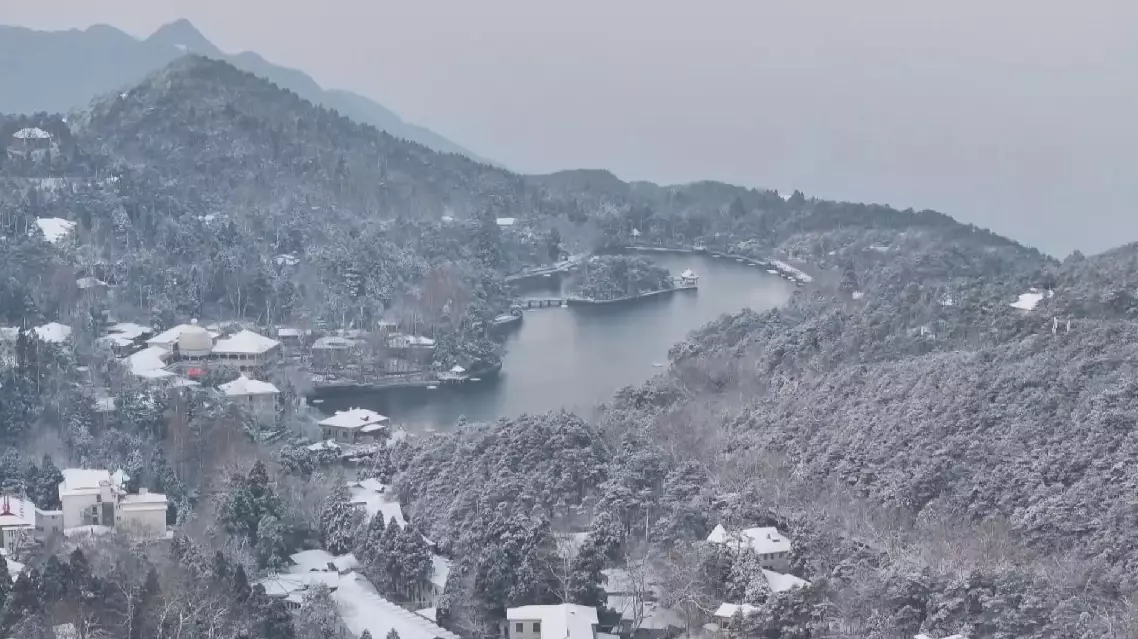
Snowfall blankets Mt. Lushan in Jiangxi as tourists enjoy winter wonderland
The energy price shock triggered by tensions in the Middle East is weighing on German consumers and industry, placing further downward pressure on Europe's largest economy.
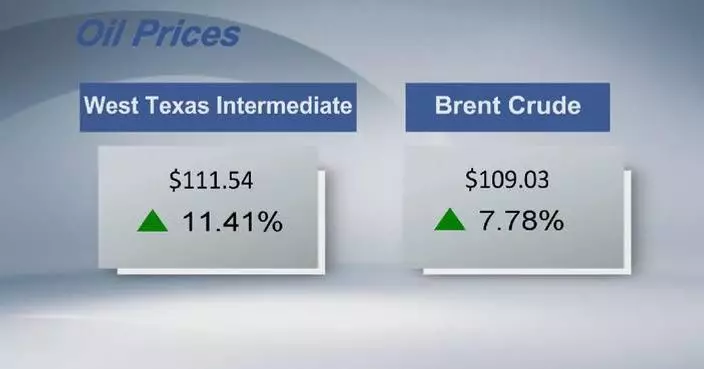
Sustained high oil and natural gas prices are expected to hit both Germany's economy and the global outlook, according to analysts.
"The economic outlook for Germany, and indeed for the global economy, depends crucially on the course of the conflict. This means that we will face a shortage of energy -- oil and gas -- for the foreseeable future, leading to sustained high energy prices. Naturally, this puts a strain on the German economy and also on the global economy," said Timo Wollmershauser, a researcher at the ifo Institute for Economic Research.
Escalating tensions in the Middle East are also denting German consumer confidence, as households grow more cautious about the economic outlook as energy bills climb, according to analysts.
"Germany is facing a major energy price shock. Rising oil prices are eroding real incomes across the country. People are noticing the impact at the pump, for example, and consequently have less money available for other expenses. As a result, consumption will be affected. Overall, this will weaken economic development in Germany," said Oliver Holtemoller, vice president of the Halle Institute for Economic Research.
As growing uncertainty undermines the confidence of German firms and financial markets, further clouding the prospects for an economic recovery, several German research institutes have revised down their projections for the country's future growth.
While the U.S.-Israel-Iran conflict continues, much attention is focusing on the severe disruption to shipping through the Strait of Hormuz -- a vital passageway which typically carries around one-quarter of global seaborne oil trade.
The current crisis along the Strait of Hormuz came as part of Iran's response to U.S.-Israeli operations, which saw it restricting navigation through the strait and targeting any vessels associated with the U.S. or Israel.
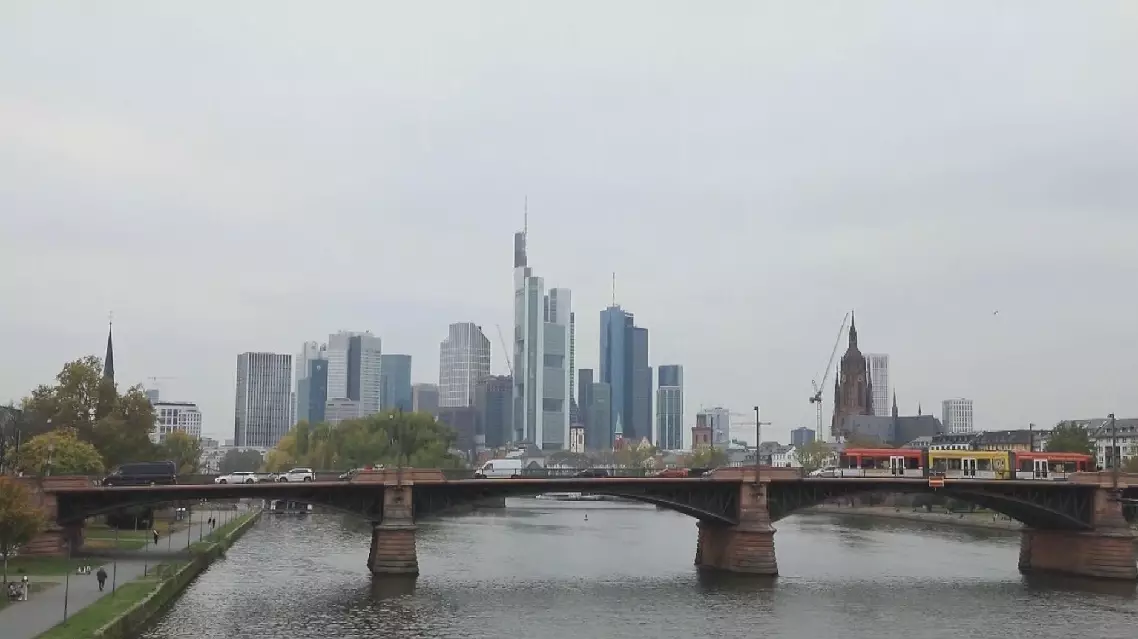
German industry, consumers affected amid Mideast energy shock