Energy and fertilizer shortages due to restricted cargo operations in the Strait of Hormuz could trigger global food inflation, Maximo Torero, Chief Economist of the Food and Agriculture Organization (FAO) of the United Nations, warned on Wednesday.
Around one-third of the global seaborne fertilizer trade passes through the Strait of Hormuz, according to the United Nations.
Limited operations in the Strait due to the U.S.-Israeli war with Iran has caused fertilizer import costs to skyrocket by up to 50 percent, Torero said in an interview with China Global Television Network (CGTN).
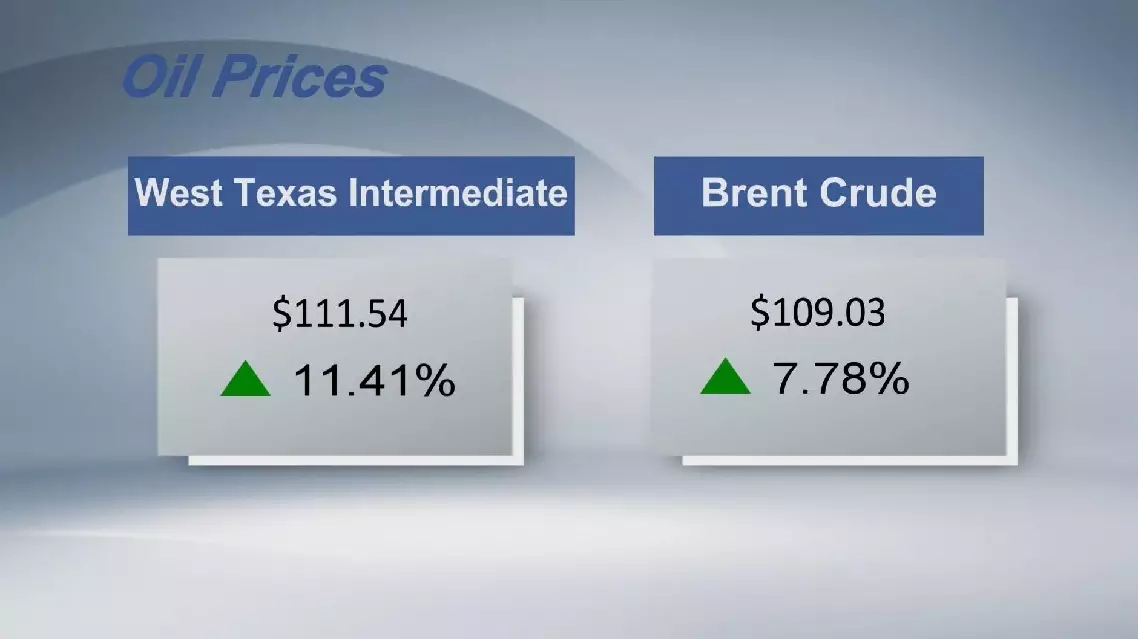
"Import cost for farmers has increased substantially. In some cases, we're observing increases of fertilizers up to 50 percent, and of course increase of oil which is crossing the line of 100 dollars. So, all logistical operations when you grow food, from the farms to the markets, are impacted, but also the inputs that you use," said Torero.
"Now the key variable in the current situation is time. If the situation stops and the Strait is open, markets will absorb this in two to three months. If the situation goes over more than 30 days or one or two weeks more, then the situation becomes more complex, because that means that farmers have to make choices, and the choices are the following; they plant less, they plant the same but with less inputs, and therefore that has an impact over yields, or they switch to crops that can fix better nitrogen, like for example moving from corn or wheat towards soybeans," he continued.
He said that, while the impact will mainly be felt during the next planting season, farmers that have already started planting are still at risk in the short term.
"The impact of this will be for the next planting season, so the second half of the year and for the following year. That's where the situation could become significantly dramatic. Despite that, in the short term, right now there are countries that already started their planting season. And those countries are at risk. And in South Asia, I am talking of Bangladesh, India, Pakistan and Sri Lanka; in East Africa, Sudan, Kenya and Somalia; and in the Middle East, Türkiye and Jordan," said Torero.
Torero also warned of the knock-on effects of the crisis on global economic growth.
"If we go to more than 30 days between 60 and over, that will imply that there will be clearly less application of fertilizers. That will have created a yield contraction. So, a declining crop yield will shift in crop patterns as I said before. And this will tighten global grain supply. So that will be for the second part of the year and for next year. If it goes even over, the impact will be bigger, because what will happen on the side of the agri-food systems is that potentially next year, we will be facing, and at the end of this year, food inflation, which will affect the consumer price index, so it will be overall inflation. That will impact, of course, all the economies, and countries will have to put measures to reduce inflation, like increasing interest rates, which could affect economic growth in the medium and long term," he said.

Energy, fertilizer shortages could trigger global food inflation: FAO chief economist