Skip to Content Facebook Feature Image

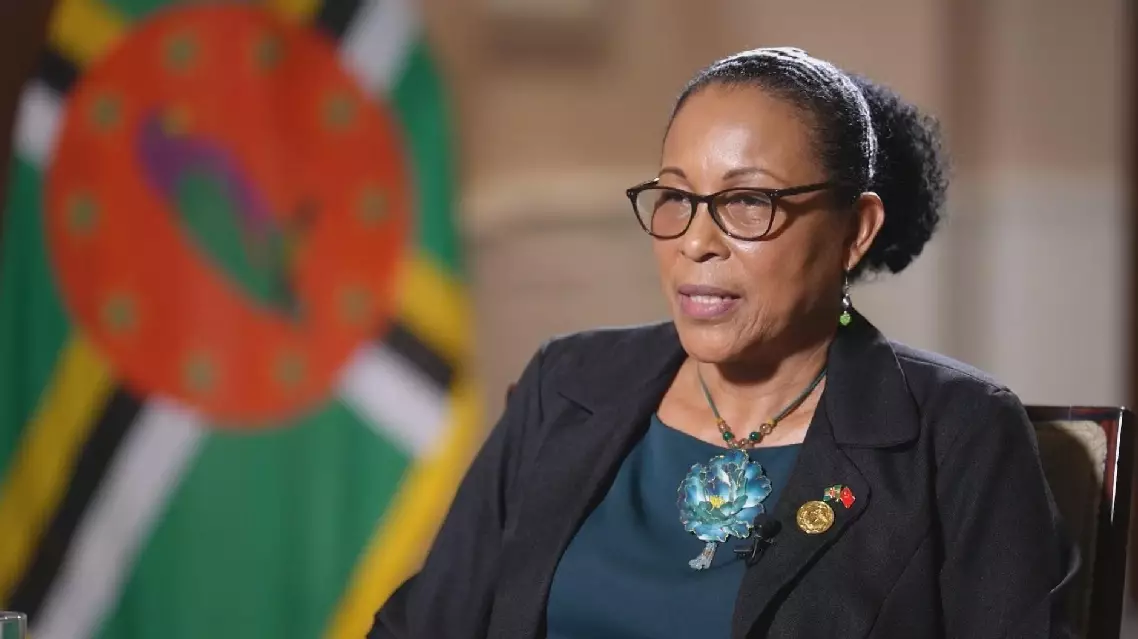
Dominican president calls on US to respect Venezuela's sovereignty
HotTV

HotTV

HotTV

Dominican president calls on US to respect Venezuela's sovereignty

2025-12-27 14:42 Last Updated At:15:32

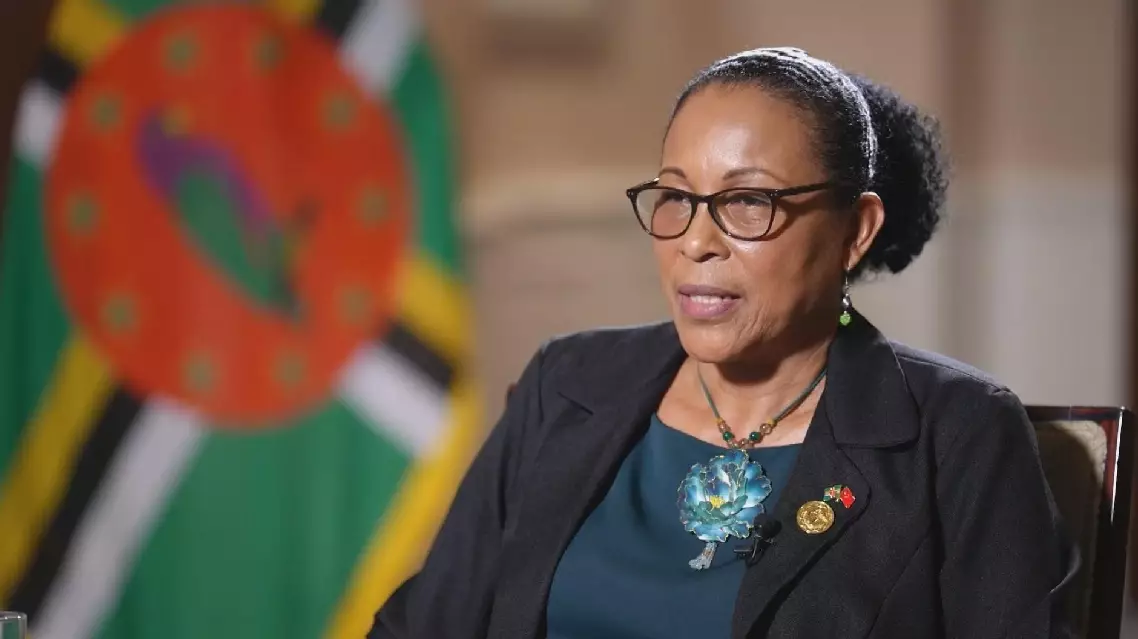
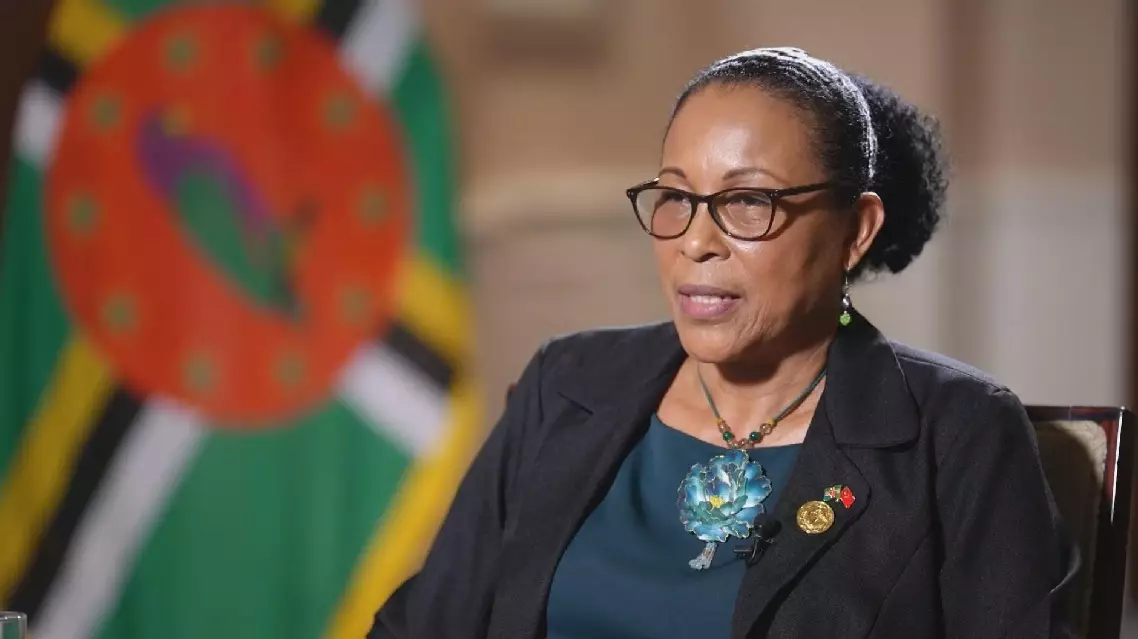
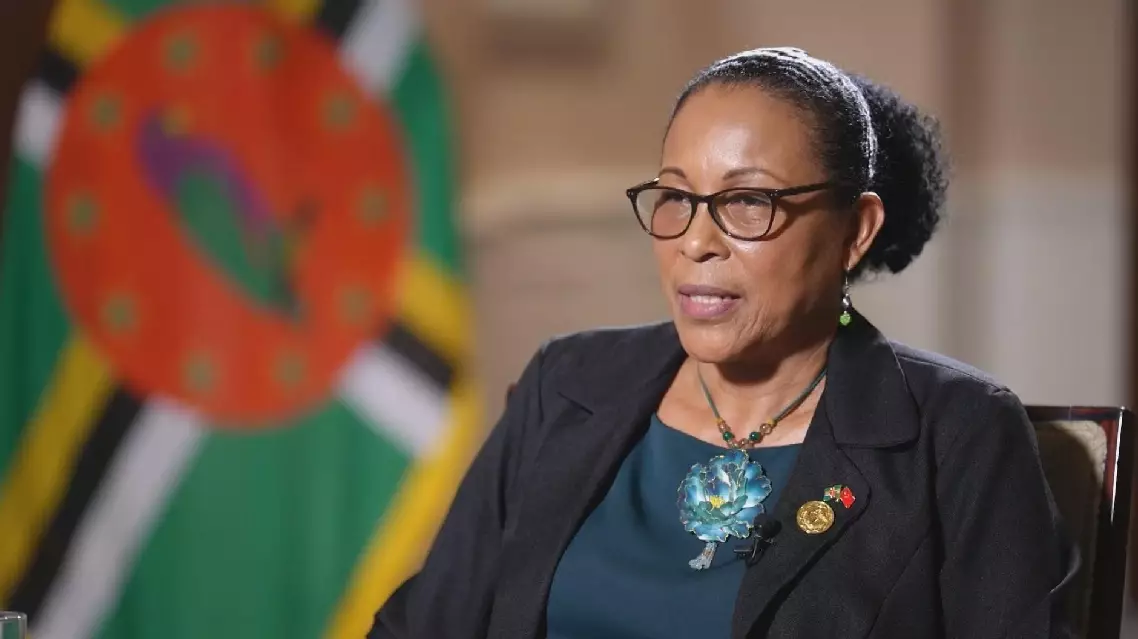
President of the Commonwealth of Dominica Sylvanie Burton has called on the United States to cease its bullying of Venezuela and seek negotiations to resolve differences.

Since late August, the U.S. has ramped up military presence in the Caribbean off Venezuela's coast, alongside escalating sanctions, blockades and military threats against the oil-rich South American nation.

The U.S. military has also launched dozens of strikes on vessels in the Caribbean Sea and Pacific Ocean since September, which it alleged were carrying drugs.

The strikes, which were justified by the U.S. as "war on drug cartels," have killed more than 100 people, according to figures released by the U.S. administration.

In an interview with China Media Group (CMG) aired on Saturday, Burton urged the U.S. to stop its aggression against Venezuela and the broader Latin America and the Caribbean, emphasizing the importance of peaceful negotiations.

"Every government must be respected. Our appeal to the U.S. is to let there be discussions. Let us sit at the table instead of having wars, instead of trying to remove governments in power, instead of moving to each other's country because we are smaller than you and you are more equipped than us and bullying us into submission. And so for us in the Caribbean, we are calling on the U.S. to cease that aggression against Venezuela. I think the entire Latin America and the Caribbean is singing one voice and we can only hope that the U.S. will listen and will respect Venezuela's sovereignty," the president said.

Dominican president calls on US to respect Venezuela's sovereignty

Dominican president calls on US to respect Venezuela's sovereignty
Of the four mice involved in a recent mission aboard China's space station in orbit, one female has now successfully given birth to healthy offspring on the Earth, the Technology and Engineering Center for Space Utilization (CSU) of the Chinese Academy of Sciences (CAS) has announced.

The four mice were sent into space aboard China's Shenzhou-21 crewed spaceship on Oct. 31, and were housed in a specialized habitat on the space station before returning to the Earth on Nov. 14.

After their return, one female mated with a male and conceived, and later delivered nine pups on Dec. 10. Six of the newborns have survived -- a rate considered normal. Researchers have noted that the mother mouse is nursing normally and the pups appear active and healthy.

"Their offspring all appear normal, so preliminary evidence suggests the space environment may have a very limited impact on the fertility of mice. This lays an important foundation for enabling mice to mate in space in the future, as well as to become pregnant, give birth, and produce offspring there," said Wang Hongmei, deputy director of the Institute of Zoology of the CAS.

According to the CSU, throughout the space mission, an AI-powered monitoring system tracked the behavior of the mice, including movement, feeding and sleep patterns, providing critical data to support real-time decision-making.

The CSU stated that this achievement signifies China's first full-cycle realization of a mammalian space experiment, covering pre-launch preparations, in-orbit operations aboard the Chinese space station, and sample recovery.

This milestone lays a solid foundation for larger-scale mammalian space science experiments in the future, the CSU added.

The monitoring by researchers also revealed that the mother mouse who had been to space showed a parenting style drastically different from that of the ground group. She would seek out a special, hidden and secure corner within her "home" to give birth and would deliberately block the entrance with cotton, appearing exceptionally cautious.

In contrast, the mother mouse from the ground group seemed much more "carefree," with most of her offspring born in cotton nests in open areas.

Scientists will continue to study the postnatal development of the mouse pups, monitoring their growth and physiological changes. Further research may also examine whether these offspring can reproduce normally, helping reveal potential multigenerational effects of space exposure on mammals.

Mouse births pups after space mission, paving way for future research

Mouse births pups after space mission, paving way for future research

Recommended Articles