The Horgos Port in northwest China's Xinjiang Uygur Autonomous Region handled 42.443 million tonnes of import and export cargo in the first 11 months of 2025, a year-on-year increase of 1.4 percent, customs statistics showed.
According to Horgos Customs, in the January-November period, the port's imports primarily consisted of mechanical and electrical products, as well as agricultural goods. On the export side, new energy vehicles stood out as a major category.
The growth in cargo volume and the upgrading of business formats have reinforced each other, continuously highlighting Horgos Port's role as a pivotal hub.
In May, the port implemented a reform to expedite customs clearance, reducing the passage time for imported goods from two to three days to under 16 hours, a decrease of 70 percent. The processing time for local export goods was cut from six hours to just one, a decrease of 80 percent. The real-time data-sharing between customs and railway authorities enables live tracking of logistics and train information, boosting overall customs clearance efficiency for trains by more than 50 percent.
Backed by its geographical, policy and platform advantages, Horgos is stepping up efforts to build itself into a trade logistics center and processing base geared toward Central Asia, fostering high-quality open-economy growth.
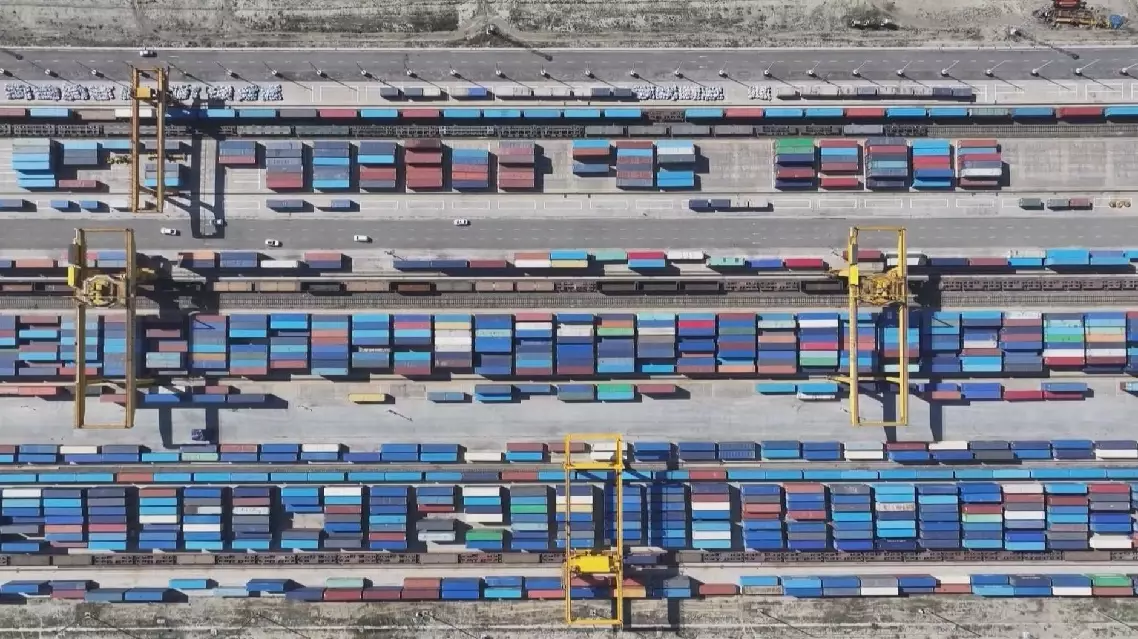
Xinjiang's Horgos Port handles over 42 mln tonnes cargo in Jan-Nov period
Chinese Foreign Minister Wang Yi said on Thursday that the issue of navigation through the Strait of Hormuz is a spillover effect of the current conflicts, noting the Strait of Hormuz remains unstable if the war doesn't end.
Wang, also a member of the Political Bureau of the Communist Party of China Central Committee, made the remarks in a phone conversation with Saudi Arabian Foreign Minister Faisal bin Farhan Al Saud.
The Saudi Arabian foreign minister briefed Wang on the latest developments of the Middle East situation, saying the war in Iran has caused severe impacts on countries in the region and the world at large.
Saudi Arabia attaches importance to China's important role in international affairs, and values high-level strategic cooperation with China, he said, adding that the kingdom is ready to further enhance consultation and coordination with China on platforms including the United Nations, to jointly push for the de-escalation of the situation and an end to the conflict.
Wang noted that the prolonged war in Iran, which has lasted for over a month, has caused enormous casualties and losses, and undermined the security and stability of Saudi Arabia and other Gulf countries, over which China expressed concerns.
Wang said China and Pakistan recently jointly issued a five-point initiative for restoring peace and stability in the Gulf and Middle East region, which includes safeguarding the sovereignty and security of the Gulf states, stopping attacks on civilians and non-military targets, and ensuring the security of shipping lanes.
Wang said the top priority is to focus on cessation of hostilities. Actions by the UN Security Council should avoid escalating confrontations and should not legitimize unauthorized military operations; otherwise, it will lead to endless trouble, with small and medium-sized countries being the first to bear the brunt, he added.
Wang noted that China appreciates Saudi Arabia's commitment to promoting peace and ceasefire, and stands ready to work with Saudi Arabia to make efforts for the early restoration of regional peace.
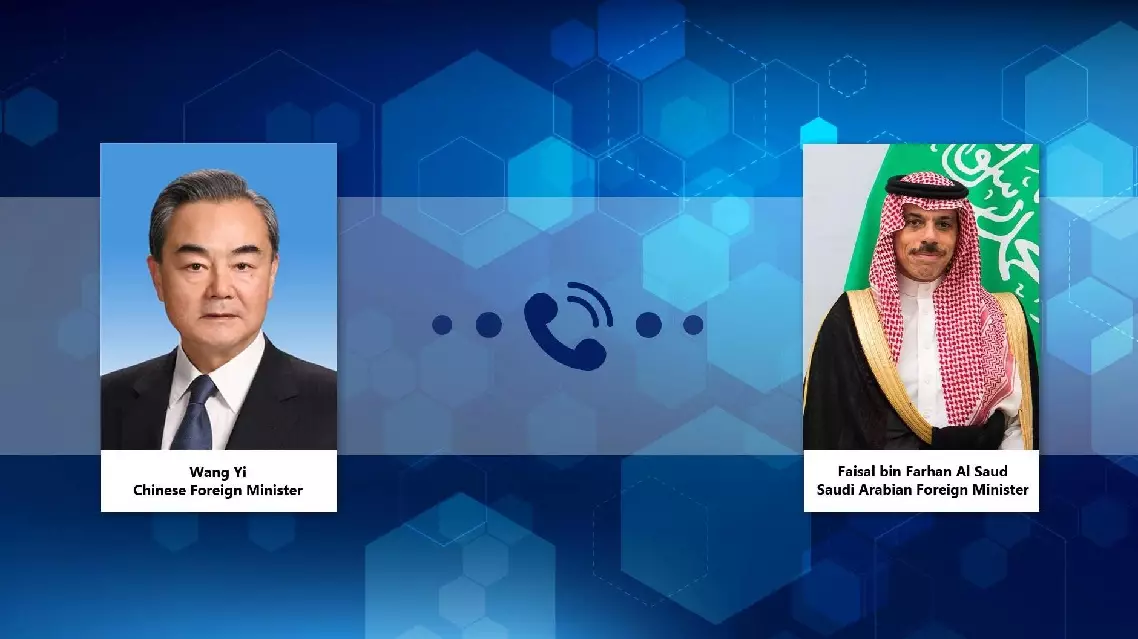
Chinese FM says Strait of Hormuz remains unstable if war doesn't end