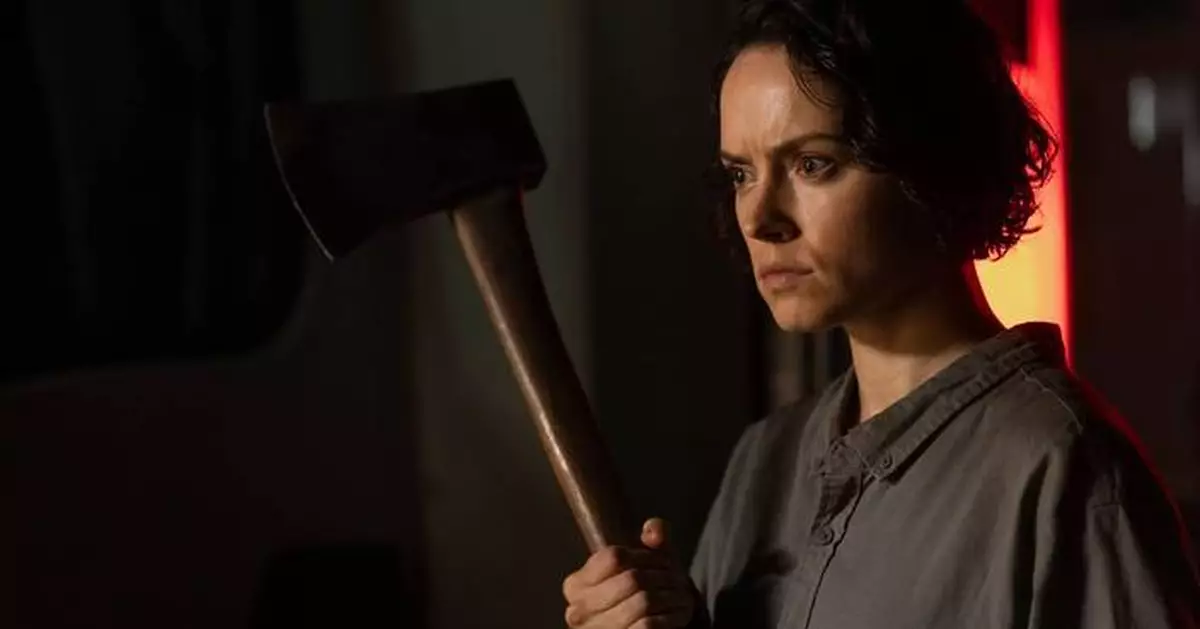
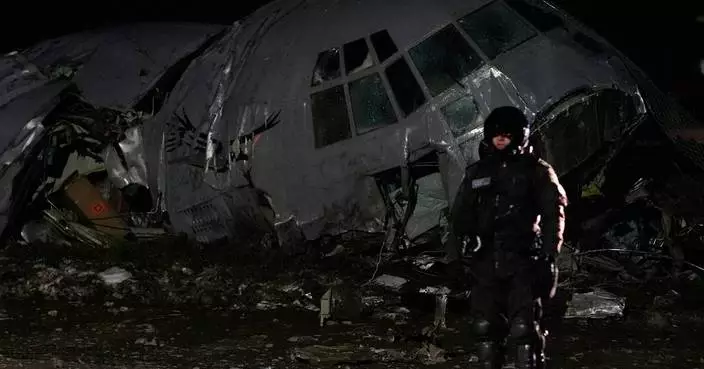
Movies that begin with a wedding often don’t bode well for the couple. Starting with the so-called happy ending can only really guarantee a reversal of fortune. In the case of “We Bury the Dead,” in theaters Friday, something cosmically catastrophic is coming: the accidental detonation of an experimental weapon that instantly wipes out some 500,000 people in Tasmania, including Ava’s (Daisy Ridley) husband Mitch (Matt Whelan). Perhaps they should have toasted to something other than Kid Cudi’s “Pursuit of Happiness (Nightmare).”
Grief manifests for everyone in its own way and the only thing Ava can think to do is board a plane and search for Mitch. It’s almost certain he’s dead. In fact, the resort where he was staying on a work trip is south of an area that is still burning — the humanitarian cleanup mission she joins isn’t allowed to go there. There’s a little extra complication too: Some of the dead have been “coming back.” The helpers are told not to worry, but also not to engage. Simply light a flare and someone in the military will be there quickly to kill them. Again.
If the promise of zombies might send some hightailing back across the ocean, Ava is only emboldened by hope. What if Mitch is one of the reanimated? What could it mean? Why do some come back and not others? What if he can be saved? If it seems like a somewhat delusional dream, especially once she starts getting glimpses of some of the zombie specimens with their bloodcurdling teeth grinding and generally unpleasant demeanor, just wait: There’s at least one person she’ll meet who has an even crazier plan.
Ava works dutifully for a bit, removing bodies from wherever they’ve fallen. It’s disgusting, thankless work full of smells, bodily fluids and the occasional jump scare. Her partner, Clay (Brenton Thwaites), seems mostly unbothered by it all. With his long hair and '70s dropout mustache, he’s a product of a different era despite his young age, more interested in the leftover cocaine and aspirational cars and motorcycles they encounter along the way than any bigger purpose. Eventually, Ava decides to just ask him to help her, and off they go into the forbidden zone.
The film was written and directed by Zak Hilditch, an Australian filmmaker perhaps best known for “These Final Hours,” also an apocalyptic thriller with extinction and procreation on its mind.
“We Bury the Dead” is ultimately a movie about grief that seems to be unsure of how much it wants to go full zombie. We feel for Ava on her hopeless quest, although it’s a bit of a meditative slow burn as the story reveals little morsels about how her marriage had already curdled. Perhaps some real-time reflection might have been helpful for those watching her on this quest, but the screenplay relegates her story to flashbacks. Present-day Ava has to keep it all in the eyes.
Zombies have long served as cinematic metaphors, and this film at least gestures toward something novel. But it also doesn't totally commit to its own idea that some of the zombies might have souls worth saving and instead delves into more familiar tropes. Also, despite the consistent teeth grinding, it remains a bit unclear what happens if and when one gets bit/scratched/whatever by the undead.
Nonetheless, the very threat of zombies keeps things kind of interesting, perhaps because of all that's come before, but this film seems to be suffering the same plight as its protagonist. Both are searching for closure, a bigger point, something that might give the whole thing meaning. What they both arrive at is the kind of wild, bizarre ending that turns what once seemed like a decent original standalone into something much more terrifying: A setup.
“We Bury the Dead,” a Vertical release in theaters Friday, is rated R by the Motion Picture Association for “strong violent content, brief drug use, language, gore.” Running time: 95 minutes. Two and a half stars out of four.
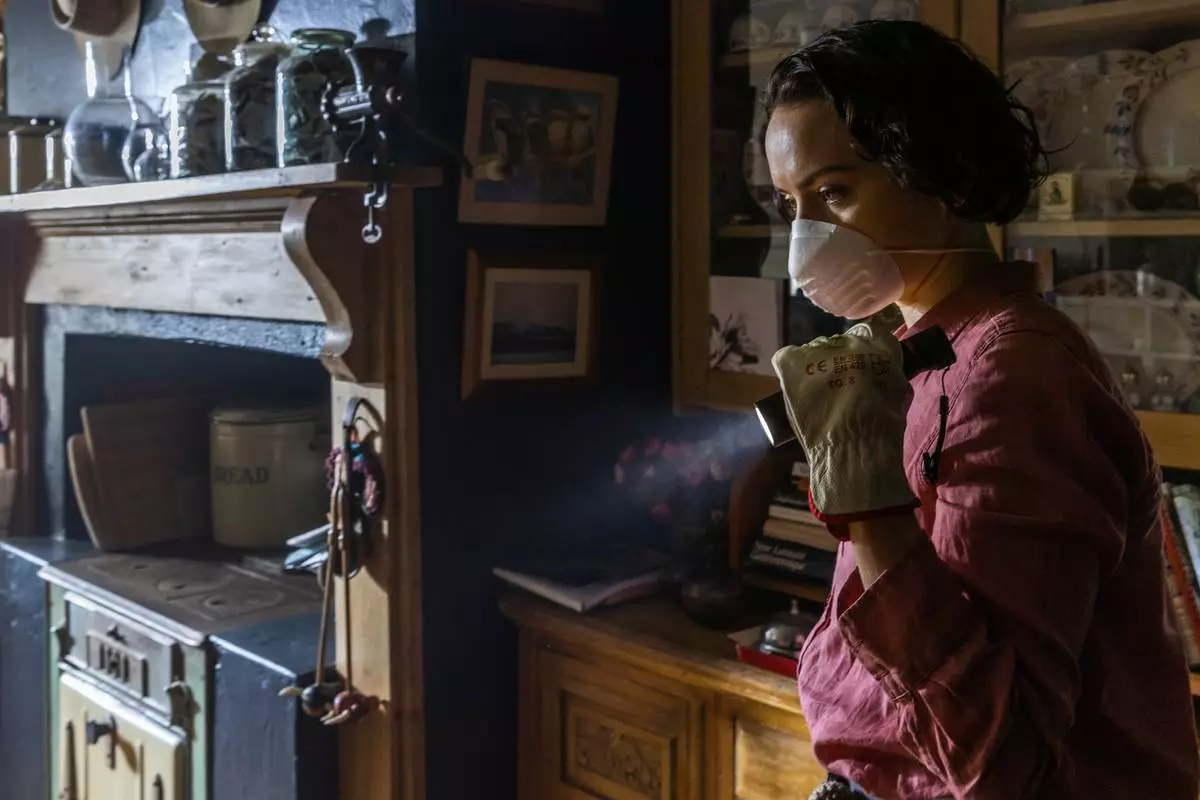
This image released by Vertical shows Daisy Ridley in a scene from "We Bury the Dead." (Vertical via AP)
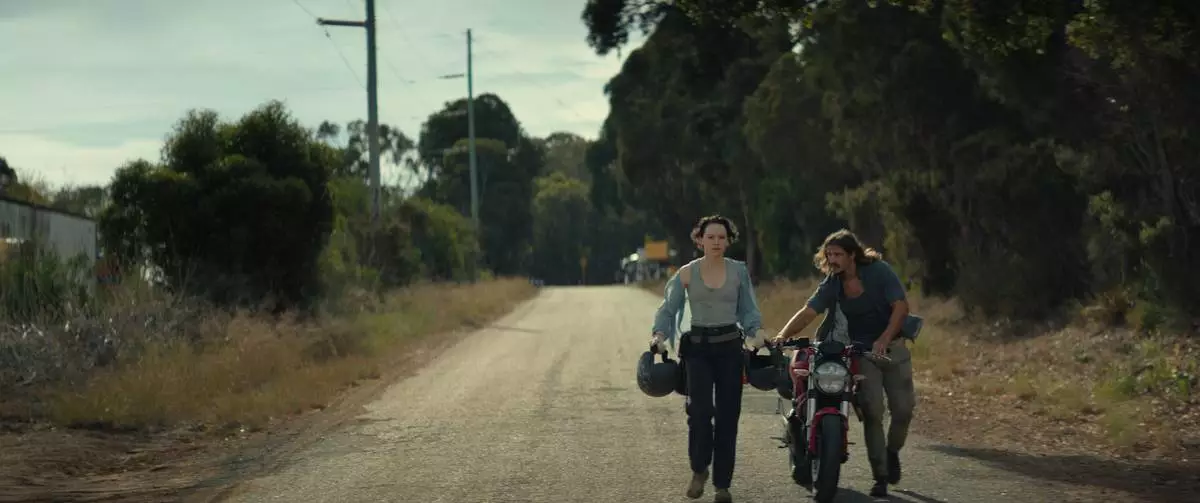
This image released by Vertical shows Daisy Ridley, left, and Brenton Thwaites in a scene from "We Bury the Dead." (Vertical via AP)
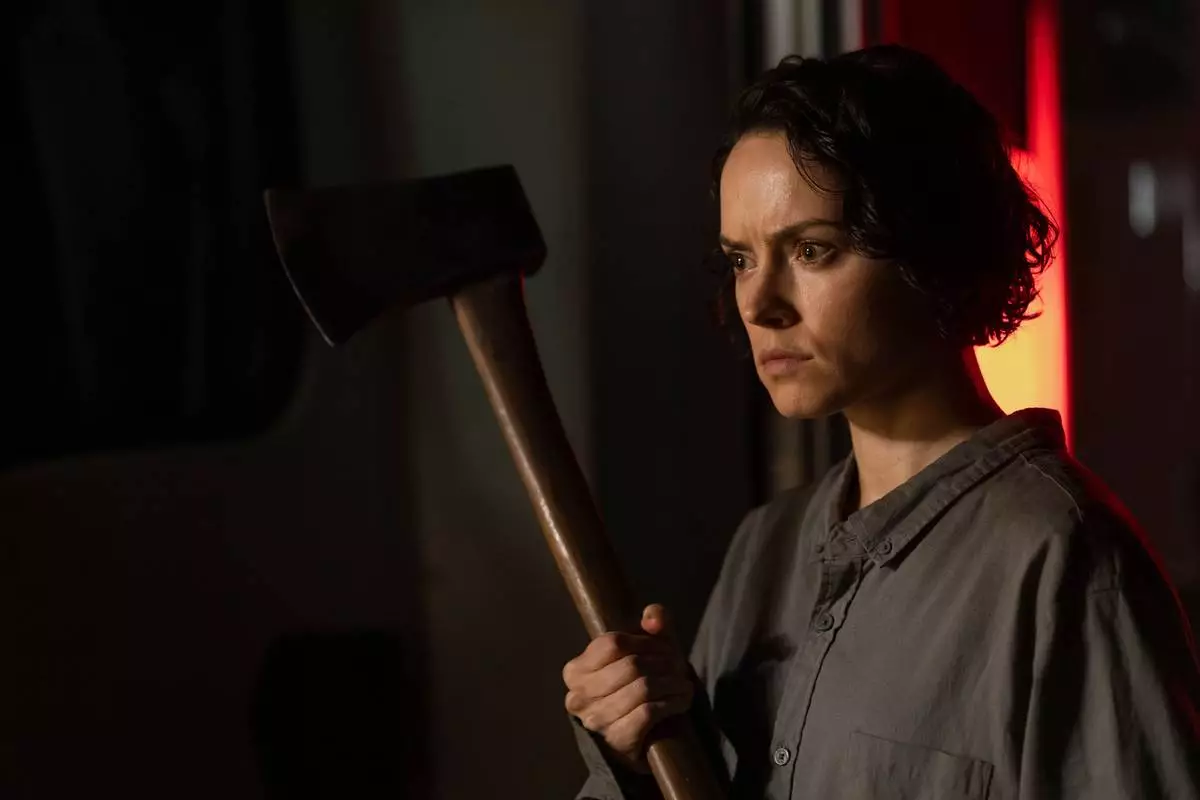
This image released by Vertical shows Daisy Ridley in a scene from "We Bury the Dead." (Vertical via AP)
BUENOS AIRES (AP) — Argentine President Javier Milei scored a crucial victory in congress Friday with the approval of a sweeping labor reform aimed at radically altering labor relations in the South American country.
With 42 votes in favor, 28 against and two abstentions, the Senate passed the government-backed initiative into law. The reform seeks to modernize labor relations, lower labor costs and limit the historical power of unions.
“Historic! We have a labor modernization," Milei said after the overhaul was approved.
Shortly before the debate began in Argentina's upper house, clashes broke out between police and protesters participating in a demonstration organized by unions, opposition political groups and left-wing social organizations outside the Parliament building to oppose the reform. At least three people were arrested.
The bill, which grants employers greater flexibility in matters of hiring, firing, severance and collective bargaining, has drawn fierce opposition from critics who argue it would roll back measures that protect workers from abuse and Argentina's notoriously frequent economic shocks.
“It makes me incredibly angry. Passing a law is one thing, but implementing it is another,” said Ariel Somer, a 48-year-old railway worker protesting near Congress. “In Argentina, progress only happens when workers organize. We will find ways to resist.”
Supported by allies of the ruling La Libertad Avanza party, the initiative’s approval provides Milei with a major legislative victory. He can now showcase profound economic reforms during his Sunday address at the opening of the ordinary sessions of Congress.
The legislation won initial support from the Senate last week, but had to go back for a final vote before becoming law. The government was forced to amend a clause that halves salaries for workers on leave because of injury or illness unrelated to work, after an outcry from opposition lawmakers.
The Senate on Friday could have either accepted the amendment — marking the final passage of the law — or insisted on the original text to reinstate the article. The former outcome is widely anticipated.
The legislative process has been fraught with tension between the governing party and the opposition. The friction boiled over last week during the bill's debate in the lower house of Congress, as the General Confederation of Labor — Argentina’s largest trade union group — launched a 24-hour nationwide strike, while demonstrators from various leftist groups clashed with police outside Congress.
Milei considers the changes to Argentina’s half-century-old labor code crucial to his efforts to lure foreign investment, increase productivity and boost job creation in a country where about two in five workers are employed off the books.
Unions argue that the law will weaken the workers’ protections that have defined Argentina since the rise of Peronism, the country’s dominant populist political movement, in the 1940s.
Roughly 40% of Argentina’s 13 million registered workers belong to labor unions, according to union estimates, and many are closely allied with Peronism.
Follow AP’s coverage of Latin America and the Caribbean at https://apnews.com/hub/latin-america

Cristian Valderrama kisses his husband Lucas Garcia during a protest outside Congress against a labor reform bill proposed by President Javier Milei's government in Buenos Aires, Argentina, Friday, Feb. 27, 2026. (AP Photo/Rodrigo Abd)
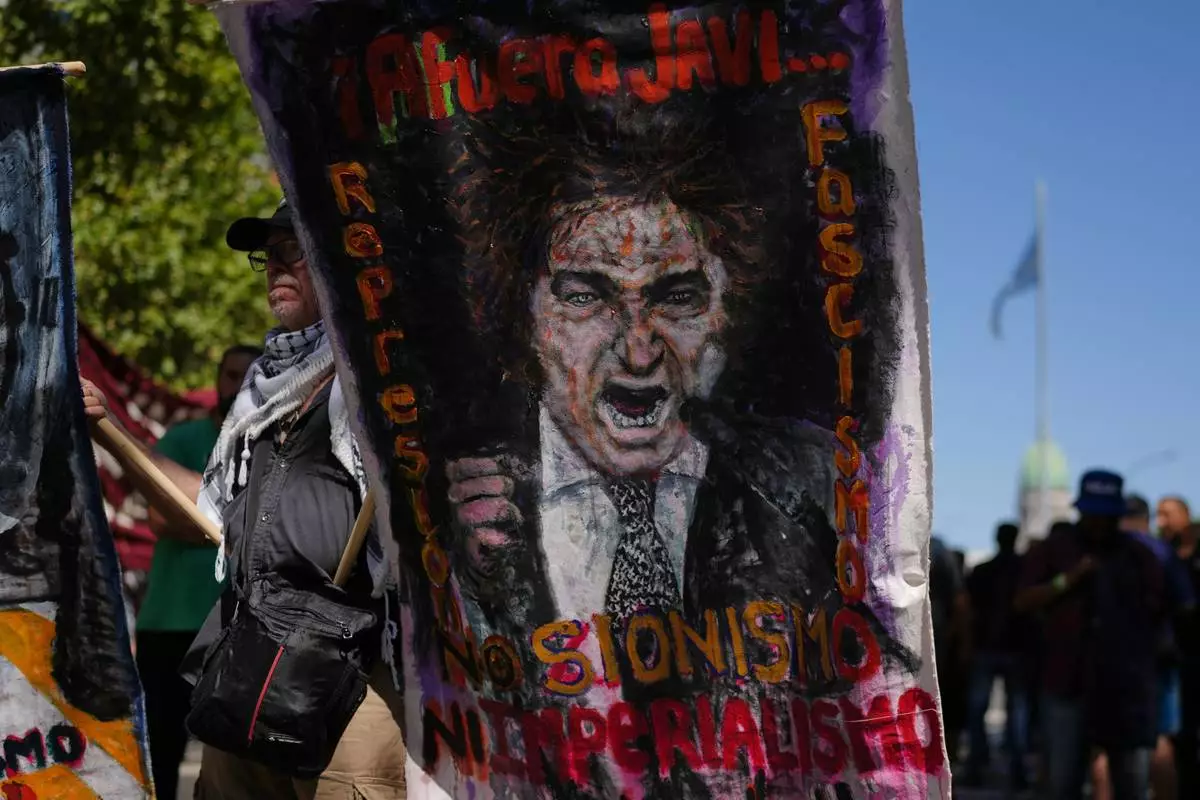
A protester holds a banner depicting Argentine President Javier Milei during a protest against a labor reform bill proposed by Milei's government in Buenos Aires, Argentina, Friday, Feb. 27, 2026. (AP Photo/Natacha Pisarenko)
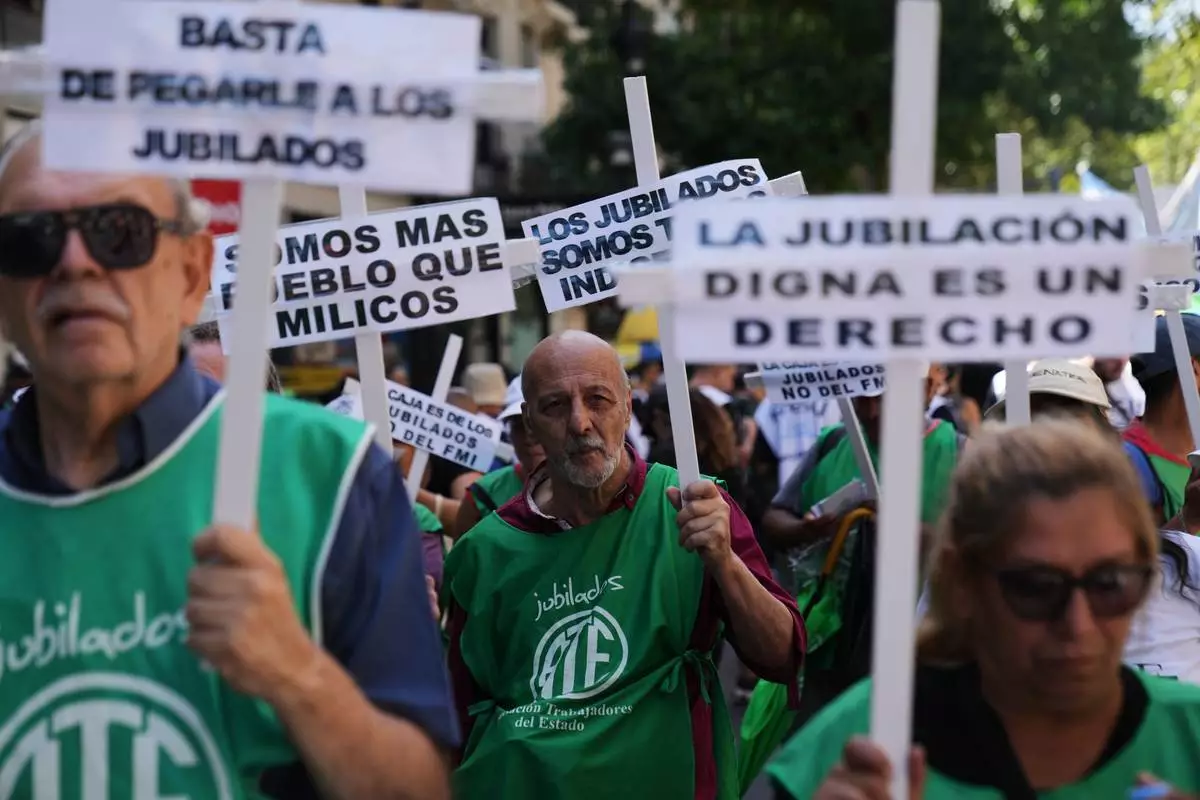
Demonstrators rally outside Congress with signs in defense of retired people during a protest against a labor reform bill proposed by President Javier Milei's government in Buenos Aires, Argentina, Friday, Feb. 27, 2026. (AP Photo/Rodrigo Abd)
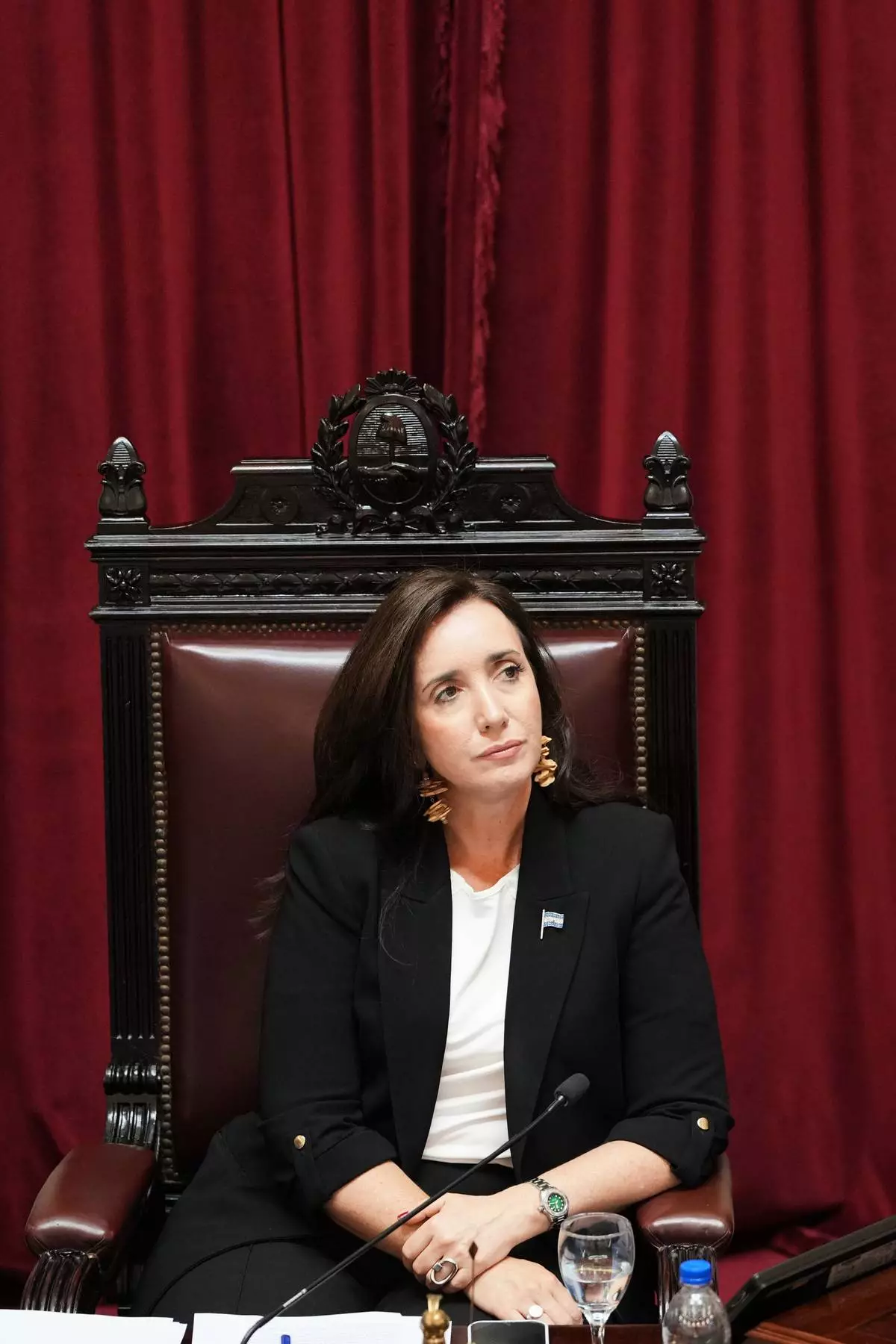
Argentine Vice President and Senate President Victoria Villarruel presides over debate on a bill that would lower the age of criminal responsibility from 16 to 14, before discussing a labor reform bill proposed by President Javier Milei's government, at Congress in Buenos Aires, Argentina, Friday, Feb. 27, 2026. (AP Photo/Natacha Pisarenko)

Demonstrators rally outside Congress as they protest against a labor reform bill proposed by President Javier Milei's government in Buenos Aires, Argentina, Friday, Feb. 27, 2026. (AP Photo/Rodrigo Abd)
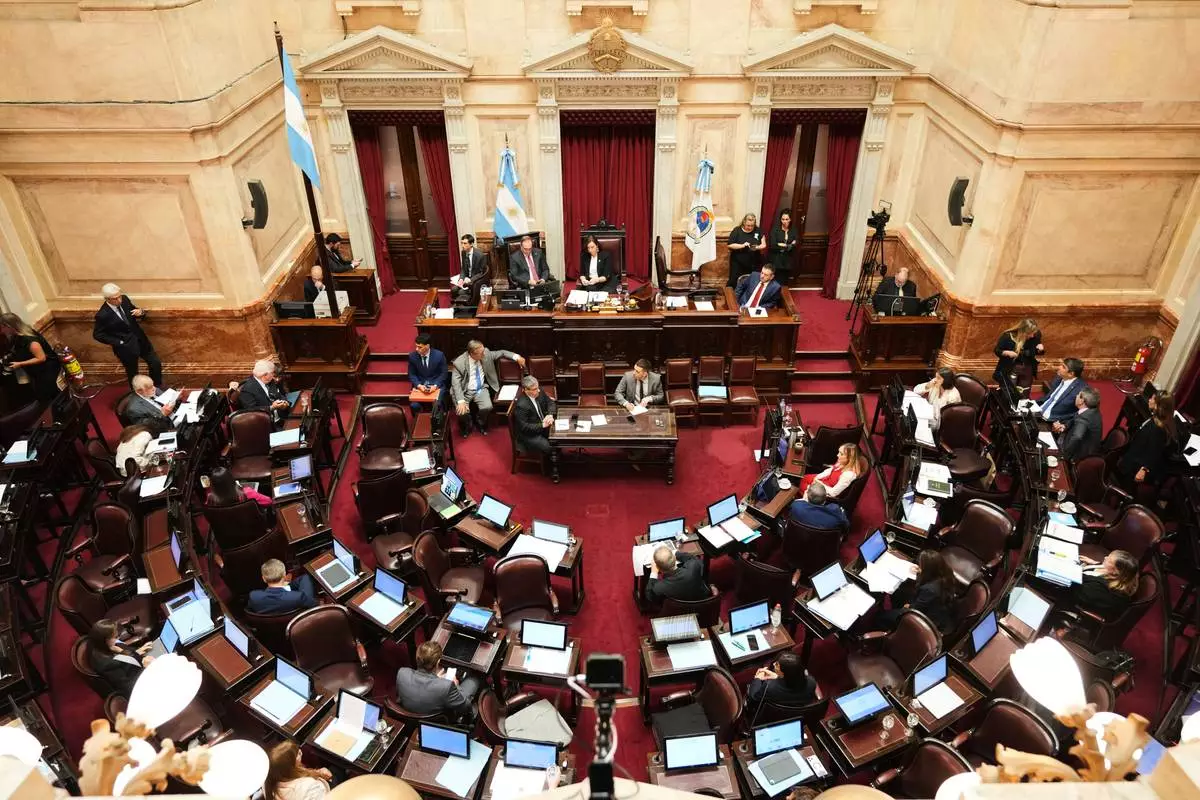
Senators debate a bill that would lower the age of criminal responsibility from 16 to 14, before discussing a labor reform bill proposed by President Javier Milei's government, at Congress in Buenos Aires, Argentina, Friday, Feb. 27, 2026. (AP Photo/Natacha Pisarenko)

Protesters rally during a march by trade unions and opposition groups against a labor reform bill proposed by President Javier Milei's government in Buenos Aires, Argentina, Thursday, Feb. 19, 2026. (AP Photo/Rodrigo Abd)