China will apply provisional import tariff rates lower than the most-favored-nation (MFN) rates on 935 items from January 1, 2026, the Customs Tariff Commission of the State Council announced on Monday.
The move aims to enhance synergy between domestic and international markets, and to leverage the resources of both in an improved manner while expanding the supply of high-quality goods, according to a commission circular.
China will, for example, reduce tariffs on certain key components and advanced materials to support high-level technological self-reliance, on certain resources to facilitate green development, and on some medical products, including artificial blood vessels, to improve people's well-being.
For example, the import tariff on computerized numerical control (CNC) hydraulic cushions will be reduced to 6 percent in 2026, which is 6 percentage points lower than the corresponding MFN rate.
"A CNC hydraulic cushion is a key component of a high-performance stamping press. It provides high-precision, programmable blank holder force to ensure the performance and quality of complex sheet metal parts. Implementing a provisional import tariff rate of 6 percent will help enhance China's technological and equipment capabilities, promoting quality upgrades across the related upstream and downstream industries," said Li Yanxia, chief engineer of the China Machinery Industry Federation.
To advance green development, tariffs will also be lowered on resource-based products such as recycled black powder for lithium-ion batteries and unroasted pyrite.
The country will also optimize tariff headings and national subheading notes next year. To support technological advancement and the development of sectors such as the circular economy, China will add national subheadings for products including intelligent bionic robots and bio-aviation kerosene.
"This move directly targets new energy and new materials, reflecting the nation's emphasis on and support for green, low-carbon development and high-quality growth. In particular, the establishment of a separate tariff line for bio-aviation kerosene demonstrates the country's support for the industry as an emerging field and sector," said Zhao Jungui, vice chairman of the China Petroleum and Chemical Industry Federation (CPCIF).
To improve healthcare accessibility, China will reduce import duties on medical products including artificial blood vessels and diagnostic kits for certain infectious diseases. Artificial blood vessels will have a provisional tariff of 2 percent, while some diagnostic kits will enjoy zero tariffs.
"Significant tariff reductions have been effectively implemented on medical devices, equipment, and related specialized products that are urgently needed for public health. This policy enables people to access critical medical equipment at lower costs, serving as an important measure to improve public welfare," said Gao Yuning, deputy dean of the School of Public Policy and Management under Tsinghua University.
To deepen economic and trade cooperation and promote regional integration, the country will continue applying agreed tariff rates to certain imported goods originating from its 34 trading partners in 2026, in accordance with 24 free trade agreements and preferential trade arrangements signed with the above-mentioned trading partners.
Next year, China will also maintain zero-tariff treatment on 100 percent of tariff lines to the 43 least developed countries having established diplomatic relations with China.
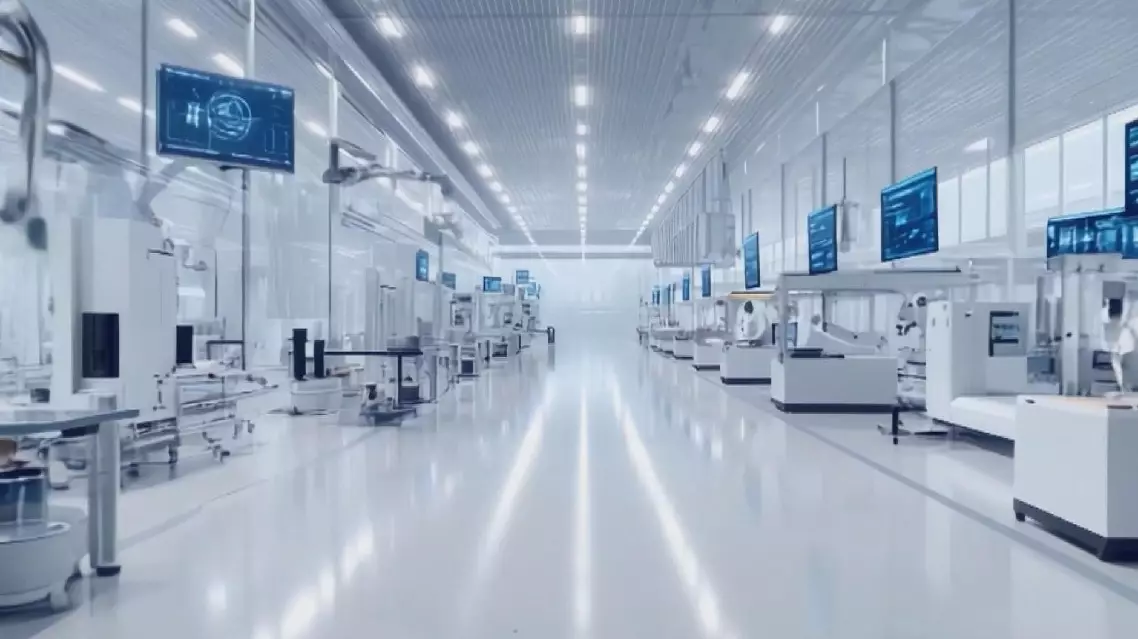
China to apply lower tariff rates to certain imports in 2026
China to apply lower tariff rates to certain imports in 2026