The draft outline of China's 15th Five-Year Plan (2026–2030) sets out a series of measures in education, healthcare and social security to ensure more equitable access to basic public services by 2035, an official with the National Development and Reform Commission (NDRC) said on Saturday.
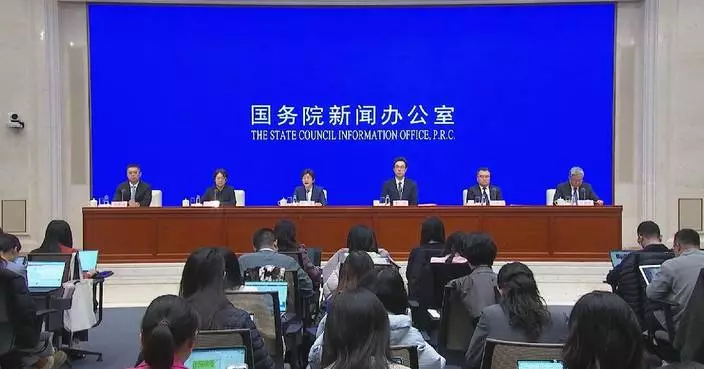
Liu Dechun, director of the NDRC's Department of Social Development, made the remarks at a press briefing in Beijing, where officials explained the draft outline of the 15th Five-Year Plan, which is currently under review by lawmakers at the ongoing "two sessions."
In education, China will accelerate the establishment of a mechanism to allocate educational resources that adapts to population changes, aiming to increase the average years of schooling for the working-age population from the current 11.3 years to 11.7 years, Liu said, elaborating on measures to improve access to public services.
In this regard, China will focus on improving the quality of basic education and explore the possibility of extending the years of compulsory education, he said.
Liu said China will build or renovate 1,000 high-quality general high schools and support the establishment of 500 high-level industry-education integration training bases over the five-year period.
He added that China will expand the development of world-class universities and disciplines, support new research-oriented universities, promote high-standard cooperative education programs with other countries, and steadily increase enrollment in high-quality undergraduate programs.
In terms of healthcare, China will continue to strengthen public health capacity and refine the functions and layout of medical institutions, while striving to increase the average life expectancy to 80 years, which is roughly at the level of high-income countries, said Liu.
"We will focus on efforts in three key areas. The first is to strengthen the foundations of the healthcare system by establishing 1,000 closely integrated county-level medical consortia to meet people's demand for medical services close to home. The second is to expand and improve rehabilitation and nursing services. We will support a number of urban Level II hospitals in developing specialized rehabilitation and nursing services tailored to local conditions, while comprehensively strengthening the development of a multi-level and diversified system for rehabilitation, nursing and palliative care. The third is to promote a more balanced distribution of high-quality medical resources. We will improve the quality and efficiency of 125 national regional medical centers and support the development and clinical service capabilities of high-level provincial hospitals, with the goal of ensuring that patients can receive treatment for serious illnesses within their provinces," Liu said.
In terms of social security, China will expand coverage of unemployment and work-related injury insurance, establish and improve the occupational injury protection system, and increase participation among flexible workers, migrant workers and those in new forms of employment, he said.
Liu said China will improve the mechanism for determining and adjusting basic pension insurance benefits, gradually raise the basic pension for urban and rural residents, and appropriately increase government subsidies for urban and rural medical insurance.
Over the next five years, China will further promote people-centered new urbanization, improve the public resource allocation mechanism to better match the permanent population, ensure that basic public services in cities effectively cover permanent residents, narrow the gap in basic public services between urban and rural areas, and significantly improve the equalization of basic public services, Liu said.
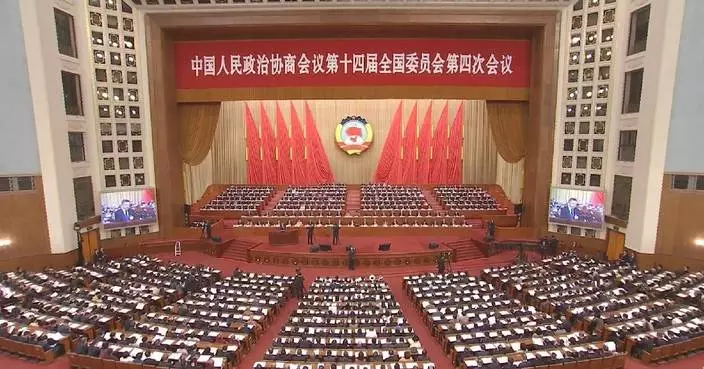
The briefing was held on the sidelines of the ongoing "two sessions," the annual meetings of China's top legislature, the National People's Congress (NPC), and its top political advisory body, the Chinese People's Political Consultative Conference (CPPCC) National Committee. Both bodies serve five-year terms and hold a plenary session each year, generally in March.
The fourth session of the 14th NPC and the fourth session of the 14th CPPCC National Committee opened in Beijing on Thursday and Wednesday, respectively.
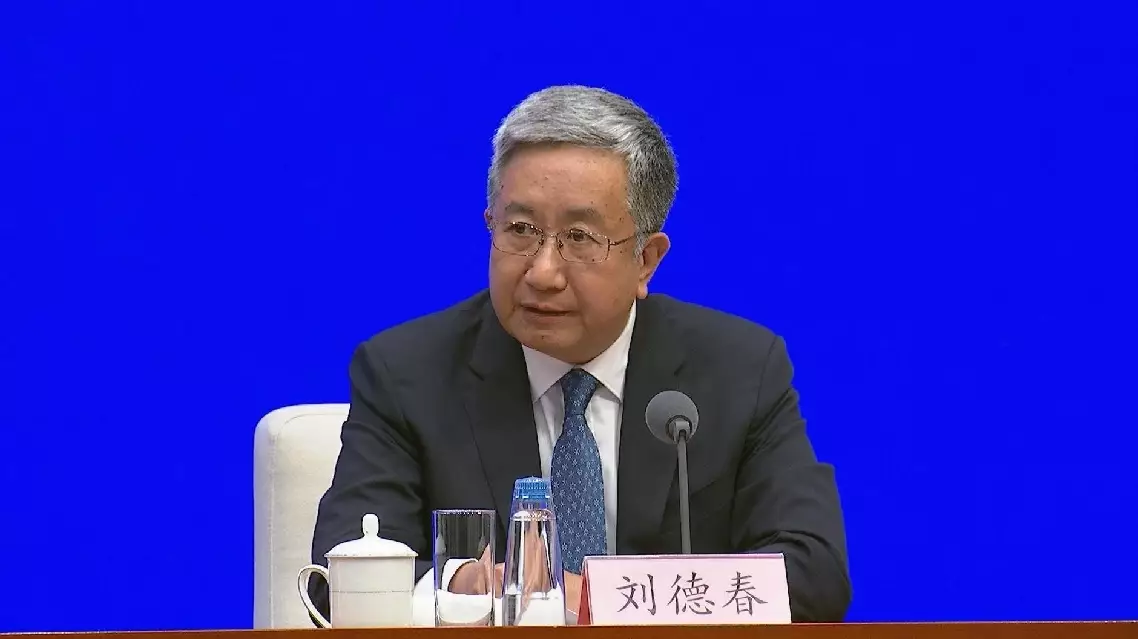
China outlines measures to improve equitable access to public services in 15th Five-Year Plan: official