Russia’s nuclear-capable Oreshnik missile system has entered active service, Russia’s Ministry of Defense said Tuesday, as negotiators continue to search for a breakthrough in peace talks to end Moscow’s war in Ukraine.
Troops held a brief ceremony to mark the occasion in neighboring Belarus where the missiles have been deployed, the ministry said. It did not say how many missiles had been deployed or give any other details.
Click to Gallery
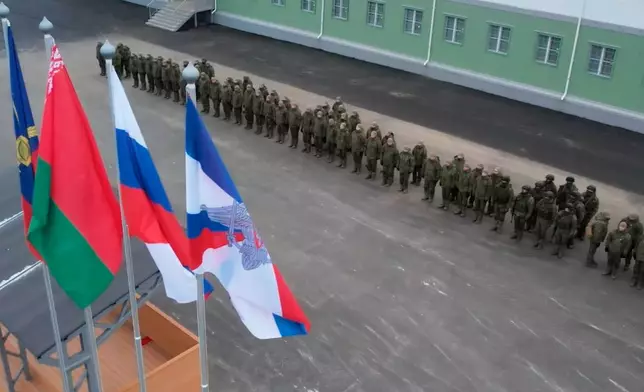
In this image made from video provided by Russian Defense Ministry Press Service on Monday, Dec. 29, 2025, Russian troops line up at a base in Belarus where the Oreshnik missile system was deployed in Belarus. (Russian Defense Ministry Press Service via AP)
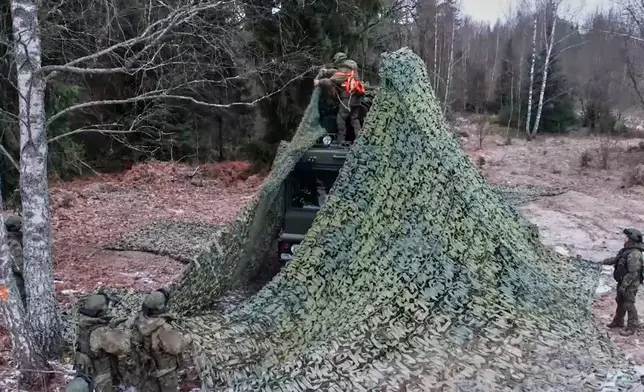
In this image made from video provided by Russian Defense Ministry Press Service on Monday, Dec. 29, 2025, Russian solders camouflage one of the trucks of the Russia's Oreshnik missile system with a net during training in an undisclosed location in Belarus. (Russian Defense Ministry Press Service via AP)
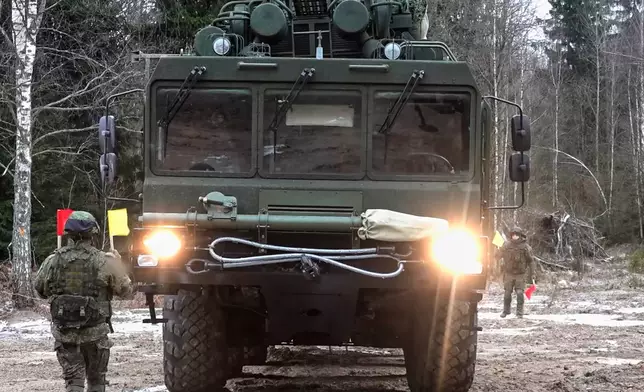
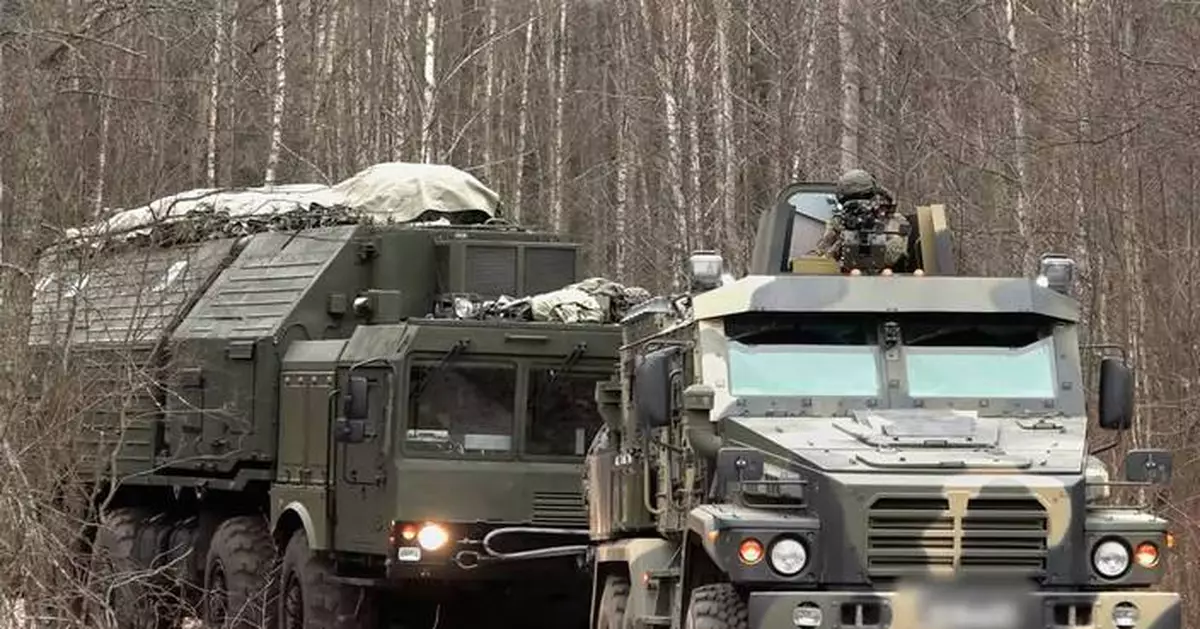
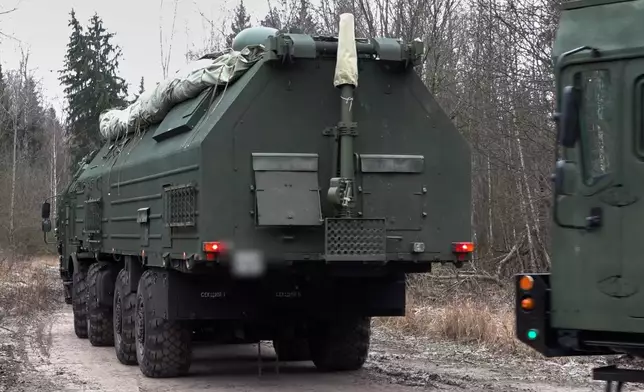
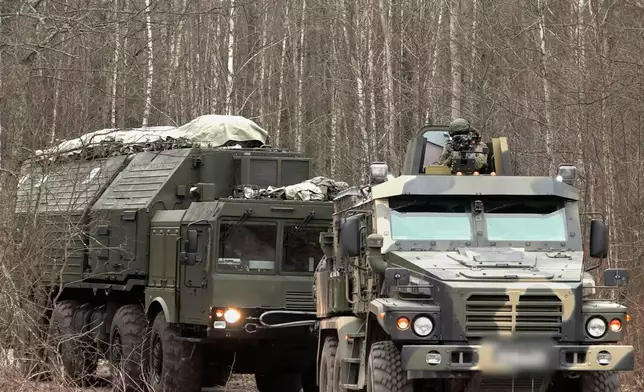
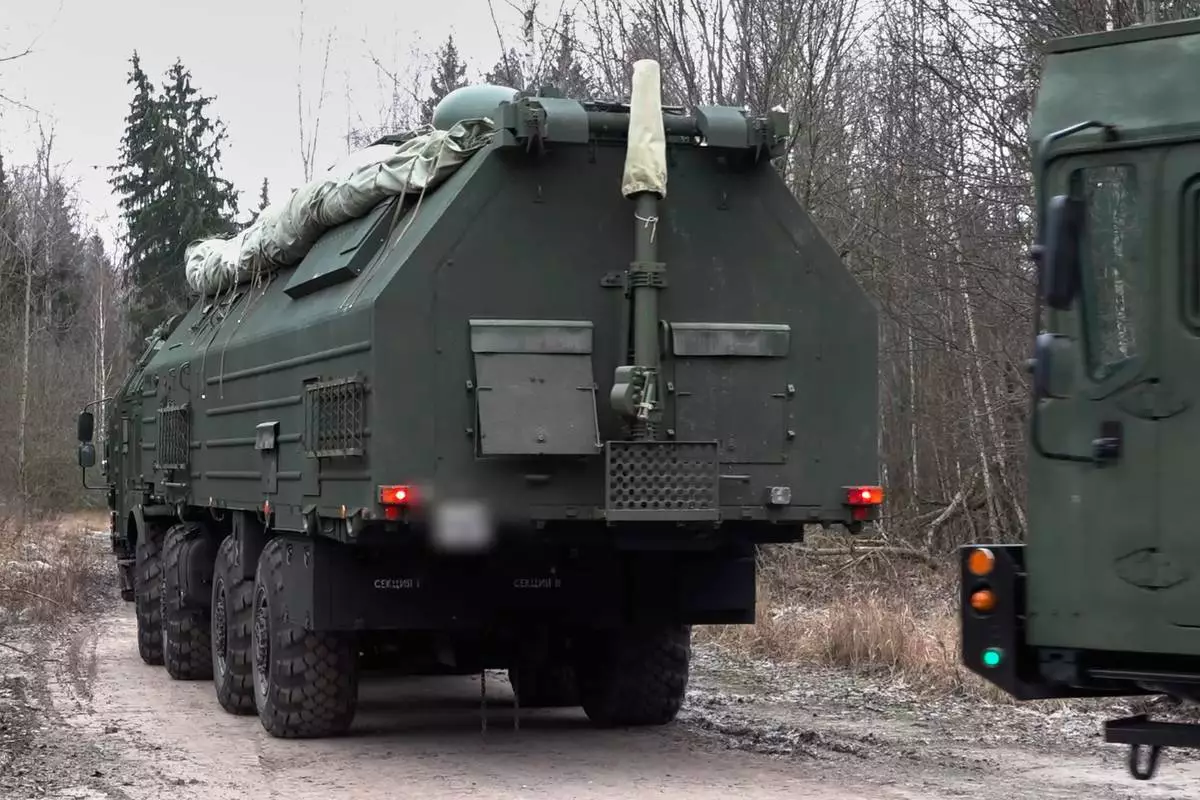
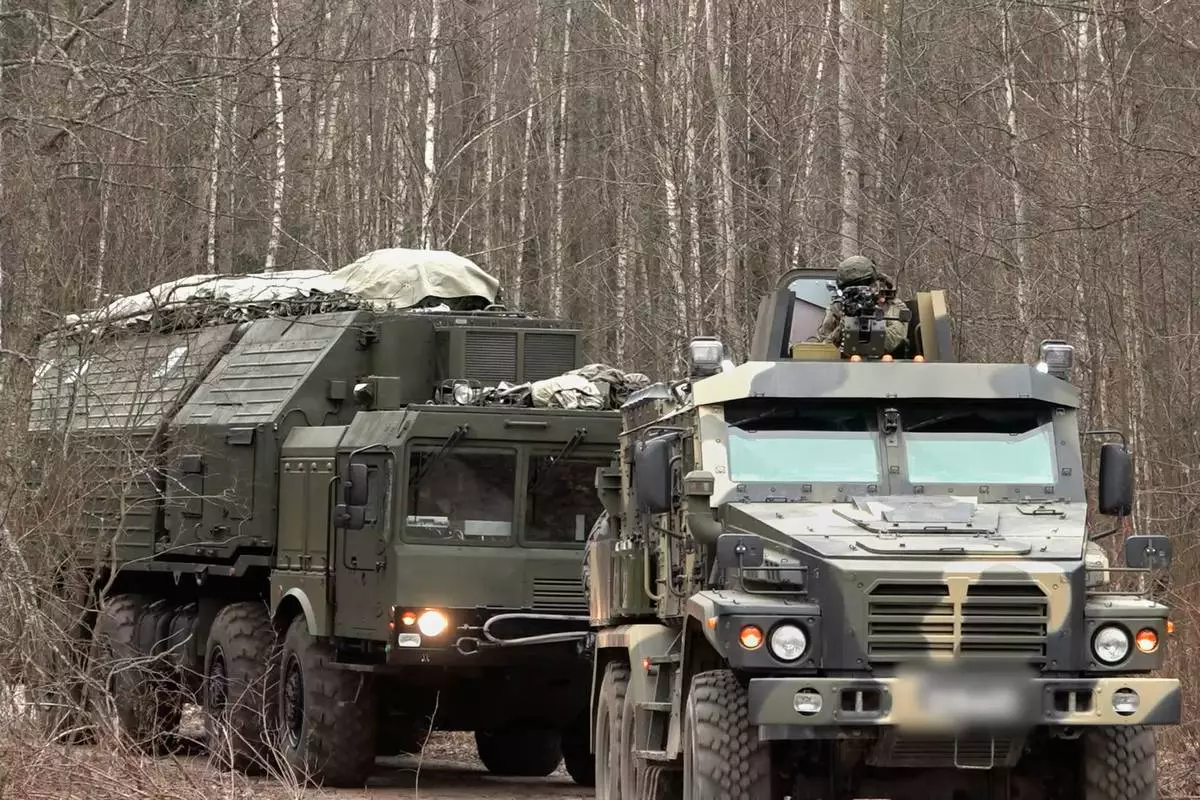
In this image made from video provided by Russian Defense Ministry Press Service on Monday, Dec. 29, 2025, A Russia's Oreshnik missile system is seen during a training in an undisclosed location in Belarus. (Russian Defense Ministry Press Service via AP)
Russian President Vladimir Putin said earlier in December that the Oreshnik would enter combat duty this month. He made the statement at a meeting with top Russian military officers, where he warned that Moscow will seek to extend its gains in Ukraine if Kyiv and its Western allies reject the Kremlin’s demands in peace talks.
The announcement comes at a critical time for Russia-Ukraine peace talks. U.S. President Donald Trump hosted Zelenskyy at his Florida resort Sunday and insisted that Kyiv and Moscow were “closer than ever before” to a peace settlement.
However, negotiators are still searching for a breakthrough on key issues, including whose forces withdraw from where in Ukraine and the fate of Ukraine’s Russian-occupied Zaporizhzhia nuclear power plant, one of the 10 biggest in the world. Trump noted that the monthslong U.S.-led negotiations could still collapse.
Putin has sought to portray himself as negotiating from a position of strength as Ukrainian forces strain to keep back the bigger Russian army.
At a meeting with senior military officers Monday, Putin emphasized the need to create military buffer zones along the Russian border. He also claimed that Russian troops were advancing in the eastern Donetsk region of Ukraine and pressing their offensive in the southern Zaporizhzhia region.
Moscow first used the Oreshnik, which is Russian for “hazelnut tree,” against Ukraine in November 2024, when it fired the experimental weapon at a factory in Dnipro that built missiles when Ukraine was part of the Soviet Union.
Putin has praised the Oreshnik’s capabilities, saying that its multiple warheads, which plunge toward a target at speeds up to Mach 10, are immune to being intercepted.
He warned the West that Moscow could use it against Ukraine’s NATO allies who've allowed Kyiv to use their longer-range missiles to strike inside Russia.
Russia’s missile forces chief has also declared that the Oreshnik, which can carry conventional or nuclear warheads, has a range allowing it to reach all of Europe.
Intermediate-range missiles can fly between 500 to 5,500 kilometers (310 to 3,400 miles). Such weapons were banned under a Soviet-era treaty that Washington and Moscow abandoned in 2019.
Follow AP’s coverage of the war in Ukraine at https://apnews.com/hub/russia-ukraine
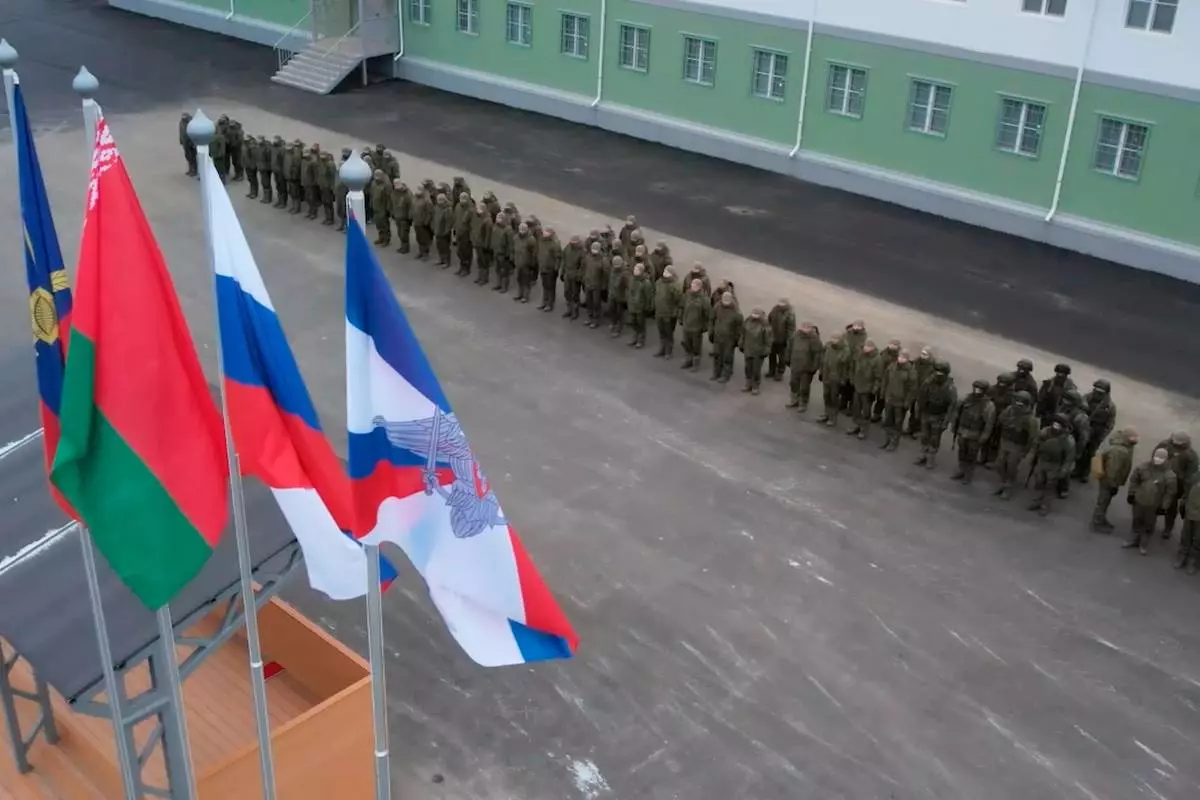
In this image made from video provided by Russian Defense Ministry Press Service on Monday, Dec. 29, 2025, Russian troops line up at a base in Belarus where the Oreshnik missile system was deployed in Belarus. (Russian Defense Ministry Press Service via AP)
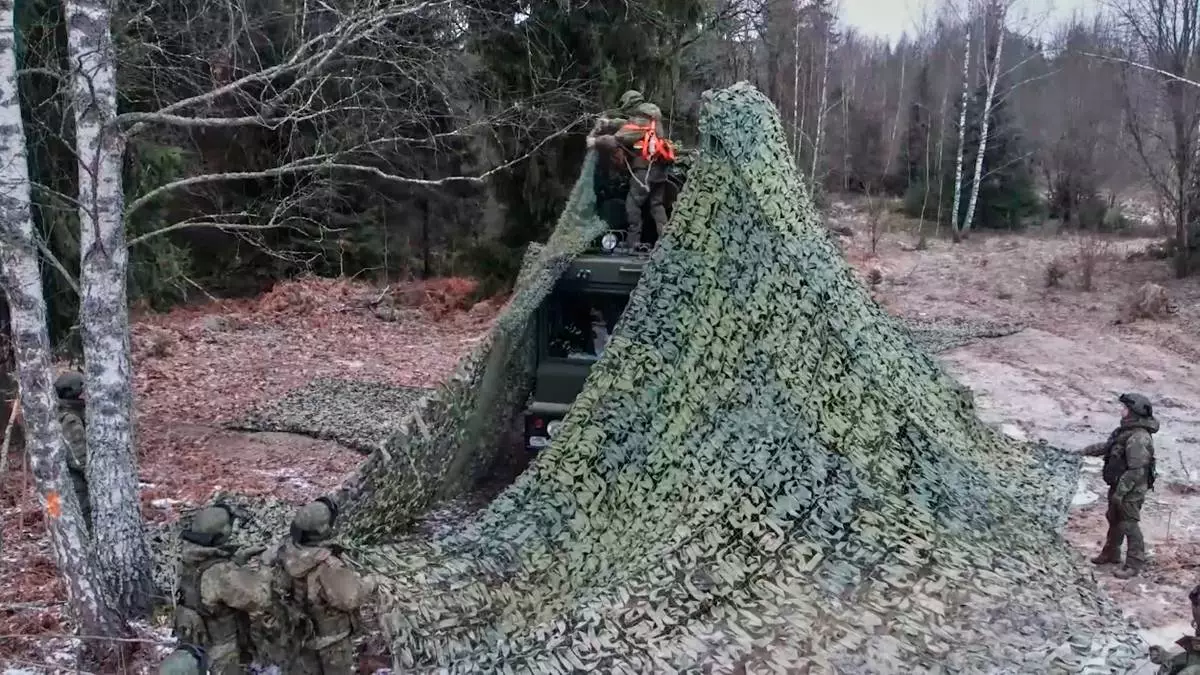
In this image made from video provided by Russian Defense Ministry Press Service on Monday, Dec. 29, 2025, Russian solders camouflage one of the trucks of the Russia's Oreshnik missile system with a net during training in an undisclosed location in Belarus. (Russian Defense Ministry Press Service via AP)
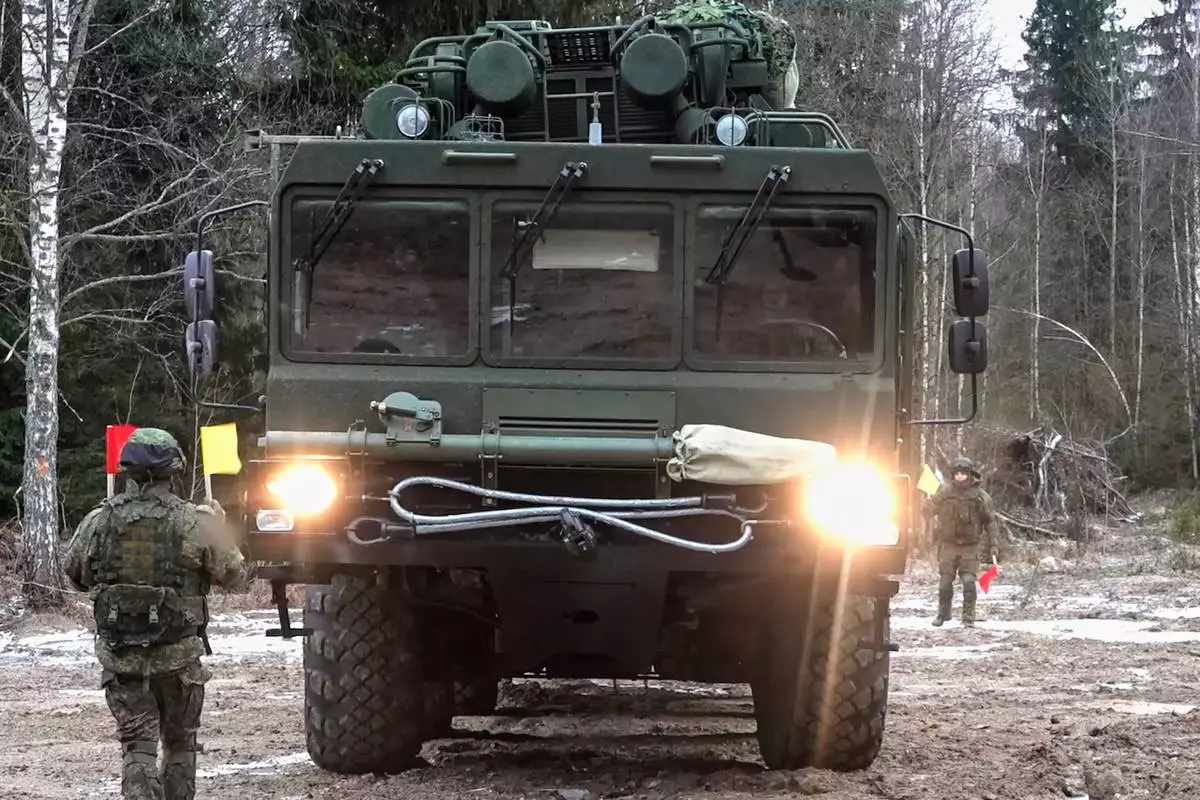
In this image made from video provided by Russian Defense Ministry Press Service on Monday, Dec. 29, 2025, A Russia's Oreshnik missile system is seen during a training in an undisclosed location in Belarus. (Russian Defense Ministry Press Service via AP)
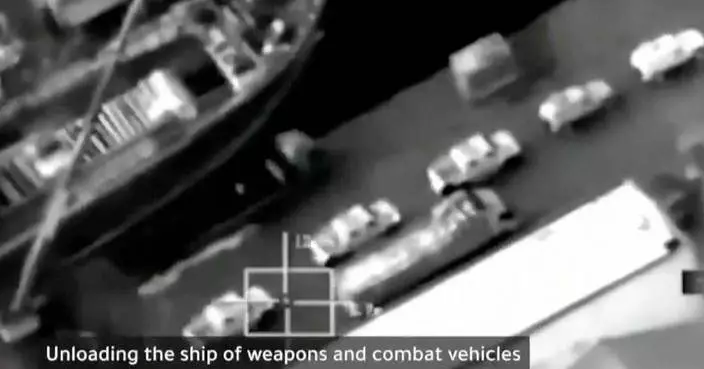
DOHA, Qatar (AP) — Saudi Arabia bombed Yemen’s port city of Mukalla on Tuesday, targeting a shipment of weapons from the United Arab Emirates for separatist forces — a significant move in a country located along a key international trade route that threatens to bring new risks to the Persian Gulf region.
The secessionist Southern Transitional Council, STC, a group backed by the United Arab Emirates, this month seized most of the the provinces of Hadramout and Mahra, including oil facilities.
Yemen has been mired for more than a decade in a civil war that involves a complex interplay of sectarian grievances and the involvement of regional powers.
The Iran-aligned Houthis control the most populous regions of the country, including the capital Sanaa. Meanwhile, a loose regional coalition of powers — including Saudi Arabia and the UAE — has backed the internationally recognized government in the south.
The war has created a humanitarian crisis and shattered the economy. Still, since 2022, violence had gradually declined as the sides reached something of a stalemate in the war.
The move by the UAE-backed separatists upends the political arrangement among the anti-Houthi partners.
The war in Yemen began in 2014, when the Houthis marched from their northern stronghold of Saada. They took the capital, Sanaa, and forced the internationally recognized government into exile. Saudi Arabia and the UAE entered the war the following year in an attempt to restore the government.
The new fighting pits the STC against the forces of the internationally recognized government and its allied tribes, even as they are both members of the camp fighting against the Houthi rebels in the country’s broader civil war.
The STC is the most powerful group in southern Yemen, with crucial financial and military support from the UAE. It was established in April 2017 as an umbrella organization for groups that seek to restore South Yemen as an independent state, as it was between 1967 and 1990.
The latest moves reinforced the STC positions across southern Yemen, which could give them leverage in any future talks to settle the Yemen conflict. The STC has long demanded that any settlement should give southern Yemen the right of self-determination.
The STC enjoys loyalty through much of southern Yemen. It is chaired by Aidarous al-Zubaidi, who is also vice president of the country’s Presidential Leadership Council, the ruling organ of the internationally recognized government.
The STC and other UAE-supported groups now control most of the southern half of Yemen, including crucial port cities and islands.
The other party in the latest fighting includes the Yemeni military, which reports to the internationally recognized government. They are allied with the Hadramout Tribal Alliance, a local tribal coalition supported by Saudi Arabia.
These forces are centered in Yemen’s largest province of Hadramout, which stretches from the Gulf of Aden in the south to the border with Saudi Arabia in the north. The oil-rich province is a major source of fuel for the southern areas of Yemen.
Earlier this month, STC forces marched to Hadramout and took control of the province’s major facilities, including PetroMasila, Yemen’s largest oil company, after brief clashes with government forces and their tribal allies.
This took place after the Saudi-backed Hadramout Tribal Alliance seized the PetroMasila oil facility in late November to pressure the government to agree to its demands for a bigger share of oil revenues and the improvement of services for Hadramout’s residents.
The STC apparently seized on this move as a pretext for wrestling control of Hadramout and its oil facilities for itself and expanding areas under its control in Yemen.
STC forces then marched to the province of Mahra on the borders with Oman and took control of a border crossing between the two countries. In Aden, the UAE-backed force also seized the presidential palace, which serves as the seat of the ruling Presidential Council.
Saudi troops also withdrew earlier this month from bases in Aden, a Yemeni government official said. The withdrawal was part of a Saudi “repositioning strategy,” said the official who spoke on condition of anonymity to discuss the matter.
On Friday, Saudi Arabia targeted the Hadramout region in airstrikes that analysts described as a warning for the separatists to halt their advance and leave the governorates of Hadramout and Mahra.
The escalation shattered the relative quiet in Yemen’s war, which has been stalemated in recent years after the Houthis reached a deal with Saudi Arabia that stopped their attacks on the kingdom in return for ceasing the Saudi-led strikes on their territories.
The escalation highlights strained ties between Riyadh and Abu Dhabi, which had been backing competing sides in Yemen’s decade long war against the Iranian-backed Houthi rebels amid a moment of unease across the wider Red Sea region. The two nations, while closely aligned on many issues in the wider Mideast, increasingly have competed with each other over economic issues and the region’s politics.
The United Arab Emirates said earlier this month that Yemen's governance and territorial integrity is “an issue that must be determined by the Yemeni parties themselves.”
FILE - The president of the Yemen's Southern Transitional Council Aidarous Al-Zubaidi sits for an interview, Friday, Sept. 22, 2023, in New York, while attending the United Nations General Assembly's annual high-level meeting of world leaders. (AP Photo/Ted Shaffrey, File)