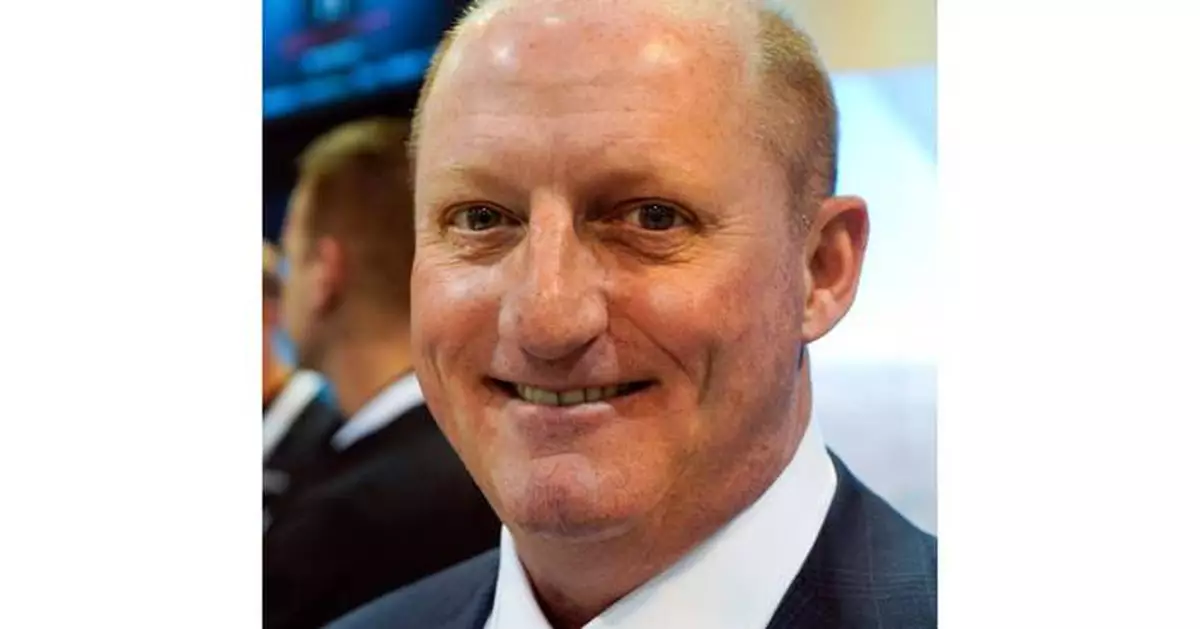
OMAHA, Neb. (AP) — Greg Abel faces the challenge of taking over Berkshire Hathaway from the legendary Warren Buffett later this week.
Many regard Buffett as the world's greatest investor after he grew Berkshire from a struggling New England textile mill that he starting buying up for $7.60 a share in 1962, to the massive conglomerate it is today with shares that go for more than $750,000 a pop. Buffett's personal fortune of Berkshire stock is worth roughly $150 billion even after giving more than $60 billion away over the past 20 years.
Berkshire for decades has routinely outpaced the S&P 500 as Buffett bought up insurance companies like Geico and National Indemnity, manufacturers like Iscar Metalworking, retail brands like Dairy Queen, major utilities and even one of the nation's biggest railroads, BNSF. Along the way, Buffett bought and sold hundreds of billions of dollars of stocks and profited handsomely from his famously long-term bets on companies like American Express, Coca-Cola and Apple.
Berkshire has struggled to keep that pace in recent years because it has grown so huge and also struggled to find new and significant acquisitions. Even this fall's $9.7 billion acquisition of OxyChem probably isn't big enough to make a difference in Berkshire's profits.
Investors will be watching closely to see what changes Abel might make in Berkshire's trajectory, but don't expect any seismic shifts.
Buffett isn't going anywhere and Abel has already been managing all of Berkshire's noninsurance businesses since 2018. Buffett will remain chairman and plans to continue coming into the office each day to help spot new investments and offer Abel any advice he asks for.
CFRA Research analyst Cathy Seifert said it is natural for Abel to make some changes in the way Berkshire is run. Taking a more traditional approach to leadership with nearly 400,000 employees spread across dozens of subsidiaries makes a lot of sense, she said.
But Berkshire operates under an extremely decentralized structure that trusts its executives with significant decisions. Everyone associated with the company has said there are no plans to change that.
The world learned that Abel was to become the designated successor at Berkshire in 2021 when Buffett’s longtime business partner, the late Charlie Munger, assured shareholders at an annual meeting that Abel would maintain the company’s culture.
Part of Buffett’s sales pitch to company founders and CEOs thinking of selling their companies has always been that Berkshire would largely allow them to continue running their companies the same way as long as they delivered results.
“I think the investment community would likely applaud Greg’s management style to the degree that it sort of buttons things up," Seifert said. "And if it helps performance, that can’t really be faulted.”
Abel has already shown himself to be a more hands-on manager than Buffett, but he still follows the Berkshire model of autonomy for acquired companies. Abel asks tough questions of company leaders and holds them accountable for their performance.
Abel did announce some leadership changes earlier this month after investment manager and Geico CEO Todd Combs departed, and Chief Financial Officer Marc Hamburg announced his retirement. Abel also said he's appointing NetJets CEO Adam Johnson as manager of all of Berkshire's consumer, service and retail businesses. That essentially creates a third division of the company and takes some work off of Abel's plate. He will continue to manage the manufacturing, utility and railroad businesses.
Abel will eventually face more pressure to start paying a dividend. From the beginning, Berkshire has held the position that it is better to reinvest profits rather than making quarterly or annual payouts to shareholders.
But if Abel can’t find a productive use of the $382 billion cash that Berkshire is sitting on, there may be a push from investors to start paying dividends or to adopt a traditional stock buyback program that would boost the value of shares they hold. Currently, Berkshire only repurchases shares when Buffett thinks they are a bargain, and he hasn't done that since early 2024.
Still, Abel will be insulated from such pressure for some time since Buffett controls nearly 30% of the voting power in the stock. That will diminish gradually after his death as his children distribute his shares to charity as agreed.
Many of Berkshire's subsidiaries tend to follow the economy and profit handsomely whenever the country is prosperous. Berkshire's utilities typically generate a reliable profit, and its insurance companies like Geico and General Reinsurance supply more than $175 billion worth of premiums that can be invested until claims come due.
Investor Chris Ballard, who is managing director at Check Capital, said most of Berkshire's businesses “can almost take care of themselves." He sees a bright future for Berkshire under Abel.
One of the biggest questions right now may be how much additional change there will be in company leadership after Combs' departure, if any at all. The head of the insurance unit, Vice Chairman Ajit Jain, who Buffett has long lavished with praise, is now 74 and many of the CEOs of the various companies have continued working long after retirement age because they like working for Buffett.
“As a long-term shareholder, we aren’t too concerned with Todd’s departure and don’t think this is the tip of some sort of iceberg," said Ballard, whose firm counts Berkshire as its largest holding. "Todd’s situation is unique. It’s just a reminder that Warren’s pending departure is imminent and they’re preparing for a new phase — one that we’re still excited to see unfold.”
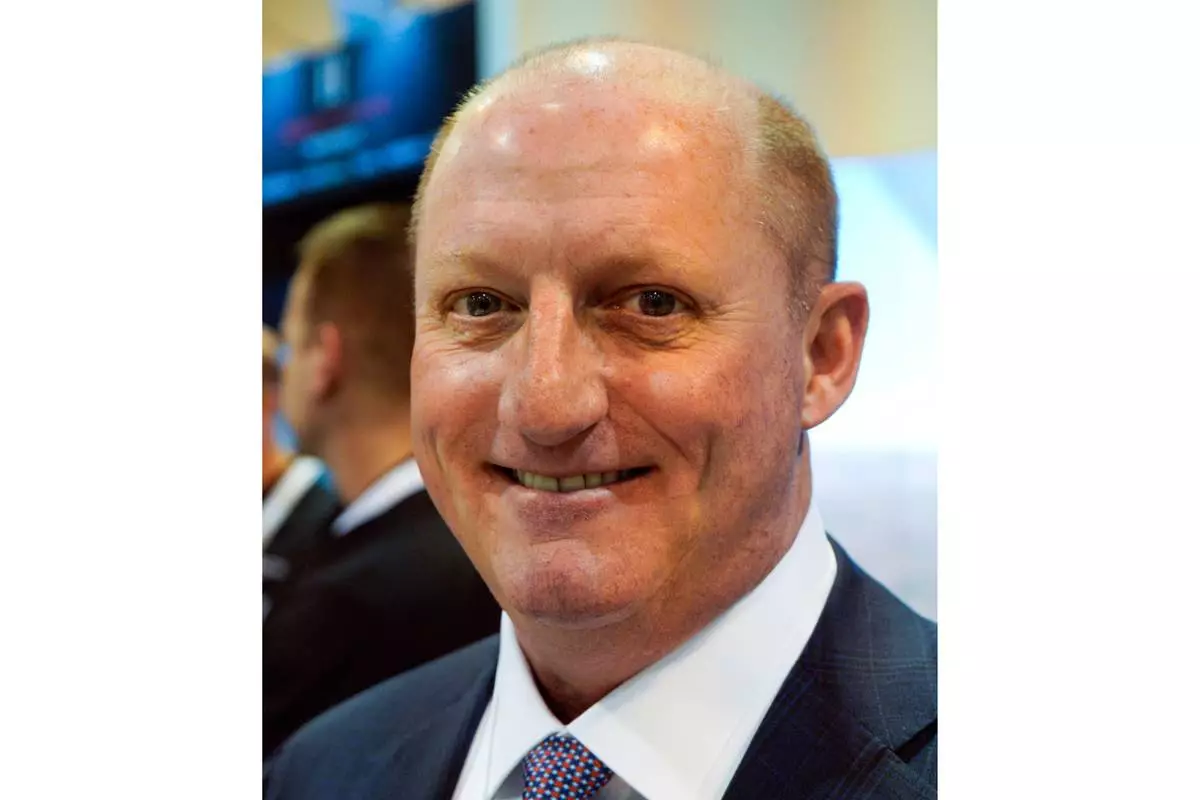
FILE - Greg Abel is seen at the CenturyLink Center in Omaha, Neb., in this Saturday, May 5, 2018, file photo. (AP Photo/Nati Harnik, File)