RABAT, Morocco (AP) — The Indomitable Lions, Bafana Bafana and the Super Eagles have all been competing at the 35th edition of the Africa Cup of Nations.
Cameroon, South Africa and Nigeria are just three of the 24 teams taking part in the four-week tournament in Morocco. All have nicknames carried proudly by their supporters, though some have been more successful than others.
Click to Gallery
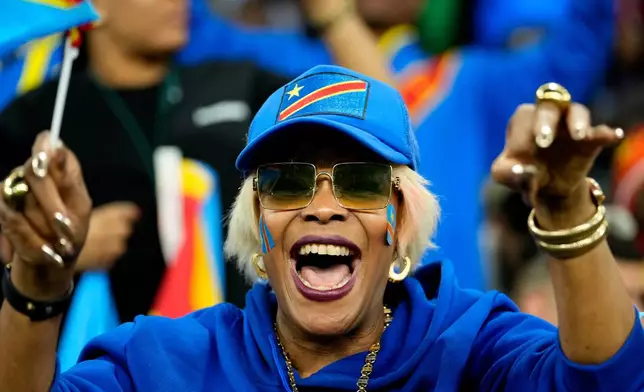
A DR Congo fan cheers prior to the Africa Cup of Nations group D soccer match between Botswana and DR Congo in Rabat, Morocco, Tuesday, Dec. 30, 2025. (AP Photo/Mosa'ab Elshamy)
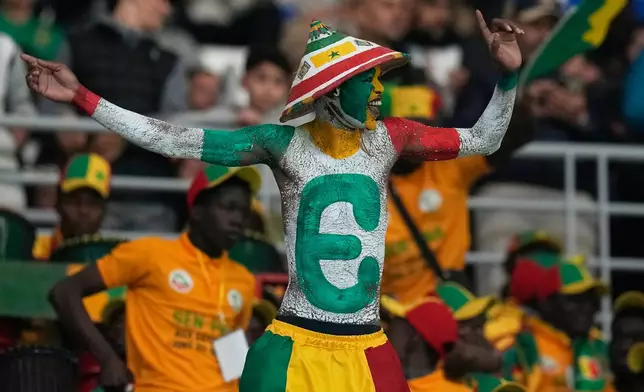
A senegalese fan cheers during the Africa Cup of Nations group D soccer match between Benin and Senegal in Tangier, Morocco, Tuesday, Dec. 30, 2025. (AP Photo/Themba Hadebe)
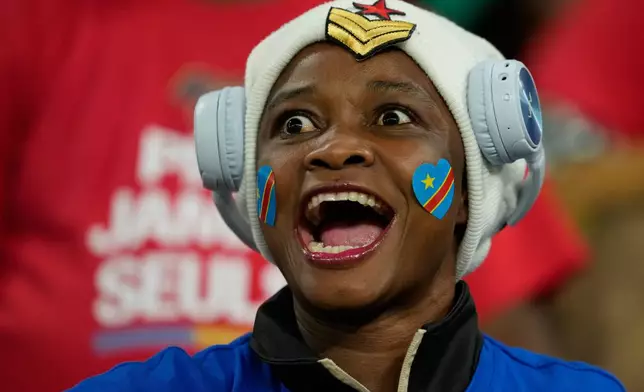
A DR Congo fan cheers prior to the Africa Cup of Nations group D soccer match between Botswana and DR Congo in Rabat, Morocco, Tuesday, Dec. 30, 2025. (AP Photo/Mosa'ab Elshamy)
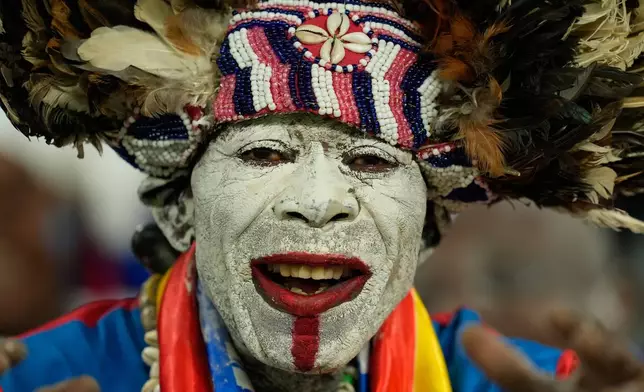
A DR Congo fan cheers prior to the Africa Cup of Nations group D soccer match between Botswana and DR Congo in Rabat, Morocco, Tuesday, Dec. 30, 2025. (AP Photo/Mosa'ab Elshamy)
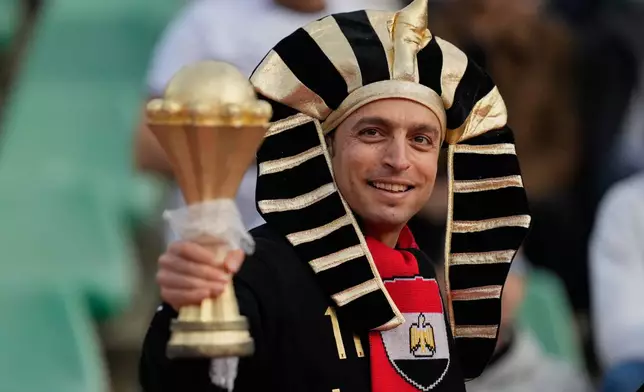
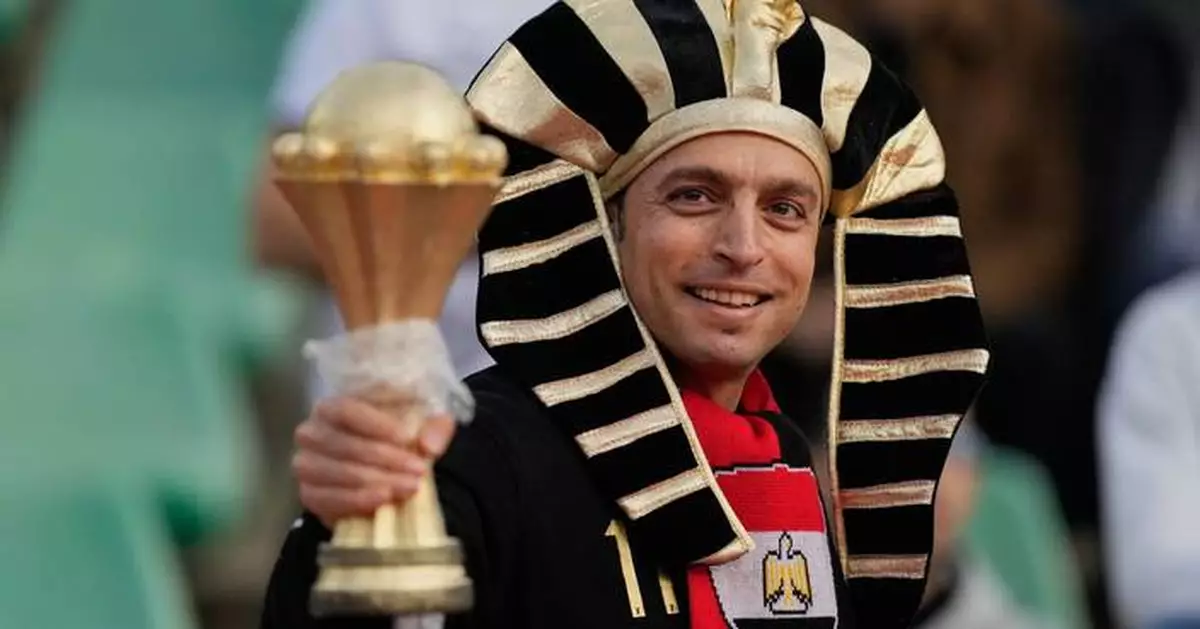
An Egypt supporter at the Africa Cup of Nations group B soccer match between Angola and Egypt in Agadir, Morocco, Monday, Dec. 29, 2025. (AP Photo/Mosa'ab Elshamy)
Here’s a look at the nicknames and how the teams lived up to them in the group stage which ended Wednesday. The knockout stage starts Saturday.
GROUP A
The barbary lions that used to prowl the mountains of north Africa live on only through the Africa Cup’s home team. The last known photograph of a wild lion in Morocco was taken by French army photographer Marcelin Flandrin from a flight over the Atlas Mountains in 1925. But Achraf Hakimi’s Atlas Lions are alive and remain on course for the title after topping the group.
The eagle symbolizes strength and power for Malians. The country is run by a military junta after Col. Assimi Goita installed himself as president in 2021. The team is hard to beat. Mali progressed to the last 16 with three straight draws.
Taking part in just its second Africa Cup tournament, island nation Comoros’ nickname comes from an ancient fish that was thought to be extinct until living specimens were found off the coast of South Africa in 1938. They are now known to live in the sea around Comoros off the east coast of Africa to the northwest of Madagascar. The team didn’t progress.
The Zambian team is named after one of the country’s biggest exports, copper, with the term bullets added to signify the team’s speed and danger. Unfortunately for its fans, it didn’t help as Zambia finished bottom of the group after two draws.
GROUP B
Named after the ancient Egyptian leaders, now led by Liverpool superstar Mohamed Salah, the Pharaohs are among the top favorites to claim what would be a record-extending eighth Africa Cup title. Egypt was the first to qualify for the knockout stage.
Meaning “the boys, the boys” in Zulu, Bafana Bafana was popularized as a term of endearment after the team’s readmission into competitions following the end of apartheid in the country. South Africa finished runner-up and next faces Cameroon on Sunday.
The sable antelope is the national animal of Angola and can also be found on banknotes and stamps. The team failed to progress because Tanzania scored a goal more.
Named for the fighting sprit and resilience in the face of adversity displayed by the team from the landlocked country in Southeastern Africa. The team fought hard but ultimately went out after losing its last match against local rival South Africa.
GROUP C
After gaining independence from British colonial rule in 1960, the Nigerian team played in green and white kits to reflect the country’s flag. Previously known as the U.K. Tourists, the Red Devils (for their red jerseys) and then the Green Eagles with the change in kit after independence, the team became known as the Super Eagles in the 1980s. It topped the group with three wins.
Another team of eagles who look to the historic Phoenician republic of Carthage for inspiration. Near the present-day Tunisian capital Tunis, Carthage was one of the biggest cities in the world as its height of power when it controlled a swath of territory across northwestern Africa and southeastern Iberia, and the islands in-between. Tunisia finished runner-up and next faces Mali.
Coming from the Swahili word for nation, Taifa brings together the best players from the mainland formerly known as Tanganyika and the island of Zanzibar. They merged to form Tanzania in 1964. The Taifa Stars reached the knockout stage for the first time and will face host nation Morocco in the next round.
Named after the grey crowned crane, Uganda’s national bird. It has featured on Uganda’s flag and coat of arms since the country became independent in 1962, and also before as a protectorate of the British Empire. The Cranes finished bottom of the group.
GROUP D
“Teranga” means hospitality in the Wolof language spoken in Senegal and parts of neighboring countries. But these lions are only hospitable off the field, finishing top of the group. They’ll be doing all they can to repeat their only success after winning the 2021 trophy.
Leopards are central to Congolese culture and have been since antiquity, featuring on the country’s coat of arms and the team’s crest. The Leopards next face Algeria on Jan. 6.
Benin’s team used to be known as the Squirrels until the country’s soccer federation felt in 2022 that a change was needed to reflect a more assertive, speedier, perhaps even fearsome attitude. It wanted an “evocative and respectable” nickname. Now, Benin’s players have to live up to their billing as the fastest land animals in the world. They squeezed into the knockout round thanks to a win over Botswana.
Named after the national animal of Botswana. Ultimately, the Zebras didn’t earn enough stripes to make it to the knockout round.
GROUP E
Named after the small desert foxes, the smallest foxes in the world, that manage to survive in the Sahara and other arid environments across north Africa. The Fennec Foxes topped their group to stay in Rabat for the next round.
Two stallions feature on the country’s coat of arms, a reference to the story of Yennenga, a warrior-princess who left her kingdom when her father would not let her marry. Yennenga met a hunter, Rialé, with whom she had a son, Ouédraogo, which means stallion in honor of the white horse that Yennenga traveled on. The Stallions next face defending champion Ivory Coast.
The name refers to the secretary bird found in much of Sudan and across the open grasslands of the sub-Saharan region. It features on the country’s coat of arms. Despite a campaign overshadowed by war at home, the Falcons of Jediane made it to the last 16 with a win over Equatorial Guinea and will next face Senegal.
Unfortunately, it didn’t strike in Morocco, where the team was eliminated after just two games and ultimately lost all three.
GROUP F
The defending champions get their nickname from the forest elephants that used to be widespread in the country. They feature on the coat of arms. The country itself derives its name from the ivory trade. There are still elephants in Ivory Coast, but not as many as before.
As if lions aren’t fearsome enough already, the five-time champions were undefeated in its group with two wins and a draw. Cameroon faces a showdown against South Africa in the round of 16.
Named after the highly venomous and fast snakes found in the sub-Saharan Africa. The black mamba found in Mozambique is one of the most feared of all the mambas and can strike when antagonized. Nigeria's Super Eagles will be warned.
The black panther is the national animal of Gabon and it features on the crest of the country’s soccer federation, while there are two of them on the country’s coat of arms. The Panthers are going home already after three defeats.
AP at the Africa Cup: https://apnews.com/hub/africa-cup-of-nations
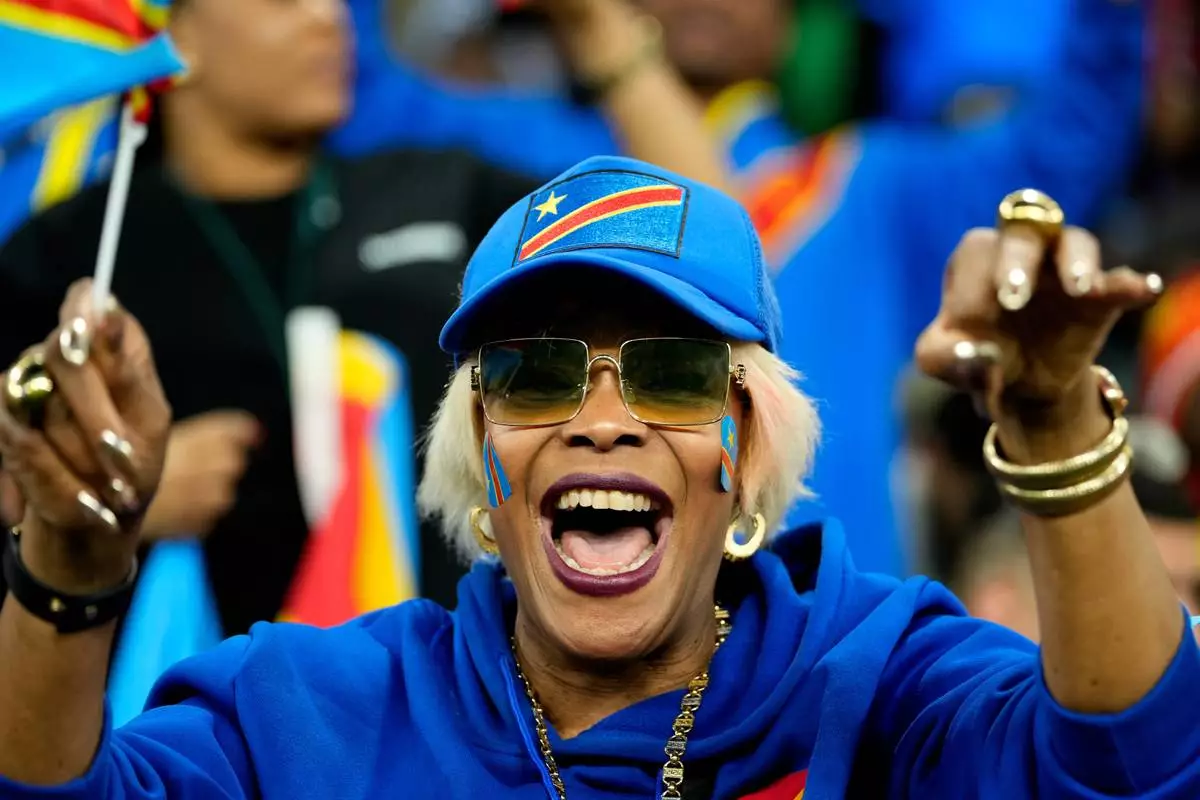
A DR Congo fan cheers prior to the Africa Cup of Nations group D soccer match between Botswana and DR Congo in Rabat, Morocco, Tuesday, Dec. 30, 2025. (AP Photo/Mosa'ab Elshamy)
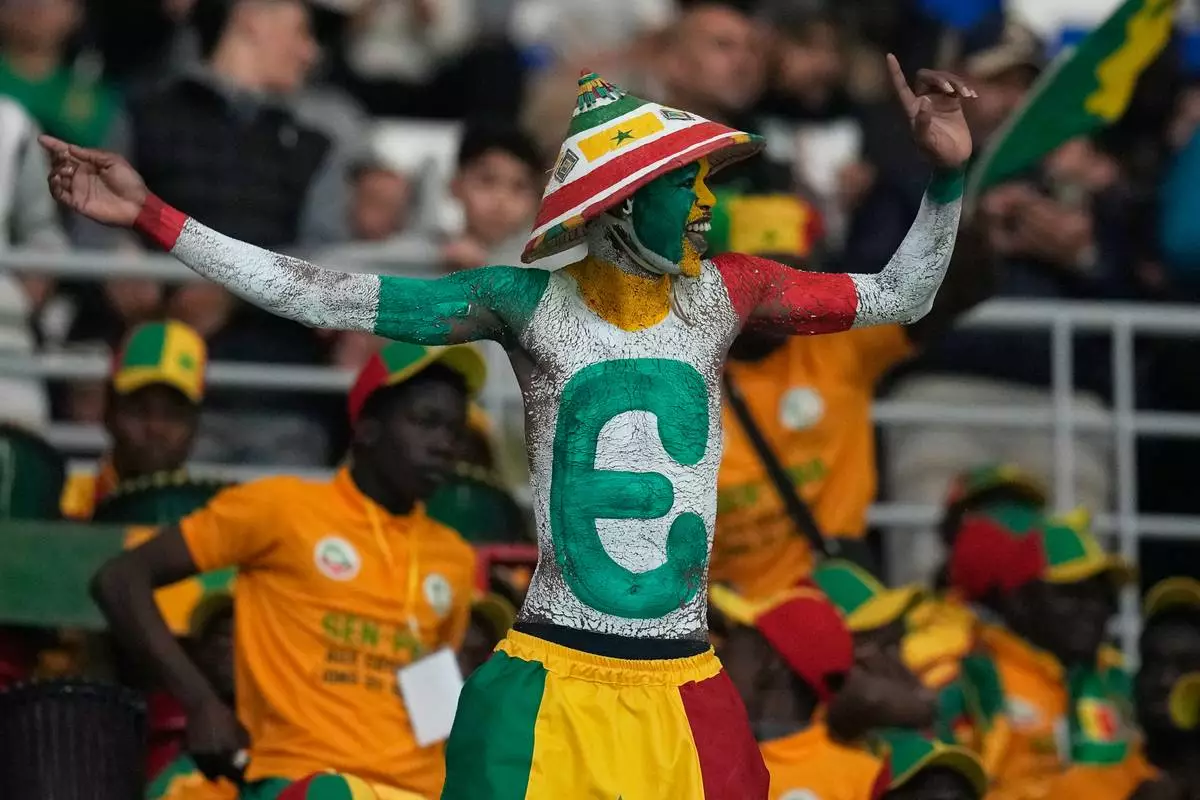
A senegalese fan cheers during the Africa Cup of Nations group D soccer match between Benin and Senegal in Tangier, Morocco, Tuesday, Dec. 30, 2025. (AP Photo/Themba Hadebe)
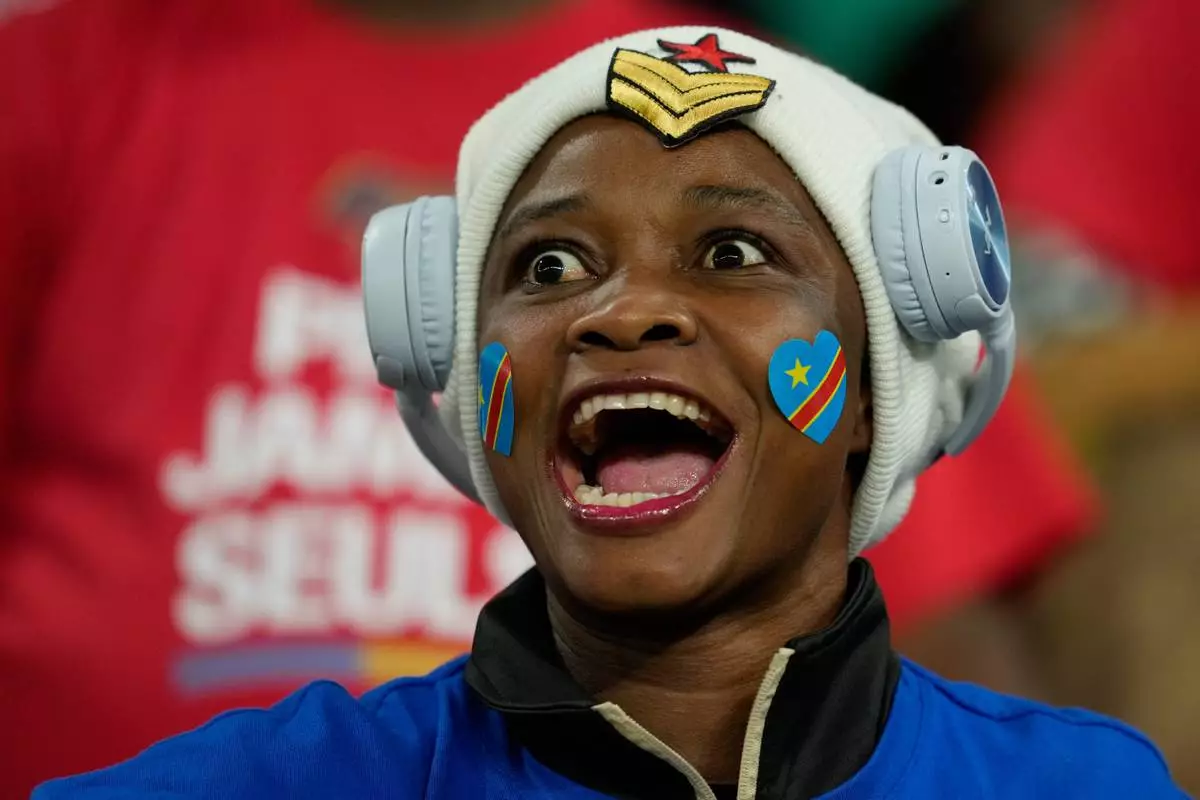
A DR Congo fan cheers prior to the Africa Cup of Nations group D soccer match between Botswana and DR Congo in Rabat, Morocco, Tuesday, Dec. 30, 2025. (AP Photo/Mosa'ab Elshamy)
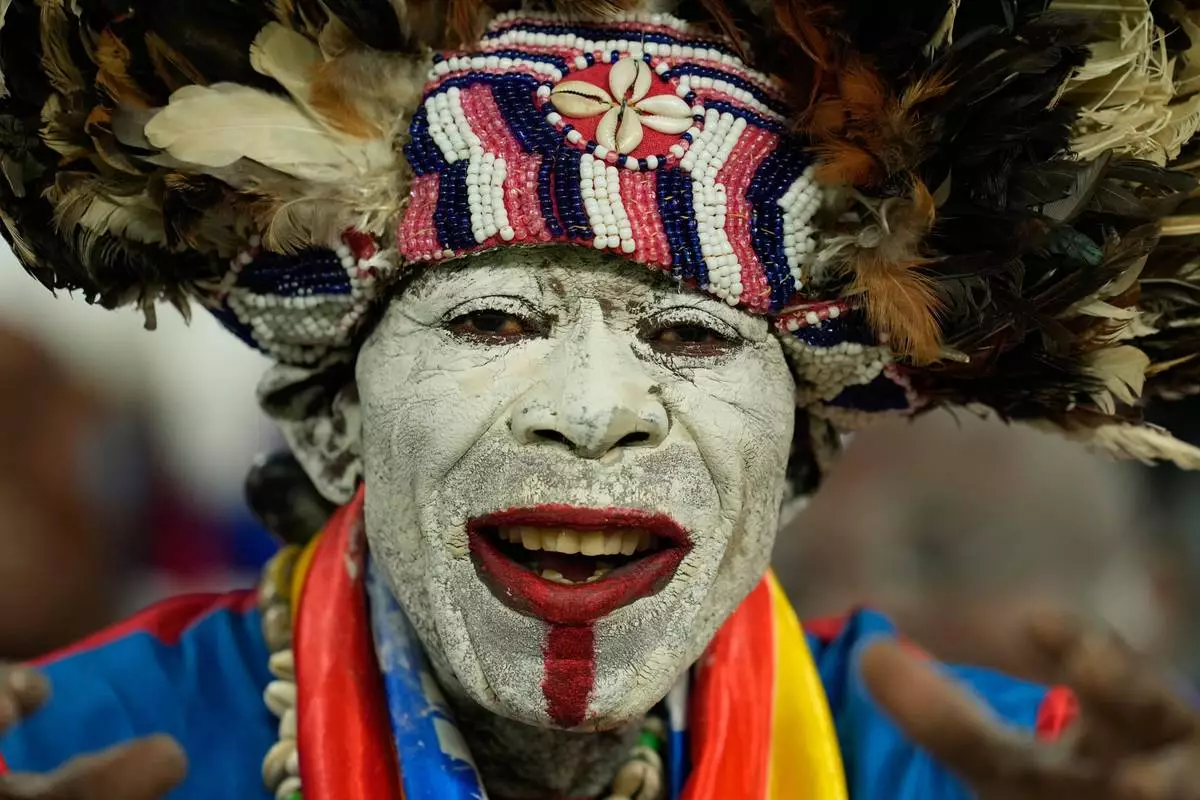
A DR Congo fan cheers prior to the Africa Cup of Nations group D soccer match between Botswana and DR Congo in Rabat, Morocco, Tuesday, Dec. 30, 2025. (AP Photo/Mosa'ab Elshamy)
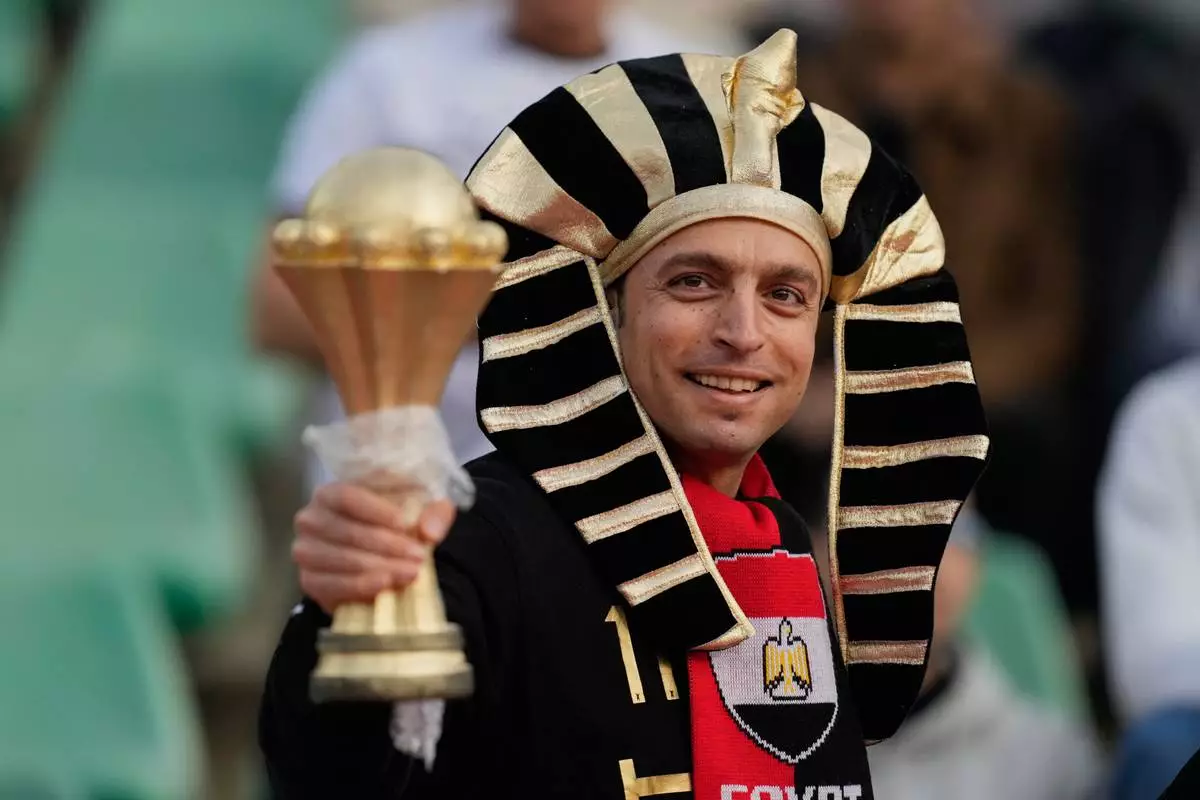
An Egypt supporter at the Africa Cup of Nations group B soccer match between Angola and Egypt in Agadir, Morocco, Monday, Dec. 29, 2025. (AP Photo/Mosa'ab Elshamy)