In 2025, Chinese President Xi Jinping, with his far-sighted strategic vision, continued to promote the sound and stable development of relations between China and major countries around the world.
Under the guidance of head-of-state diplomacy, relations between major powers moved forward on the right track of mutual respect, peaceful coexistence, and win-win cooperation.
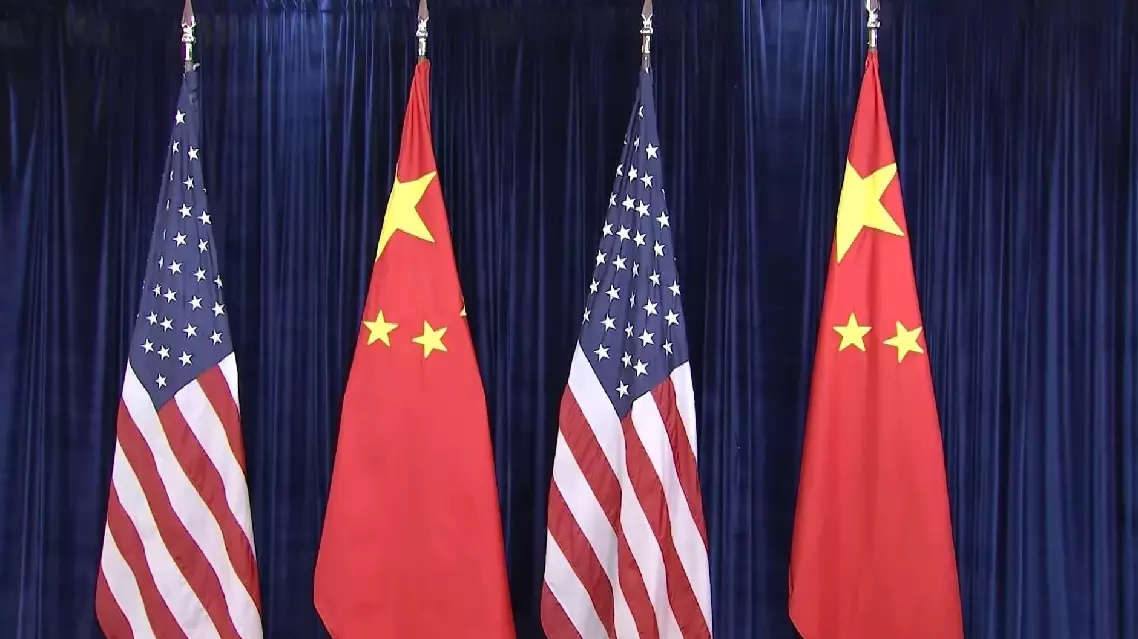
In the past year, China-U.S. relations, despite shocks and ups and downs, realized overall and dynamic stability. China has consistently held the view that this serves the shared interests of the people in both countries and meets the common aspiration of the international community.
President Xi Jinping and President Donald Trump had four phone calls and exchanged letters several times throughout the year.
In October, the two leaders met after a six-year interval, holding a 100-minute meeting in Busan, the Republic of Korea (ROK).
In Busan, they had a thorough discussion on China-U.S. relations and major issues concerning world peace and development. They have guided the giant ship of China-U.S. relations through troubled waters and steered it in the right direction.
"China's development does not contradict Mr President's vision of 'Making America Great Again.' China and the United States are fully able to help each other succeed and prosper together," Xi said.
China-Russia relations have maintained high-level, steady performance. Chinese and Russian leaders exchanged visits in this year of historic significance, highlighting mutual trust and mutual support as the hallmark of the China-Russia comprehensive strategic partnership of coordination.
In May, President Xi paid a state visit to Russia and attended celebrations marking the 80th anniversary of the victory in the Soviet Union's Great Patriotic War. Xi said that China and Russia have found a right path of state-to-state interactions between neighboring major countries.
"In the face of a turbulent and complex international situation, China and Russia should firmly uphold the spirit of lasting good-neighborliness and friendship, comprehensive strategic coordination, and mutually beneficial and win-win cooperation," Xi said.
Three months later, Putin attended the commemorations marking the 80th anniversary of the victory in the Chinese People's War of Resistance against Japanese Aggression and the World Anti-Fascist War, including a massive military parade on Sept 3 in Tian'anmen Square at the heart of Beijing.
In December, Xi met with visiting French President Emmanuel Macron during the latter's fourth trip to China.
The two countries had celebrated 60 years of diplomatic relations just a year before.
"China is willing to work with France to enable the China-France comprehensive strategic partnership to advance more steadily and soundly in the next 60 years to fully demonstrate its strategic value and make new contributions to promoting an equal and orderly multipolar world and universally beneficial and inclusive economic globalization," Xi said.
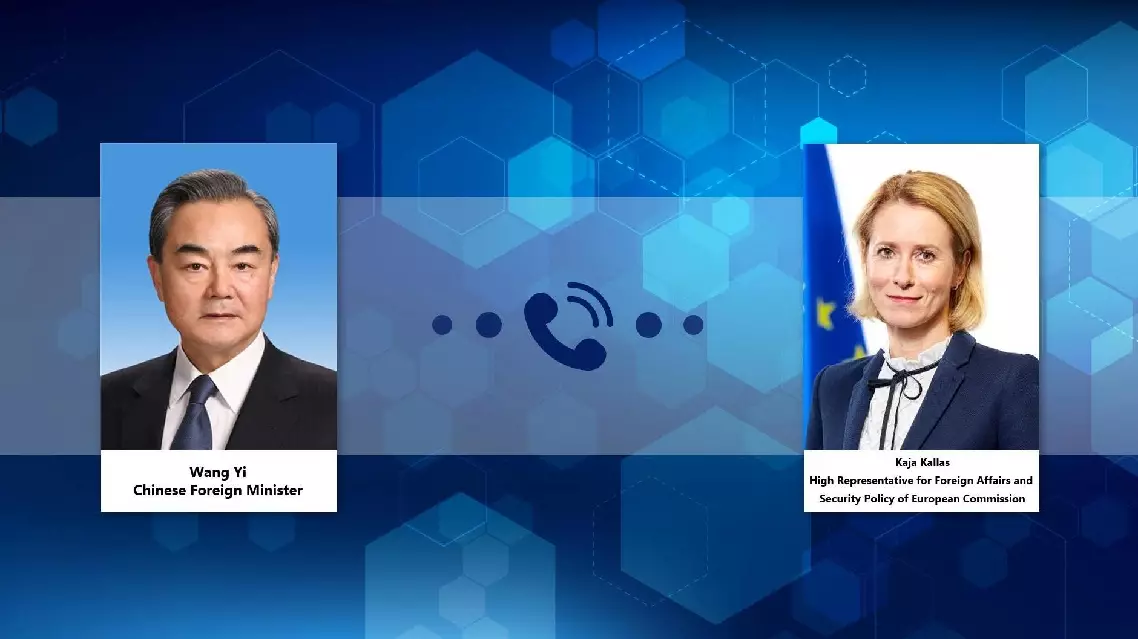
The year 2025 marked the 50th anniversary of the establishment of diplomatic relations between China and the European Union. The two sides reviewed their cooperation over the past fifty years of diplomatic ties, and reaffirmed partnership as the basic tenor of their relations.
In July, President Xi met with President of the European Council Antonio Costa and President of the European Commission Ursula von der Leyen, who were in China for the 25th China-EU Summit.
Faced with accelerating global transformation not seen in a century and a changing and turbulent world, Chinese and EU leaders should once again demonstrate vision and leadership, make the right strategic choices that will meet people’s expectations and stand the scrutiny of history, steer the right course for the development of China-EU relations, and work to open a brighter next 50 years for China-EU relations, contributing more stability and certainty to the world, Xi said.
He also engaged in in-depth exchanges with leaders of Germany, Spain, Portugal and other European countries throughout the year and called for strengthening communication, enhancing trust and deepening cooperation between China and Europe in a more challenging and complex international situation.
Throughout the outgoing year, China dedicated itself to rejuvenation for the Chinese nation and to harmony in a turbulent world, and opened up new horizons for major-country diplomacy with Chinese characteristics.
Xi promotes sound, stable development of relations with major countries in 2025
Xi promotes sound, stable development of relations with major countries in 2025