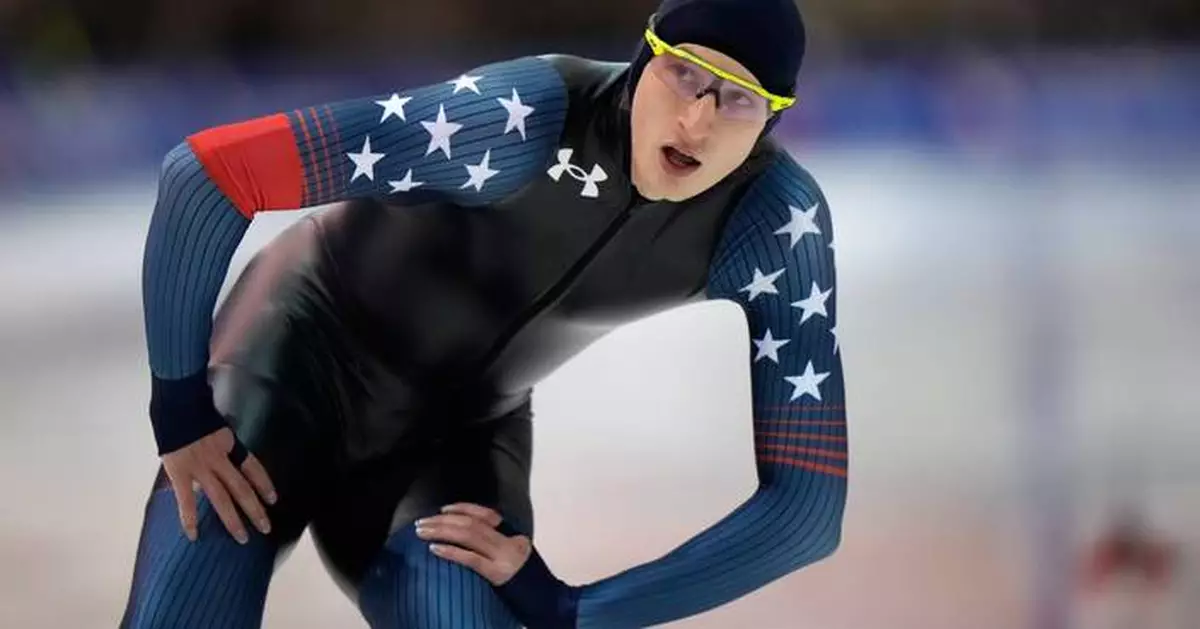
MILWAUKEE (AP) — Star speedskater Jordan Stolz figured some extra rest was more important than competing in an event he didn't need to with an Olympic berth already assured, so after finishing first in the 500 meters at the U.S. trials Sunday, he decided to just line up at the start of the 1,500 instead of actually racing.
The 21-year-old Stolz, twice the world champion at the 500, 1,000 and 1,500 and expected to be one of the faces of the Milan Cortina Games, took a couple of strides from an upright position in the outside lane, then took a hard left and skated toward the sideline. He shrugged as he came off the track.
Emery Lehman, who is from Chicago, won the 1,500 in 1 minute, 44.20 seconds to get another of the three spots for U.S. men in that event, and Casey Dawson — who won the 5,000 on Friday — was second in 1:45.60.
The women's 1,500 was won by Brittany Bowe, a 33-year-old who grew up in Florida; she'll also compete in the 1,000 at her fourth Olympics. Greta Myers, a 21-year-old from Minnesota, initially finished second, was disqualified for making contact with Bowe during their heat, then again was second-fastest during a solo reskate more than an hour later, which she completed even faster than her original time.
Stolz arrived last week at the Pettit National Ice Center, about 40 minutes south of his hometown of Kewaskum, already assured of being prequalified for the Feb. 6-22 Olympics in four events based on World Cup results: 500, 1,000 and 1,500 meters, plus the mass start.
That means he only needed to participate at the trials in each of those races to make his spots official for the Winter Games.
“I’m just a little tired,” Stolz said about the choice to essentially skip the 1,500. “Qualify my spot and take a rest.”
In Saturday’s 1,000, his first race in Milwaukee and one in which he holds the world record, Stolz lost his footing right at the outset and fell to the ice, a stunning mistake. But he got right up and closed with the third-best time.
“Pretty impressive,” he said with a laugh.
Afterward, he blamed a recent head cold that left him dehydrated and cramping and without proper preparation.
In Sunday's 500, he was smooth and speedy enough to finish first in 34.76 seconds, but he made clear he wasn't pleased with that time. He planned to give himself a break for the 1,500 later Sunday but said he did plan to take part in the mass start on Monday.
“After the 1,000 yesterday, I feel pretty tried. It only took one race to get me a little tired,” he said. “But, yeah, it doesn’t matter.”
That's because Stolz has made clear that he views these days as part of his training process a little more than a month ahead of what really matters: the Olympics.
Cooper McLeod, who was second in the 1,000, was next in the 500, 0.06 seconds behind Stolz. While three U.S. men will get berths in the 1,000 at the Olympics, Stolz was the only one assured of a spot as of Sunday.
There are other heats for the women’s and men’s 500 Monday, and each skater’s best time across the two days is what counts.
Erin Jackson, the reigning gold medalist in the women's 500, also already had prequalified and only needed to show up at the starting line in that race. Like Stolz, she did far more than that, producing the fastest time Sunday by clocking 38.15 seconds — one day after winning the 1,000.
The American women have two spots in the Olympic 500 and the other will be settled Monday, the last day of the trials.
Sarah Warren was second-best among the women Sunday in 38.86.
AP Winter Olympics: https://apnews.com/hub/milan-cortina-2026-winter-olympics
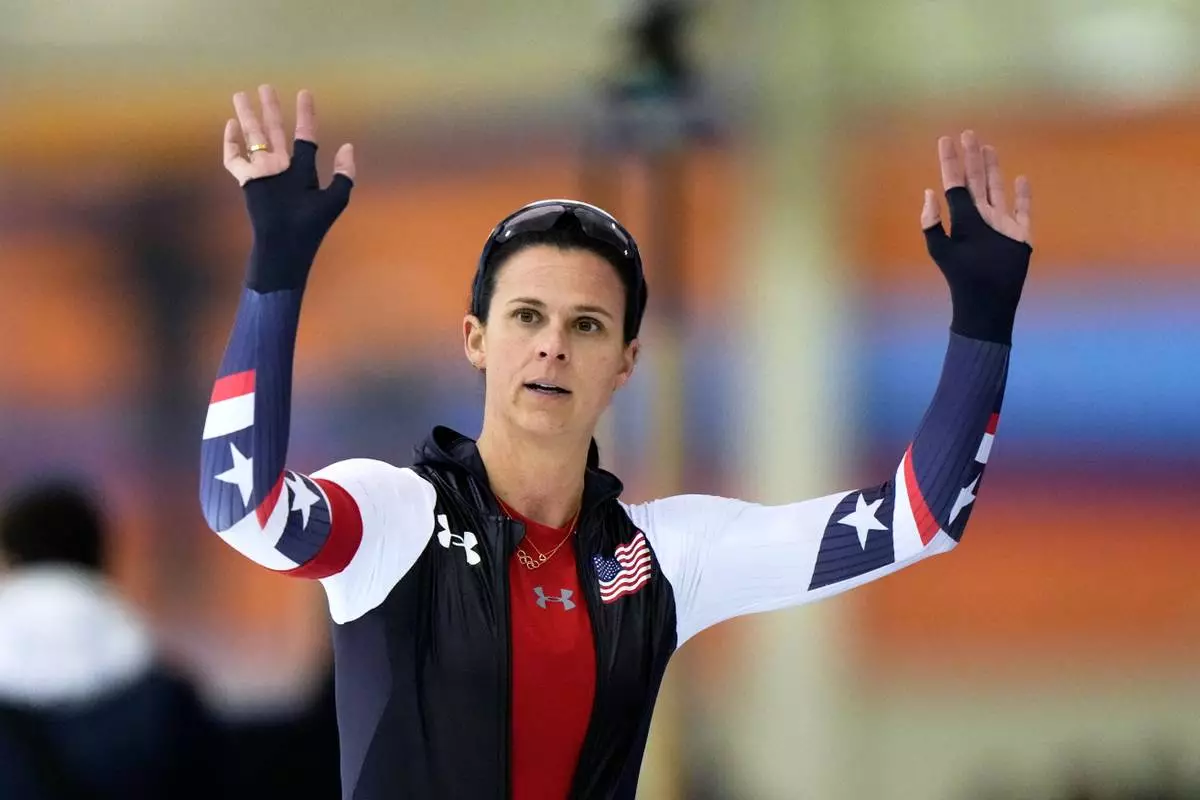
Brittany Bowe reacts after competing in the women's 1500 meters at the U.S. Olympic trials for long track speed skating at the Pettit National Ice Center Sunday, Jan. 4, 2026 in Milwaukee. (AP Photo/Morry Gash)
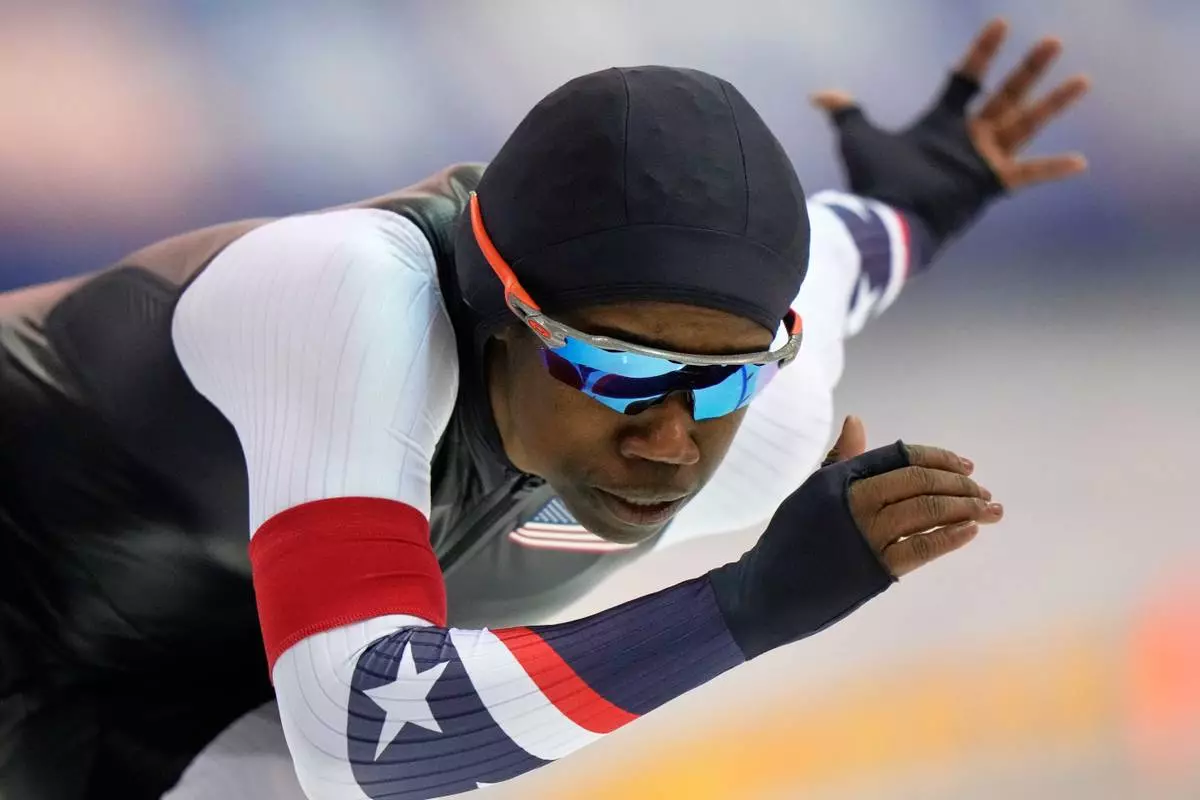
Erin Jackson competes in the women's 500 meters at the U.S. Olympic trials for long track speed skating at the Pettit National Ice Center Sunday, Jan. 4, 2026 in Milwaukee. (AP Photo/Morry Gash)
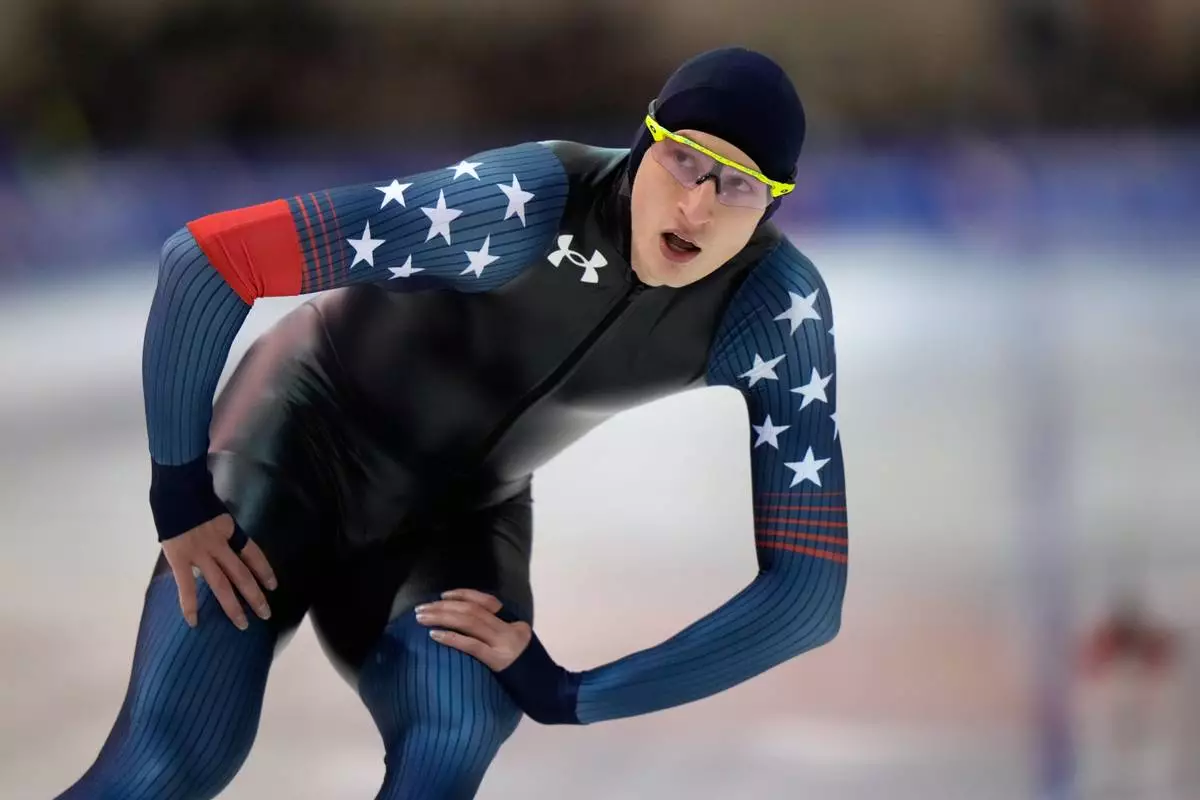
Jordan Stolz looks at his time after competing in the men's 500 meters at the U.S. Olympic trials for long track speed skating at the Pettit National Ice Center Sunday, Jan. 4, 2026 in Milwaukee. (AP Photo/Morry Gash)
HELSINGBORG, Sweden (AP) — NATO allies and defense officials expressed bewilderment Friday at U.S. President Donald Trump’s announcement that he would send 5,000 U.S. troops to Poland just weeks after ordering the same number of forces pulled out of Europe.
The apparent change of mind came after weeks of statements from Trump and his administration about reducing — not increasing — the U.S. military footprint in Europe. Trump's initial order set off a flurry of action among military commanders and left allies already doubtful about America's commitment to Europe's security to ponder what forces they might have to backfill on NATO's eastern flank with Russia and Ukraine.
Earlier this month, the Trump administration said it was reducing levels in Europe by about 5,000 troops, and U.S. officials confirmed about 4,000 service members were no longer rotating into Poland from Germany. The dispatch to Germany of U.S. personnel trained to fire long-range missiles was also halted.
But in a post on Truth Social on Thursday, Trump said he would now send "an additional 5,000 Troops to Poland,” citing his strong ties with Polish President Karol Nawrocki, whom Trump endorsed in elections last year.
“It is confusing indeed, and not always easy to navigate,” Swedish Foreign Minister Maria Malmer Stenergard told reporters Friday at a meeting she was hosting of her NATO counterparts, including U.S. Secretary of State Marco Rubio.
Ministers from the Netherlands and Norway were sanguine about Trump’s latest move, as was Latvian Foreign Minister Baiba Braže, who said allies knew the U.S. troop “posture was being reconsidered, and now there is no change of posture. For now.”
U.S. defense officials also expressed confusion. “We just spent the better part of two weeks reacting to the first announcement. We don’t know what this means either,” said one of two officials who spoke on condition of anonymity to discuss sensitive military matters.
But Rubio said Washington’s allies understand that changes in the U.S. troop presence in Europe will come as the Trump administration reevaluates its force needs. “I think there’s a broad recognition that there are going to be eventually less U.S. troops in Europe than there has historically been for a variety of reasons,” he said.
The latest surprise came despite a U.S. pledge to coordinate troop deployments, including one from NATO’s top military officer, U.S. Lt. Gen. Alex Grynkewich, on Wednesday.
Trump's initial announcement that he would withdraw troops came as he fumed over remarks by German Chancellor Friedrich Merz, who said that the U.S. was being “humiliated” by the Iranian leadership and criticized what he called a lack of strategy in that war.
Trump told reporters that the U.S. would be cutting even more than 5,000 and also announced new tariffs on European cars. Germany is the continent’s biggest auto producer.
Rubio insisted that Trump’s decision “is not a punitive thing. It’s just something that’s ongoing.”
About 80,000 U.S. troops are stationed in Europe. The Pentagon is required to keep at least 76,000 troops and major equipment on the continent unless NATO allies are consulted and there is a determination that such a withdrawal is in U.S. interests.
The withdrawal of 5,000 troops might drop numbers below that limit.
But Trump's latest post suggests that troop numbers in Europe would not change. Polish Foreign Minister Radek Sikorski welcomed the decision to send more forces to his country, saying it ensures that “the presence of American troops in Poland will be maintained more or less at previous levels.”
NATO Secretary-General Mark Rutte also welcomed the move. On Thursday, before Trump took to Truth Social again, Rutte had underlined that it was important for Europe to take care of its own security. “We have a process in place. This is normal business,” he told reporters.
At NATO headquarters in Brussels, meanwhile, U.S. officials briefed the allies on the Pentagon's aims for its commitments to the NATO Force Model, which involves contingency planning for Europe’s defense in the event of serious security concerns. It was widely expected that a further reduction of U.S. forces would be coming.
Asked whether any cuts were announced, Rutte said: “I’m afraid it’s much more complicated than that.” He said the procedure “is highly classified” and declined to give details.
Rubio played down concerns about a shift in U.S. force levels in Europe, saying: "Every country has to constantly reevaluate what their needs are, what their commitments are around the world, and how to properly structure that.”
Cook reported from Brussels. Associated Press writer Emma Burrows in London contributed.
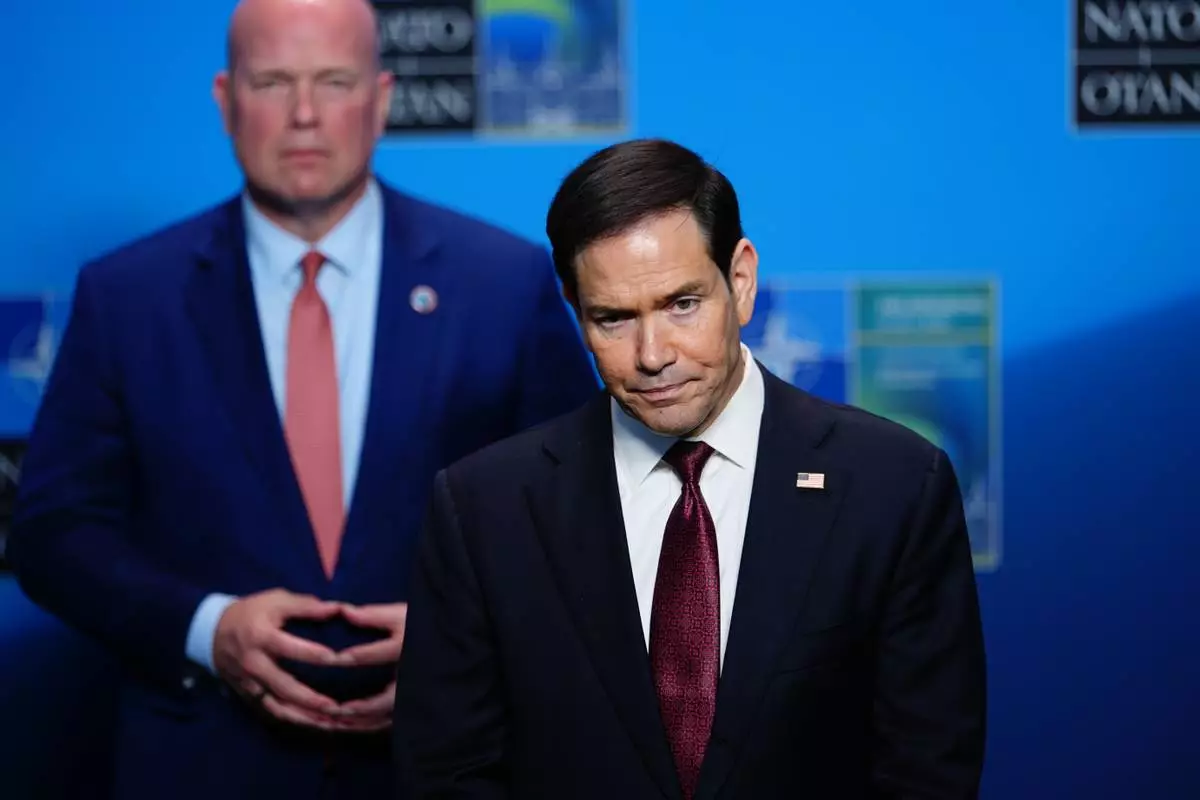
United States Secretary of State Marco Rubio speaks with journalists during a meeting of NATO foreign ministers in Helsingborg, Sweden, Friday, May 22, 2026. (AP Photo/Julia Demaree Nikhinson, Pool)
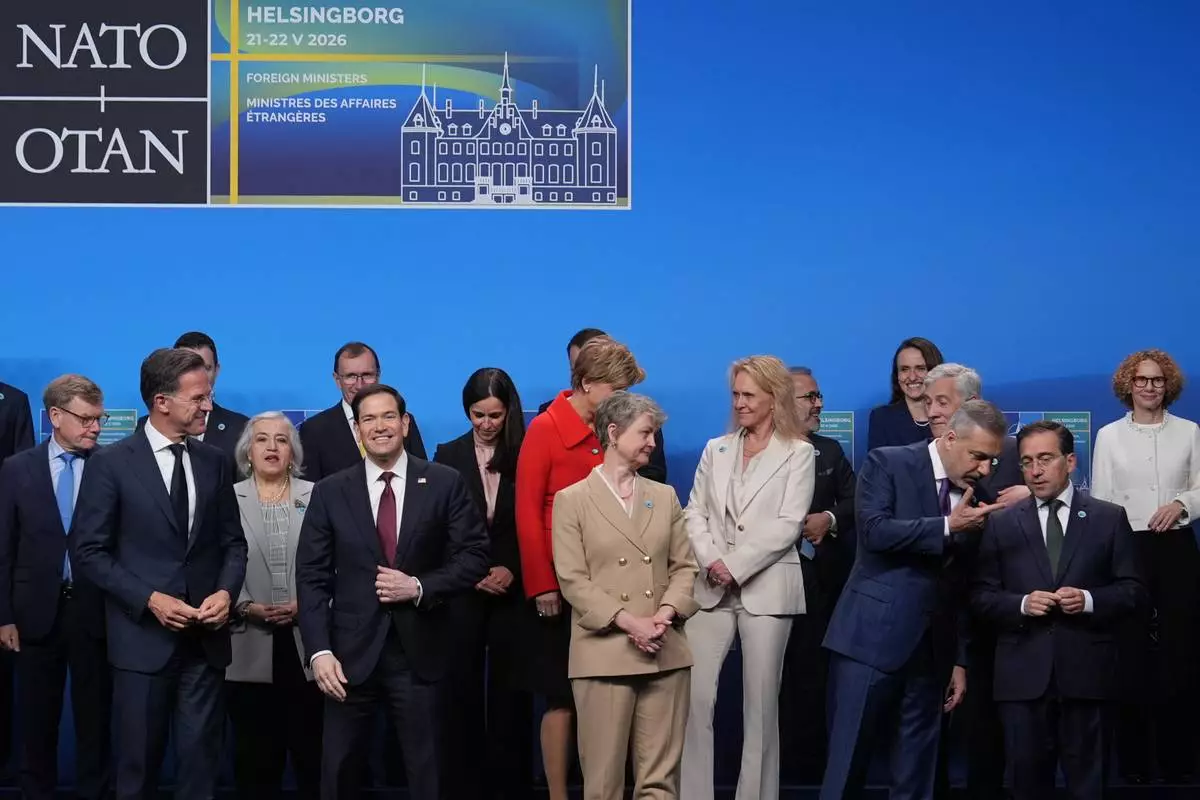
United States Secretary of State Marco Rubio, front second left, and NATO Secretary General Mark Rutte, front left, speak with each other during a group photo at a meeting of NATO foreign ministers in Helsingborg, Sweden, Friday, May 22, 2026. (AP Photo/Julia Demaree Nikhinson, Pool)
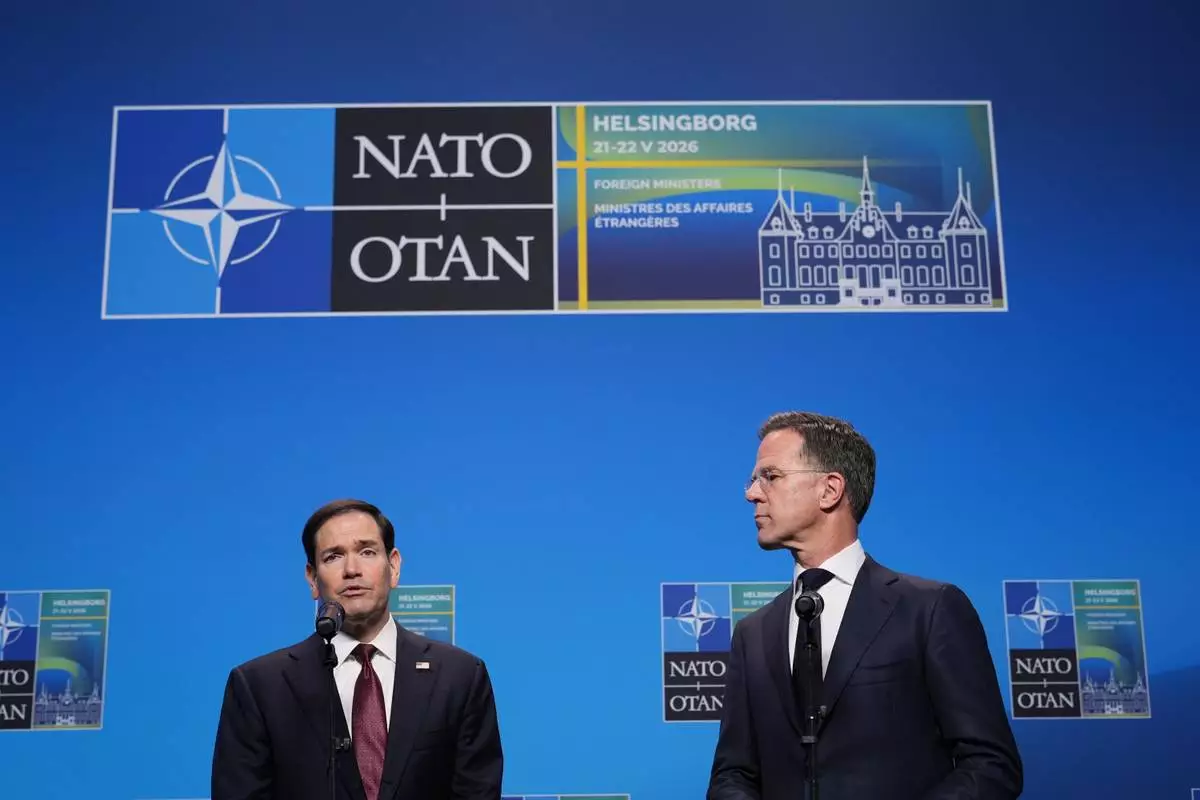
United States Secretary of State Marco Rubio, left, and NATO Secretary General Mark Rutte look at each other as they deliver a statement during a meeting of NATO foreign ministers in Helsingborg, Sweden, Friday, May 22, 2026. (AP Photo/Julia Demaree Nikhinson, Pool)
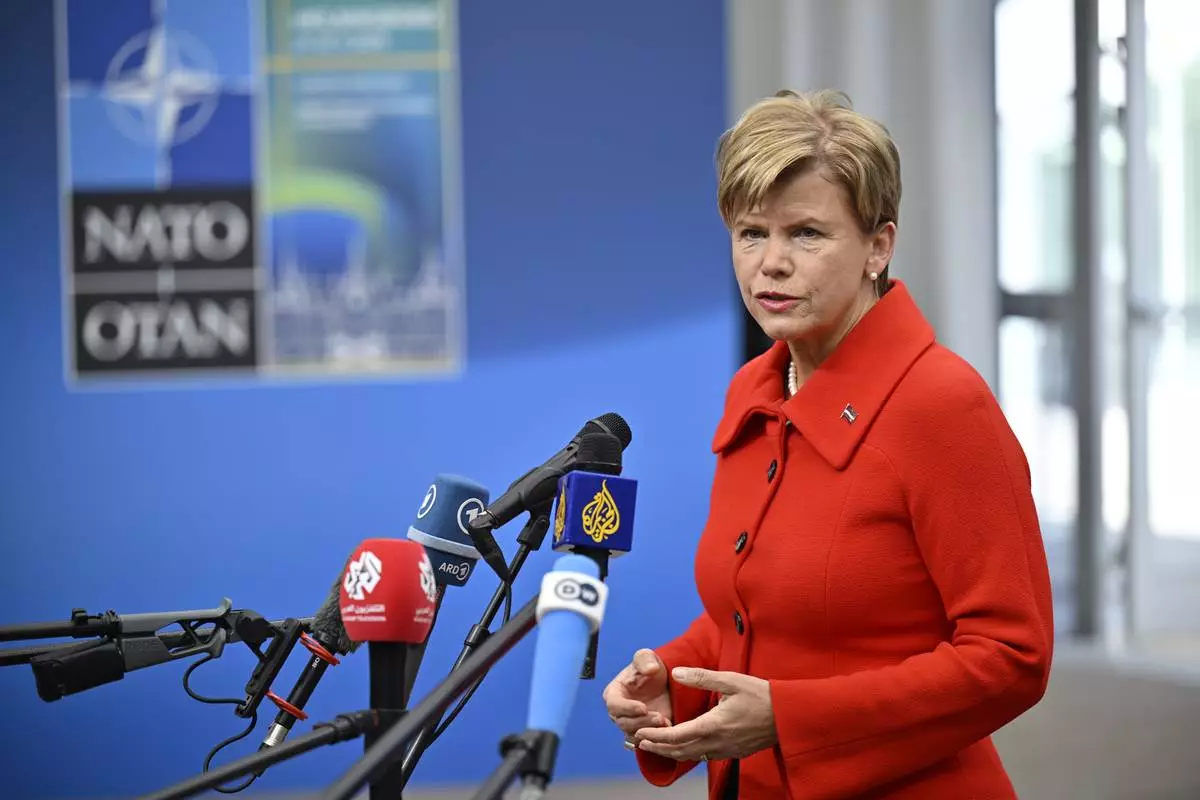
Latvian Foreign Minister Baiba Braže speaks at the doorstep of the NATO foreign ministers' meeting at Sea U in Helsingborg, Sweden, Friday, May 22, 2026. (Johan Nilsson/TT News Agency via AP)
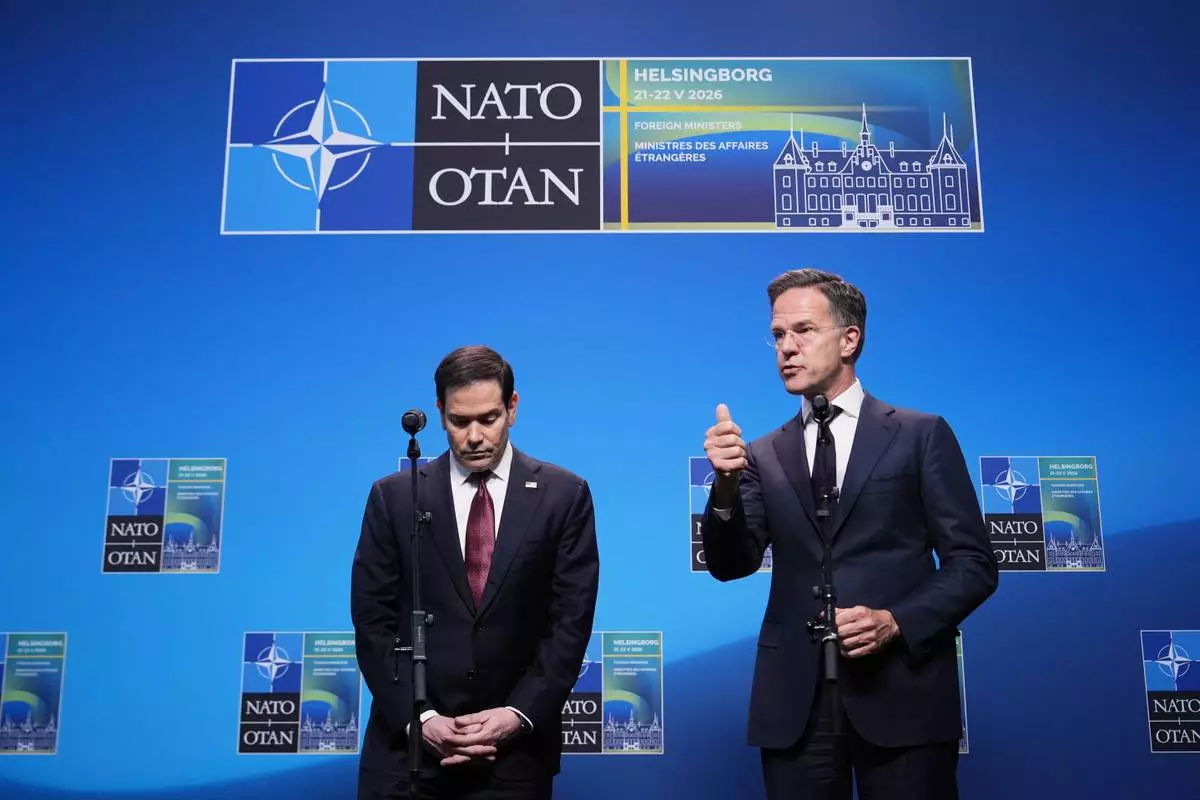
United States Secretary of State Marco Rubio, left, and NATO Secretary General Mark Rutte deliver a statement during a meeting of NATO foreign ministers in Helsingborg, Sweden, Friday, May 22, 2026. (AP Photo/Julia Demaree Nikhinson, Pool)
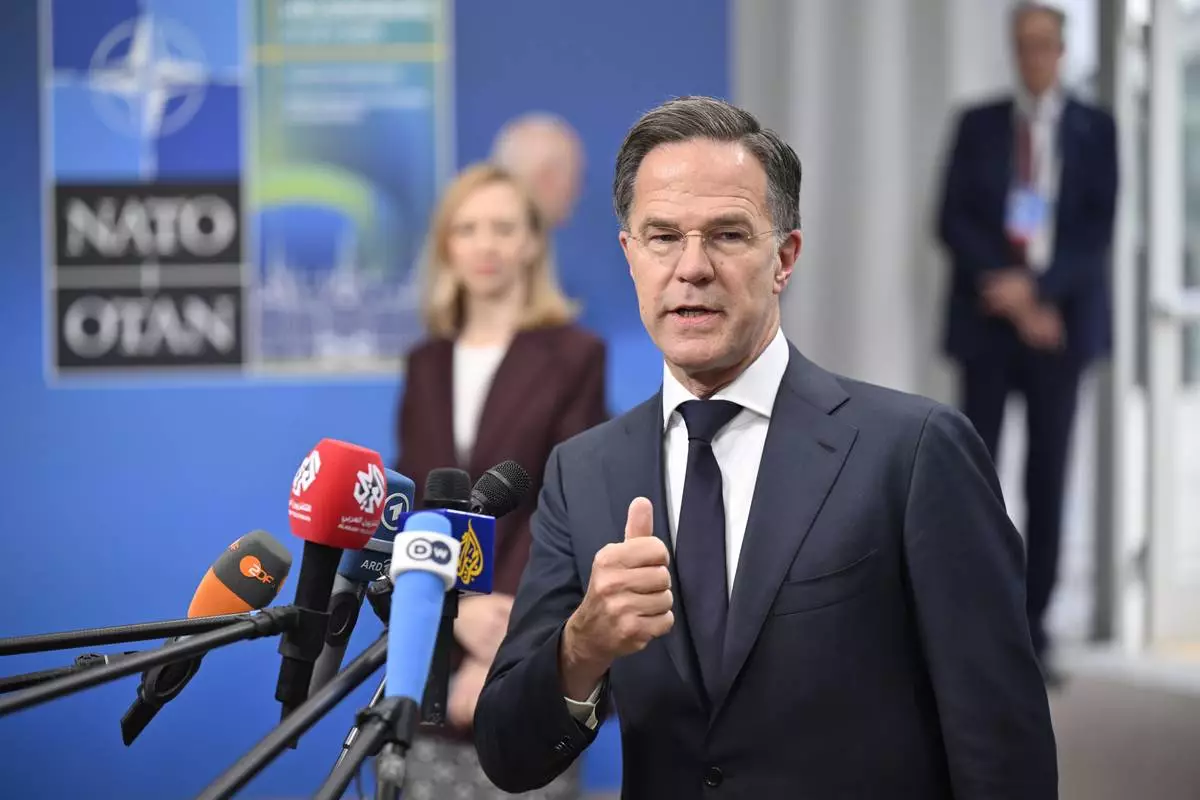
NATO Secretary General Mark Rutte speaks to media at the NATO Foreign Ministers' meeting in Helsingborg, Sweden, Friday, May 22, 2026. (Johan Nilsson/TT News Agency via AP)
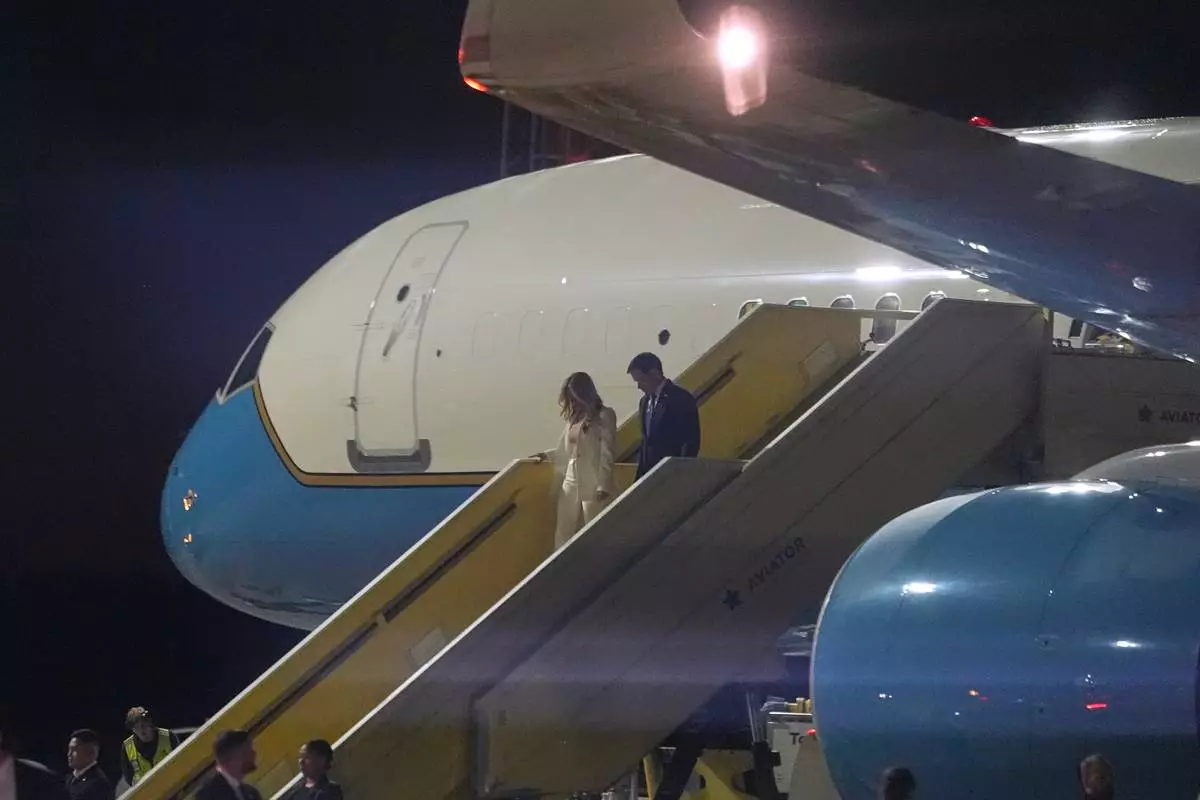
Secretary of State Marco Rubio arrives with his wife Jeanette at Malmo Airport, Friday, May 22, 2026, in Malmo-Sturup, Sweden, ahead of a NATO foreign ministers meeting. (AP Photo/Julia Demaree Nikhinson, Pool)
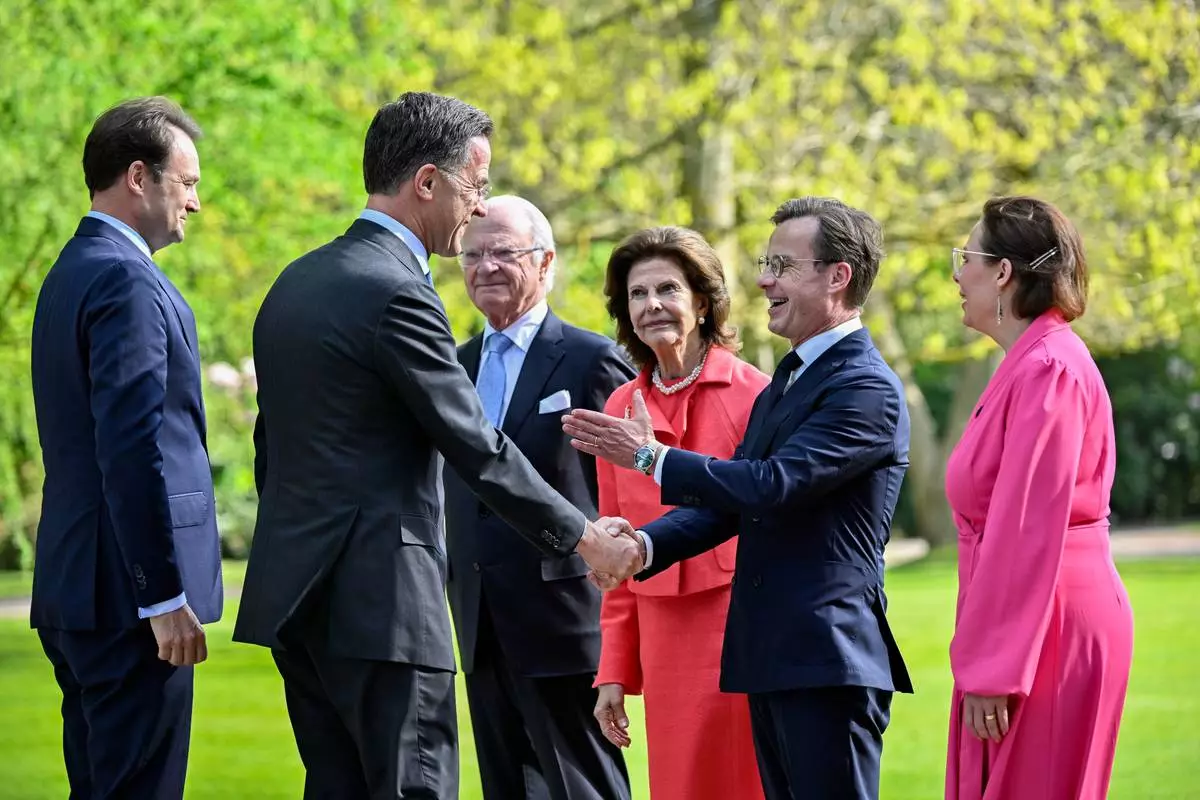
NATO Secretary General Mark Rutte, second from left, shakes hands with Prime Minister of Sweden Ulf Kristersson, as he is greeted by King Carl Gustaf of Sweden, Queen Silvia of Sweden and Minister for Foreign Affairs of Sweden Maria Malmer Stenergard, right, before a dinner at Sofiero Castle in Helsingborg, Sweden, Thursday May 21 2026. (Johan Nilsson/TT News Agency via AP)
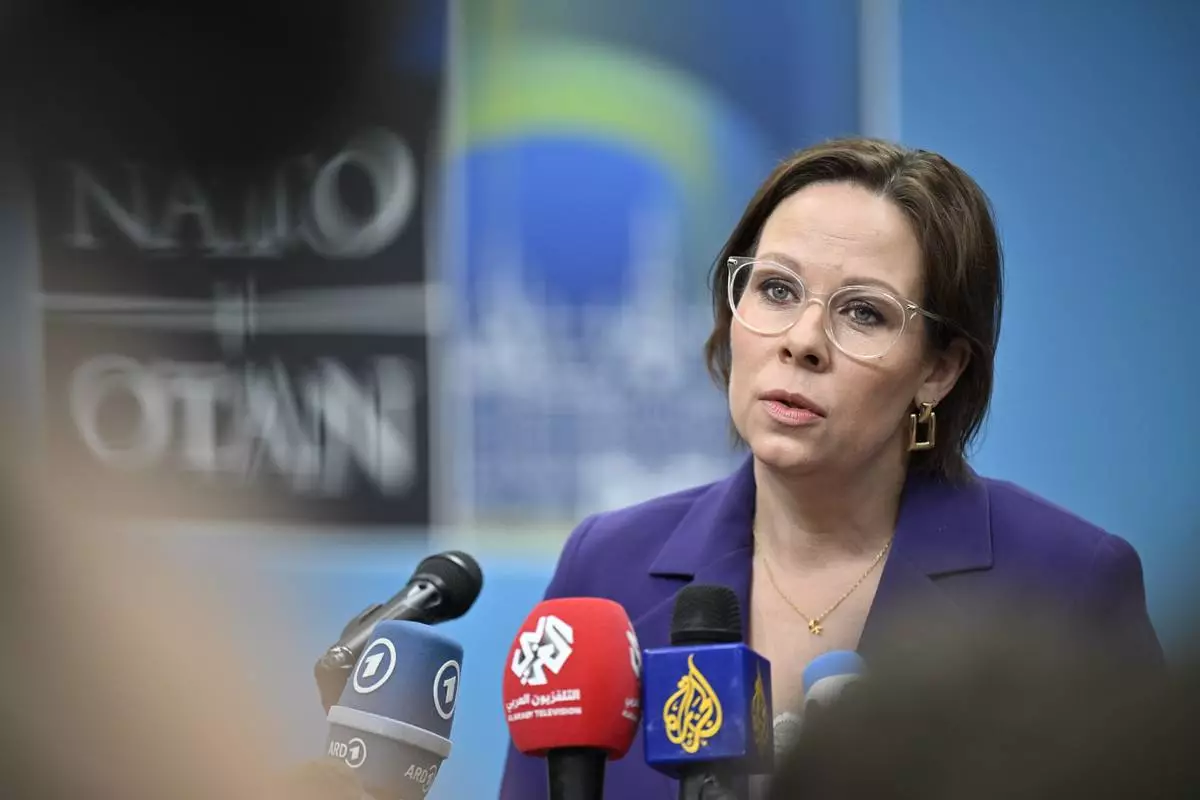
Swedish Foreign Minister Maria Malmer Stenergard speaks to media at the NATO Foreign Ministers' meeting in Helsingborg, Sweden, Friday, May 22, 2026. (Johan Nilsson/TT News Agency via AP)