Skip to Content Facebook Feature Image

US allies and adversaries use UN meeting to critique Venezuela intervention as America defends it

News

US allies and adversaries use UN meeting to critique Venezuela intervention as America defends it
News

News

US allies and adversaries use UN meeting to critique Venezuela intervention as America defends it

2026-01-06 10:07 Last Updated At:10:20

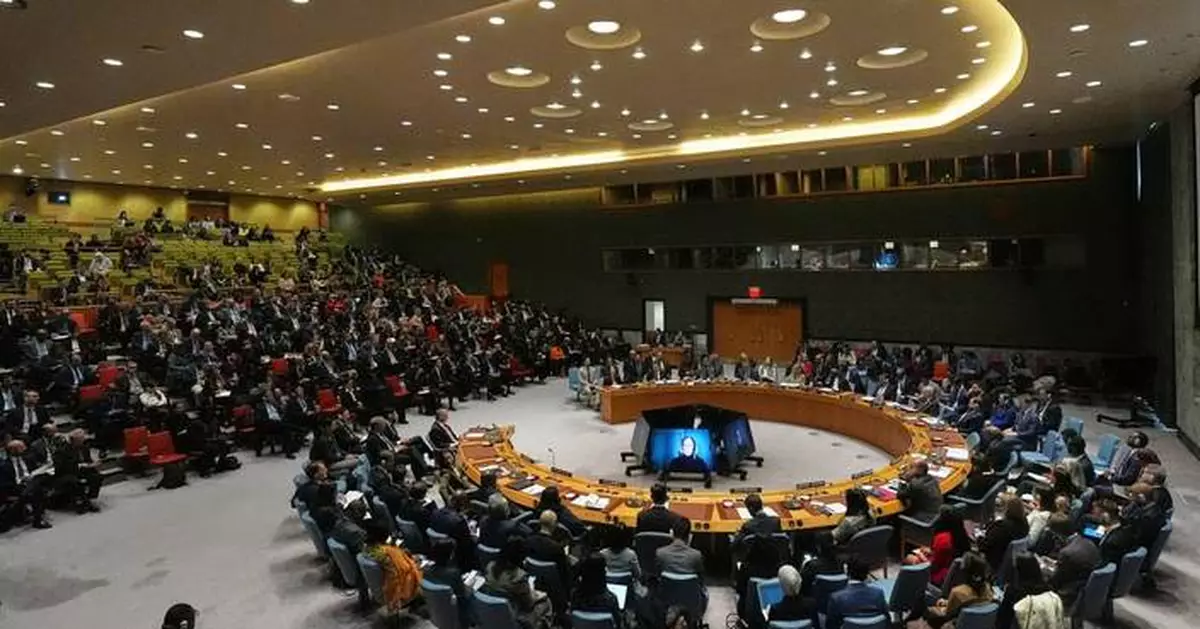
UNITED NATIONS (AP) — Both allies and adversaries of the United States on Monday used an emergency meeting of the U.N. Security Council to voice opposition to the audacious U.S. military operation in Venezuela that captured leader Nicolás Maduro.

Before the U.N.'s most powerful body, countries critiqued — if sometimes obliquely — President Donald Trump's intervention in the South American country and his recent comments signaling the possibility of expanding military action to countries like Colombia and Mexico over drug trafficking accusations. The Republican president also has reupped his threat to take over the Danish territory of Greenland for the sake of U.S. security interests.

More Images
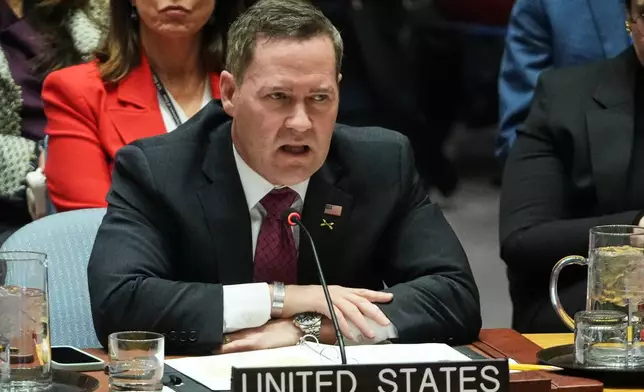
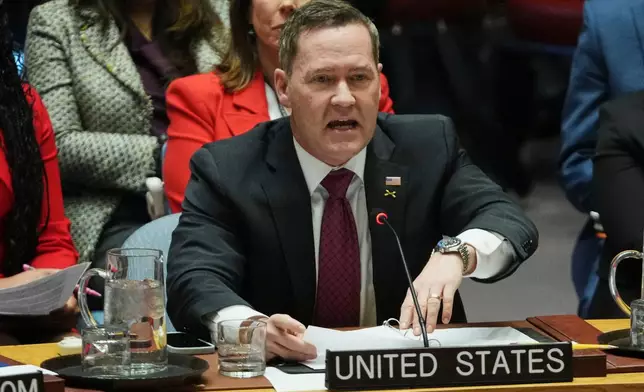
United States' Ambassador to the United Nations Michael Waltz addresses the Security Council Monday, Jan. 5, 2026 at U.N. headquarters. (AP Photo/Frank Franklin II)
United States' Ambassador to the United Nations Michael Waltz addresses the Security Council Monday, Jan. 5, 2026 at U.N. headquarters. (AP Photo/Frank Franklin II)

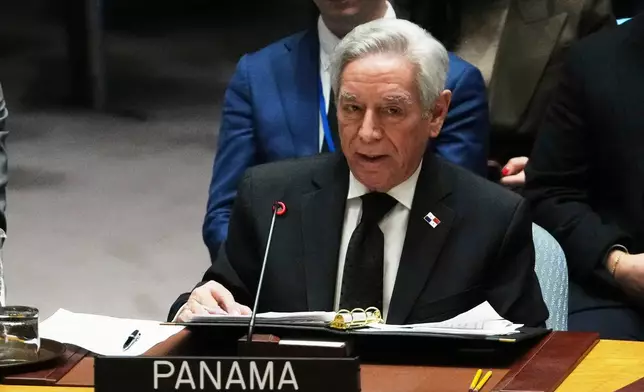
Panama UN Ambassador Eloy Alfaro De Alba speaks during a meeting of the Security Council Monday, Jan. 5, 2026 at U.N. headquarters. (AP Photo/Frank Franklin II)
Panama UN Ambassador Eloy Alfaro De Alba speaks during a meeting of the Security Council Monday, Jan. 5, 2026 at U.N. headquarters. (AP Photo/Frank Franklin II)

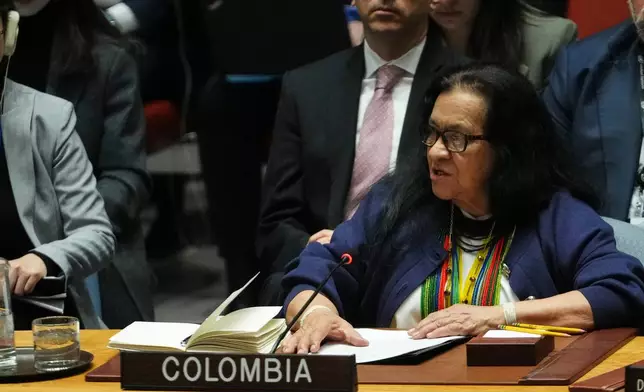
Colombia's ambassador to the U.N. Leonor Zalabata addresses the Security Council Monday, Jan. 5, 2026 at U.N. headquarters. (AP Photo/Frank Franklin II)
Colombia's ambassador to the U.N. Leonor Zalabata addresses the Security Council Monday, Jan. 5, 2026 at U.N. headquarters. (AP Photo/Frank Franklin II)

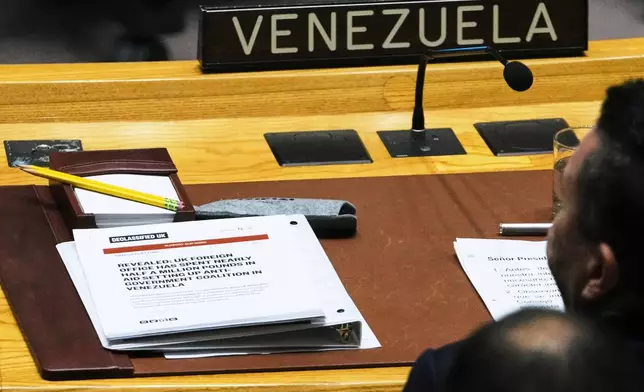
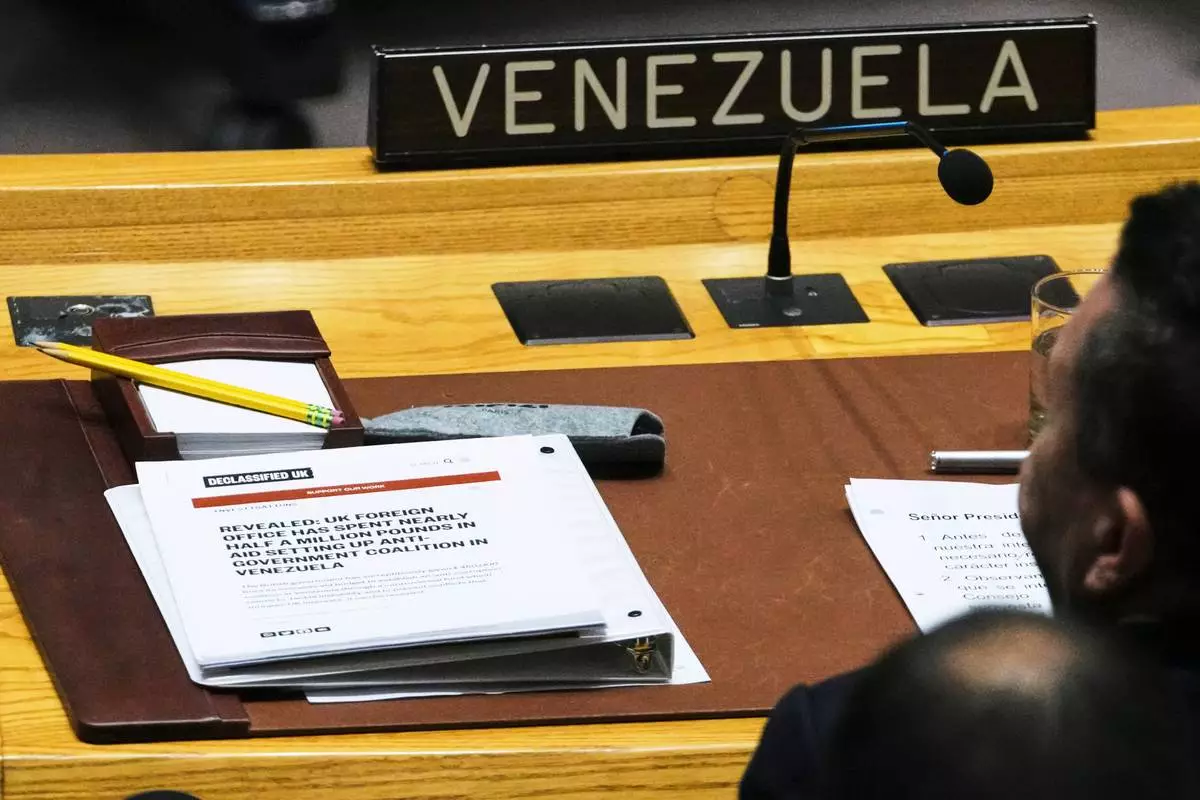
Venezuela's U.N. Ambassador Samuel Moncada attends a meeting of the Security Council Monday, Jan. 5, 2026 at U.N. headquarters. (AP Photo/Frank Franklin II)
Venezuela's U.N. Ambassador Samuel Moncada attends a meeting of the Security Council Monday, Jan. 5, 2026 at U.N. headquarters. (AP Photo/Frank Franklin II)

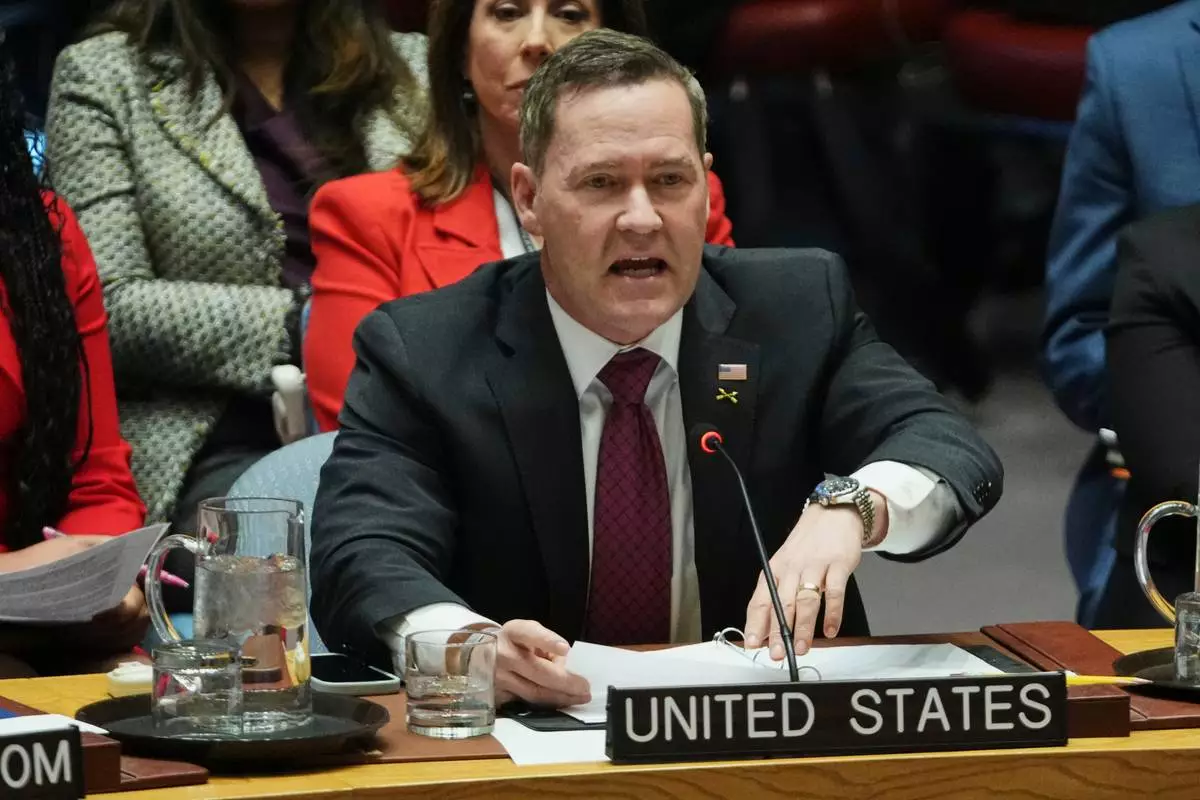
United States' Ambassador to the United Nations Michael Waltz addresses the Security Council Monday, Jan. 5, 2026 at U.N. headquarters. (AP Photo/Frank Franklin II)
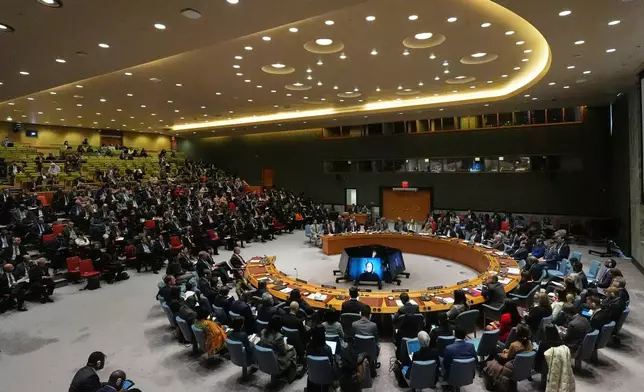
United States' Ambassador to the United Nations Michael Waltz addresses the Security Council Monday, Jan. 5, 2026 at U.N. headquarters. (AP Photo/Frank Franklin II)

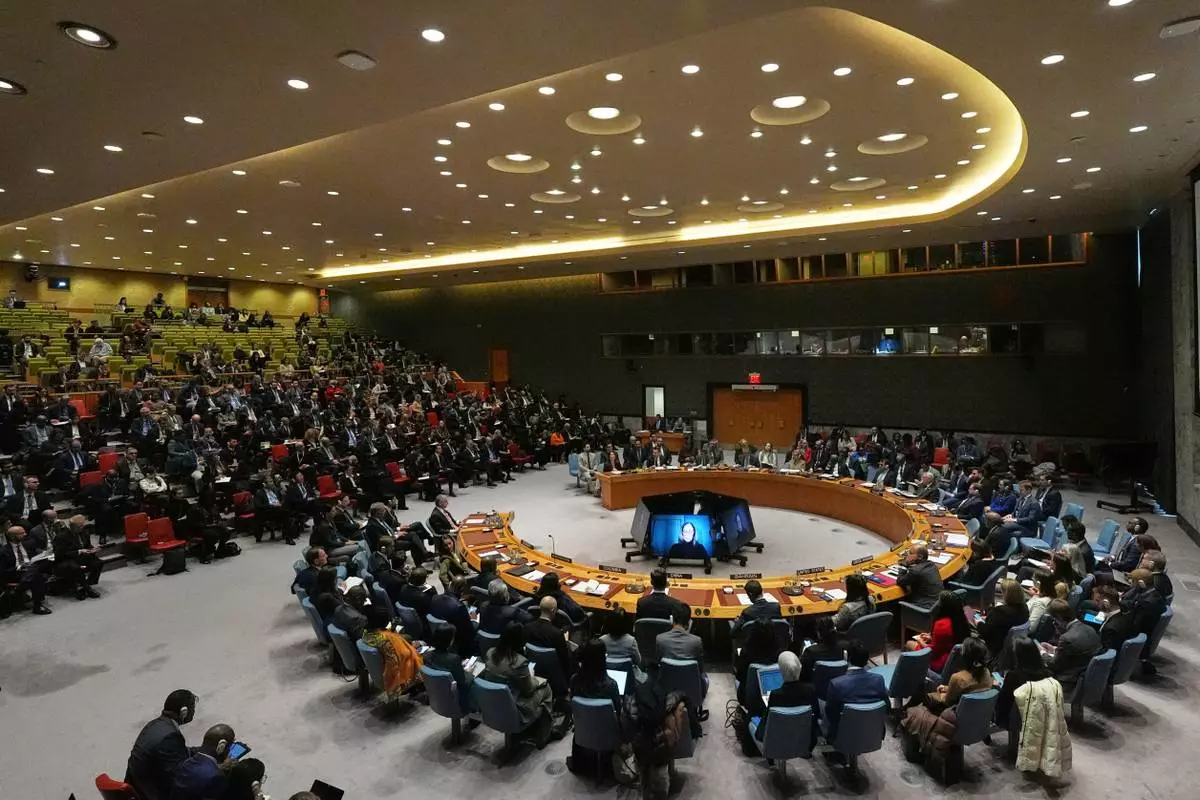
People listen as Venezuela's U.N. Ambassador Samuel Moncada speaks during a meeting of the Security Council Monday, Jan. 5, 2026 at U.N. headquarters. (AP Photo/Frank Franklin II)

People listen as Venezuela's U.N. Ambassador Samuel Moncada speaks during a meeting of the Security Council Monday, Jan. 5, 2026 at U.N. headquarters. (AP Photo/Frank Franklin II)

Denmark, which has jurisdiction over the mineral-rich island, carefully denounced U.S. prospects for taking over Greenland without mentioning its NATO ally by name.

“The inviolability of borders is not up for negotiation,” said Christina Markus Lassen, Danish ambassador to the U.N.

She also defended Venezuela's sovereignty, saying “no state should seek to influence political outcomes in Venezuela through the use of threat of force or through other means inconsistent with international law.”

While French President Emmanuel Macron recently endorsed Maduro's capture, its U.N. envoy was slightly more critical Monday, saying any violations of international law by the five permanent members of the U.N. Security Council, which include the U.S., erodes “the very foundation of the international order.”

“The military operation that has led to the capture of Maduro runs counter to the principle of peace dispute resolution and runs counter to the principle of non-use of force," said Jay Dharmadhikari, deputy French ambassador to the U.N.

U.S. envoy Mike Waltz defended the operation in Venezuela as a justified and “surgical law enforcement operation,” calling out the 15-member council for criticizing the targeting of Maduro.

“If the United Nations in this body confers legitimacy on an illegitimate narco-terrorist with the same treatment in this charter of a democratically elected president or head of state, what kind of organization is this?” said Waltz, who is Trump’s former national security adviser.

Maduro's 2024 reelection was widely disputed.

U.N. Secretary-General Antonio Guterres said in a statement that he is “deeply concerned that rules of international law have not been respected with regard to the 3 January military action.” He said the “grave” action by the U.S. could set a precedent for how future relations between nations unfold.

Even with the strong support for Venezuela's sovereignty, its envoy called on the U.N. to go beyond veiled comments and condemnation. Ambassador Samuel Moncada urged the Security Council to demand that Washington release Maduro and his wife.

“If the kidnapping of a head of state, the bombing of a sovereign country and the open threat of further armed action are tolerated or downplayed, the message sent to the world is a devastating one: namely that the law is optional, and that force is the true arbiter of international relations,” Moncada said.

He warned that other countries can’t afford to look away: “Accepting such a logic would mean to open the door to a deeply unstable world.”

Neighboring Colombia described the raid as reminiscent of “the worst interference in our area in the past.”

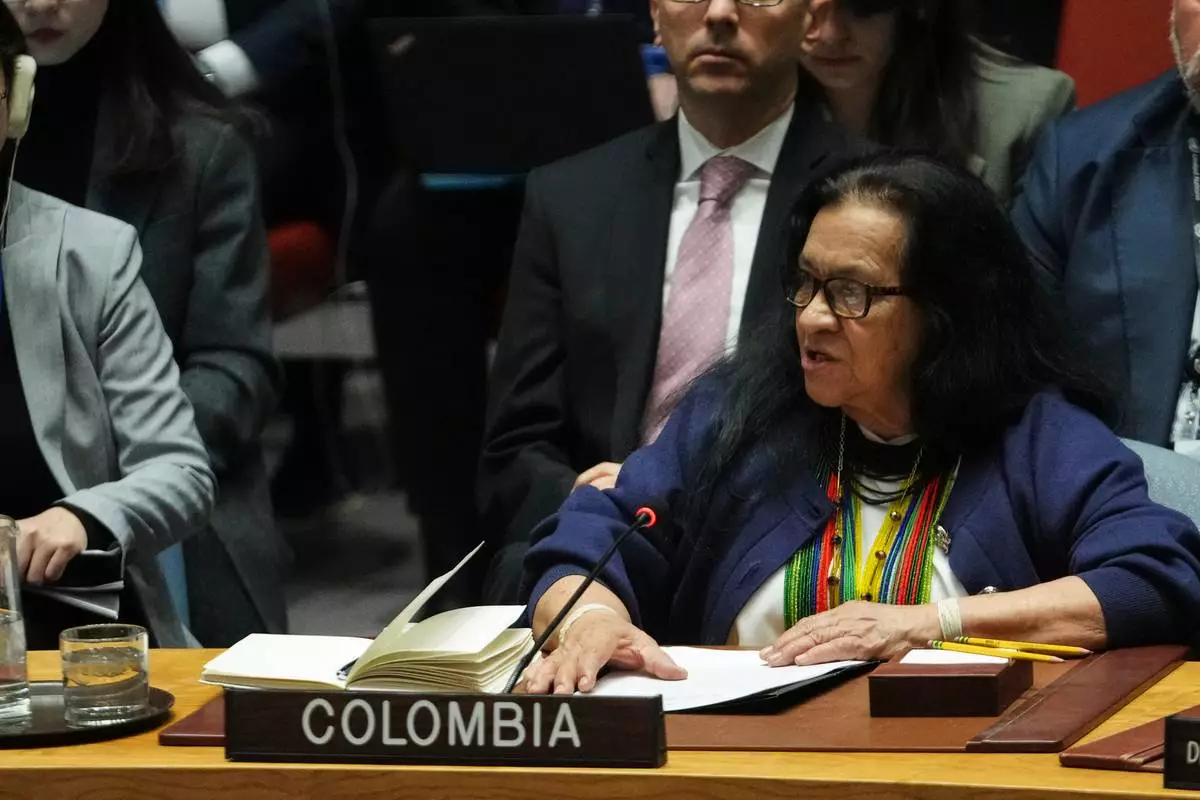
“Democracy cannot be defended or promoted through violence and coercion, and it cannot be superseded, either, by economic interests,” Ambassador Leonor Zalabata said.

The biggest critics of U.S. foreign policy, China and Russia, which are also permanent members of the Security Council, called for the U.N. body to unite in rejecting America turning back to an “era of lawlessness.”

Maduro, like his predecessor, forged a close relationship with Russia, while China was the main destination for most Venezuelan oil.

“We cannot allow the United States to proclaim itself as some kind of a supreme judge, which alone bears the right to invade any country, to label culprits, to hand down and to enforce punishments irrespective of notions of international law, sovereignty and nonintervention,” Russian ambassador Vassily Nebenzia said.

His own country’s 2022 invasion of Ukraine has drawn widespread condemnation within the U.N. and from the U.S., although the Trump administration is engaging with Russia in hopes of brokering an end to the fighting.

The U.S. seized Maduro and his wife early Saturday from their home on a military base and put them aboard a U.S. warship to face prosecution in New York in a Justice Department indictment accusing them of participating in a narco-terrorism conspiracy. Maduro declared his innocence during his first appearance in a Manhattan courthouse Monday.

His stunning removal came after months of the U.S. amassing a military presence off Venezuela’s coast and blowing up alleged drug trafficking boats. Trump has insisted that the U.S. would run Venezuela at least temporarily and tap its vast oil reserves to sell to other nations.

Secretary of State Marco Rubio, however, says the U.S. would enforce an oil quarantine that was already in place on sanctioned tankers and use that leverage to press policy changes in Venezuela.

This article has been changed to correct the spelling of Russian ambassador Vassily Nebenzia's name.
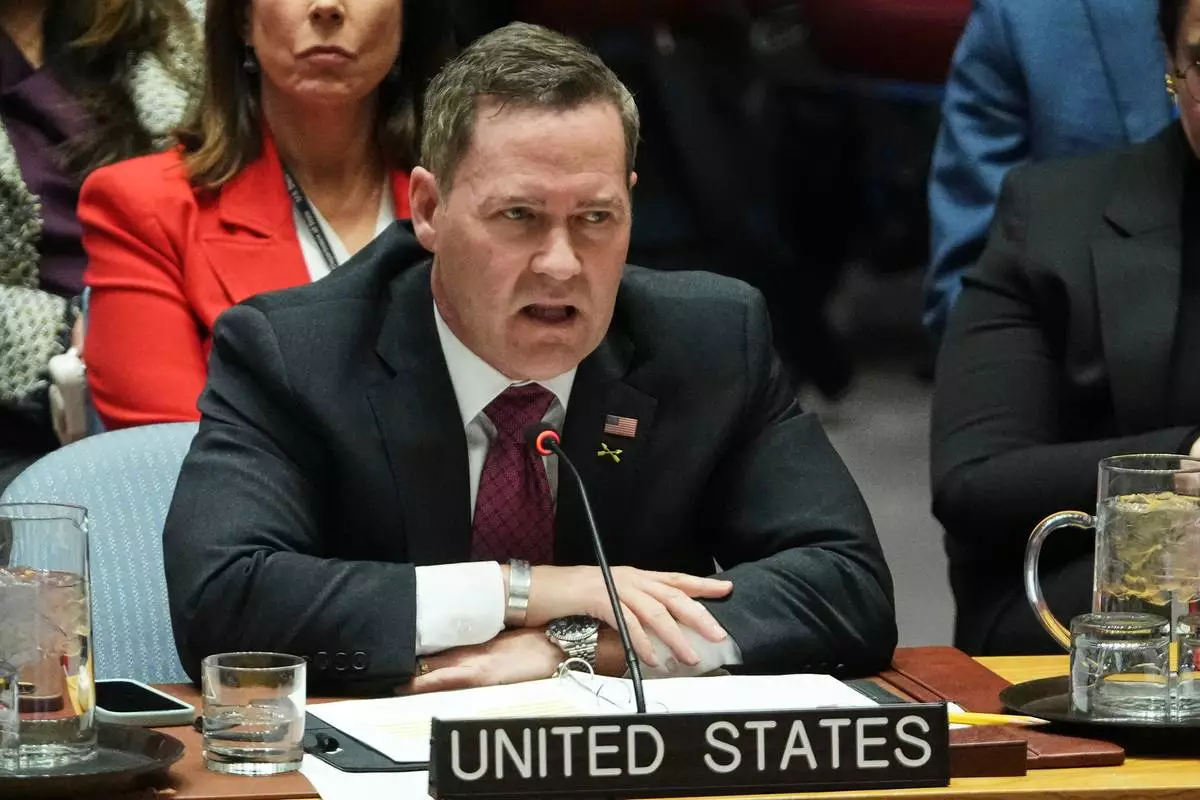
United States' Ambassador to the United Nations Michael Waltz addresses the Security Council Monday, Jan. 5, 2026 at U.N. headquarters. (AP Photo/Frank Franklin II)
United States' Ambassador to the United Nations Michael Waltz addresses the Security Council Monday, Jan. 5, 2026 at U.N. headquarters. (AP Photo/Frank Franklin II)

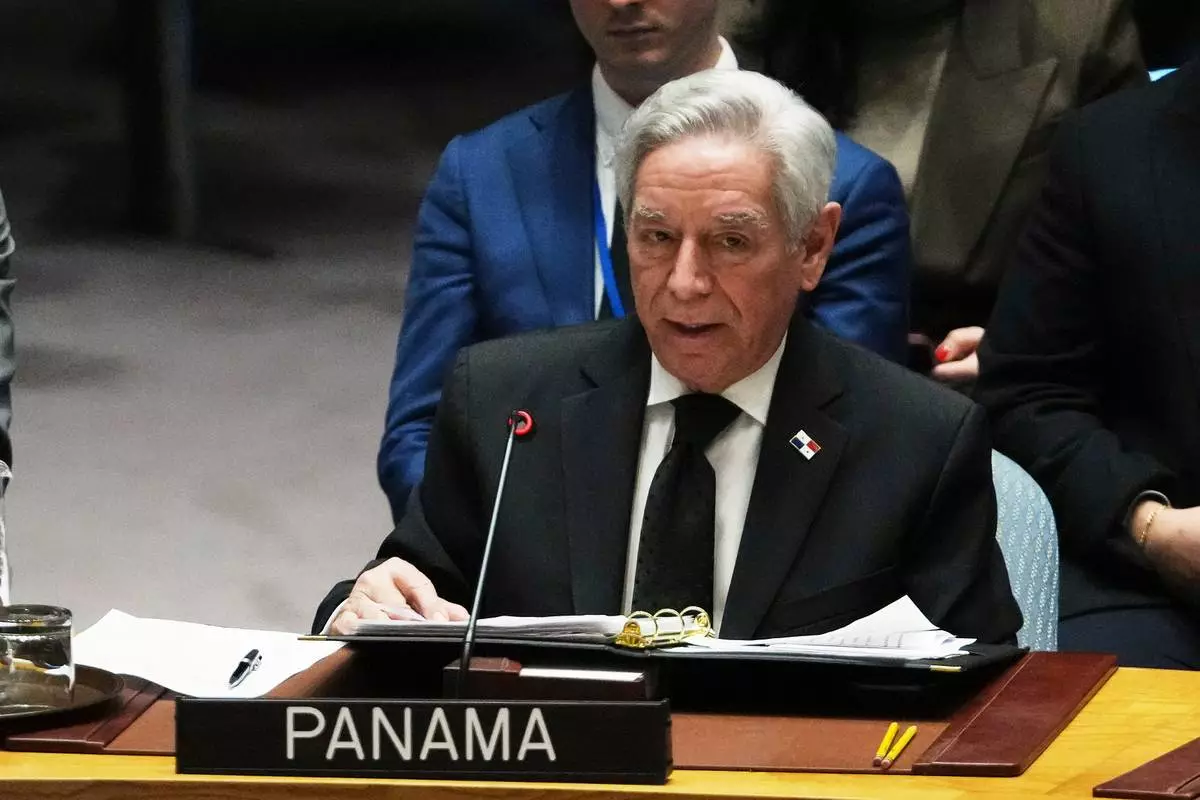
Panama UN Ambassador Eloy Alfaro De Alba speaks during a meeting of the Security Council Monday, Jan. 5, 2026 at U.N. headquarters. (AP Photo/Frank Franklin II)
Panama UN Ambassador Eloy Alfaro De Alba speaks during a meeting of the Security Council Monday, Jan. 5, 2026 at U.N. headquarters. (AP Photo/Frank Franklin II)

Colombia's ambassador to the U.N. Leonor Zalabata addresses the Security Council Monday, Jan. 5, 2026 at U.N. headquarters. (AP Photo/Frank Franklin II)
Colombia's ambassador to the U.N. Leonor Zalabata addresses the Security Council Monday, Jan. 5, 2026 at U.N. headquarters. (AP Photo/Frank Franklin II)

Venezuela's U.N. Ambassador Samuel Moncada attends a meeting of the Security Council Monday, Jan. 5, 2026 at U.N. headquarters. (AP Photo/Frank Franklin II)
Venezuela's U.N. Ambassador Samuel Moncada attends a meeting of the Security Council Monday, Jan. 5, 2026 at U.N. headquarters. (AP Photo/Frank Franklin II)

United States' Ambassador to the United Nations Michael Waltz addresses the Security Council Monday, Jan. 5, 2026 at U.N. headquarters. (AP Photo/Frank Franklin II)
United States' Ambassador to the United Nations Michael Waltz addresses the Security Council Monday, Jan. 5, 2026 at U.N. headquarters. (AP Photo/Frank Franklin II)

People listen as Venezuela's U.N. Ambassador Samuel Moncada speaks during a meeting of the Security Council Monday, Jan. 5, 2026 at U.N. headquarters. (AP Photo/Frank Franklin II)
People listen as Venezuela's U.N. Ambassador Samuel Moncada speaks during a meeting of the Security Council Monday, Jan. 5, 2026 at U.N. headquarters. (AP Photo/Frank Franklin II)
WASHINGTON (AP) — The United States and Iran appeared to be moving closer Wednesday to an initial agreement to end the war, as U.S. President Trump sought to pressure Tehran with threats of a new wave of bombing if a deal is not reached.

Trump posted on social media that the two-month war could soon end and that oil and natural gas shipments disrupted by the conflict could restart. But he said that depends on Iran accepting a reported agreement that the president did not detail.

“If they don’t agree, the bombing starts,” Trump wrote.

Trump made his latest comments after he suspended a short-lived U.S. effort to force open a safe passage for commercial ships through the Strait of Hormuz, a vital waterway through which major oil and gas supplies, fertilizer and other petroleum products passed before the war.

Iran’s effective closure of the strait has sent fuel prices skyrocketing, rattled the global economy and put enormous economic pressure on countries, including major powers such as China.

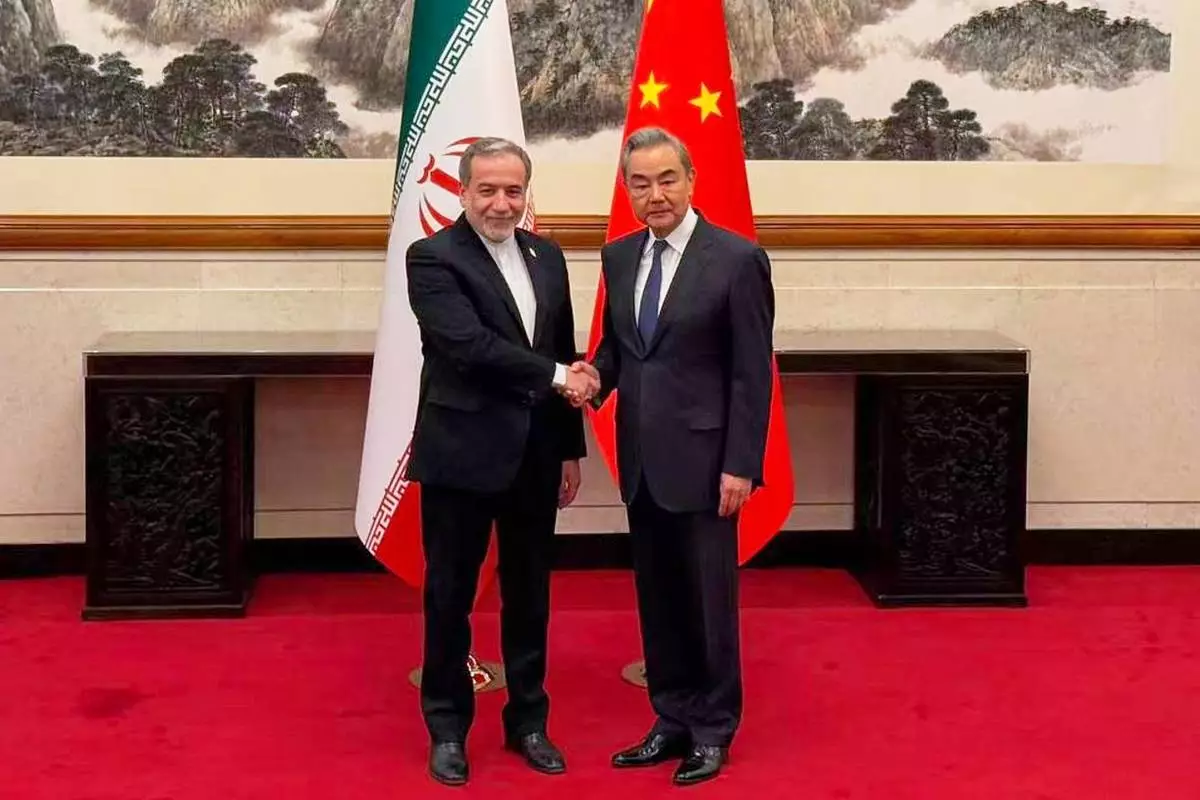
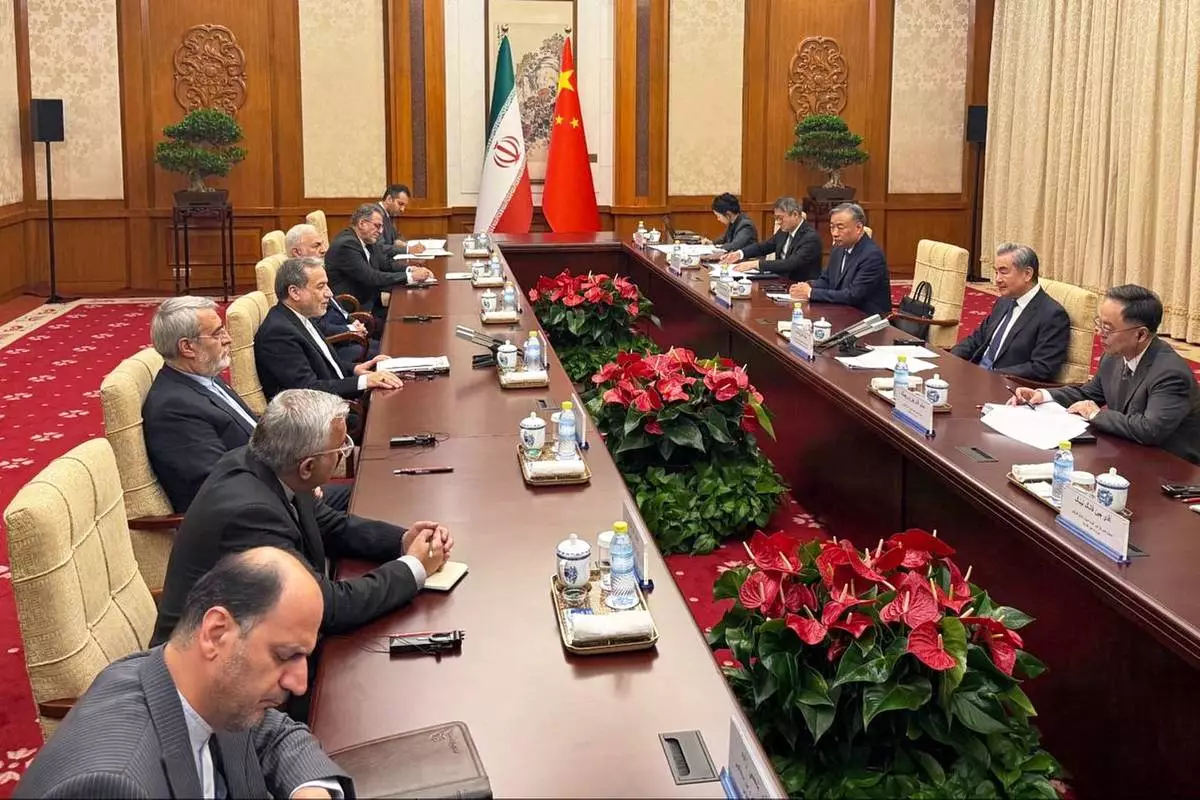
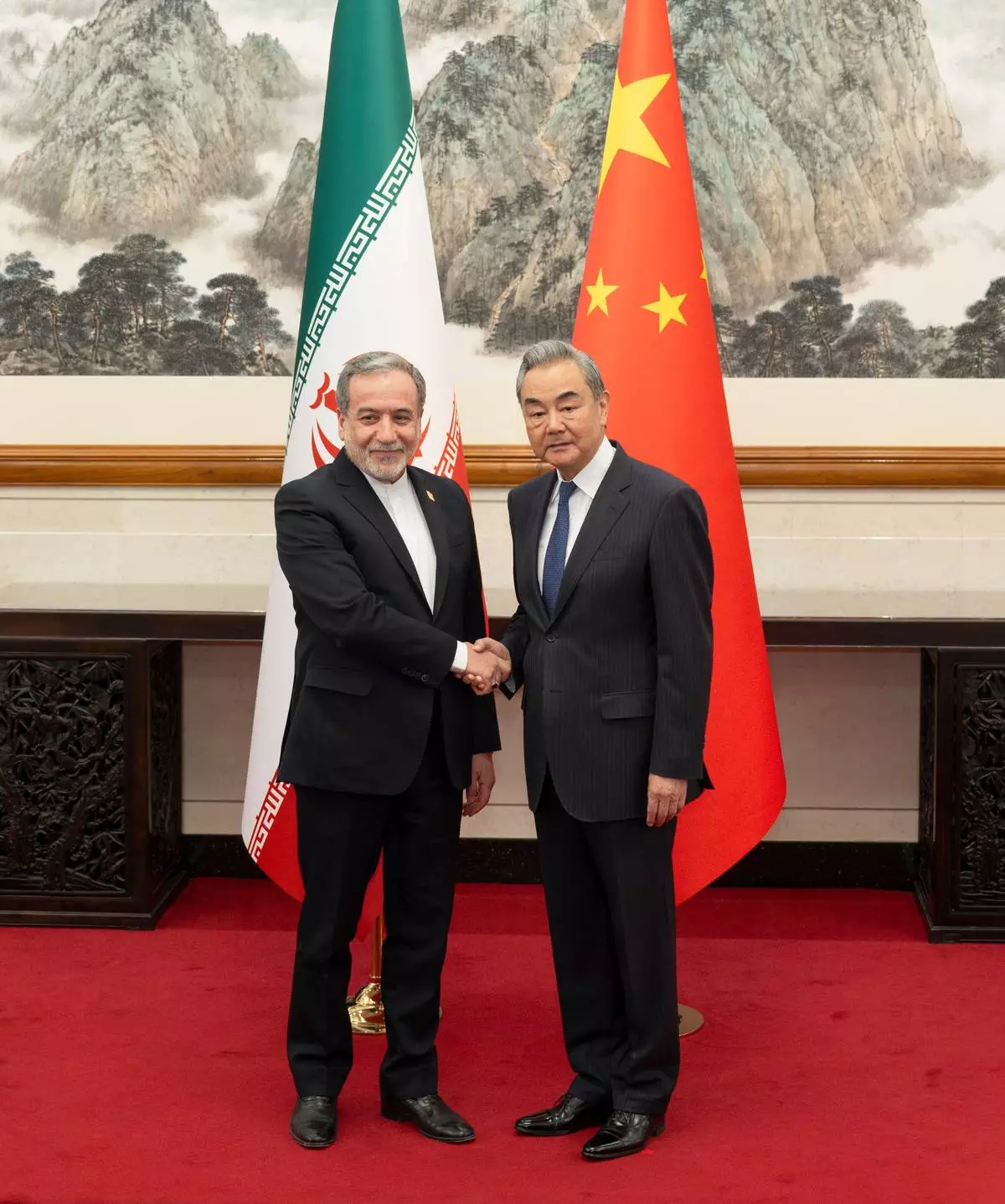
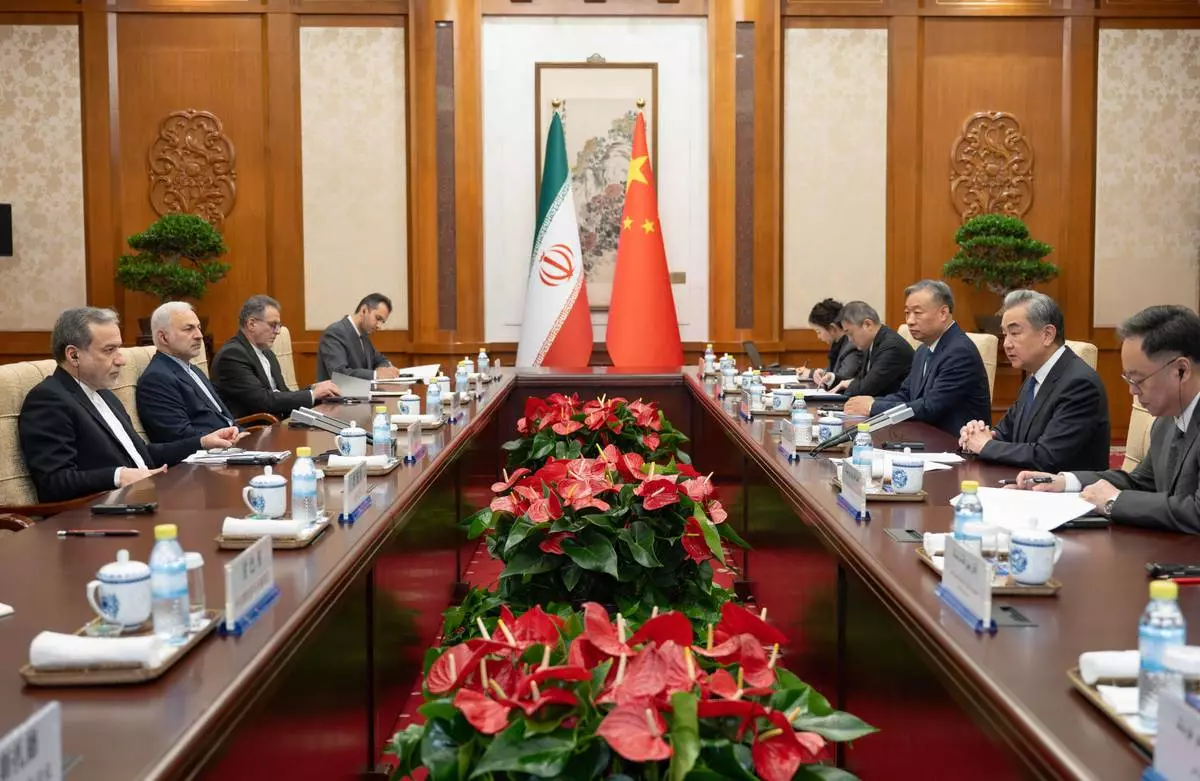
China's foreign minister called for a comprehensive ceasefire Wednesday after meeting in Beijing with Iran's top envoy. Wang Yi said his country was “deeply distressed” by the conflict, which began Feb. 28 when the U.S. and Israel launched strikes against Iran.

China’s close economic and political ties to Tehran give it a unique position of influence. The Trump administration is pressing China to use that relationship to urge the Islamic Republic to open the strait.

The White House believes it is near an agreement with Iran on a one-page memorandum to end the war, according to reporting by Axios. There is not an agreement yet, but the provisions include a moratorium on Iranian uranium enrichment, lifting of U.S. sanctions, distribution of frozen Iranian funds and opening the strait for ships.

The White House did not immediately respond to questions about the possible agreement.

Trump said in his social media post that it was “perhaps a big assumption” that Iran would agree to the terms being offered by the United States.

“If they don’t agree, the bombing starts, and it will be, sadly, at a much higher level and intensity than it was before,” Trump said.

A shaky ceasefire between the U.S. and Tehran has largely held since it began April 8. Pakistan hosted in-person talks last month between Iran and a U.S. delegation led by Vice President JD Vance, but the talks failed to result in a deal.

Iranian Foreign Minister Abbas Araghchi's visit to China was his first since the war began.

His arrival came ahead of a planned visit by Trump to Beijing for a high-profile summit on May 14 and 15 with Chinese President Xi Jinping. The trip would be Trump’s first to China during his second term and the first by a U.S. president since Trump visited in 2017.

“We believe that a comprehensive ceasefire is urgently needed, that a resumption of hostilities is not acceptable, and that it is particularly important to remain committed to dialogue and negotiations,” Wang said in a video of the meeting.

The Chinese foreign minister said the conflict “has not only caused serious losses to the Iranian people, but also had a severe impact on regional and global peace.”

In a televised interview with Iran’s state media from Beijing, Araghchi said his visit included discussions of the Strait of Hormuz as well as Iran's nuclear program and sanctions imposed on Tehran.

Iran has attained “an elevated international standing” after the war, having proven its capabilities and strength, Araghchi said.

U.S. Secretary of State Marco Rubio expressed hope that Beijing would reiterate the need for Iran to release its chokehold on the strait, its main source of leverage, as Trump demands a major rollback of its disputed nuclear program.

A statement published on the Chinese Foreign Ministry's website said China values Iran’s pledge not to pursue nuclear weapons while affirming its “legitimate right to the peaceful use of nuclear energy.”

Hundreds of merchant ships remain bottled up in the Persian Gulf, unable to reach the open sea without passing through the Strait of Hormuz.

The U.S. said it had opened a safe shipping lane through the strait Monday and sunk six small Iranian boats that had threatened commercial ships. But Trump announced Tuesday he was pausing the effort, dubbed Project Freedom, to see whether an agreement with Tehran on ending the war could be reached.

A cargo container ship operated by the CMA GGM Group was damaged, and multiple crew members were wounded when it came under attack while transiting the strait Tuesday, the French shipping company said without providing details. It said the injured crew members were taken off the ship and are receiving medical treatment.

Oil prices and shipping will not likely return to normal until the risk of attacks in the strait has receded, said Kaho Yu, head of energy and resources at risk intelligence company Verisk Maplecroft.

“Refiners, shippers and commodity traders will remain cautious until there is clearer evidence that Hormuz disruptions will not re-escalate,” he said.

Among them is Hapag-Lloyd, one of the world's largest shipping companies. It said in a statement that the strait's shutdown is costing it around $60 million per week, with rising fuel and insurance costs hitting particularly hard. The company said alternate routes to other harbors or over land are limited.

Only two American-flagged merchant ships are known to have passed through the U.S.-guarded route.

An oil and chemical tanker operated by Crowley-Stena Marine Solutions safely exited the Persian Gulf on Monday, the company confirmed. Shipping company Maersk earlier said one of its vehicle carriers had also transited the strait “accompanied by U.S. military assets.”

The spot price of Brent crude oil, the international standard, fell to around $100 per barrel Wednesday, easing significantly from big price jumps earlier in the week. The prices are still well above the roughly $70 a barrel that crude was selling for before the war began.

Castillo reported from Beijing and Bynum reported from Savannah, Georgia. Associated Press writers Elena Becatoros in Athens, Greece; Munir Ahmed in Islamabad; Toqa Ezzidin in Cairo; David McHugh in Frankfurt, Germany; and Adam Schreck in Dubai, United Arab Emirates, contributed to this report.

In this photo released by the Telegram channel of Iranian Foreign Minister Abbas Araghchi, China's Foreign Minister Wang Yi, second from right, meets with Iran's Foreign Minister Abbas Araghchi, center left, and their delegations in Beijing, China, Wednesday, May 6, 2026. (Telegram channel of the Iranian Foreign Minister via AP)

In this photo released by the Telegram channel of Iranian Foreign Minister Abbas Araghchi, China's Foreign Minister Wang Yi, second from right, meets with Iran's Foreign Minister Abbas Araghchi, center left, and their delegations in Beijing, China, Wednesday, May 6, 2026. (Telegram channel of the Iranian Foreign Minister via AP)

In this photo released by Xinhua News Agency, Iranian Foreign Minister Abbas Araghchi, left, is greeted by his Chinese counterpart Wang Yi prior to their bilateral meeting in Beijing, Wednesday, May 6, 2026. (Cai Yang/Xinhua via AP)

In this photo released by Xinhua News Agency, Iranian Foreign Minister Abbas Araghchi, left, is greeted by his Chinese counterpart Wang Yi prior to their bilateral meeting in Beijing, Wednesday, May 6, 2026. (Cai Yang/Xinhua via AP)

In this photo released by Xinhua News Agency, Chinese Foreign Minister Wang Yi, second right, talks to his Iranian Counterpart Abbas Araghchi, left, during the bilateral meeting in Beijing, Wednesday, May 6, 2026. (Cai Yang/Xinhua via AP)

In this photo released by Xinhua News Agency, Chinese Foreign Minister Wang Yi, second right, talks to his Iranian Counterpart Abbas Araghchi, left, during the bilateral meeting in Beijing, Wednesday, May 6, 2026. (Cai Yang/Xinhua via AP)

In this photo released by the Telegram channel of Iranian Foreign Minister Abbas Araghchi, China's Foreign Minister Wang Yi, right, meets with Iran's Foreign Minister Abbas Araghchi in Beijing, China, Wednesday, May 6, 2026. (Telegram channel of the Iranian Foreign Minister via AP)

In this photo released by the Telegram channel of Iranian Foreign Minister Abbas Araghchi, China's Foreign Minister Wang Yi, right, meets with Iran's Foreign Minister Abbas Araghchi in Beijing, China, Wednesday, May 6, 2026. (Telegram channel of the Iranian Foreign Minister via AP)

Recommended Articles