BOSTON--(BUSINESS WIRE)--Jan 6, 2026--
Ibex Medical Analytics, the global leader in clinical-grade AI-powered pathology, today announced a significant expansion of its biopharma business. Building on its successful collaborations in late-stage biomarker development, Ibex is now extending its platform into earlier translational research, biomarker development, and trial-efficiency optimization.
This press release features multimedia. View the full release here: https://www.businesswire.com/news/home/20260106469089/en/
Ibex’s high-performance AI platform—already deployed across more than 50 health systems worldwide and used in collaboration with major industry organizations such as Philips and Roche —now supports exploratory, preclinical, and clinical evidence generation, while providing a seamless foundation for future companion diagnostic (CDx) programs.
"In an era where modalities like antibody-drug conjugates (ADC), immune-modulating agents, and molecularly guided therapies are reshaping oncology, the field needs biomarkers that match the complexity of our treatments and enable adequate patient selection”, says Paolo Tarantino, M.D., Research and Clinical Fellow at Dana-Farber Cancer Institute and Harvard Medical School. “AI-based biomarker platforms can integrate multiple dimensions of cancer biology in a rapid, objective, and reliable way, offering a terrific opportunity to enhance treatment tailoring. This platform has the potential to transform both early and late drug development, further accelerating drug development and ensuring precision in oncology."
New Analytical Modules
Ibex will be introducing new and expanded AI modules relevant to high-priority therapeutic areas, such as:
These modules are developed under ISO 13485-aligned design control, in an IVD-ready architecture, and supported by fully versioned pipelines and audit trails that meet global regulatory expectations.
“Pharma needs partners that can support biomarker innovation from the earliest exploratory work to fully regulated CDx programs. With our proven execution in late-stage development including FDA and CE-IVDR clearances, and as we strengthen our translational capabilities, we are uniquely positioned to accelerate drug development pipelines and improve evidence quality worldwide,” remarks Joseph Mossel, Co-Founder & CEO, Ibex Medical Analytics.
A Platform Built for Security, Scale, and Global Deployment
With next-generation enterprise security, validated through detailed big-pharma due diligence—including IT security, supplier risk, and privacy assessments, the system can be deployed in dedicated virtual private clouds, on-prem, hybrid, or air-gapped environments and is compatible with leading WSI scanners, DICOM-DP infrastructure, HL7/FHIR workflows, and structured outputs for regulated trial endpoints.
Learn more at: https://ibex-ai.com/biopharma/
About Ibex Medical Analytics
Ibex is a global leader in clinical-grade AI for pathology, with deployed solutions in over 50 health systems and partnerships spanning life-science companies, reference laboratories, and digital pathology vendors. Ibex’s platform supports biomarker discovery, clinical trial efficiency, and CDx-ready evidence generation, backed by an ISO 13485-compliant QMS.
The Ibex platform includes solutions that are CE-IVD certified and registered with the UK MHRA, TGA in Australia and ANVISA in Brazil. It includes a solution that is FDA cleared and others that are Research Use Only (RUO) in the United States.

Ibex's platform now extends to earlier translational research, biomarker development, and trial-efficiency optimization
WASHINGTON (AP) — President Donald Trump is attending the dignified transfer Wednesday of four U.S. service members killed in the Middle East.
Trump will be at Dover Air Force Base in Delaware when the remains of the troops killed in action are returned to their families, the White House said. The ritual is one of the most somber duties of a commander-in-chief. It will be the third that Trump has attended since he launched the war in Iran in February.
Speaking to reporters on his way to Dover, Trump called it “one of the hardest things to do as a president.” His message to grieving families, he said, will simply be “we love you, we love your child.”
“There’s no games, there’s no nothing — that’s their child,” Trump said. “And all you can do is throw out your heart.”
Two U.S. Army soldiers killed in Iranian missile and drone attacks in Jordan will be returned during the dignified transfer, according to an administration official who was not authorized to discuss it publicly and spoke on condition of anonymity.
The remains of a third service member who is believed to be the soldier missing after the Jordan attacks will also be returned, the official said, as well as the remains of a soldier killed in Iraq during a detonation of an Iranian drone.
The soldiers killed in Jordan were identified by the Defense Department as Tyler James Feehan, 25, of Ewa Beach, Hawaii, and Isabella Gonzales, 19, of Carrollton, Texas. The soldier who disappeared after the Jordan attacks and is now believed to be deceased is Angel S. Rampersad, 28, of Ozone Park, New York, the Defense Department said.
The soldier killed in Iraq was identified as Michael Emmanuel Swinton, 30, who lived in Spring Lake, North Carolina.
“We feel very badly, but you know, those great people, those great patriots were out there fighting so that Iran cannot have a nuclear weapon,” Trump told reporters on Sunday. He added that the U.S. was striking Iran “in honor” of the fallen troops.
The U.S. has launched multiple retaliatory strikes against Iran as an interim agreement to end the war falls apart. Trump on Monday said that every time Iran kills an American soldier, “they will pay for that killing many times over!”
Since the war began on Feb. 28, 18 U.S. service members have been killed.
Trump on Tuesday said that while almost all the incoming fire in Jordan was stopped, some made it through.
“They did slip something through in Jordan,” he said. “If we had other operators, you know, it would have not happened, unfortunately.”
He went on: “We’ve stopped almost everything, but when you let other people do your job with the United States — we let other people do the job — and sometimes it doesn’t work out so well.”
Trump did not elaborate on his comments, and it was not immediately clear who he was saying was responsible for protecting U.S. forces in Jordan.
Trump attended two previous dignified transfers since the outset of the war, most recently in March.
During the ritual, transfer cases draped with the American flag and holding the remains of the fallen soldiers are carried from the military aircraft that transported them to an awaiting vehicle to take them to the mortuary facility at the base. There, the service members are prepared for their final resting place.
Feehan, a first lieutenant who was killed Saturday, will be posthumously promoted to the rank of captain and awarded the Bronze Star, Purple Heart and Combat Action Badge. He was assigned out of Fort Bragg, North Carolina, to the 32nd Army Air and Missile Defense Command.
Gonzales, who was killed Friday, was a private with the 10th Army Air and Missile Defense Command in Ansbach, Germany. She graduated last year from Hebron High School in Carrollton, near Dallas, school officials said.
Rampersad, a sergeant who was believed to have been killed in Friday's attacks, was assigned to the 57th Air Defense Artillery Regiment, 52nd Air Defense Artillery Brigade, 10th Army Air and Missile Defense Command in Ansbach, Germany.
Swinton, a sergeant who was killed Sunday, will receive a Bronze Star, Purple Heart and Combat Action Badge, and will be promoted to staff sergeant. He enlisted in the Army in 2017 and was assigned to the 55th Air Defense Artillery Regiment, 108th Air Defense Artillery Brigade, out of Fort Bragg, North Carolina.
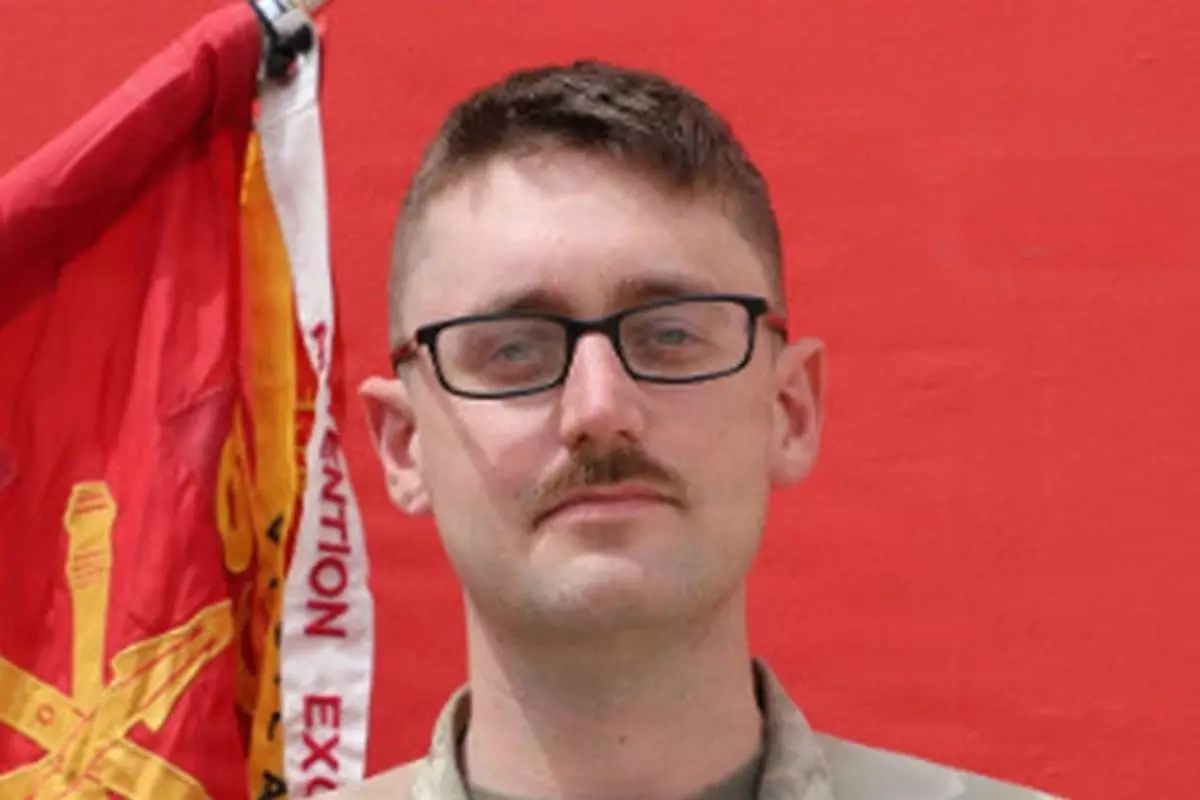
This undated photo provided by the U.S. Army Space and Missile Defense Command shows 1st Lt. Tyler James Feehan. (U.S. Army Space and Missile Defense Command via AP)
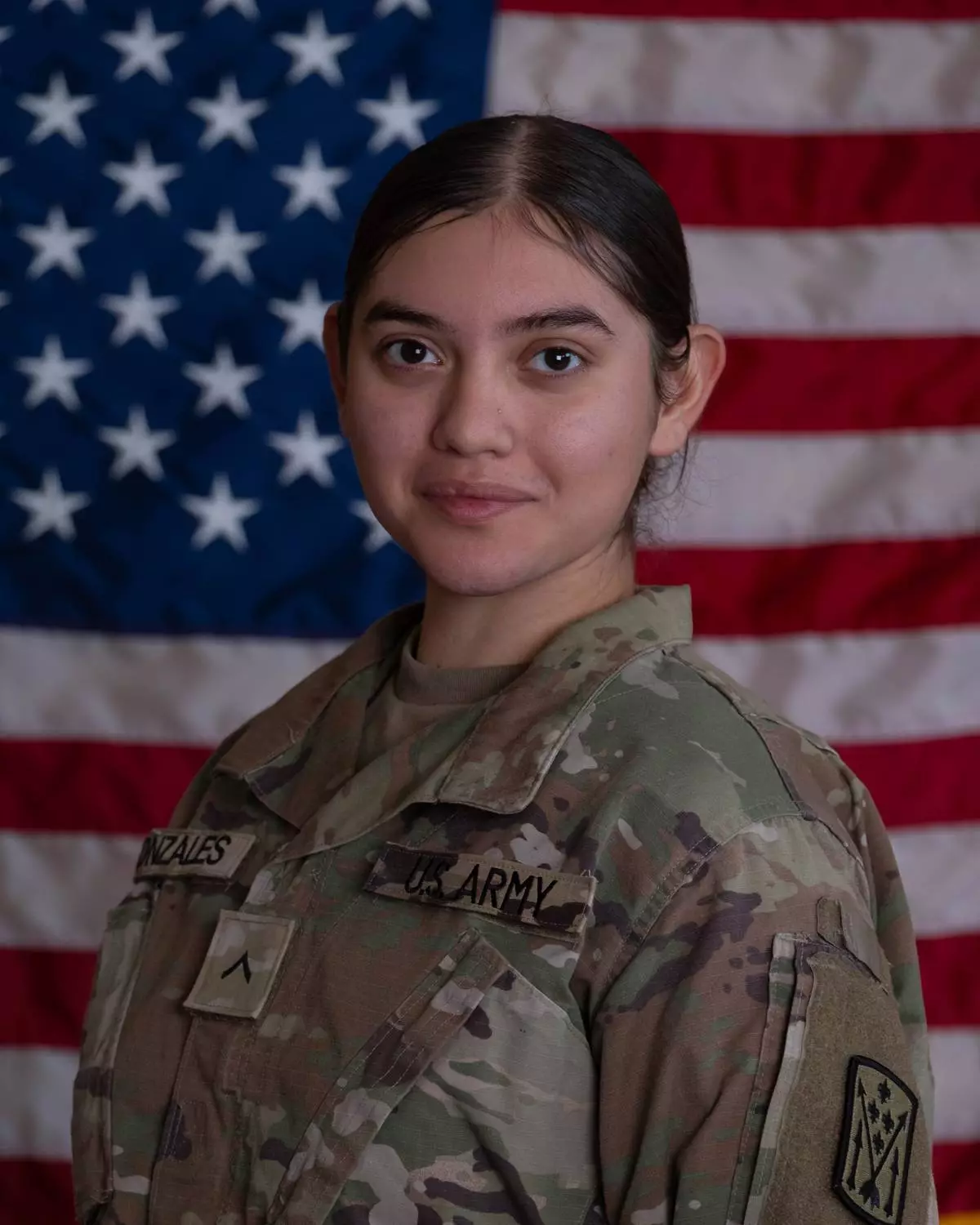
This undated image provided by the U.S. Army shows Pvt. Isabella Gonzales, 19, of Carrollton, Texas. (U.S. Army via AP)
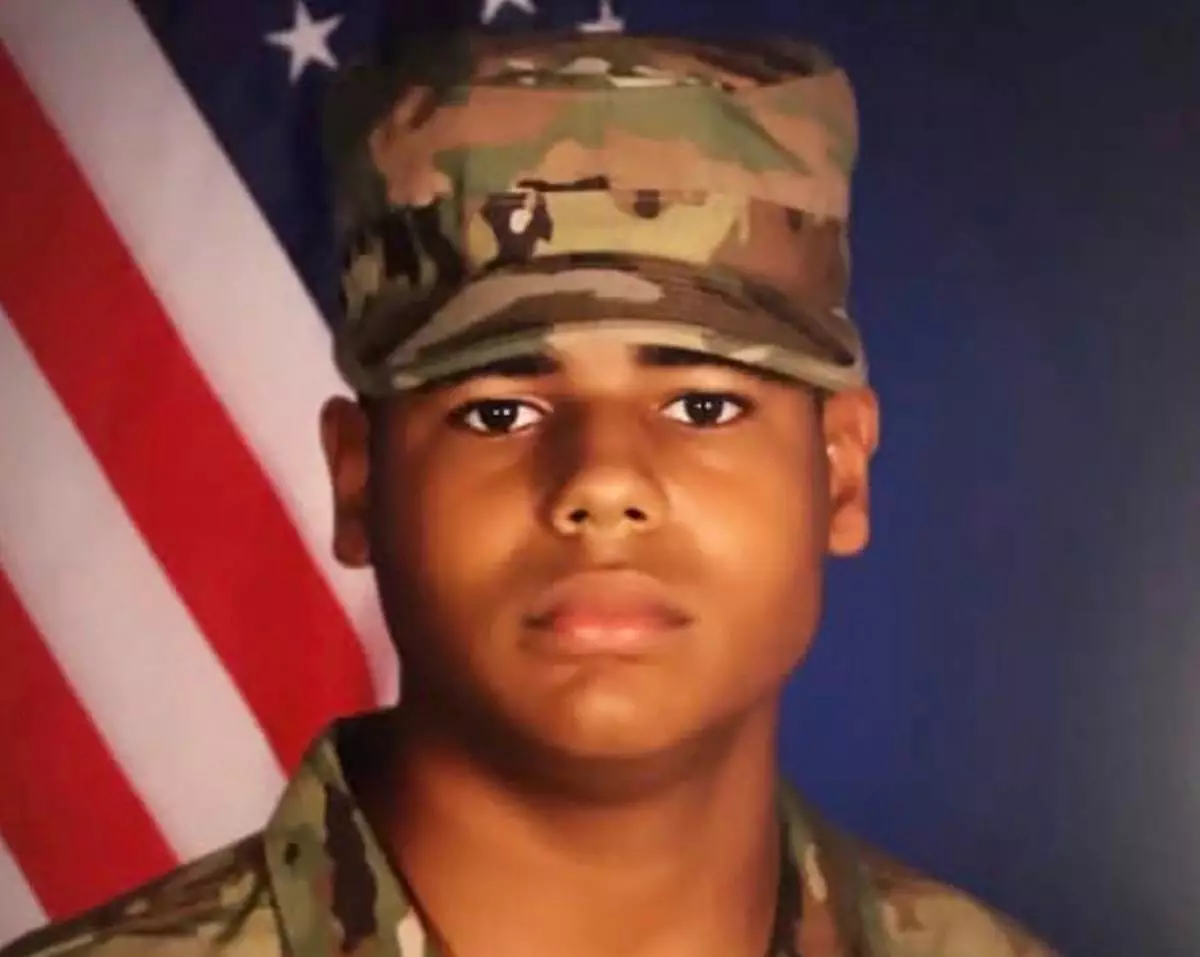
This undated photo provided by the U.S. Army Space and Missile Defense Command on Tuesday, July 21, 2026, shows Army Sgt. Michael Emmanuel Swinton. (U.S. Army Space and Missile Defense Command via AP)
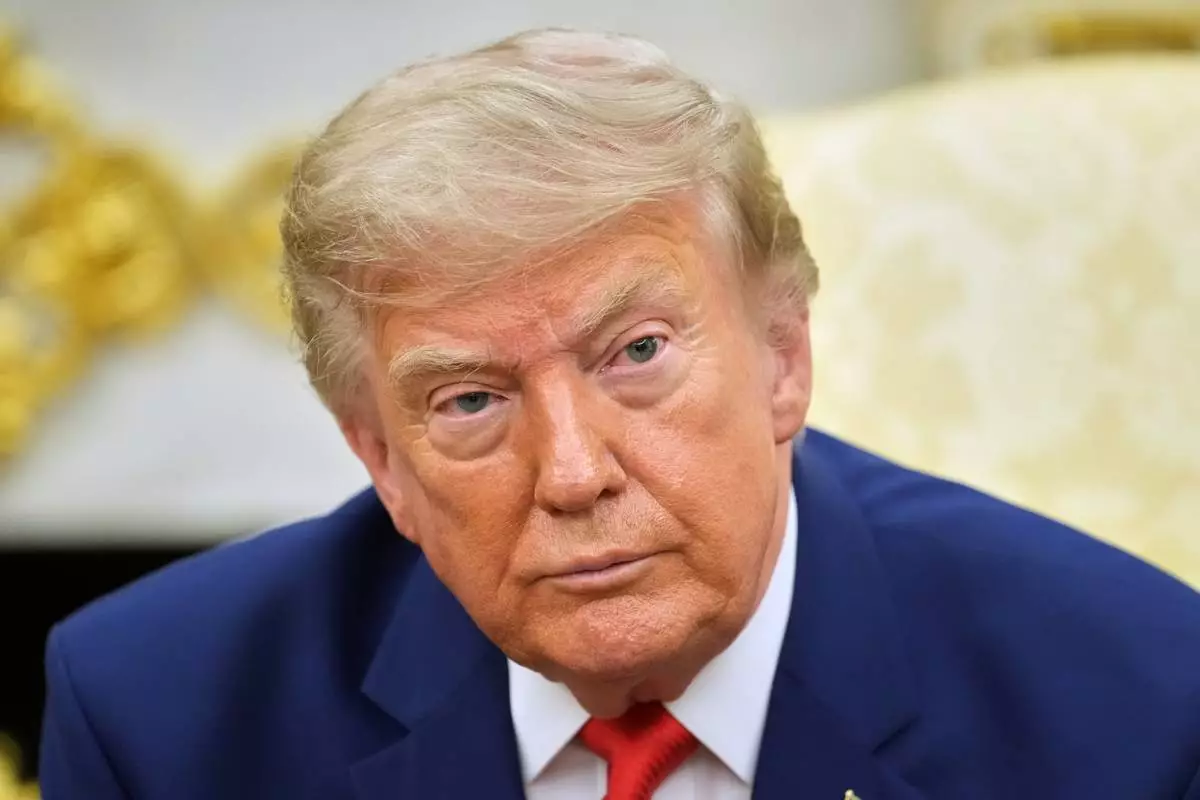
Lebanese President Joseph Aoun listens as he meets with President Donald Trump in the Oval Office at the White House, Tuesday, July 21, 2026, in Washington. (AP Photo/Mark Schiefelbein)