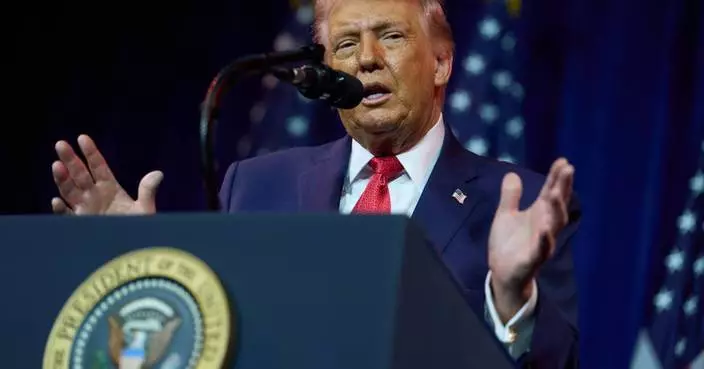
It's only been days since an audacious U.S. raid snatched Nicolás Maduro from a Venezuelan military base and sped him to a Brooklyn prison, yet Detroit-area Trump supporter Aaron Tobin can already see it all playing out on the big screen.
It'll be the subject of movies for years to come, he predicts. “I am thrilled.” Plenty of others who voted for President Donald Trump and spoke to The Associated Press about the raid are applauding, too — at least for now.
Click to Gallery
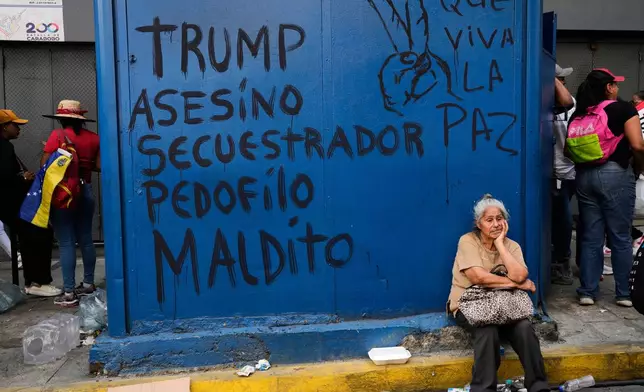
Graffiti that reads in Spanish, "Trump: murderer, kidnapper, pedophile, damned," left, and "Long live peace," covers a kiosk during a march to demand President Nicolas Maduro's return, in Caracas, Venezuela, Tuesday, Jan. 6, 2026, three days after U.S. forces captured him and his wife. (AP Photo/Matias Delacroix)
Graffiti that reads in Spanish, "Trump: murderer, kidnapper, pedophile, damned," left, and "Long live peace," covers a kiosk during a march to demand President Nicolas Maduro's return, in Caracas, Venezuela, Tuesday, Jan. 6, 2026, three days after U.S. forces captured him and his wife. (AP Photo/Matias Delacroix)
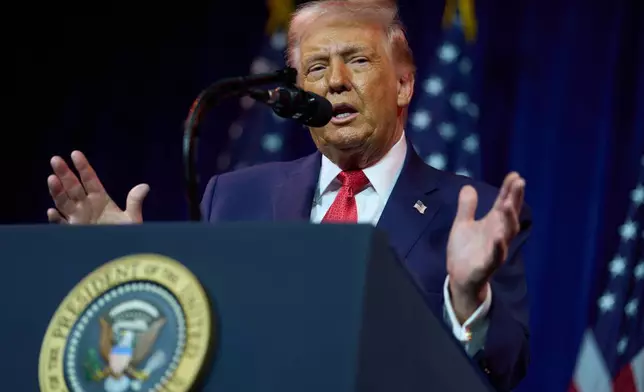
President Donald Trump speaks to House Republican lawmakers during their annual policy retreat, Tuesday, Jan. 6, 2026, in Washington. (AP Photo/Evan Vucci)
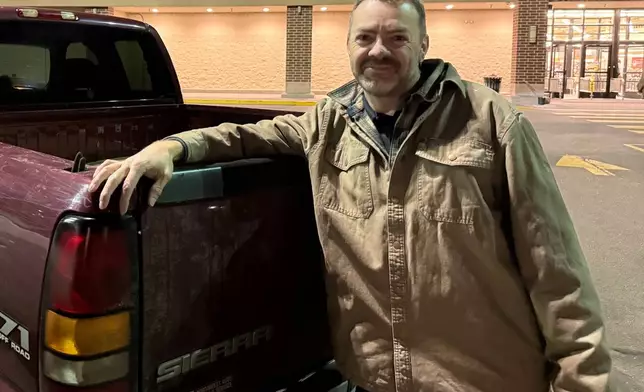
Travis Garcia, a 45-year-old supporter of President Donald Trump, poses for a picture as he leans against his pickup truck in Castle Rock, Colo., Jan. 5, 2026. (AP Photo/Jesse Bedayn)
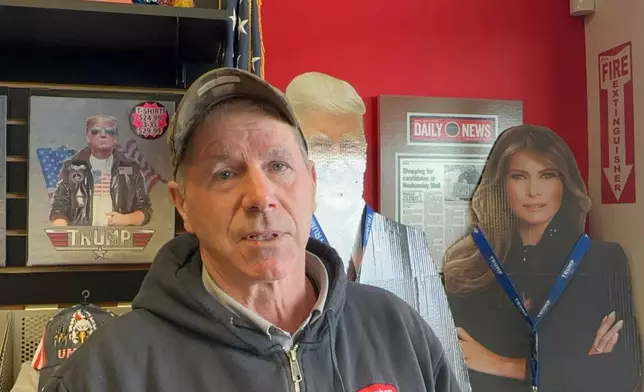
Aaron Tobin, a supporter of President Donald Trump, listens to a question during an interview, Jan. 5, 2026, in Bloomfield Hills, Mich. (AP Photo/Mike Householder)
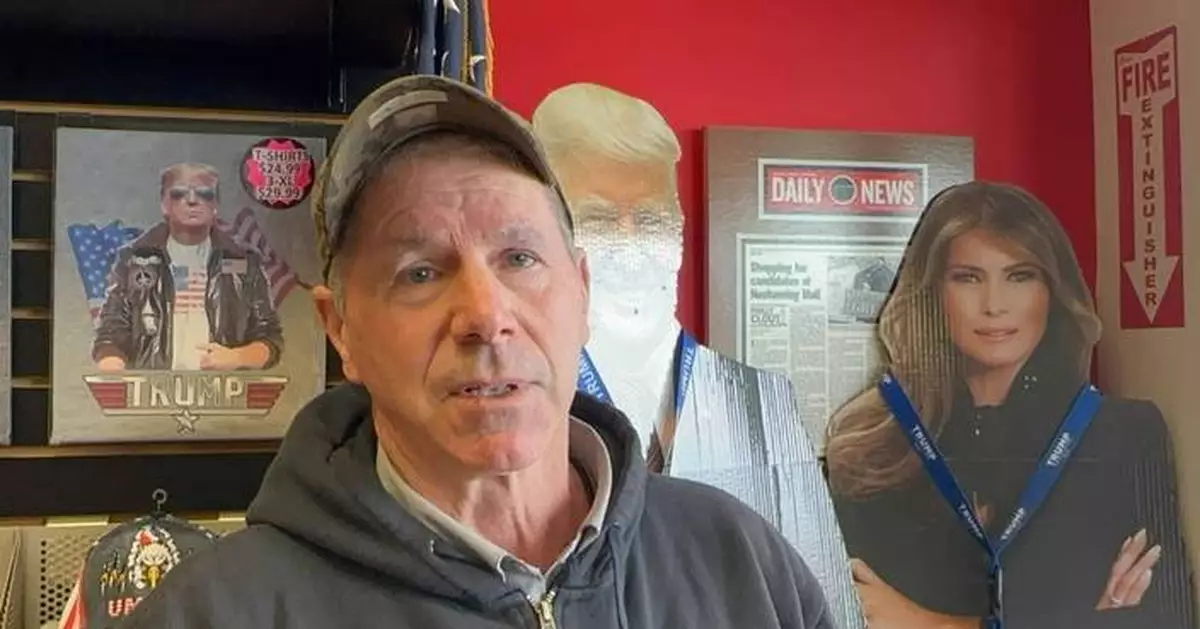
Paul Bonner, 67, talks at the Trump Store in Bensalem Pa., Monday, Jan. 5, 2026, looking for a Trump 2028 sign. Speaking about the U.S. raid that captured Venezuela's president. Bonner said he supports Trump "so far." (AP Photo/ Mike Catalini)
The seizure of Venezuela's authoritarian leader and his wife has forced another reckoning on the “Make America Great Again” coalition, already rocked by the Trump administration's handling of the Jeffrey Epstein files and strained by rising health insurance premiums and living costs.
Trump promised his voters that “America First” would stand against more foreign entanglements. Instead, he intervened with force and without congressional approval in a new frontier, a South American capital so far from Washington that Google Maps says it “can't seem to find a way there.”
The geopolitical action film that Tobin sees in his mind is only at its opening scene, before all the complexities of uprooting a foreign government by a U.S. president's fiat come rushing in. U.S. forces entered and exited swiftly. But what happens next?
Early on, the pushback from congressional Republicans and Trump's core constituencies has been guarded, in contrast to their uproar over the Epstein episode or the tensions coursing through Republican politics over the now-expired health insurance subsidies.
Against that backdrop, Trump voters interviewed by AP journalists around the country praised the operation and expressed faith in Trump's course. But not always limitless faith. They did not all back up Trump's claim that those who “voted for me are thrilled. They said, ‘This is what we voted for.’”
“I support him so far,” Paul Bonner, 67, told AP while browsing at a Trump merchandise store in Bensalem, Pennsylvania. “Until he messes up, I support him.”
Trump's apparent willingness to stay involved in Venezuela and his intensifying rhetoric about expanding U.S. power elsewhere in the hemisphere are making some of his die-hard supporters nervous.
Not all of them are reaching for the popcorn yet.
Chase Lewis, 24, of Philadelphia, Mississippi, said the move caught him off guard and he still isn’t sure whether he supports it. “It’s good that they’re finally freed from that dictatorship,” he said of Venezuelans, “but I don’t know what it’s going to cost us.”
He added: “I don’t want my friends that are serving right now to be dragged into a war because we went and stuck our nose in Venezuela’s business.” He noted that Trump had campaigned against starting new wars. “Depending on how you look at it,” he said, “this was an act of war.”
An electrician apprentice who gave up his delivery job because he needed to make more money, Lewis said he wants to see the Trump administration focus on bringing down costs for young people like himself. He also wants the president to make life better for veterans and worries about plunging the country into more conflicts.
To Trump voter Travis Garcia, leaning against his red pickup truck on a chilly evening in Castle Rock, Colorado, it’s a slam-dunk. “Of course I’m going to be happy that they captured a dictator that’s constantly sending drugs our way,” he said, “If we’re not gonna do it, who’s gonna do it?”
The 45-year-old, who works in remodeling, said the operation reinforces Trump's stature as “a powerful man who follows through on his word and isn’t going to be shy and timid and let other countries run the rules.”
Mary Lussier, 48, a flight attendant from the town of Larkspur, was so amazed by the success of the mission in Venezuela that she would be OK with more such operations. She recalled videos of Venezuelans tearfully celebrating Maduro's removal and said fewer bad leaders “would make the world a little bit lesser of a bad place.”
Still, Lussier wouldn’t want U.S. soldiers stuck in a prolonged conflict, and much of her admiration for the operation hinged less on the possible benefits to the U.S. than on the smooth efficiency and bravado of the raiders.
Outside a Safeway grocery store in Castle Rock, Patrick McCans, 66, said delicately that Trump's intervention was “a little contrary to what he campaigned on.”
“I would like to see more of a diplomatic way of making change,” said the retired engineer. Still, he said, pondering for a moment, “I think in this case it might have been warranted.”
Instead of playing ball, Maduro was “playing chicken with Trump, and Trump doesn’t like chicken,” he said, chuckling from beneath a Baltimore Ravens baseball cap.
The Colorado Trump supporters interviewed by AP all applauded the military operation’s smoothness and “class,” as one described it. But that support could waver if the U.S. is drawn into a longer conflict, which none of them would support.
Few mentioned Trump’s plans for Venezuela’s oil, but thought Maduro's removal would benefit citizens and slow the drug trade and immigration to the U.S.
At the Golden Dawn Diner in Levittown, Pennsylvania, Ron Soto, 88, expressed unreserved faith in the president's ability to manage what comes next. The retired tractor-trailer driver regularly visits the diner to meet friends, drink coffee and catch up.
Maduro is an “awful man,” he said. But should U.S. forces go into other countries, like Cuba, as it did in Venezuela? “I don’t think they’ll have to,” he said. “Because he (Trump) put the fear in them.”
As for Trump's comment at one point that his administration would “run” Venezuela, Soto said the president will “straighten that country out and make it into a democracy if he can. I don’t know if he can.”
At the Neshaminy Mall, in Bensalem, retired firefighter Kevin Carey, 62, pronounced himself supportive of what Trump did but aware of the risks.
“I wouldn’t say thrilled but I’m cautiously optimistic,” he said. Carey recalled the seizing of U.S. hostages by Iranian revolutionaries in 1979 as an indication of what might happen if the conflict escalates. But “he'll take all actions to avoid that, I believe,” he said of Trump.
On any further foreign intervention, Carey broke out laughing when he said: “He wants Greenland to be part of America!”
At the Trump merchandise store where Bonner shopped, banners and other items proclaiming “Trump 2028” are on display. Trump is constitutionally prohibited from running in 2028.
“I know he can’t run for president” in 2028, said Bonner, a propane company worker. Still, he wanted a lawn sign “just to irritate people” but didn't find one.
The crisp military operation plainly left him impressed. “They got in and they got out, did what they had to do,” he said. Of Maduro, he said: “He’s an enemy of the United States so I support Trump 100%.”
Exiting a Walmart in Martinsville, Indiana, Mark Edward Miller, 75, from nearby Mooresville, said the only thing that surprised him about Trump's intervention was that word of it did not leak in advance. The consistent Trump voter was an aircraft maintenance specialist in the Air Force before his retirement.
“I don’t feel like he’s actually taken over a country,” Miller said. “I believe that he’s doing exactly what our country should be doing — supporting, especially in our hemisphere, governments that are friendly with us” and challenging those that are hostile.
Tobin, the man in Michigan who sees a cinematic future for the raid, not only approved of the operation but wants more of them.
“Especially if they were as successful as this last one where we didn’t lose any troops, we didn’t lose any planes or ships,” Tobin said during a visit to the Oakland County Republican Party headquarters, where he was surrounded by Trump and GOP memorabilia. “I am thrilled and surprised” by what happened.
“Cuba’s very nervous right now,” he said. “And the Cuban people are suffering immensely from their horrible situation and their economy. Iran might be next.”
The three-time Trump voter is an active member of the local Republican Party, a certified firearms instructor and head of a bicycling group in his hometown of Oak Park, Michigan.
His takeaway: “President Trump does not speak idly. If he says he’s going to do something, he does something.”
Bedayn reported from Colorado, Catalini from Pennsylvania, Householder from Michigan, Bates from Mississippi, Lamy from Indiana and Woodward from Washington.
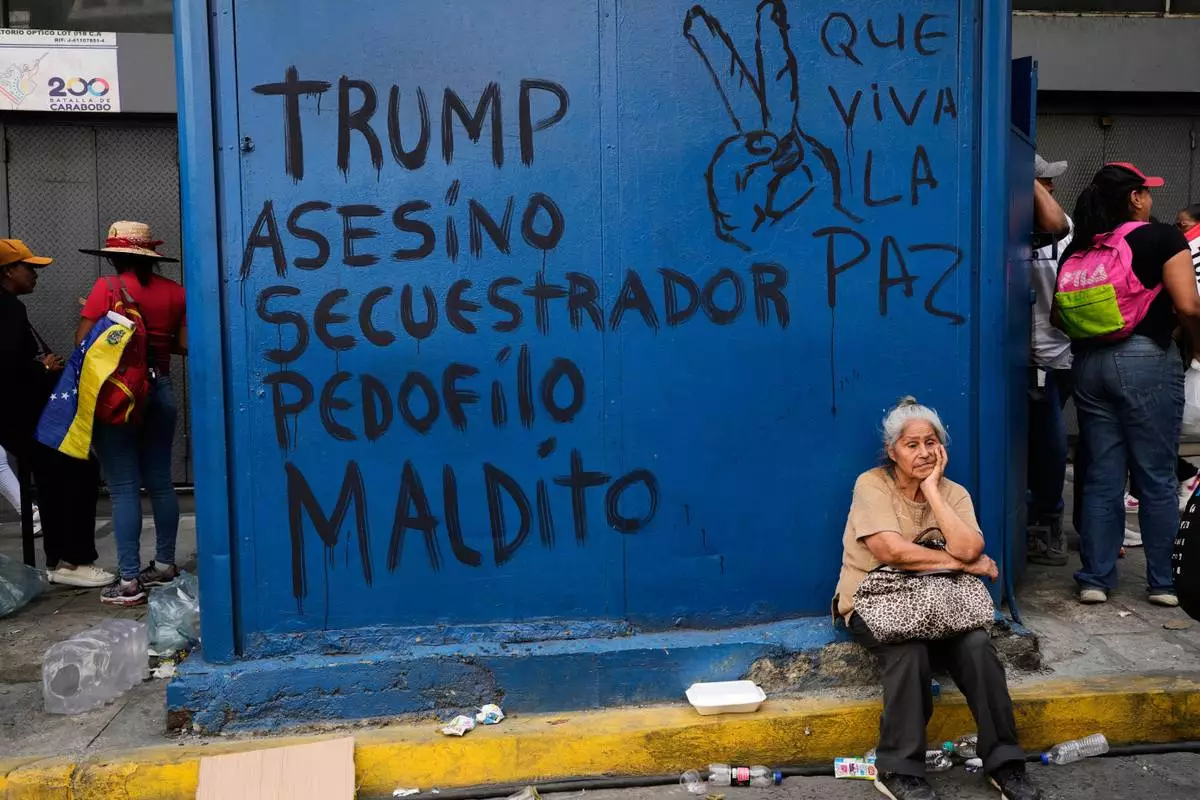
Graffiti that reads in Spanish, "Trump: murderer, kidnapper, pedophile, damned," left, and "Long live peace," covers a kiosk during a march to demand President Nicolas Maduro's return, in Caracas, Venezuela, Tuesday, Jan. 6, 2026, three days after U.S. forces captured him and his wife. (AP Photo/Matias Delacroix)
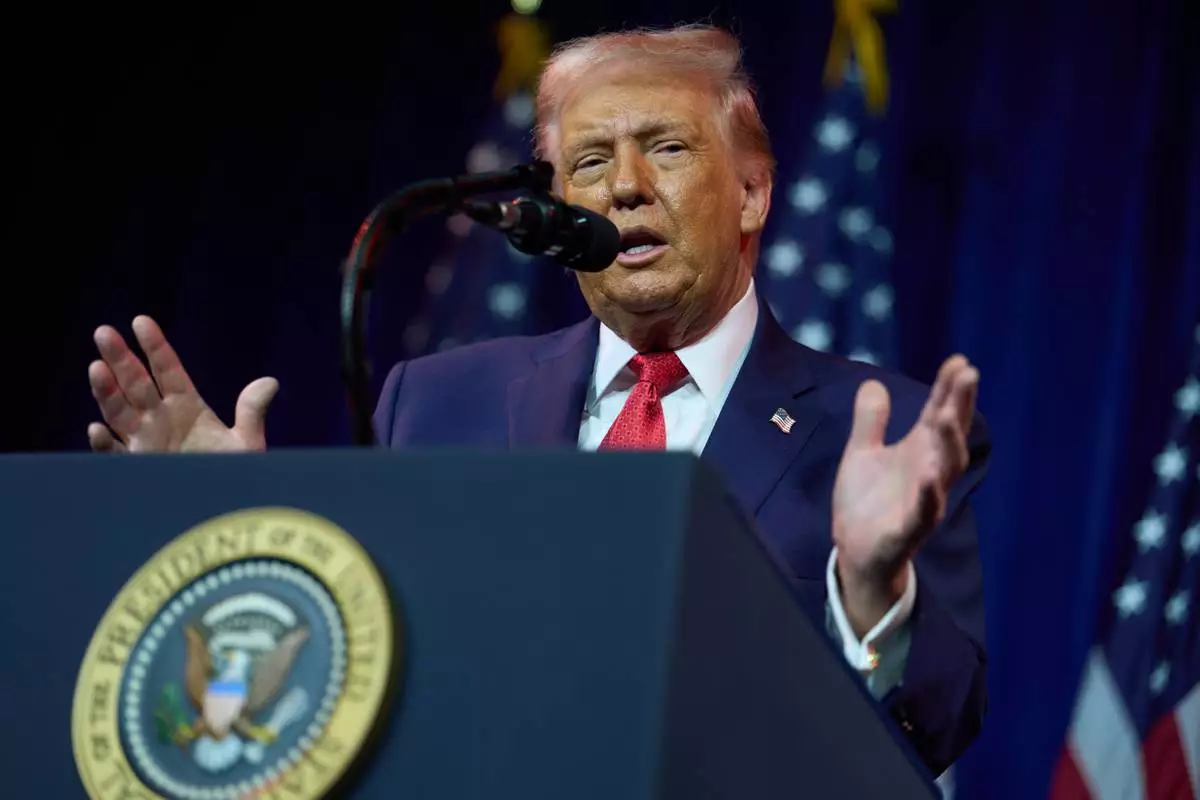
President Donald Trump speaks to House Republican lawmakers during their annual policy retreat, Tuesday, Jan. 6, 2026, in Washington. (AP Photo/Evan Vucci)
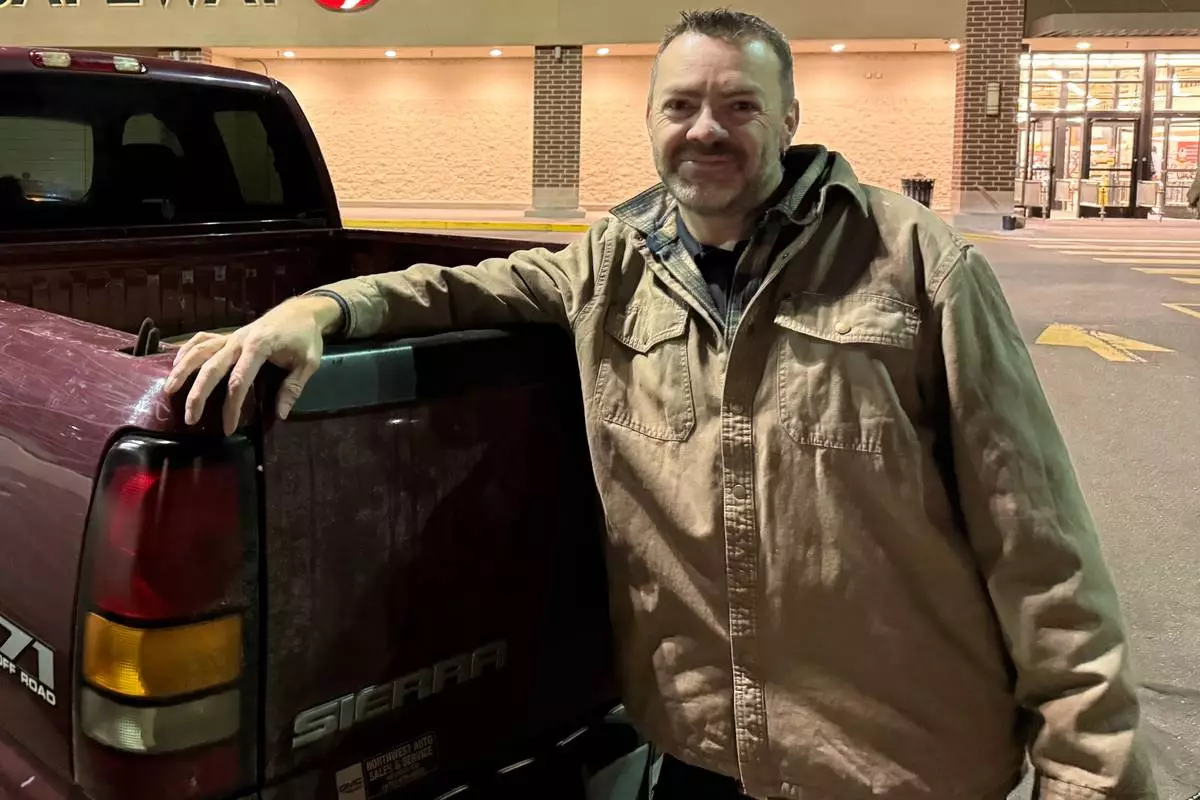
Travis Garcia, a 45-year-old supporter of President Donald Trump, poses for a picture as he leans against his pickup truck in Castle Rock, Colo., Jan. 5, 2026. (AP Photo/Jesse Bedayn)
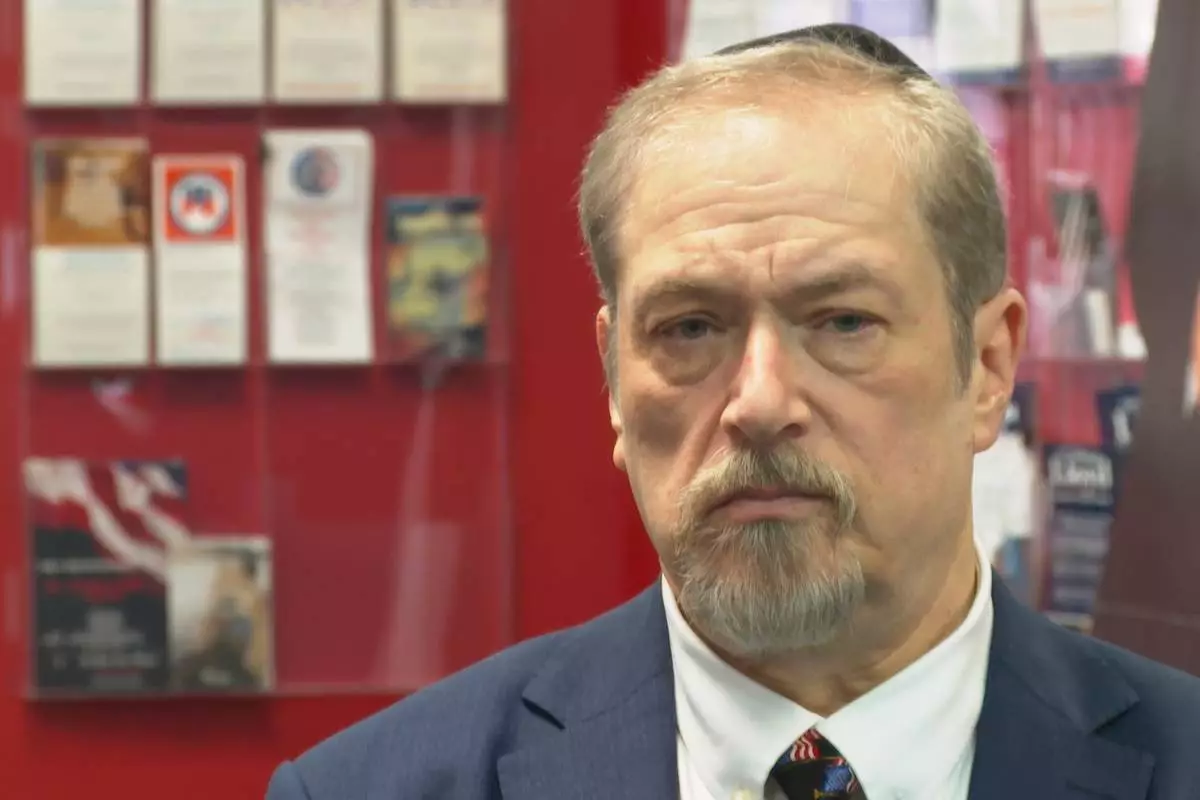
Aaron Tobin, a supporter of President Donald Trump, listens to a question during an interview, Jan. 5, 2026, in Bloomfield Hills, Mich. (AP Photo/Mike Householder)
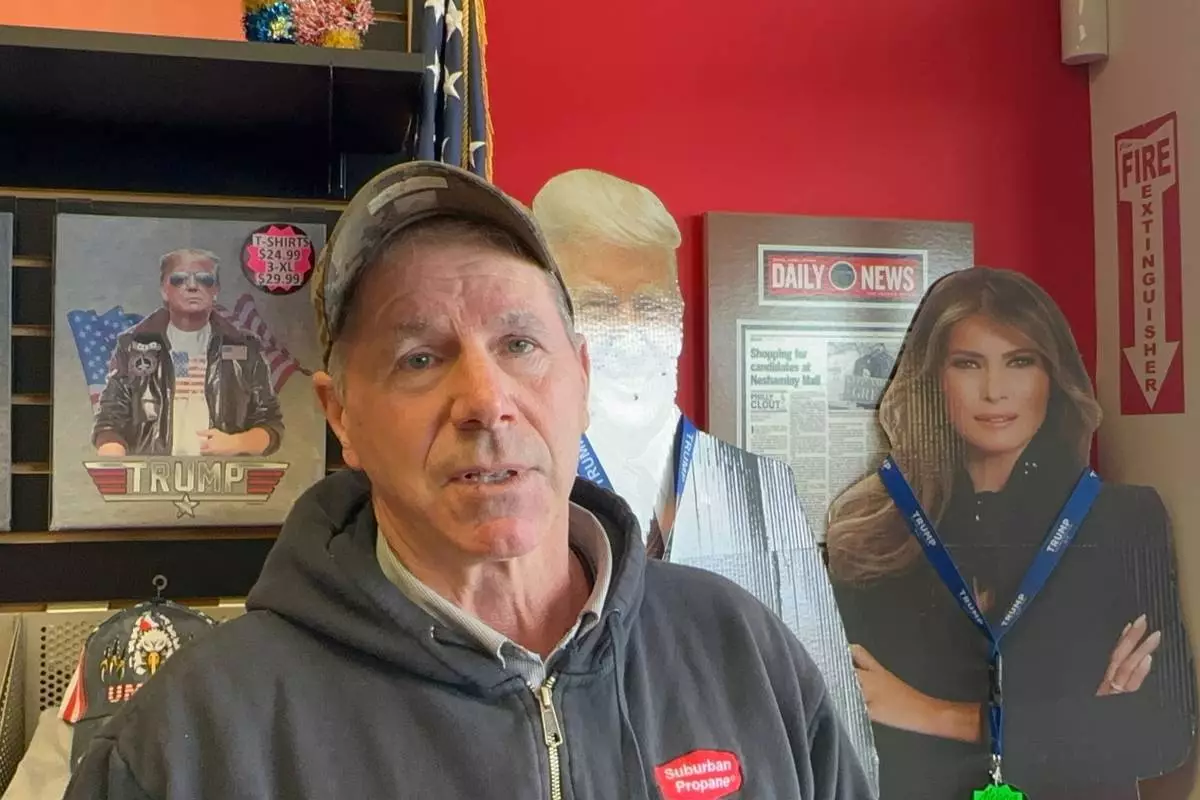
Paul Bonner, 67, talks at the Trump Store in Bensalem Pa., Monday, Jan. 5, 2026, looking for a Trump 2028 sign. Speaking about the U.S. raid that captured Venezuela's president. Bonner said he supports Trump "so far." (AP Photo/ Mike Catalini)
An Immigration and Customs Enforcement officer shot and killed a Minneapolis motorist on Wednesday during the Trump administration’s latest immigration crackdown in a major U.S. city — a shooting that federal officials claimed was an act of self-defense but that the city’s mayor described as “reckless” and unnecessary.
Videos taken by bystanders with different vantage points and posted to social media show an officer approaching an SUV stopped across the middle of the road, demanding the driver open the door and grabbing the handle. The SUV begins to pull forward and a different ICE officer standing in front of the vehicle pulls his weapon and immediately fires at least two shots into the SUV at close range, jumping back as the vehicle moves toward him. It was not clear from the videos if the vehicle made contact with the officer. The SUV then sped into two cars parked on a curb nearby before crashing to a stop.
The shooting marks a dramatic escalation of a series of immigration enforcement operations in major U.S. cities under the Trump administration. The killing was at least the fifth linked to immigration crackdowns in a handful of states since 2024.
The Latest:
As the sun set over Minneapolis, the crowd stood at the intersection where the motorist was killed just before a vigil was set to start.
Most were quiet. Some held profanity-laced signs against ICE, waving Mexican flags or sporting keffiyeh scarves.
A few blocks north, cars and improvised barricades blocked the main avenue.
Lynette Reini-Grandell, 65, had already heard that ICE agents were in her neighborhood when she saw the chaotic scene, one car askew in a lane and ICE vehicles backed up behind it.
She said she tried to figure out what was going on when several gunshots rang out and the car that was askew crashed to a stop.
“She was driving away and they killed her,” said Reini-Grandell of the motorist.
Reini-Grandell said she started recording ICE officers approach the woman’s vehicle and kept a close watch as law enforcement told bystanders to stand back.
“I didn’t want to get shot or chemical sprayed,” she said. “I was much calmer when it was happening than I am now.”
In a statement, the city of Minneapolis says police officers “responded to the reports of shots fired and found a woman with life-threatening gunshot wounds to the head.
“Minneapolis firefighters then removed the 37-year-old victim from the vehicle and immediately began lifesaving measures until paramedics could respond. She was transported to Hennepin County Medical Center, where she later died.”
That’s according to Commissioner Bob Jacobson of the Minnesota Department of Public Safety.
“Keep in mind that this is an investigation that is also in its infancy. So any speculation about what has happened would be just that,” Jacobson told reporters.
The shooting happened in the district of Democratic U.S. Rep. Ilhan Omar, who called it “state violence,” not law enforcement.
The Department of Justice says in its Justice Manual that firearms should not be used simply to disable a moving vehicle.
The policy allows deadly force only in limited circumstances, such as when someone in the vehicle is threatening another person with deadly force, or when the vehicle itself is being used in a way that poses an imminent risk and no reasonable alternative exists, including moving out of the vehicle’s path.
Police training experts have told The Associated Press that officers are generally taught not to step in front of moving vehicles to try to block them.
Training also emphasizes weighing the totality of the situation, including whether the person involved poses an immediate danger and whether the underlying allegation involves violence.
Many department policies specifically bar firing at vehicles just to stop a fleeing suspect.
Some policing experts say the rules need flexibility, pointing to cases in which people have used vehicles as weapons, including attacks in recent years where cars were driven into crowds.
The debate has been sharpened by high-profile cases, including a 2023 shooting in Ohio in which an officer fired through a windshield in a grocery store parking lot while investigating a shoplifting allegation, killing the pregnant motorist. The officer was later charged and acquitted.
For decades, police departments across the U.S. have limited when officers are allowed to fire at moving vehicles, citing the danger to bystanders and the risk that a driver who is shot will lose control.
The New York Police Department was among the first major agencies to adopt those limits. The department barred officers from firing at or from moving vehicles after a 1972 shooting killed a 10-year-old passenger in a stolen car and sparked protests.
Researchers in the late 1970s and early 1980s later found that the policy, along with other use-of-force restrictions, helped reduce bystanders being struck by police gunfire and led to fewer deaths in police shootings.
Over the years, many law enforcement agencies followed New York’s lead. Policing organizations such as the Police Executive Research Forum and the International Association of Chiefs of Police have recommended similar limits, warning that shooting at vehicles creates serious risks from stray gunfire or from a vehicle crashing if the driver is hit.
Chief Brian O’Hara briefly described the shooting to reporters. Unlike federal officials, O’Hara didn’t say the driver was trying to harm anyone. He said she had been shot in the head.
“This woman was in her vehicle and was blocking the roadway on Portland Avenue. ... At some point a federal law enforcement officer approached her on foot and the vehicle began to drive off,” the chief said.
“At least two shots were fired. The vehicle then crashed on the side of the roadway.”
The governor said he’s prepared to deploy the National Guard if necessary. He also said that like many, he is outraged about the killing, which he described as “predictable” and “avoidable.” But he called for calm.
“They want a show. We can’t give it to them. We cannot,” the governor said during a news conference.
“If you protest and express your First Amendment rights, please do so peacefully, as you always do. We can’t give them what they want.”
The president, in a social media post, said he’d viewed video footage of the incident and criticized the woman who was shot as acting “very disorderly, obstructing and resisting” and “then violently, willfully, and viciously” running over the ICE officer.
The president also described another woman seen screaming in the footage of the incident he viewed as “obviously, a professional agitator.”
“Based on the attached clip, it is hard to believe he is alive, but is now recovering in the hospital,” Trump said of the ICE officer.
“The situation is being studied, in its entirety, but the reason these incidents are happening is because the Radical Left is threatening, assaulting, and targeting our Law Enforcement Officers and ICE Agents on a daily basis. They are just trying to do the job of MAKING AMERICA SAFE.”
An immigrant rights group says on Facebook that it will hold a vigil for the woman who was shot.
“We witnessed an atrocious attack on our community today,” read the post from the Minnesota Immigrant Rights Action Committee. “Community members were taken from us and an observer was shot dead. ICE OUT OF MINNESOTA NOW.”
Minnesota initially grabbed President Donald Trump’s and Republicans’ attention over a series of fraud cases where many of the defendants had roots in Somalia. Prosecutors say that billions of dollars were stolen from federally funded health care benefits and a COVID-19 program in recent years.
Minnesota has the largest Somali population in the U.S., a group Trump called “garbage” in December and said he didn’t want them in the country.
The president has also criticized Democratic Gov. Walz for failing to catch the alleged crimes.
Late last month, a right-wing influencer posted a video claiming that day care centers in Minneapolis run by Somali residents had taken over $100 million in fraud. Homeland Security Secretary Kristi Noem and FBI Director Kash Patel then posted on social media about increased operations in the city partly targeting, as Patel put it, “large-scale fraud schemes.”
On Tuesday, DHS said it planned to deploy 2,000 federal agents and officers to the Minneapolis area.
In October, a Chicago woman was shot five times by a Border Patrol agent in a similar incident involving a vehicle, though she survived.
Almost immediately, Homeland Security officials issued a statement labeling Marimar Martinez, a 30-year-old teaching assistant at a Montessori school, as a “domestic terrorist” who had “ambushed” and “rammed” agents with her vehicle.
She was charged in federal court with assaulting a federal officer, a felony punishable by up to 20 years in prison. But federal prosecutors were later forced to dismiss the case against Martinez before trial after security camera video and bodycam footage emerged that her defense lawyers said undermined the official narrative.
The videos showed a Border Patrol agent steering his vehicle into Martinez’s truck, rather than the other way around, her attorney said.
“I’ve seen the video. Don’t believe this propaganda machine,” Walz wrote on X, responding to the U.S. Department of Homeland Security’s post alleging that a woman had “weaponized her vehicle” before she was shot and killed by an ICE officer.
The state will ensure there is a full, fair, and expeditious investigation to ensure accountability and justice,” wrote the governor.
Daniel Borgertpoepping, a spokesperson for the Hennepin County Attorney’s Office, says that “We have jurisdiction to bring charges, as do the feds.
“It’s a little bit of a complicated interplay but the bottom line is yes, we have jurisdiction to bring criminal charges.”
Secretary Kristi Noem, during a visit to Texas, says it was carried out against ICE officers by a woman who “attempted to run them over and rammed them with her vehicle. An officer of ours acted quickly and defensively, shot, to protect himself and the people around him.”
But Mayor Frey blasted that characterization as well as the federal deployment in the Twin Cities of Minneapolis and St. Paul.
“They are not here to cause safety in this city. What they are doing is not to provide safety in America. What they are doing is causing chaos and distrust,” Frey said.
The location is just a few blocks from some of the oldest immigrant markets in the area and a mile from where George Floyd was killed by police in 2020.
During a news conference in Texas on Wednesday, DHS Secretary Kristi Noem confirmed that the agency had deployed more than 2,000 officers to the Twin Cities and already made “hundreds and hundreds” of arrests.
The mayor says in a social media post that immigration agents are “causing chaos in our city.”
“We are demanding ICE leave the city and state immediately. We stand rock solid with our immigrant and refugee communities,” Frey said.
The crowd vented its anger at the local and federal officers who were there, including Gregory Bovino, a senior U.S. Customs and Border Patrol official who has been the face of crackdowns in Los Angeles, Chicago and elsewhere.
In a scene that harkened back to the Los Angeles and Chicago immigration crackdowns, bystanders heckled the officers and blew whistles that have become ubiquitous during the operations.
“Shame! Shame! Shame!” and “ICE out of Minnesota!” they loudly chanted from behind the police tape.
That’s according to a statement from department spokeswoman Tricia McLaughlin.
The shooting marks a dramatic escalation of the latest in a series of immigration enforcement operations in major American cities under the Trump administration. It’s at least the fifth person killed in a handful of states since 2024.
The twin cities of Minneapolis and St. Paul have been on edge since DHS announced Tuesday that it had launched the operation, with more than 2,000 agents and officers expected to participate in the crackdown tied in part to allegations of fraud involving Somali residents.
Minneapolis Mayor Jacob Frey said Wednesday that the Immigration and Customs Enforcement officer who shot and killed a motorist acted recklessly. Fry rejected federal officials’ claims that the officer had acted in self-defense.
During a news conference hours after the ICE officer shot the woman, an angry Frey blasted the federal immigration crackdown on the Twin Cities of Minneapolis and St. Paul.
“They are not here to cause safety in this city. What they are doing is not to provide safety in America. What they are doing is causing chaos and distrust,” Frey said. “They’re ripping families apart. They’re sowing chaos on our streets and in this case quite literally killing people.”
“They are already trying to spin this as an action of self-defense," the mayor said.
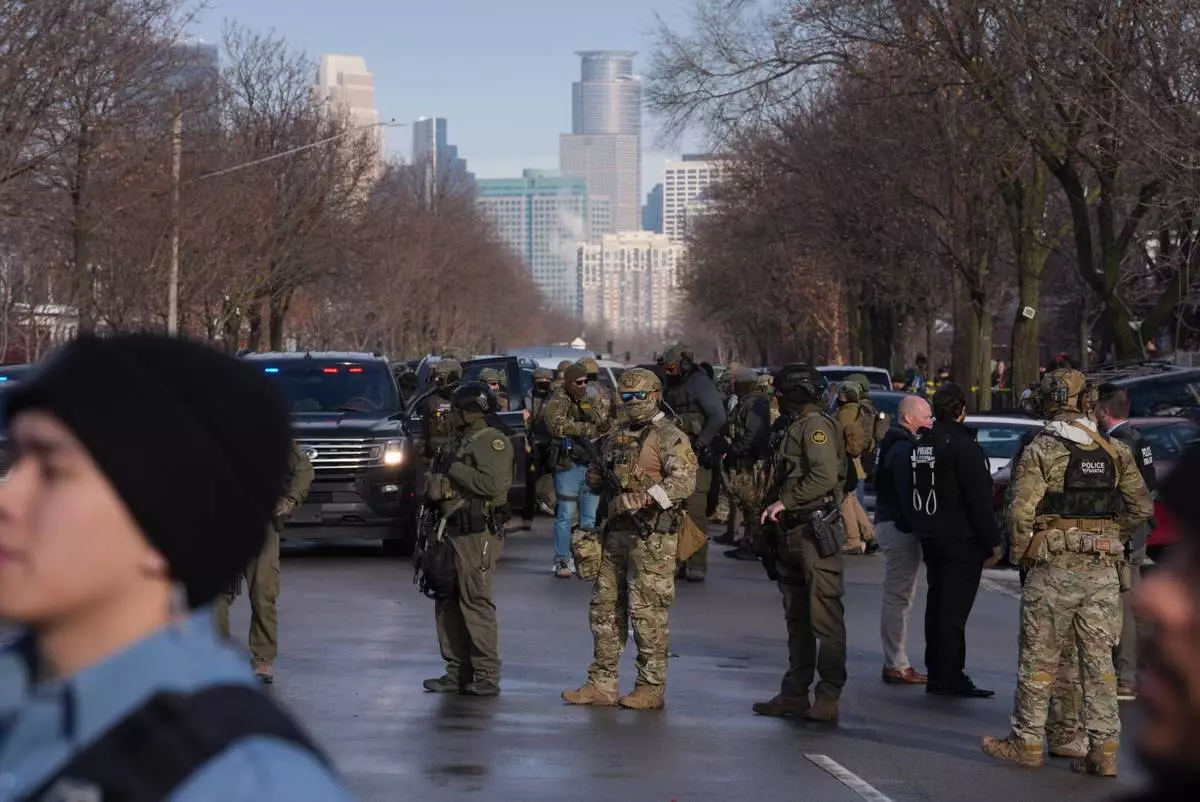
Law enforcement agents stand on the scene of a shooting in Minneapolis, on Wednesday, Jan. 7, 2026. (Alex Kormann/Star Tribune via AP)
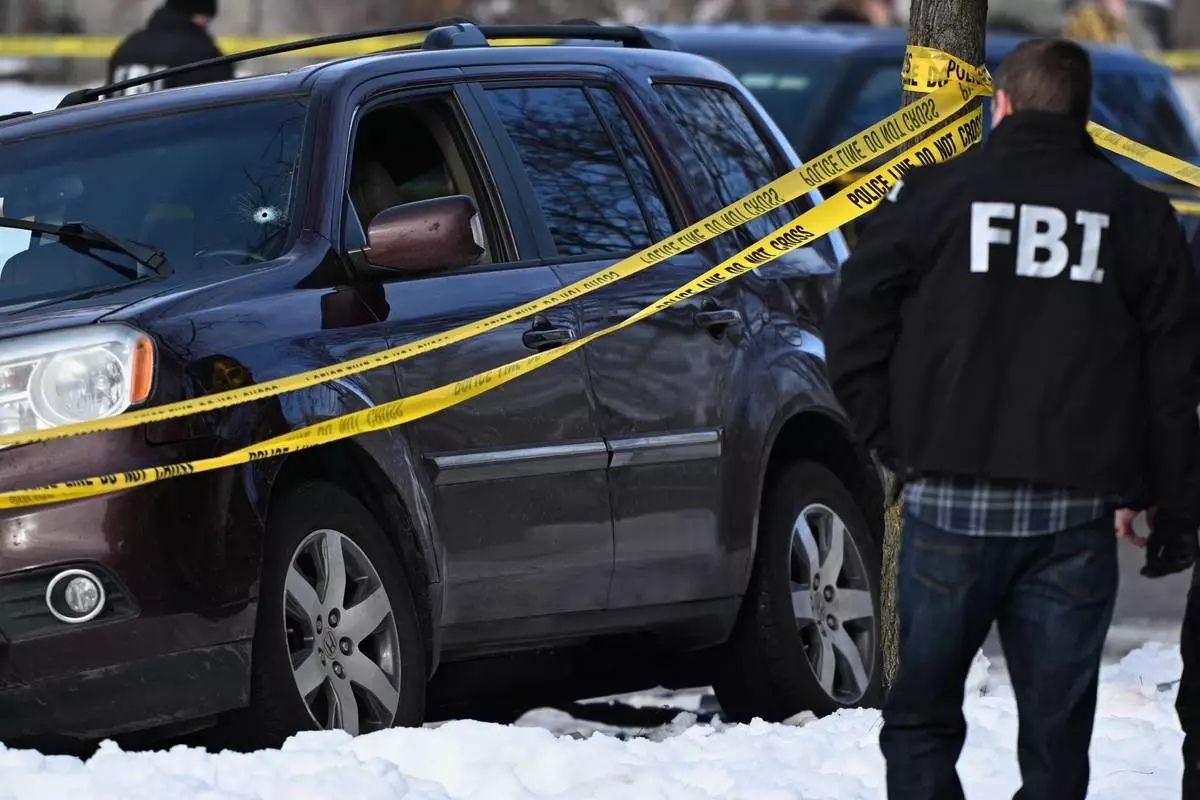
A bullet hole is seen in the windshield as law enforcement officers work the scene of a shooting involving federal law enforcement agents, Wednesday, Jan. 7, 2026, in Minneapolis. (AP Photo/Tom Baker)
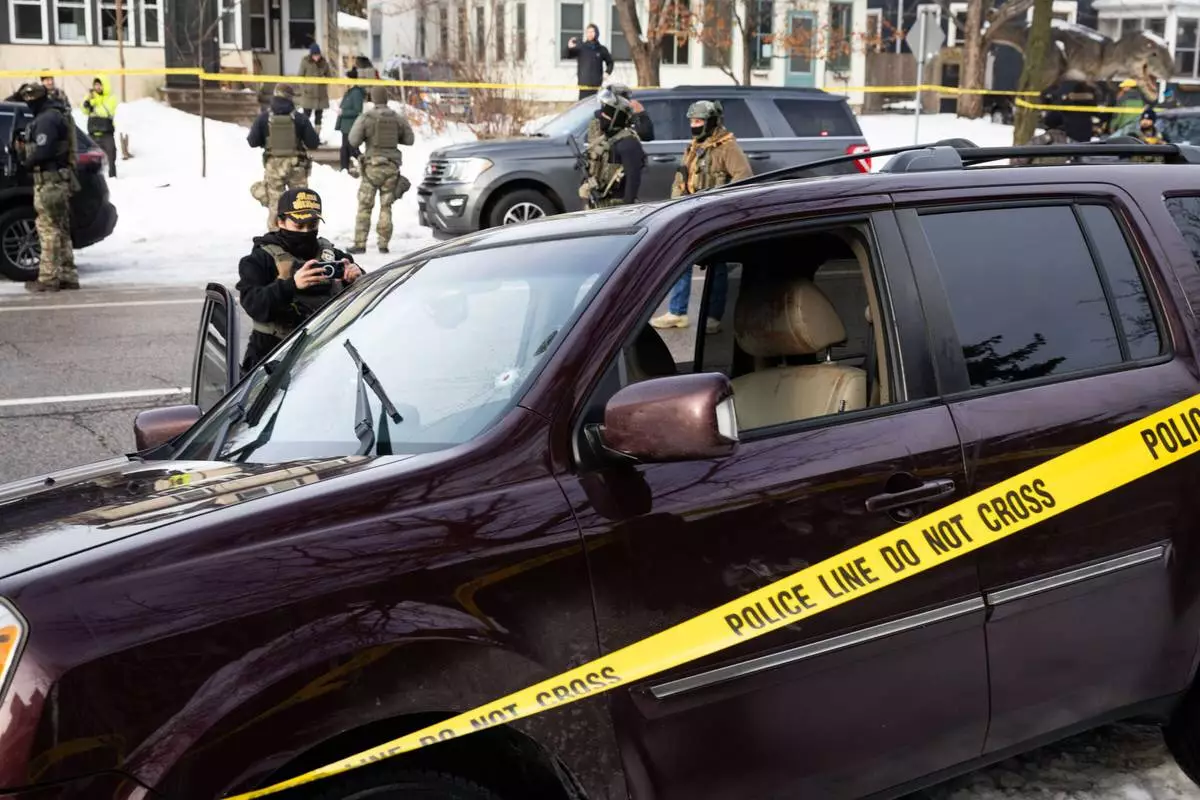
A bullet hole and blood stains are seen in a crashed vehicle on at the scene of a shooting in Minneapolis on Wednesday, Jan. 7, 2026. (Ben Hovland/Minnesota Public Radio via AP)