BOSTON (AP) — The man identified as the shooter who killed two Brown University students and an MIT professor planned the attack for years and left behind videos in which he confessed to the murders but gave no motive, according to information released Tuesday by the U.S. Department of Justice.
Claudio Neves Valente, 48, a former Brown student and Portuguese national, was found dead in a New Hampshire storage facility after he killed two students and wounded nine others in an engineering building on Dec. 13. Two days later he killed MIT professor Nuno F.G. Loureiro in his home in the Boston suburb of Brookline.
Justice Department officials said Tuesday that during the search of the storage facility where Neves Valente’s body was found on Dec. 18, the FBI recovered an electronic device containing a series of short videos made by Neves Valente after the shootings.
In the recordings, the shooter admitted in Portuguese that he had been working out details for at least six semesters. He did not give a motive for targeting Brown or the professor, with whom he attended school in Portugal decades ago.
In an English-translated transcript provided by the Justice Department, Neves Valente said he felt he had nothing to apologize for. He also complained in the videos about injuring his eye in the shootings.
“I’m not going to apologize because during my lifetime no one sincerely apologized to me,” he said.
He explicitly addressed baseless claims spread by conservative influencer Laura Loomer after the attack that the Brown shooter had spoken in Arabic, saying something like “Allahu akbar” upon entering the auditorium.
Neves Valente said he did not speak a word of Arabic or intend to make any kind of statement. If he said anything, he “must have made an exclamation like, ‘Oh no!’ or something like that,” to express disappointment that the auditorium appeared to be empty when he entered, he said. Students were hiding under desks, but Neves Valente thought they’d already escaped through an emergency exit.
“I never wanted to do it in an auditorium. I wanted to do it in a regular room,” he said. “I had plenty of opportunities. Especially this semester, I had plenty of opportunities, but I always chickened out.”
He insisted he was not mentally ill. He said he did not want to be famous and the video was not a manifesto.
Neves Valente said his “only objective was to leave more or less” on his “own terms” and to ensure he “wouldn’t be the one who ended up suffering the most from all this.”
“No, that cannot happen. So if you don’t like it, tough luck,” he said. Neves Valente called his execution of the murders “a little incompetent.”
“But at least something was done,” he said.
Neves Valente wounded nine people and killed two students: Sophomore Ella Cook, 19, and 18-year-old freshman MukhammadAziz Umurzokov.
Two days later, authorities say, Neves Valente fatally shot Loureiro. Valente and Loureiro attended the same academic program at a university in Portugal between 1995 and 2000. Loureiro graduated from the physics program at Instituto Superior Técnico, that country's premier engineering school, in 2000, according to his MIT faculty page. The same year Neves Valente was let go from a position at the Lisbon university, according to an archive of a termination notice from the school’s then-president in February 2000.
In the recording he said he had the storage space where his body was found for about three years.
Brown University said in a statement Tuesday that “the gravity of this tragedy continues to weigh heavily on the full Brown University community" and that they continue to mourn the deaths of the two students and pray for the full recovery of those who were injured.
Neves Valente mentioned his confrontation with a witness at Brown that ultimately led to his identification days later.
According to police, the witness had several encounters with Neves Valente before the attack. As police posted images of the person of interest, the witness began posting on the social media forum Reddit that he recognized the person and theorized that police should look into “possibly a rental” gray Nissan. Reddit users urged him to inform the FBI, and the witness said he did.
Until that point, the police affidavit says, officials had not connected a vehicle to the possible shooter.
“I actually was confronted,” Neves Valente said about the Brown shooting, adding that the witness saw his license plate.
“I honestly never thought it would take them so long to find me,” he said.
He said he had no hatred or love for the United States, where he first arrived around 25 years ago to study physics at Brown's graduate program before leaving in the spring of 2001.
Neves Valente studied at Brown on a student visa. He eventually obtained legal permanent residence in September 2017. His last known residence was in Miami.
“It’s the same thing with Portugal, and most of the places where I have been,” he said, adding later that “I’ve been here without caring for a very long time now.”
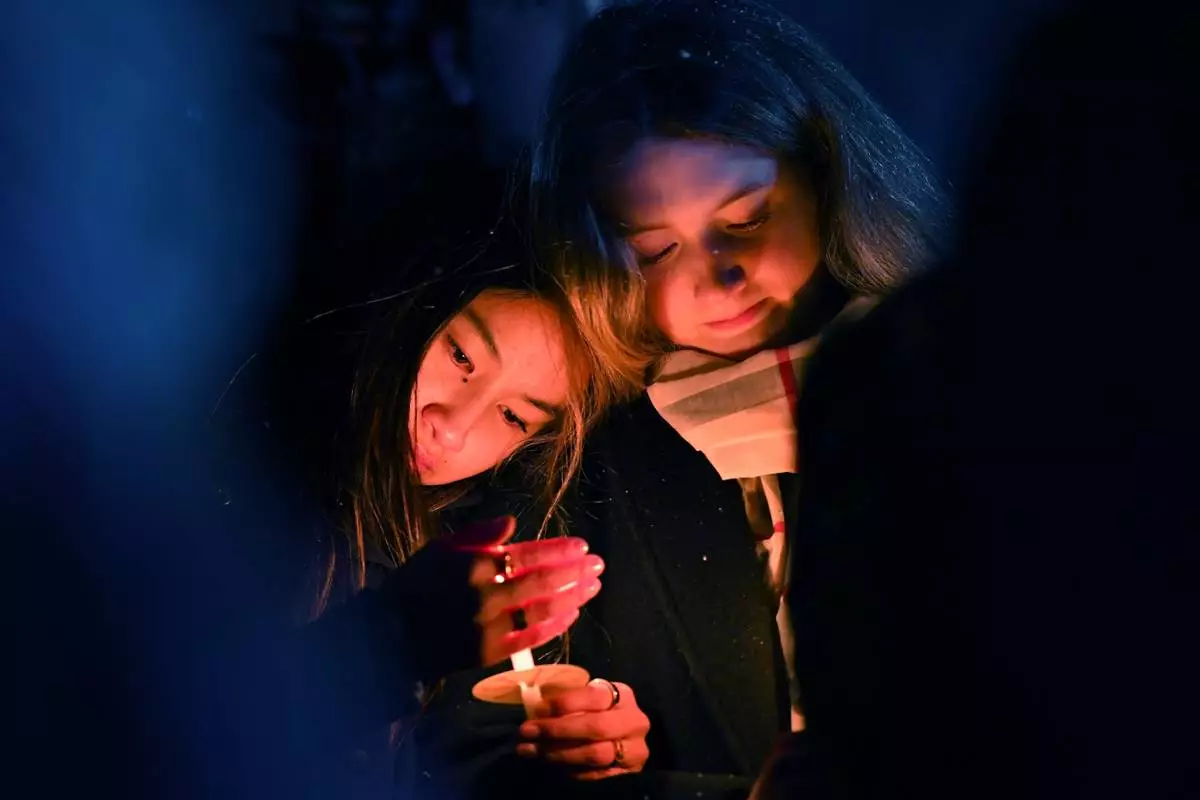
FILE - People hold candles during a vigil in Providence, R.I., for those injured or killed in the previous day's shooting on the campus of Brown University, Sunday, Dec. 14, 2025. (AP Photo/Steven Senne, File)
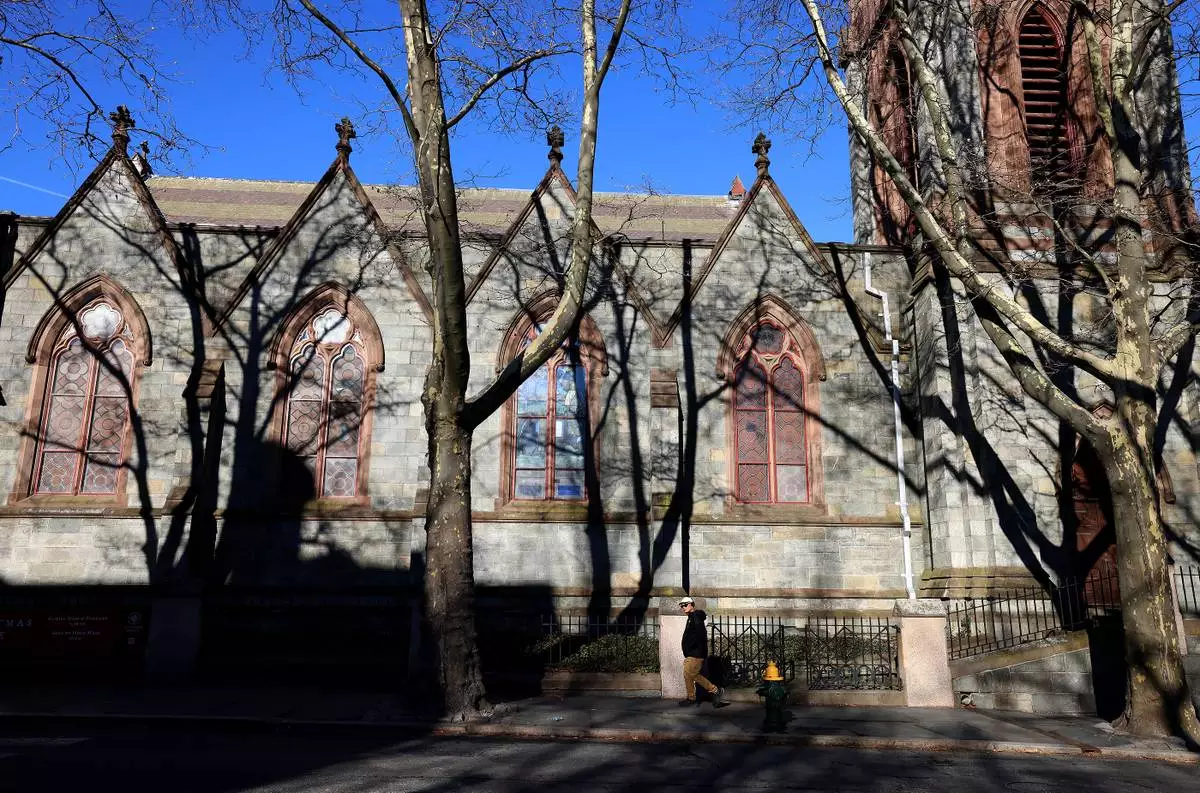
A Brown University student walks past a church on the Providence, RI, campus, Thursday, Dec. 18, 2025. (AP Photo/ Mark Stockwell)
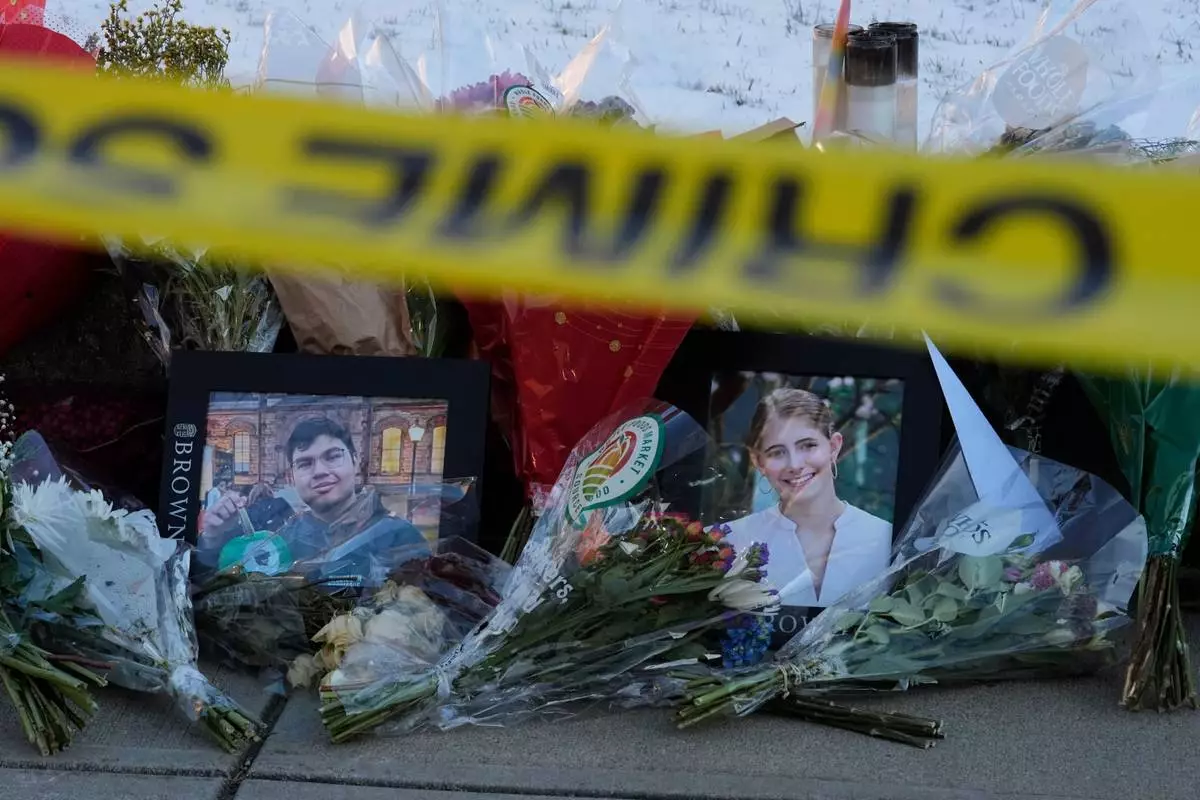
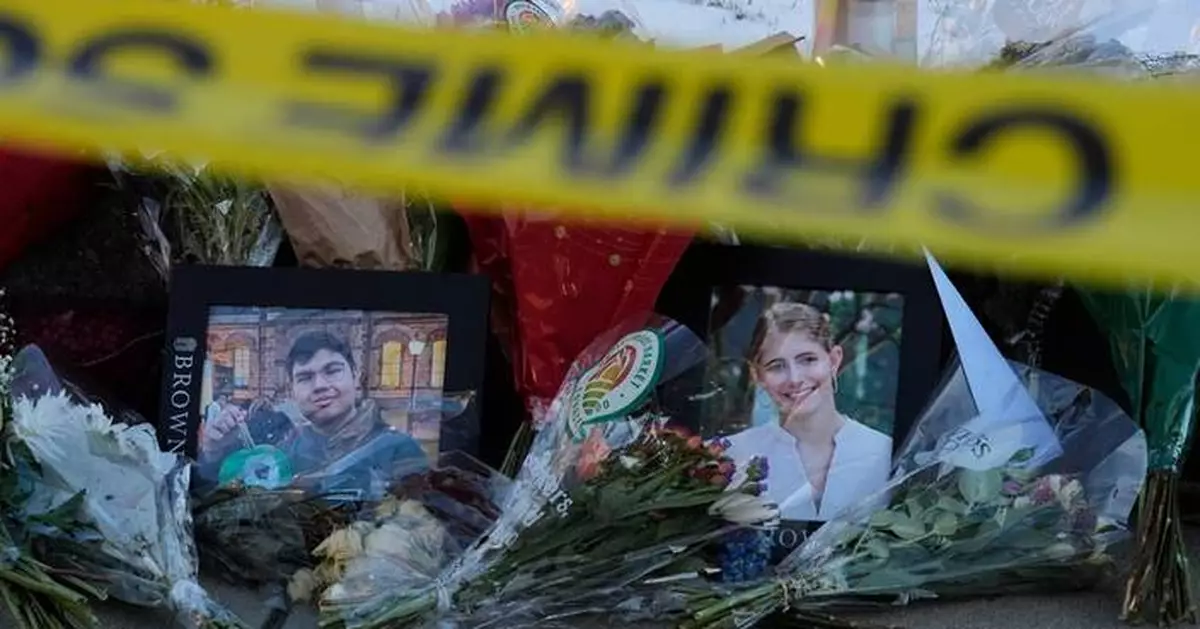
FILE - Photos of Brown University shooting victims MukhammadAziz Umurzokov, left, and Ella Cook, lay on a makeshift memorial outside the Engineering Research Center, Dec. 16, 2025, in Providence, R.I. (AP Photo/Robert F. Bukaty, File)